
Choosing the right haldi kumkum set for your daily worship involves balancing deep-rooted religious traditions with the practical realities of modern life. While copper and brass have been the standard for generations due to their cultural significance, stainless steel has emerged as a popular, low-maintenance alternative. The ideal material ultimately depends on how much time you are willing to dedicate to upkeep, your aesthetic preferences for your prayer altar, and your budget. This guide compares the core characteristics of these three metals to help you select a set that aligns with your daily puja routine.
When selecting items for a home altar, the materials we interact with daily shape our ritual experience. A haldi kumkum set holds two of the most sacred substances in Hindu worship: turmeric (haldi) and vermilion (kumkum). Because these powders are applied to deities and offered to guests, the vessels containing them must remain clean, stable, and presentable. By understanding how brass, copper, and stainless steel perform under daily handling, you can make an informed decision that honors tradition while fitting seamlessly into your household schedule.
Understanding Metal Properties for Daily Puja
Each metal brings a distinct visual and tactile presence to a prayer space. Copper is characterized by its warm, reddish-orange tones and a substantial, grounded weight. It has a soft, organic luster that feels deeply traditional. Brass, an alloy of copper and zinc, offers a bright, golden hue that mimics the radiance of gold, bringing a warm, inviting glow to the altar. Stainless steel, on the other hand, presents a sleek, silver, highly reflective finish that feels smooth, cool, and distinctly modern.
Products mentioned in this guide
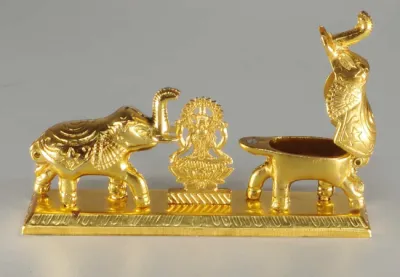
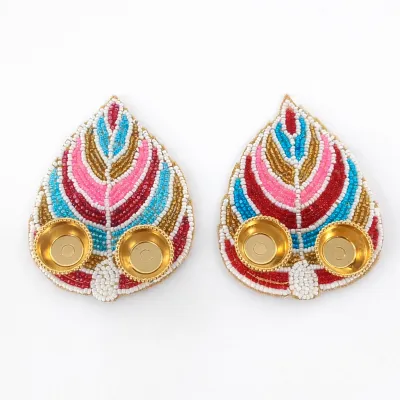
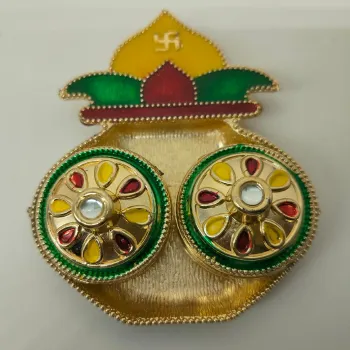
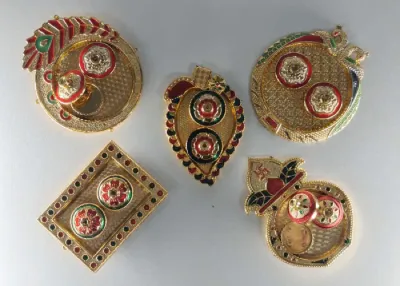
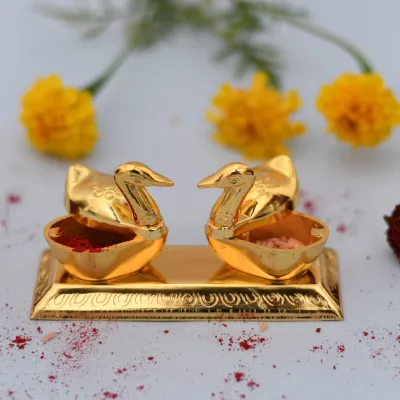
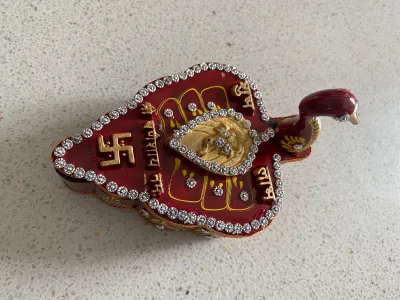
Prices are valid at publication and may change. Please refer to the product page for the latest price.
The environment of a home prayer altar can be surprisingly demanding on metals. Daily rituals often involve moisture from water offerings, heat and soot from oil lamps or incense, and frequent handling with fingers that may carry oils, water, or turmeric paste. Copper is highly reactive to these environmental factors, often darkening or developing spots within days of exposure. Brass is slightly more resilient due to its zinc content but will still lose its bright golden shine over time when exposed to air and moisture. Stainless steel is highly inert, meaning it does not react with oxygen, moisture, or the acidic components of ritual powders, allowing it to maintain its original appearance indefinitely.
When shopping for a haldi kumkum set on an online marketplace, it is important to look beyond product titles. Many items labeled as “brass” or “copper” are actually made of cheaper base metals, such as iron or zinc alloy, with a thin outer plating. These plated alternatives may look identical to solid metal initially, but they lack the weight, durability, and traditional properties of solid metals. Always read the product specifications carefully, check the weight of the item, and look for terms like “solid brass” or “pure copper” to ensure you are getting an authentic product.
Maintenance and Upkeep: Managing Tarnish and Daily Handling
The natural oxidation process is a key consideration when choosing between traditional metals and modern alternatives. When copper and brass are exposed to air, humidity, and the natural oils from your hands, they undergo a chemical reaction that creates a layer of tarnish. This tarnish can range from a dull brown patina to a greenish crust known as verdigris. Additionally, the moisture in haldi and the acidic nature of certain kumkum formulations can accelerate this tarnishing process, leaving dark spots inside the containers where the powders sit.

Keeping copper and brass sets looking clean and respectful requires regular maintenance. Traditional cleaning methods often rely on mild natural acids to dissolve the tarnish. A popular and effective approach is applying a paste made of lemon juice and salt, or using tamarind pulp, which gently breaks down the oxidation without damaging the metal. Commercial metal polishes are also widely available and can restore a high-gloss shine, though they require thorough washing afterward to ensure no chemical residue remains in contact with the sacred powders. Both methods require a dedicated investment of time and physical effort, often on a weekly basis.
In contrast, stainless steel is a highly durable, rust-resistant, and non-tarnishing material that requires minimal upkeep. It does not react with turmeric or vermilion, meaning you will not have to scrub away stubborn green or black spots from the interior of the cups. For daily cleaning, a simple wipe with a damp microfiber cloth is usually sufficient to remove dust and fingerprints. If the set becomes sticky or stained with oil, it can be washed easily with standard dish soap and water, drying instantly without the risk of water spots or rust.
Regardless of the material you choose, it is important to avoid harsh cleaning practices. Using abrasive scrubbing pads, steel wool, or strong chemical cleaners can permanently scratch the surface of all three metals. For brass and copper sets that feature protective lacquer coatings or delicate decorative enamel work, such as Meenakari designs, harsh scrubbing can strip away the protective layer, leading to rapid, uneven tarnishing and peeling. Always use soft cloths and gentle, non-abrasive cleaning agents to preserve the integrity of your set.
Cultural Significance and Altar Aesthetics
For many households, the choice of material is deeply tied to cultural traditions and scriptural recommendations. In Hindu and Buddhist rituals, copper and brass have been the preferred metals for thousands of years. Traditional texts often associate copper with purity, healing, and the flow of positive energy, making it a highly sacred metal for holding ritual offerings. Brass, with its golden appearance, is associated with prosperity and abundance, helping to create a visually rich and spiritually uplifting atmosphere on the prayer altar.
The way these metals age can also contribute to the aesthetic character of a home altar. While some prefer a highly polished, gleaming look, others appreciate the natural aging process of copper and brass. Over time, a gently tarnished set can develop a deep, antique patina that tells a story of years of daily devotion. This weathered look can add a sense of history, reverence, and timelessness to the prayer space, making the items feel like cherished family heirlooms rather than mass-produced decor.
Stainless steel represents a modern shift in altar aesthetics. It aligns well with contemporary home decor, minimalist design trends, and modern prayer units that feature clean lines and neutral color palettes. While stainless steel offers a bright, clean, and highly hygienic appearance, it does lack the historical and scriptural associations of copper and brass. For some practitioners, this lack of traditional weight makes it less suitable for formal rituals, while others view its practical cleanliness as a form of purity in itself.
Evaluating Cost, Construction, and Longevity
When investing in a haldi kumkum set, understanding the relationship between cost, material, and construction is essential for long-term satisfaction. Solid copper sets are generally the most expensive option on the market, reflecting the high cost of raw copper and the craftsmanship required to shape it. Brass sets occupy a mid-range price tier, offering a traditional look and solid weight at a more accessible price point, often ranging from S$15 to S$40 depending on the complexity of the design. Stainless steel sets are typically the most budget-friendly, providing excellent durability and utility at a lower cost.
Purchasing inexpensive, low-quality plated items can lead to disappointment over time. Electroplated sets, where a thin layer of brass or copper is applied over a cheaper base metal, often begin to degrade within a few months of daily use and washing. The plating can chip, peel, or wear away, exposing the underlying metal to moisture and causing it to rust or tarnish rapidly. In some cases, the exposed base metal can react with the moisture in the haldi or kumkum, leading to discoloration of the powders or causing mild skin irritation when handled.
To ensure your haldi kumkum set lasts for years, it is highly recommended to verify the construction before buying. Look for solid metal construction rather than plated finishes, especially if you plan to wash the set frequently. Solid brass and copper sets may require more polishing, but they can be restored to their original shine repeatedly without any risk of peeling. A high-quality, solid metal set is a durable investment that can be passed down through generations, whereas a cheaply plated set will likely need to be replaced within a year or two of daily use.
How to Choose the Right Material for Your Altar
To help you make the right decision for your home, consider how your daily schedule, maintenance preferences, and aesthetic goals align with each material.
Choose Copper if: You place a high value on scriptural traditions, prefer the sacred associations of pure copper, and are willing to dedicate regular time to polishing and maintaining the metal. This option is ideal for those who appreciate the organic, evolving look of a natural patina and want a deeply traditional altar setup.
Choose Brass if: You want the classic, warm golden aesthetic of a traditional altar but prefer a material that is slightly easier to maintain than pure copper. Brass offers excellent durability, a solid weight, and a timeless look that coordinates beautifully with other traditional prayer items like oil lamps and incense holders.
Choose Stainless Steel if: You lead a busy lifestyle, travel frequently, or simply prefer a zero-maintenance option that stays bright and clean with minimal effort. It is also the perfect choice for modern, minimalist prayer altars where a sleek, silver finish complements the surrounding home decor.
Verify first if: Before finalizing your purchase, check the product details to confirm whether the set is made of solid metal or a plated alloy. Ensure that any lids, hinges, or carrying handles are securely attached and operate smoothly. Finally, measure your altar space to ensure the dimensions of the set fit comfortably alongside your other ritual items without cluttering the space.
Frequently Asked Questions (FAQ)
Can I use a stainless steel haldi kumkum set for traditional rituals?
Yes, stainless steel is widely accepted for daily household rituals in modern practice. Its rust-resistant and non-reactive properties make it a highly hygienic and practical choice for keeping sacred powders clean and dry. While traditional scriptures specifically recommend copper and brass for formal temple rituals and major ceremonies, stainless steel is a respected and common choice for daily home worship. If your family follows strict traditional guidelines or specific ancestral customs, you may want to consult a family elder or religious guide before making a final decision.
How do I remove stubborn turmeric stains from brass or copper?
To safely remove stubborn turmeric stains from brass or copper without scratching the metal, create a gentle paste using equal parts baking soda and water, or a mixture of lemon juice and fine salt. Apply the paste to the stained areas using a soft microfiber cloth or a gentle sponge, rubbing lightly in circular motions. Avoid using steel wool, abrasive scouring pads, or harsh chemical cleaners, as these can permanently scratch the soft metal surface or strip away protective lacquer coatings. Once the stains are lifted, rinse the set thoroughly with clean water and dry it immediately with a soft, dry towel to prevent water spots or rapid tarnishing.
Is it better to buy a combined set or separate containers?
The choice between a combined set and separate containers depends on your altar space and daily habits. A combined set, such as a double-cup holder with a central handle or a single box with multiple compartments, is highly convenient, easy to move during cleaning, and prevents the individual cups from tipping over. Separate individual bowls offer more flexibility in placement, allowing you to arrange them however you like, and are often easier to clean individually. If you have limited space on your prayer altar, a compact, combined set is usually the most practical and space-saving option.

Community discussion
Share your experience or ask a question. Comments are reviewed before publication.