
Selecting the right swaddle blanket for a newborn in Singapore requires a careful balance between comfort, security, and thermal safety. Because the local climate is characterized by year-round high temperatures and high relative humidity, standard blankets can easily trap heat and moisture, leading to discomfort or dangerous overheating. To keep your baby safe and comfortable, the primary focus must shift away from heavy, heat-retaining materials toward lightweight, open-weave fabrics that facilitate natural airflow and efficient moisture regulation. Cotton muslin and bamboo-derived viscose are among the most effective options for tropical climates, but choosing the right one involves verifying specific fabric weights, weave structures, and room conditions.
How Singapore's Tropical Climate Affects Swaddle Safety
Singapore’s tropical climate presents unique challenges for infant sleep safety. Newborns have an underdeveloped thermoregulation system, meaning they cannot sweat or cool themselves down as efficiently as adults. When wrapped in a swaddle that lacks adequate ventilation, a baby’s body heat can build up rapidly. Safe sleep guidelines globally emphasize the prevention of overheating, which is a recognized risk factor for Sudden Infant Death Syndrome (SIDS). In a warm environment, a swaddle must act as a breathable layer rather than an insulating barrier.
High humidity levels further complicate infant comfort and hygiene. When the air is saturated with moisture, sweat does not evaporate quickly from the skin. This trapped moisture can irritate a baby’s sensitive skin, leading to common tropical skin conditions such as prickly heat rash or worsening infantile eczema. A swaddle material that does not actively manage moisture will remain damp against the baby’s body, creating a breeding ground for bacteria. Therefore, selecting a fabric that allows both air and moisture vapor to pass through easily is essential for maintaining skin integrity and overall sleep quality.
Products mentioned in this guide
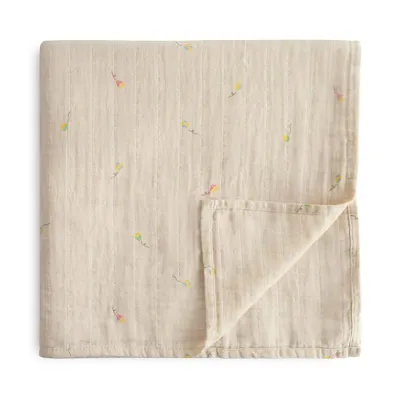
![[SG Local Seller] Muslin Swaddle / Blanket/Baby Swaddle/ Towel/muslin blanket/swaddle wrap/stroller blanket](https://img.lazcdn.com/g/p/8c00ecaa5ce7f0e870371df9d2bc832e.jpg_400x400q80.jpg_.webp)
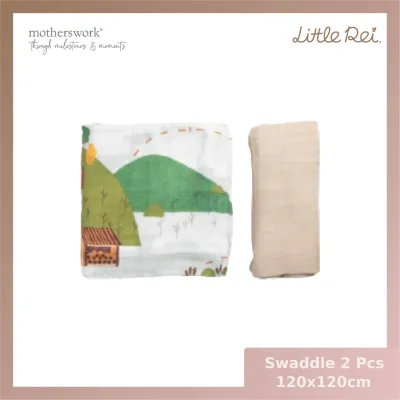
![[3 for $11.9] Muslin Bamboo Cotton Baby Wrap Newborn Swaddle Blanket Cover Bath Towel Soft](https://img.lazcdn.com/g/p/4d4db74a389d7507b22f3bc1d199df0c.jpg_400x400q80.jpg_.webp)
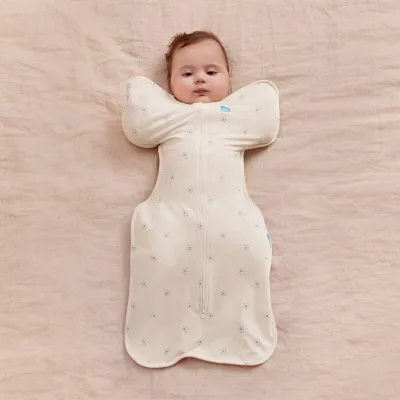
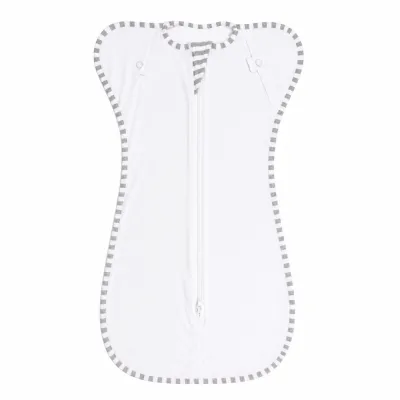
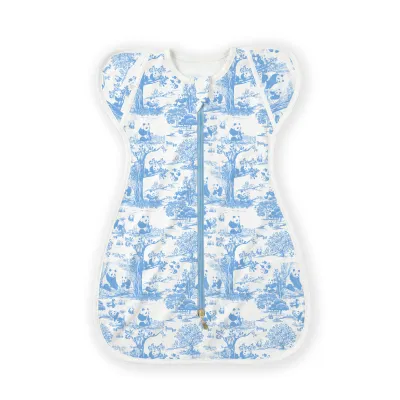
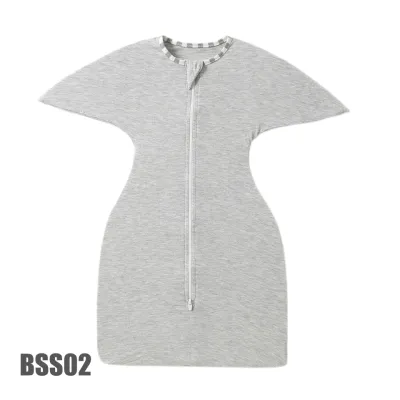
Prices are valid at publication and may change. Please refer to the product page for the latest price.
Verifying Breathability and Weight on Product Labels
When shopping for swaddles, parents are often inundated with marketing terms like “ultra-breathable” or “featherlight.” To make an informed decision, it is necessary to look past these claims and verify the technical specifications on the product labels. The most reliable indicator of a swaddle’s thermal resistance is its TOG (Thermal Overall Garment) rating. For Singapore’s warm climate, look for swaddles with a low TOG rating, typically between 0.2 and 0.5 TOG. A rating in this range indicates that the fabric is thin and designed specifically for warm rooms, allowing excess body heat to escape easily.

Another physical metric to check is the fabric weight, measured in GSM (Grams per Square Meter). A lower GSM indicates a lighter, thinner fabric. For tropical swaddling, fabrics with a GSM of 100 to 150 are generally ideal. You can also perform a simple physical check by holding the swaddle up to a light source. A highly breathable fabric will have a visible, open weave with tiny gaps between the threads, allowing light—and consequently, air—to pass through easily. Tightly woven fabrics, even if made of natural fibers, will restrict airflow and should be avoided.
Additionally, check the product tags for reputable safety and environmental certifications. Certifications such as OEKO-TEX Standard 100 verify that the fabric has been tested for harmful substances and is safe for contact with sensitive infant skin. While these certifications do not measure breathability directly, they ensure that the lightweight materials you choose are free from chemical residues that could cause skin irritation or respiratory discomfort in a humid environment.
Comparing Popular Swaddle Fabrics for Humid Conditions
Cotton muslin is widely considered a staple for tropical climates due to its unique plain weave. This construction technique involves weaving threads loosely over and under each other, creating a highly porous fabric that maximizes airflow. Cotton is naturally durable and can withstand the frequent washing cycles required for baby items. However, cotton muslin does have some trade-offs. It is prone to shrinkage if washed in hot water, and some lower-quality muslin blankets can feel stiff or rough initially. Parents should check the tightness of the weave; a muslin that is too loosely woven may lose its shape quickly, while one that is too tight will compromise breathability.
Bamboo-derived viscose or rayon has grown in popularity as an alternative to traditional cotton. This fabric is exceptionally soft, smooth, and cool to the touch, making it highly comfortable for a baby’s sensitive skin. Bamboo fibers possess excellent moisture-wicking properties, pulling sweat away from the body and allowing it to evaporate more quickly. The primary drawback of bamboo viscose is its delicate nature. It requires strict adherence to care labels, often needing cold, gentle wash cycles and line drying to prevent pilling or stretching. Furthermore, bamboo fabric tends to retain water longer during the washing process, which can prolong drying times in humid weather.
Blended fabrics, such as a cotton-bamboo mix, attempt to combine the durability of cotton with the softness and moisture-wicking properties of bamboo. These blends often provide a practical middle ground for parents looking for easy maintenance without sacrificing comfort. On the other hand, pure synthetic materials like polyester, nylon, or fleece should generally be avoided for swaddling in Singapore. Synthetic fibers are hydrophobic, meaning they do not absorb moisture, and their tight structures trap heat close to the body. The only exception is specialized, high-performance athletic mesh fabrics used in some modern swaddle designs, which must be verified for safety and airflow before use.
Monitoring Your Baby for Overheating and Safe Sleep
Even with the most breathable swaddle material, parents must actively monitor their baby for signs of overheating. A baby’s hands and feet are poor indicators of their core body temperature, as peripheral circulation is still developing and these areas often feel cool. Instead, check the baby’s temperature by placing your hand on the back of their neck or on their chest. If the skin feels hot, damp, or sweaty, the baby is too warm. Other physical signs of overheating include flushed cheeks, rapid breathing, restlessness, or the sudden appearance of a heat rash.
Adjusting the baby’s base clothing layers underneath the swaddle is crucial for maintaining a safe sleeping temperature. In a room cooled by air conditioning to a standard 22°C to 24°C, a lightweight 0.5 TOG swaddle paired with a short-sleeve cotton onesie is usually sufficient. In a non-air-conditioned room where temperatures may hover around 26°C or higher, the baby may only need a diaper underneath a highly breathable 0.2 TOG muslin swaddle. Always adjust the layers based on the actual room temperature rather than a fixed rule.
It is also important to recognize when to transition away from swaddling entirely. Regardless of the climate, swaddling must be discontinued as soon as the baby shows any signs of attempting to roll over. This developmental milestone typically occurs between two and four months of age. Once a baby can roll, a swaddle restricts their arms, preventing them from pushing themselves up if they roll onto their stomach, which poses a severe safety hazard. At this stage, transitioning to a loose sleeping garment or a sleeveless sleep sack is necessary.
Caring for Swaddle Blankets in Damp Environments
Singapore’s consistently high humidity levels make laundry care a critical aspect of maintaining swaddle hygiene. Damp environments slow down the drying process, which can lead to the development of a musty, sour odor caused by bacteria and mold. To prevent this, always check the care labels on your swaddles for the maximum safe washing temperature. While hot water is effective at killing bacteria, it can degrade delicate bamboo fibers or shrink cotton muslin. A warm wash with a gentle, fragrance-free laundry detergent is typically the best compromise for maintaining hygiene without damaging the fabric.
Thorough drying is essential to prevent mold and mildew growth. Whenever possible, line-dry swaddles in a well-ventilated area with direct sunlight, as UV rays act as a natural disinfectant. During rainy periods or high-humidity days, indoor drying requires strategic planning. Place your drying rack in a room with a ceiling fan or a standing fan to keep air circulating around the wet fabric. Using a dehumidifier in the drying room can significantly accelerate the process and prevent moisture from lingering in the fibers.
Regularly inspect your baby’s swaddles for any signs of fabric degradation or mildew. Mildew often appears as tiny, persistent black or grey spots that do not wash out, accompanied by a damp, earthy smell. Because mold spores can trigger respiratory issues or allergic reactions in infants, any swaddle showing signs of mildew must be discarded immediately. Additionally, check for frayed edges, loose threads, or failing fasteners, as these can become wrapping hazards or cause skin irritation during sleep.
Frequently Asked Questions (FAQ)
Using Standard Receiving Blankets vs. Dedicated Swaddles
Standard receiving blankets are typically made of cotton flannel, which is a brushed fabric designed to retain heat. While useful for general purposes, flannel is often too warm and heavy for safe swaddling in Singapore’s climate. Furthermore, standard blankets lack the natural stretch found in modern swaddle wraps or knit fabrics. This lack of elasticity makes it difficult to secure the swaddle properly; parents may wrap the baby too tightly, which can restrict chest expansion and hip movement, or too loosely, creating a risk of the blanket unraveling and covering the baby’s face. Dedicated swaddles, such as adjustable wraps with secure fasteners or zip-up swaddle sacks, are designed to fit snugly while allowing natural hip movement and ensuring that no loose fabric can pose a suffocation hazard.
Managing Room Cooling and Airflow Safely
When using fans or air conditioning to cool your baby’s sleep environment, proper placement is key to safety. Avoid positioning fans or air conditioning units so that the air blows directly onto the baby’s cot, as continuous direct drafts can cause rapid cooling or dry out their sensitive nasal passages. Instead, direct fans toward a wall or ceiling to create gentle, indirect air circulation throughout the room. Use a reliable digital room thermometer placed near the cot to monitor the actual ambient temperature, and adjust your baby’s swaddle and clothing layers accordingly to ensure they remain in a comfortable, safe thermal zone.

Community discussion
Share your experience or ask a question. Comments are reviewed before publication.