
Quick Answer: Which Material is Best for Daily Worship?
Choosing the ideal material for a Green Tara statue depends on your daily worship environment, budget, and maintenance preferences. There is no single universal option that suits every home altar. Instead, the decision rests on balancing physical durability with aesthetic preferences.
Bronze statues represent the most traditional choice, offering exceptional longevity and a substantial, grounded weight that suits permanent altars.
Resin statues provide a highly detailed, lightweight, and budget-friendly alternative, making them excellent for modern shelves or temporary setups.
Products mentioned in this guide
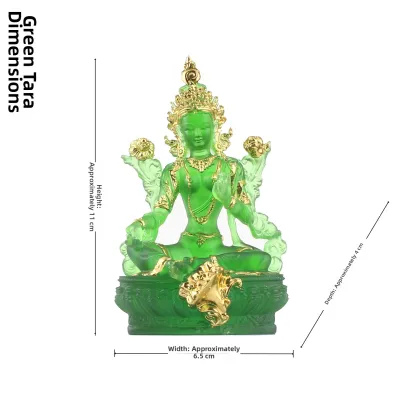
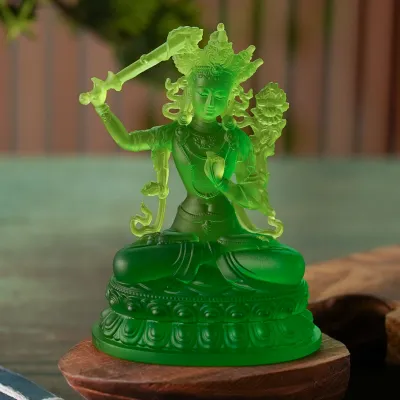
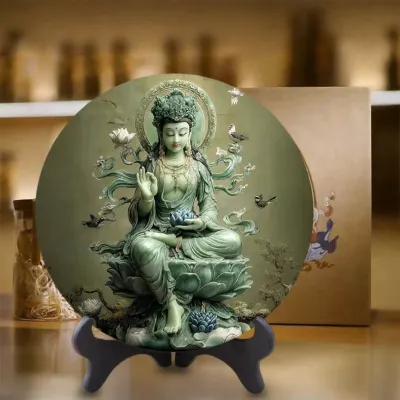
Prices are valid at publication and may change. Please refer to the product page for the latest price.
Wood statues offer a warm, natural aesthetic with unique grain patterns, though they require careful environmental management to protect them from humidity.
By evaluating your specific altar space and daily routine, you can select a material that supports your spiritual practice for years to come.
Comparing Bronze, Resin, and Wood for Green Tara Statues
When selecting a Green Tara statue for a home prayer altar, comparing materials involves looking beyond surface aesthetics. You must evaluate how each material performs across key criteria: durability, weight, aesthetic aging, and cost. It is important to remember that material names alone do not guarantee quality. You should always verify the specific craftsmanship, casting methods, and protective finishes used by the manufacturer before making a purchase.

Bronze Green Tara Statues
Bronze has long been favored for sacred art due to its enduring strength and classic presence. On a prayer altar, a bronze Green Tara statue provides a reassuring sense of stability. Because bronze is heavy, it is highly resistant to accidental tipping during daily offerings or cleaning. However, this weight requires a sturdy, well-supported altar surface, such as a solid wood table or a reinforced wall shelf.
Over time, bronze undergoes a natural oxidation process, developing a unique patina. For many practitioners, this gradual darkening or shifting of color adds to the statue’s spiritual character, reflecting the passage of time and years of devotion. If you prefer a bright, polished look, you will need to perform periodic polishing.
Acquiring a high-quality bronze statue typically requires a higher initial financial investment. When shopping, it is wise to check the manufacturer’s specifications regarding the metal alloy composition. Some statues are cast in pure bronze, while others may use brass or copper alloys with different surface treatments. Understanding the exact composition helps you anticipate how the metal will react to your local environment and handling.
Resin Green Tara Statues
Resin has emerged as a highly practical and accessible material for modern home altars. Made from synthetic polymers, resin statues are exceptionally lightweight. This makes them easy to reposition, pack for travel, or place on delicate floating shelves that cannot support the heavy load of cast metal.
One of the primary advantages of resin is its ability to capture intricate details. Molded resin can replicate complex iconographic features of Green Tara, such as the delicate folds of her robes, her jewelry, and the lotus petals of her throne, with remarkable precision. These statues are often painted by hand, offering vibrant colors that bring the deity’s visualization to life.
However, painted resin finishes require gentle handling. The colors can fade if exposed to direct sunlight over extended periods, and the paint may chip or wear away with frequent touching. While resin is highly budget-friendly, you should inspect the product details for smooth molding lines and verify that the manufacturer uses non-toxic, durable paint labels to ensure a safe and long-lasting addition to your home.
Wood Green Tara Statues
Wooden Green Tara statues bring a warm, organic, and deeply natural aesthetic to a prayer space. Each hand-carved wooden statue is entirely unique, displaying distinct grain patterns and natural color variations that synthetic materials cannot replicate. This natural warmth can create a serene, grounding atmosphere during daily meditation and chanting.
However, wood is highly sensitive to its surrounding environment. In humid climates, such as Singapore’s tropical environment, unsealed wood can absorb moisture from the air. This absorption can lead to warping, cracking, or the growth of mold. To prevent these issues, it is essential to verify that the wooden statue has been properly sealed with a protective varnish and treated to resist termites and other wood-boring pests.
Additionally, wood has distinct acoustic and tactile properties. Placing offerings, such as water bowls or metal incense burners, near a wooden statue requires care to avoid water rings or heat damage. When selecting a wooden statue, always check the product specifications to identify the specific type of wood used—such as sandalwood, cedar, or boxwood—as different woods have varying densities, natural scents, and resistance to environmental wear.
Key Decision Factors for Your Prayer Altar
Integrating a Green Tara statue into your daily worship routine requires looking at how the material interacts with your physical space and lifestyle.
Altar Space and Weight Limits: Before purchasing, measure your altar table or shelf and check its weight capacity. A large bronze statue can weigh several kilograms, which may bow or damage lightweight floating shelves. If your altar is integrated into a modern, wall-mounted cabinet, a lightweight resin or wood statue is often a safer choice to prevent structural strain.
Climate and Placement: Consider the microclimate of your prayer room. If the altar is located near a window with direct sunlight, resin paint may fade, and wood may dry out and crack. If the room experiences high humidity without regular air circulation, wood is susceptible to mold. Ensure your chosen material matches the environmental conditions of its specific placement.
Handling and Cleaning Frequency: Reflect on how often you plan to handle the statue. If your daily worship involves bathing the statue or touching it during prayers, bronze is the most resilient option. Resin and wood do not tolerate frequent moisture or heavy handling well. If you prefer a low-maintenance routine where the statue is only dusted occasionally, resin or sealed bronze is highly suitable.
Budget and Longevity: Balance your immediate budget with your long-term expectations. Bronze statues are heirloom-quality pieces that can last for generations, justifying their higher upfront cost. Resin offers an affordable entry point for those beginning their practice or working with a limited budget. Wood sits in the middle, offering artisanal value that rewards careful preservation.
Care and Maintenance by Material
Proper maintenance ensures your Green Tara statue remains a beautiful focal point for daily worship.
Dusting and Cleaning: Regardless of the material, avoid using harsh chemical cleaners, abrasive pads, or excessive water. For daily dust removal, use a soft, dry makeup brush or a clean microfiber cloth. This gently lifts dust from intricate crevices without scratching the surface. For bronze, a dry cloth is usually sufficient. For sealed wood and resin, a slightly damp cloth can be used occasionally, followed immediately by a dry cloth to prevent moisture from lingering.
Handling Incense and Offerings: Incense smoke and ash are common elements of daily worship, but they can leave a residue on your statue. Position your incense burner far enough from the statue to prevent direct heat and heavy soot accumulation. If water, fruit, or flower offerings are placed on the altar, ensure they do not touch the base of the statue, as standing water can stain bronze, warp wood, and damage resin paint.
When to Stop and Consult: If you notice signs of structural damage, stop cleaning and consult a professional. For wooden statues, look out for fine cracks, white mold, or tiny holes indicating pest activity. For resin, watch for peeling paint or sticky surfaces. For bronze, green powdery spots (bronze disease) require professional attention. In these cases, contact the manufacturer or a qualified art restorer before attempting any DIY repairs.
Decision Framework: Which Material Should You Choose?
To finalize your decision, use this conditional framework to match your circumstances to the right material:
- Choose Bronze if: You want an heirloom-quality statue with a traditional, heavy feel, have a sturdy altar surface, and are willing to invest more upfront for a material that lasts indefinitely.
- Choose Resin if: You are looking for a highly detailed, colorful, and budget-friendly statue that is lightweight and easy to move, and you can place it away from direct sunlight.
- Choose Wood if: You appreciate natural craftsmanship, prefer a warm and organic aesthetic, and can maintain a stable indoor environment protected from extreme humidity and direct moisture.
- Verify First if: Your altar shelf has strict weight limits, or if you live in an exceptionally humid area without climate control, as these factors will immediately rule out certain weights and unsealed materials.
Frequently Asked Questions (FAQ)
Can I place a Green Tara statue in a room with an air conditioner?
Yes, but you must take precautions. Air conditioners lower both temperature and humidity, which can cause rapid environmental fluctuations when turned on and off. This cycle of drying and cooling can cause wood to contract and crack over time, and it may stress the painted finishes on resin. To protect your statue, place it away from direct air vents and drafts where the temperature changes are most extreme.
How do I safely clean incense ash off my statue?
To clean incense ash safely, use a soft, dry makeup brush or a dedicated electrostatic duster. Gently sweep the brush over the statue’s details to lift the ash without pressing it into the surface. Avoid using wet wipes, liquid spray cleaners, or damp cloths directly on loose ash, as moisture can turn the ash into a paste that stains wood grain or damages the delicate paint on resin statues.

Community discussion
Share your experience or ask a question. Comments are reviewed before publication.