
When buying a brass diya for your prayer altar, you must evaluate three primary dimensions: material authenticity, structural safety, and design suitability for your daily worship routine. A genuine brass diya serves as a durable, sacred centerpiece, but the market contains many lightweight, plated alternatives that degrade quickly under heat. By carefully checking the weight, base stability, heat clearance, and ease of cleaning, you can select a vessel that safely supports your spiritual practices while maintaining its luster over years of daily use.
Understanding Brass Quality and Authenticity
Solid brass is an alloy of copper and zinc, known for its substantial weight, warm golden hue, and excellent heat resistance. When evaluating a diya, the physical weight is one of the most immediate indicators of quality. A solid brass piece feels surprisingly heavy for its size, whereas brass-plated steel, zinc, or aluminum alternatives feel noticeably light and hollow.
The visual appearance of genuine brass is rich and deep, often showing subtle, natural variations in color. Over time, authentic brass undergoes natural oxidation, developing a soft, muted patina when exposed to air and moisture. In contrast, brass-plated items often exhibit an unnaturally bright, uniform, almost mirror-like yellow shine that looks painted or chemically sealed. This artificial coating can crack, peel, or blister when subjected to the high temperatures of a burning wick.
Products mentioned in this guide
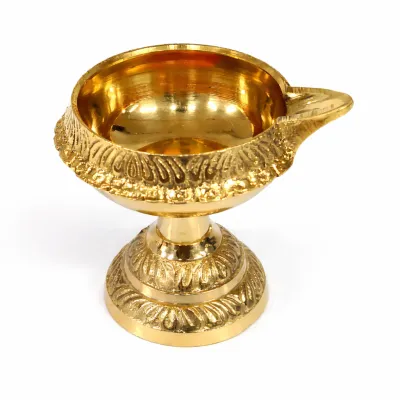
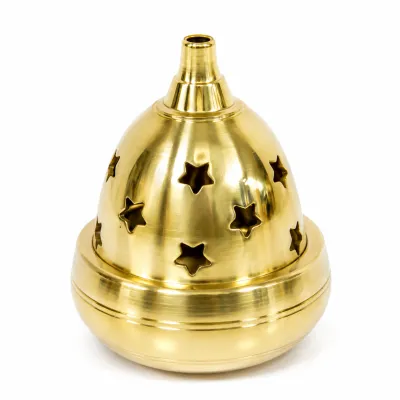
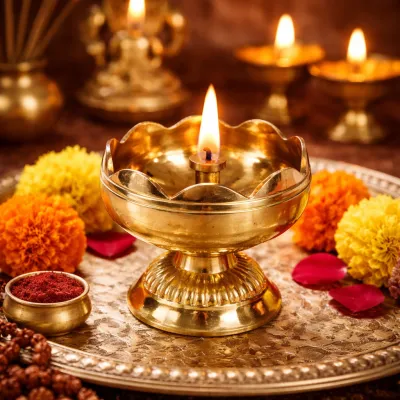
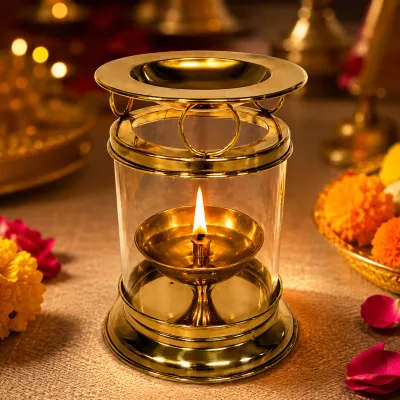
Prices are valid at publication and may change. Please refer to the product page for the latest price.
To verify material claims, always inspect the product labels, manufacturer specifications, or artisan descriptions. Reputable sellers will explicitly state “solid brass” or “cast brass” rather than using ambiguous terms like “brass finish,” “gold-toned alloy,” or “metallic lacquer.” If you are purchasing from an artisan or specialized store, ask about the casting process, as sand-cast brass typically offers superior density and durability compared to thin, stamped sheet metal.
Another visual check involves looking closely at the joints, seams, and underside of the diya. On plated items, you may notice tiny bubbles, uneven plating thickness, or areas near the edges where the silver-colored base metal is starting to show through. Authentic cast brass is solid throughout, meaning any scratches or wear points will simply reveal more of the same golden metal underneath, rather than a contrasting grey or silver core.
Matching Diya Size and Design to Your Altar Space
Before purchasing a brass diya, it is essential to measure your prayer altar space to ensure a safe and harmonious fit. Consider not only the physical footprint of the diya’s base but also the vertical and lateral clearance required for heat dissipation. Burning oil or ghee generates significant heat, which can damage low-hanging wooden shelves, delicate wall hangings, or nearby religious pictures if the diya is too large or placed too close to surrounding objects.

The choice between a single-wick and a multi-wick design depends heavily on your daily worship routine and the time you allocate to rituals. Single-wick diyas are ideal for daily, extended burning because they consume oil or ghee at a slower, more manageable rate. Multi-wick designs, often used for festive occasions or specific prayers, create a larger, more brilliant flame but consume fuel rapidly and generate substantially more heat, requiring constant monitoring.
You must also evaluate whether an open or lidded design suits your home environment. Open diyas are traditional and allow for easy wick adjustment and oil replenishment, but they are highly susceptible to drafts from open windows, ceiling fans, or air conditioning units. If your altar is located in a drafty area, a diya with a protective glass chimney or a semi-closed dome design can help stabilize the flame, prevent flickering, and reduce the risk of hot oil splattering.
Additionally, consider the height of the diya in relation to your eye level when kneeling or standing at the altar. A taller pedestal diya makes a striking focal point but requires a stable, flat surface free from accidental bumps. Smaller, low-profile diyas are more versatile and can be easily rearranged, making them highly suitable for compact apartment altars where space is at a premium.
Evaluating Craftsmanship and Safety Features
Safety is paramount when dealing with open flames and hot oil on a prayer altar. A high-quality brass diya must feature excellent base stability and balanced weight distribution. The base should be wide and heavy enough to prevent the diya from tipping over if the altar is accidentally nudged or if a heavy wick pulls the balance forward. Avoid top-heavy designs that wobble when touched.
Carefully inspect the physical craftsmanship of the diya, paying close attention to the smoothness of the edges and the structural integrity of any handles, spouts, or decorative extensions. Sharp, unfinished metal edges can cause cuts during cleaning, while poorly welded handles or chains on hanging diyas pose a severe risk of structural failure. If the diya features a handle, it should be securely integrated into the main body and designed to remain cool enough to touch even when the lamp is lit.
If you choose a suspended or hanging brass diya, ensure it is anchored securely to a ceiling hook or wall bracket capable of supporting the weight of the heavy metal and hot oil. For complex installations or mounting into concrete ceilings, consult a qualified professional to prevent the risk of falling hazards.
The design of the wick spout or groove is another critical safety detail. The groove should hold the cotton wick securely in place, preventing it from slipping down into the oil reservoir, which could extinguish the flame or cause a sudden flare-up. A well-designed spout also prevents oil from dripping down the outer sides of the diya, keeping your altar clean and reducing the risk of fire hazards.
Because brass is an excellent conductor of heat, the entire body of the diya will become extremely hot during use. To protect delicate wooden, marble, or glass altar surfaces from heat damage, discoloration, or cracking, always place the diya on an external heat-resistant mat, metal tray, or stone coaster. When handling a hot diya, use appropriate heat-resistant tools or wait until the metal has completely cooled before attempting to move or clean it.
Maintenance and Cleaning Considerations Before Buying
The amount of effort you are willing to invest in regular maintenance should directly influence the style of brass diya you choose. High-polish brass diyas offer a brilliant, reflective gold appearance that beautifully amplifies the flame’s light, but they require frequent polishing to prevent tarnishing, fingerprints, and oil stains from dulling the surface. If you prefer a low-maintenance option, consider an antique, brushed, or matte finish, which naturally hides minor blemishes and oxidizes more gracefully.
Intricate, highly detailed carvings and deep crevices look stunningly traditional, but they present a significant cleaning challenge. Over time, burnt wick residue, soot, and solidified oil or ghee will accumulate in these hard-to-reach areas, requiring meticulous scrubbing with fine brushes. If you want a quick and straightforward cleaning routine, opt for a diya with smooth, flowing lines and minimal ornamentation.
Some modern brass diyas are designed with removable parts, such as a detachable oil cup, a screw-on pedestal, or a removable wick holder. These modular designs make deep cleaning incredibly easy, as you can disassemble the components to wash away stubborn oil residue without having to maneuver the entire heavy structure. Ensure that any threaded connections are precisely machined and fit tightly to prevent oil from leaking through the joints during use.
Sourcing Authentic Brass Diyas and Verifying Sellers
Finding an authentic brass diya requires careful selection of where you shop. Specialized religious decor stores, local temple shops, and dedicated artisan platforms are generally more reliable than generic online marketplaces, as they specialize in sourcing genuine cultural items. When shopping in physical stores in Singapore, you have the advantage of physically lifting the diya to assess its weight and inspecting the metal quality firsthand.
If you choose to shop online, protect yourself by thoroughly reviewing the seller’s policies, return conditions, and material guarantees. Look for sellers who offer clear return policies if the product delivered does not match the advertised material specifications. Avoid listings that use generic stock photos; instead, seek out sellers who provide detailed, high-resolution product photos showing the item from multiple angles, including the underside and interior of the oil reservoir.
Do not hesitate to contact the seller to request specific details, such as the exact weight of the diya in grams and confirmation of its material composition. Comparing prices across different platforms can also help you spot red flags; if a large, highly decorative diya is priced suspiciously low in S$, it is highly likely to be a lightweight brass-plated alloy rather than solid cast brass. Investing in a genuine, high-quality piece from a reputable source ensures your diya will remain a safe and beautiful part of your altar for generations.
Frequently Asked Questions (FAQ)
How can I tell if a diya is solid brass or brass-plated?
A simple, non-destructive way to check authenticity is the magnet test. Pure brass is non-magnetic, so a strong magnet will not stick to it. If the magnet clings firmly to the diya, the item is likely made of iron or steel with a thin brass plating. Additionally, inspect high-wear areas, such as the bottom of the base or the edges of the wick groove, for any scratches that reveal a silver or grey metal underneath. You can also gently tap the diya with a wooden spoon; solid cast brass typically produces a deep, rich, ringing resonance, whereas plated sheet metal or zinc alloys produce a dull, flat thud.
What is the best oil to use in a brass diya for daily worship?
Traditional choices for daily worship include sesame oil (gingelly oil) and clarified butter (ghee), both of which are highly favored for their clean burn and pleasant aroma. Sesame oil burns steadily with minimal soot, making it excellent for keeping your brass diya clean. Ghee provides a bright, sacred flame but tends to solidify in cooler temperatures and can leave a thicker residue that requires more frequent cleaning. Avoid using low-quality synthetic oils or oils with artificial additives, as these produce heavy black soot that quickly tarnishes the brass and stains your altar surroundings. Always refer to traditional guidelines or any specific manufacturer instructions for your particular diya design.
How do I prevent my brass diya from tarnishing quickly?
To minimize tarnishing, establish a regular routine of wiping away oil residue and soot as soon as the diya has completely cooled after use. Leaving old oil or ghee in the reservoir for extended periods accelerates oxidation and stains the metal. Clean the diya using mild, non-abrasive dish soap, warm water, and a soft microfiber cloth, avoiding harsh steel wool or abrasive scrubbing pads that can scratch the brass. For periodic deep cleaning, traditional natural mixtures like tamarind paste, lemon juice mixed with salt, or specialized brass polishing creams can restore the shine. When storing the diya for long periods, ensure it is completely dry and wrap it in a soft, acid-free paper or cloth, keeping it in a dry, low-humidity environment.

Community discussion
Share your experience or ask a question. Comments are reviewed before publication.