
The choice between the Casio TQ-143 and the Casio AQ-230 depends on whether you prefer a traditional, single-purpose analog table clock or a compact, multi-functional dual-display timepiece for your bedside. The TQ-143 offers a classic analog dial designed purely for stationary nightstand use, while the AQ-230 features a dual analog-digital display with advanced timekeeping functions that can serve as a highly portable personal timekeeper. To find the right fit for your bedroom, you must evaluate their physical footprints, display readability in total darkness, alarm configurations, and how their distinct interfaces align with your daily waking routine.
Core Hardware and Display Differences to Verify
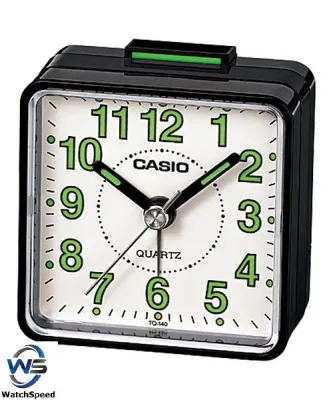
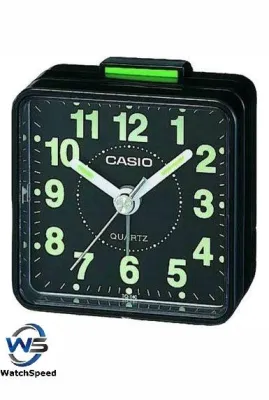
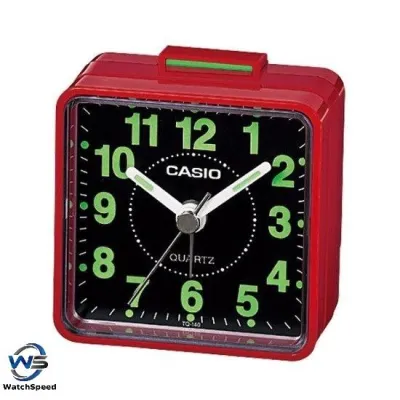
To make an informed decision, you must first understand the physical and visual architecture of these two timepieces. The Casio TQ-143 is designed from the ground up as a dedicated tabletop alarm clock. It features a prominent, easy-to-read analog face with physical hands indicating the hours, minutes, and seconds. This classic layout is highly intuitive, allowing you to glance at your nightstand and instantly gauge the time without processing digital numbers. The physical casing is typically constructed from lightweight yet durable plastics, featuring a stable, flat base that prevents it from tipping over when you reach for it in the dark.
In contrast, the Casio AQ-230 represents a completely different design philosophy. It is a dual-display, or “ana-digi,” timepiece. This means it combines a traditional analog dial with physical hands on the upper portion of the face and a small, rectangular liquid crystal display (LCD) window at the bottom. This hybrid layout is designed to offer the aesthetic appeal of an analog watch face alongside the precise functionality of a digital screen. Because the AQ-230 is fundamentally styled as a compact personal timepiece, its physical footprint is exceptionally small. If you plan to use it as a permanent bedside clock, you will need to verify if its compact size and lightweight profile suit your nightstand setup, as it lacks the heavy, wide base of a traditional table clock.
Products mentioned in this guide
![[Powermatic] CASIO TQ-140-1B MINI TRAVELLERS BEEPER SOUND ALARM TABLE CLOCK](https://img.lazcdn.com/g/p/127da21fd62f01c85f6d095258e86296.jpg_400x400q80.jpg_.webp)
![[Watchspree] Casio Alarm Clock DQ541-1R DQ-541-1R](https://img.lazcdn.com/g/p/c3c63358f216fae7c313b2c2491b36aa.jpg_400x400q80.jpg_.webp)
Prices are valid at publication and may change. Please refer to the product page for the latest price.
Power delivery is another critical hardware factor to verify before making your purchase. The TQ-143 operates entirely on standard dry-cell batteries, typically requiring a single AA battery. This makes it completely independent of your home’s electrical grid, ensuring that your clock remains operational even during local power outages or electrical maintenance. The AQ-230, utilizing a highly efficient digital-analog quartz movement, is powered by a small button-cell battery. While button cells offer long lifespans due to the low power consumption of the movement, they require specific tool-assisted replacement when they eventually run out. Always check the manufacturer’s specifications on the packaging to confirm the exact battery type required and the expected operational lifespan for the specific module version you are considering.
Nighttime Readability and Sleep Environment Impact
A bedroom clock must balance clear visibility with a dark, restful sleeping environment. The way a clock displays the time in total darkness can significantly affect your sleep quality. The Casio TQ-143 relies on passive illumination features. Many versions of this analog clock feature luminous paint on the hands and hour markers. This paint absorbs ambient light during the day and emits a soft, fading glow in the dark. This passive glow is highly beneficial for sleepers who are sensitive to light pollution, as it does not emit active glare or illuminate the surrounding room. However, because the glow naturally fades over several hours, you may find it difficult to read the time in the early hours of the morning without turning on a bedside lamp.

The Casio AQ-230, with its dual-display layout, handles nighttime visibility differently depending on the specific module revision. Some dual-display models feature a micro-light or an electro-luminescent backlight that can be activated by pressing a physical button on the side of the casing. This active illumination provides a brief, highly legible view of the digital screen or the analog dial, allowing you to read the exact time instantly regardless of how long the room has been dark. Because the light only activates when prompted, it keeps your bedroom completely dark during your sleep cycle, preventing the constant, disruptive glow associated with always-on digital LED clocks.
When comparing these two approaches, consider your personal waking habits and visual comfort. If you prefer a completely dark bedroom but want the ability to check the time instantly with a button press, a model with an active backlight is highly advantageous. If you prefer a completely silent, button-free experience where you can simply open your eyes and see a faint, non-glaring indication of the time, the passive luminous hands of a traditional analog clock like the TQ-143 may be more suitable. Always verify the exact illumination specifications of the specific model number you are purchasing, as some basic versions of both models may lack backlighting or luminous paint entirely.
Alarm Features and Waking Experience
The primary function of any bedside clock is to wake you reliably, and the auditory and functional differences between these two models are substantial. The Casio TQ-143, as a dedicated table alarm clock, is engineered specifically for this task. It typically features an electronic beeping alarm that is designed to be clear and persistent. Some versions may offer a progressive alarm volume or a repeating pattern that ensures you are gently but firmly nudged awake. The physical alarm switch is usually located on the top or back of the casing, making it easy to find and toggle with a simple slide or press.
The Casio AQ-230 utilizes a digital alarm module integrated into its quartz movement. The alarm sound is typically a high-pitched electronic buzzer or a series of rapid beeps emitted from a small internal speaker. Because the device is highly compact, the maximum volume level may be lower than that of a dedicated, larger table clock. This makes the AQ-230 highly suitable for light sleepers or those who prefer a less jarring wake-up call, but it may not be loud enough for heavy sleepers. Additionally, setting the alarm on the AQ-230 requires navigating the digital menu using the small buttons on the side of the casing, which allows you to set the alarm to the exact minute but requires more steps than turning a physical dial.
Snooze functionality is another critical aspect of the waking experience. Dedicated bedside clocks like the TQ-143 often feature a large, easily accessible snooze button on the top of the unit. When the alarm sounds, you can easily tap this button to temporarily silence the alarm for a few minutes. The AQ-230, due to its compact and multi-functional design, may not feature a traditional snooze function, or it may require a specific button combination to snooze rather than fully deactivate the alarm. If you rely heavily on a snooze cycle to wake up gradually, you should carefully review the user manual or product specifications for the exact model version to ensure it supports this feature in a way that fits your morning routine.
Secondary Features and Daily Nightstand Utility
Beyond telling the time and waking you up, secondary features can either enhance your daily routine or add unnecessary clutter to your nightstand. When evaluating these clocks, it is important to check which extra functions are genuinely useful for your lifestyle. For instance, some modern bedroom clocks come equipped with environmental sensors to measure room temperature and humidity. Neither the standard TQ-143 nor the AQ-230 includes built-in thermometers or hygrometers. If monitoring your bedroom’s climate is essential—especially in humid tropical environments where air conditioning adjustments are common—you will need to supplement these clocks with a dedicated environmental monitor.
The Casio AQ-230 excels when it comes to digital utility and calendar features. Its small LCD screen can display the current date, day of the week, and even a second time zone (dual time). This is incredibly convenient for planning your day as soon as you wake up, or for keeping track of schedules in another country if you have family or business partners abroad. The digital module also includes a basic stopwatch and hourly time signal capabilities. While these features are highly practical for travel or active daily wear, they may be redundant if the clock is destined to remain permanently on a stationary bedside table.
The Casio TQ-143, by contrast, focuses entirely on simplicity. It does not feature a calendar, dual time zones, or stopwatches. This lack of secondary features is a deliberate design choice that appeals to those who want a minimalist nightstand free from digital distractions. There are no menus to navigate, no icons to decode, and no risk of accidentally activating a stopwatch when you meant to set your alarm. By keeping the interface strictly limited to timekeeping and alarm functions, the TQ-143 provides a highly reliable, distraction-free experience that promotes a calm, technology-free bedroom environment.
How to Choose the Right Casio Clock for Your Routine
Selecting the right clock comes down to matching your specific daily habits, aesthetic preferences, and nightstand space with the verified features of each model.
You should choose the Casio TQ-143 if you prioritize a traditional, dedicated bedside clock with a highly visible analog face. This model is ideal for those who want a simple, tactile interface where setting the alarm is as easy as turning a physical dial. Its stable tabletop design sits securely on any nightstand, and its passive luminous hands provide a soft, non-disruptive way to check the time in the middle of the night without exposing your eyes to harsh digital glare.
You should choose the Casio AQ-230 if you prefer a highly compact, multi-functional timepiece that offers digital precision alongside an analog display. This model is perfect for those who appreciate the utility of a built-in calendar, dual-time tracking, and highly precise digital alarm settings. Its small footprint makes it an excellent choice for minimalist setups or travel, provided you are comfortable navigating its button-based menu system.
Neither model may fit your needs if you require advanced modern features such as smart home integration, wireless phone charging, app-controlled alarm schedules, or a sunrise simulation light that wakes you up with gradual illumination. If these advanced features are essential for your morning routine, you should explore specialized smart alarm clocks or dedicated wake-up lights.
Before making your final purchase, always verify the exact model number, suffix, and regional specifications on the retailer’s listing. Manufacturers frequently update internal modules, change battery requirements, or alter illumination features across different production batches. Checking these details beforehand ensures that the clock you receive matches your expectations and integrates seamlessly into your bedroom environment.
Frequently Asked Questions (FAQ)
Do these Casio alarm clocks have a battery backup for power outages?
Because both the Casio TQ-143 and the Casio AQ-230 are powered entirely by independent batteries rather than a mains electricity connection, they do not require a battery backup system. They will continue to run, keep accurate time, and sound their alarms even during a complete household power outage. This battery-powered design makes them exceptionally reliable bedside companions compared to plug-in digital clocks, which can reset or fail to wake you up if the power cuts out overnight. Always ensure you replace the batteries promptly when you notice the display dimming or the hands slowing down to maintain this reliability.
Can I turn off the hourly chime on these models?
The Casio TQ-143 is a traditional analog clock and does not feature an hourly chime function, meaning it will remain completely silent throughout the night unless the alarm is actively sounding. The Casio AQ-230, which features a digital module, does include an hourly time signal (chime) option. You can easily disable this chime by entering the alarm setting mode using the side buttons and toggling the chime icon off, as detailed in the user manual. Disabling this feature ensures that your sleep remains completely uninterrupted by hourly alerts.

Community discussion
Share your experience or ask a question. Comments are reviewed before publication.