
Selecting the right ceramic vase for a minimalist home is an exercise in restraint, where the empty space surrounding an object carries as much weight as the object itself. In a minimalist interior, every decor piece must justify its presence through exceptional form, balanced proportions, and a harmonious relationship with the surrounding architecture. A ceramic vase is not merely a container for botanicals; it is a sculptural element that can either anchor a room’s aesthetic or introduce unwanted visual noise. To achieve a cohesive look, you must look past superficial trends and focus on how a vessel’s silhouette, surface texture, and color interact with light and space.
Achieving this balance requires a shift in perspective from decoration to curation. Instead of searching for a vase that demands attention with intricate patterns or bright colors, the goal is to find a piece that complements the existing lines of your home. The ideal minimalist ceramic vase feels integrated into the room, acting as a quiet focal point that invites closer inspection through its subtle textures and refined shape. By understanding the interplay of form, glaze, and scale, you can select vessels that elevate your living space while maintaining a clean, uncluttered environment.
Defining the Minimalist Aesthetic for Ceramic Vases
At its core, the minimalist aesthetic relies on the deliberate use of negative space and visual restraint. In a minimalist room, empty surfaces are not blank spots waiting to be filled; they are active design elements that allow the eyes to rest and appreciate the architecture of the space. When you introduce a ceramic vase into this environment, it must respect this boundary. A vase that is too busy, overly ornate, or cluttered with surface details disrupts the flow of the room, breaking the sense of calm that minimalism aims to cultivate.
Products mentioned in this guide
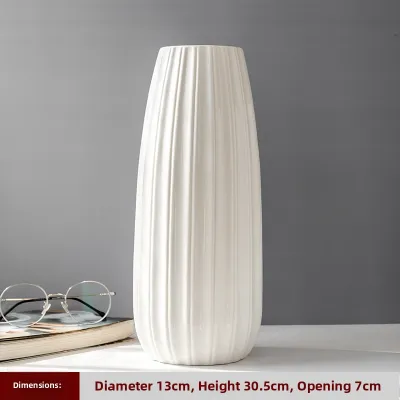
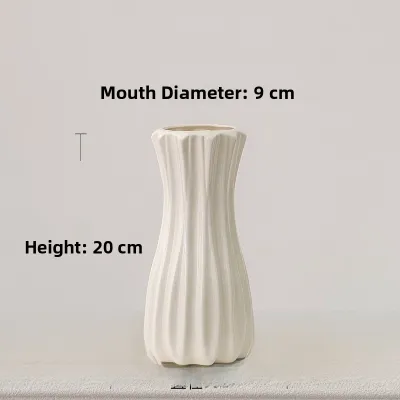
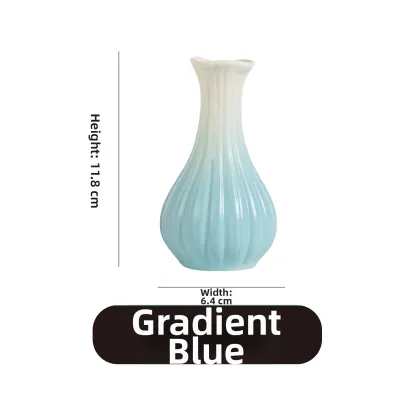
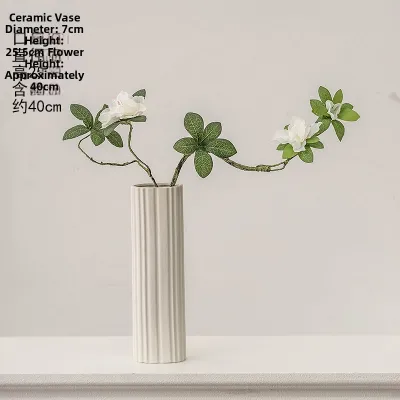
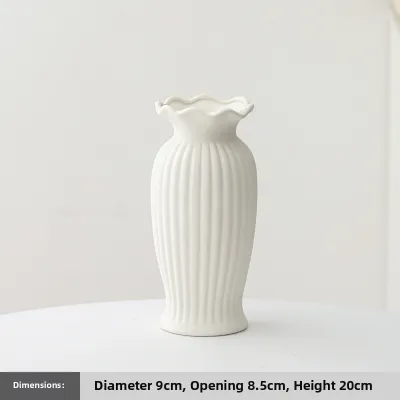
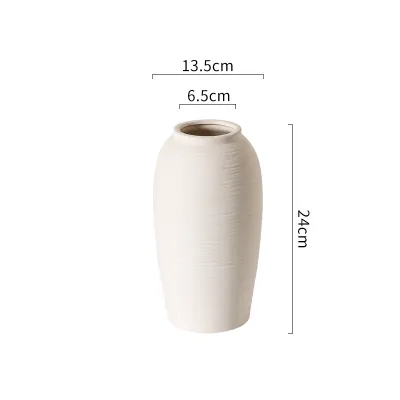
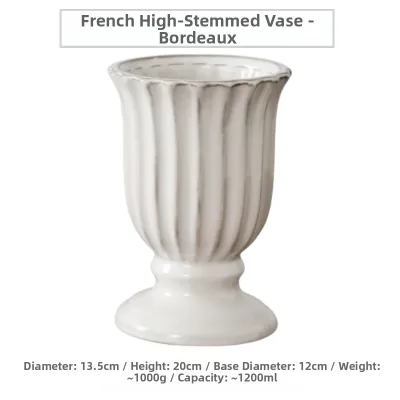
Prices are valid at publication and may change. Please refer to the product page for the latest price.
Clean lines and unembellished surfaces are essential for maintaining this tranquil atmosphere. When a ceramic vase features a smooth, uninterrupted profile, it allows the viewer to appreciate the purity of its form. Without the distraction of painted patterns, relief carvings, or complex handles, the focus shifts to the silhouette of the vessel and the natural quality of the clay. This simplicity does not mean the object is boring; rather, it highlights the craftsmanship of the maker and the subtle variations in the material itself.
Balancing visual weight is another critical consideration when integrating ceramics into a minimalist home. Visual weight refers to how much an object draws the eye, which is determined by its size, color, texture, and complexity. Heavy, ornate details—such as baroque-style handles, high-contrast painted scenes, or heavily crackled glazes—create immense visual weight that can easily overwhelm a clean-lined console table or shelf. Minimalist design favors objects with a balanced visual weight, where interest is generated through elegant proportions and quiet textures rather than loud decorative features.
By prioritizing restraint, you ensure that your ceramic pieces contribute to a sense of spatial harmony. A single, well-chosen vase can convey a powerful design statement through its simplicity alone. When selecting a piece, ask yourself whether its form and surface treatment enhance the quiet atmosphere of your room or compete with it. The most successful minimalist ceramics are those that feel like a natural extension of the space, blending seamlessly with the surrounding walls, furniture, and natural light.
Key Silhouettes and Forms to Consider
To maintain visual calm, you must carefully evaluate the silhouette of a ceramic vase and match it to its intended function. A vase should not only look beautiful on its own but also work harmoniously with whatever you choose to place inside it. For instance, a tall, slender vase with a narrow opening is ideal for supporting a single, dramatic stem or a delicate dried branch, whereas a wide-mouthed vessel is better suited for structured, minimalist floral arrangements. If you plan to display the vase empty as a standalone sculptural object, its silhouette must be strong enough to hold the space without any botanical assistance.

Evaluating the base-to-neck ratio is a practical step that affects both the physical stability and the aesthetic proportion of the vase. A vessel with a wide, heavy base and a gently tapered neck offers excellent physical stability, making it a safe choice for high-traffic areas like entryways or dining tables. Aesthetically, this ratio creates a grounded, stable appearance that feels reassuring and permanent. Conversely, a vase with a narrow base and a flared top can feel top-heavy and visually unstable, which can introduce a subtle sense of tension that conflicts with the relaxed, balanced goals of minimalist design.
Geometric and Architectural Forms
Geometric and architectural forms bring a sense of structure, order, and modern precision to a minimalist interior. Cylindrical, squared, and tapered profiles are particularly effective in contemporary spaces, as they mirror the clean lines of modern furniture and architectural details. A perfect ceramic cylinder, for example, offers an uncompromising simplicity that looks exceptionally sharp on a low-profile sideboard or a floating shelf, providing a clean anchor for the surrounding decor.
Using sharp angles or perfect curves allows you to create deliberate, quiet focal points within a room. A vase with crisp, faceted edges catches light in a highly structured way, creating distinct planes of shadow and highlight that shift gradually throughout the day as natural light moves through the space. Similarly, a perfectly spherical vase or a torus-shaped vessel introduces a mathematical purity that feels incredibly intentional. These structured forms work beautifully in highly organized, modern spaces where every object is placed with geometric precision.
Organic and Wabi-Sabi Inspired Shapes
If geometric minimalism feels too sterile or cold for your taste, organic and wabi-sabi inspired shapes offer a warmer, more inviting alternative. These forms embrace subtle asymmetry, gentle curves, and hand-thrown textures that celebrate the human touch and the natural imperfections of the ceramic process. A vase with a slightly uneven rim, a gentle wobble in its body, or visible throwing rings from the potter’s wheel introduces a sense of life and warmth to a room without compromising the minimalist ethos.
To ensure these organic shapes do not introduce visual chaos, it is important to keep their colors and surface treatments highly subdued. An asymmetrical, hand-formed vase finished in a quiet, matte oatmeal glaze feels grounded, peaceful, and sophisticated. However, if that same irregular shape were finished in a bright, high-gloss color or a busy pattern, it would quickly become distracting. By pairing organic, irregular forms with quiet, neutral finishes, you achieve a perfect balance of rustic warmth and minimalist restraint.
Glaze Finishes and Color Palettes
The surface treatment of a ceramic vase plays a massive role in how it interacts with the light and color palette of your home. Matte, satin, and unglazed raw clay finishes are generally the most successful choices for minimalist interiors. Unlike high-gloss glazes, which reflect light sharply and create distracting hotspots of glare, matte and satin finishes diffuse light softly across the surface of the vessel. This soft diffusion highlights the actual form and contours of the vase, making it feel more tactile, three-dimensional, and integrated into the quiet lighting of a minimalist room.
Unglazed raw clay finishes, such as stoneware bisque or textured terracotta, offer an earthy, tactile quality that brings a touch of nature indoors. These raw surfaces showcase the natural grain, speckling, and color variations of the clay body itself, providing a rich sensory experience without the need for added decoration. In modern apartments where sleek, synthetic materials like glass, metal, and polished lacquer often dominate, the introduction of a raw, textured ceramic vase provides a welcome contrast that grounds the entire design scheme.
When it comes to color, sticking to a neutral palette ensures maximum versatility and longevity. Whites (ranging from chalky plaster to warm cream), greys (from light concrete to deep charcoal), earthy beiges (such as sand, taupe, and oatmeal), and muted blacks are the foundation of minimalist ceramic design. These tones allow the vase to transition effortlessly between different seasons, floral arrangements, and room layouts. A neutral vase does not compete with your furniture or wall colors; instead, it bridges the gap between different elements in the room, creating a cohesive and unified color story.
To maintain visual continuity, it is best to avoid high-contrast patterns, metallic accents, or overly reflective surfaces. Gold-painted rims, bold geometric stripes, and iridescent luster glazes introduce too many competing design languages into a single object. These busy details draw the eye aggressively, disrupting the peaceful flow of a minimalist space. If you want to introduce variety, focus on subtle tonal gradations within a single neutral hue, or choose a glaze with natural, quiet speckling that occurs during the firing process rather than applied surface patterns.
Proportion, Scale, and Placement Guidelines
Even the most beautiful ceramic vase can look out of place if it is not sized and positioned correctly within a room. To maintain spatial harmony, you can apply classic design principles like the rule of thirds and the concept of grouping in odd numbers. When styling a console table, mantel, or deep shelf, avoid placing a single vase directly in the center, which can look stiff and clinical. Instead, try grouping three vessels of varying heights and shapes together, placing them slightly off-center to create a more natural, dynamic balance that feels curated rather than staged.
Leaving adequate negative space around your ceramic pieces is absolutely vital for a minimalist presentation. Do not crowd your vases onto a shelf alongside books, picture frames, and other small knick-knacks. A single, well-proportioned ceramic vase placed on a spacious sideboard often carries far more design impact than a crowded cluster of multiple items. Ensure there is ample breathing room around the object so its silhouette can be fully appreciated from different angles in the room, allowing the vase to exist as a piece of art in its own right.
Matching the height and width of the vase to the scale of the surrounding furniture and the room’s ceiling height is another key step. A tiny bud vase will look lost and insignificant on a large, heavy oak dining table, while an oversized floor vase will overwhelm a compact entryway or a narrow hallway. In typical modern apartments with standard ceiling heights, medium-sized vases ranging from 20 to 35 centimeters in height offer the most versatile proportions for tabletops, sideboards, and shelves. If you are styling a spacious room with high ceilings, look for larger, architectural floor vases that can match the grand scale of the architecture without cluttering the floor plan.
Building Your Shortlist: What to Check Before Buying
Before purchasing a ceramic vase online or in a physical store, it is important to run through a practical checklist to ensure the piece is both beautiful and functional for your specific needs. First, verify the base stability of the vessel. Look closely at the bottom of the vase to ensure it is flat, even, and wide enough to support the height of the piece. If you plan to display tall, heavy branches like eucalyptus or cherry blossoms, a vase with a narrow base is highly likely to tip over. If shopping online, check the product specifications for weight; heavier stoneware or thick-walled earthenware provides much better natural ballast than lightweight porcelain.
Next, carefully assess the opening size and neck width of the vase. A common mistake is buying a vase with an opening that is too wide for single stems, which causes them to flop awkwardly to the sides rather than standing elegantly. Conversely, a neck that is too narrow will limit you to only one or two thin stems and make the interior of the vase incredibly difficult to clean. Think about how you plan to style the vase most of the time, and choose an opening diameter that supports that specific vision.
Finally, review the product descriptions for crucial technical details, particularly regarding glaze consistency and waterproof linings. If you plan to use real flowers and fill the vase with water, the interior must be fully glazed and vitrified to prevent moisture from seeping through the porous clay and damaging your wooden furniture. Some rustic, raw clay, or hand-thrown ceramics are sold as “decorative only” and are not watertight. If you fall in love with an unglazed piece, keep in mind that you will need to use dried botanicals, or place a small, watertight glass container inside the ceramic shell to hold water safely.
Frequently Asked Questions (FAQ)
Can a brightly colored ceramic vase work in a minimalist room?
Yes, a brightly colored ceramic vase can work beautifully in a minimalist room, provided it is used as a deliberate, singular accent piece. To prevent the color from disrupting the calm aesthetic of the space, choose a vase with an exceptionally clean, simple silhouette, such as a perfect cylinder or a smooth sphere. Keep the surrounding area completely free of other colorful decor, allowing the vibrant vessel to stand alone as a focused, intentional design statement that adds warmth and personality without creating visual clutter.
How do I clean and maintain matte ceramic finishes?
Matte and unglazed ceramic surfaces are more porous than high-gloss finishes, meaning they can easily absorb oils from your hands or trap dust over time. For routine cleaning, use a soft, dry microfiber cloth to gently wipe away dust and debris. If a spot clean is necessary to remove a smudge, use a damp cloth with a tiny amount of mild, fragrance-free dish soap, wiping gently to avoid polishing the matte surface into a shine. Avoid harsh chemical cleaners, abrasive scrubbing pads, or acidic solutions, and always allow the vase to air-dry completely in a well-ventilated area to prevent water marks or mildew.

Community discussion
Share your experience or ask a question. Comments are reviewed before publication.