
Quick Answer: Ceramic vs Glass Vases
Choosing between a ceramic and a glass flower vase depends on whether you want the vessel to serve as an eye-catching, sculptural focal point or a subtle, light-filtering showcase for your fresh blooms. Neither material is universally superior; instead, the ideal choice hinges on your interior decor style, stem visibility preferences, and maintenance tolerance.
Ceramic vases offer rich texture, visual weight, and complete opacity. They easily hide messy stems and floral mechanics, making them ideal for earthy, minimalist, or rustic spaces. Conversely, glass vases provide transparency and a light visual footprint that highlights clean stems and clean water, making them perfect for modern, coastal, or compact, light-filled rooms. Ultimately, the decision comes down to whether you want the vase to stand alone as a decorative object or act as a quiet vessel that lets the flowers take center stage.
Aesthetic Impact and Interior Styling
The visual presence of a flower vase extends far beyond its functional ability to hold water. A vase acts as an architectural element within a room, altering how light moves, how space is perceived, and how the surrounding decor feels. Selecting the right material requires balancing the physical presence of the vessel with the existing design language of your home.
Products mentioned in this guide
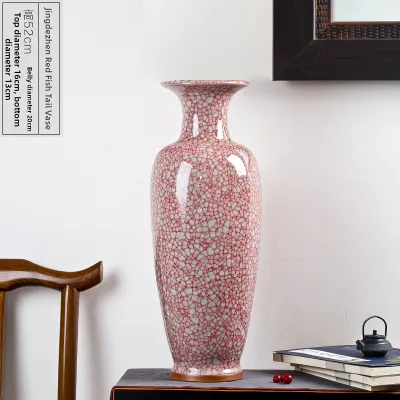
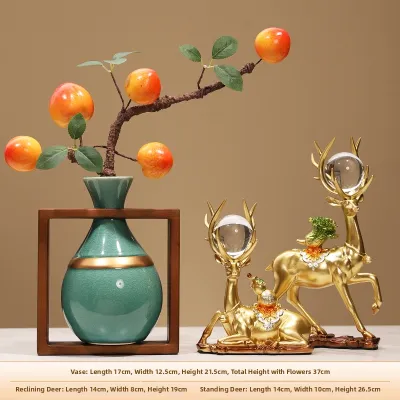
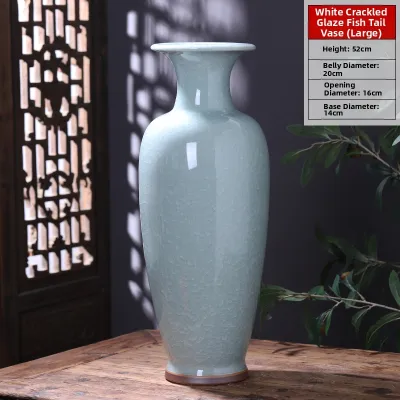
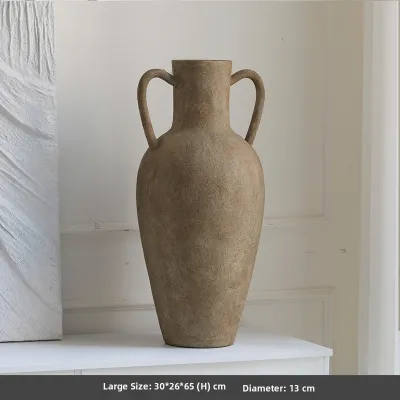
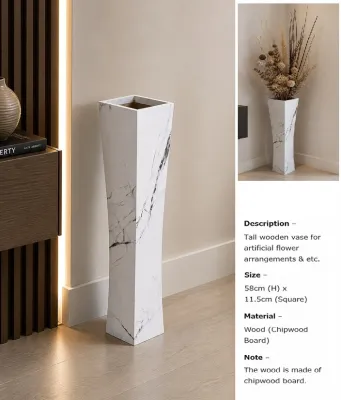
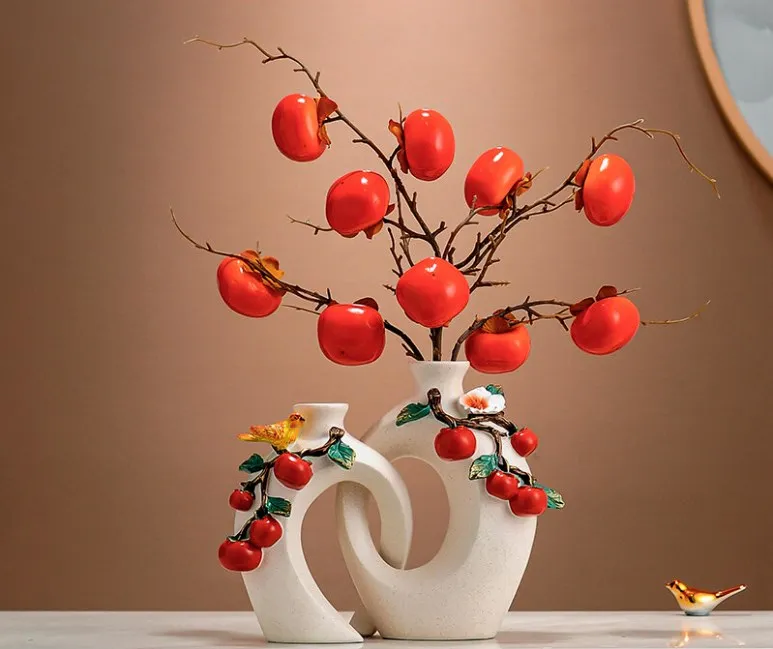
Prices are valid at publication and may change. Please refer to the product page for the latest price.

Ceramic Vases: Texture and Opacity
Ceramic vases bring a tactile, artisanal quality to interior spaces. Available in a vast array of finishes—ranging from rough, sandy terracotta and matte stoneware to smooth, high-gloss glazes—ceramics introduce depth through texture. Because clay is entirely opaque, these vessels possess a distinct visual weight that grounds a room. This solid presence allows a ceramic vase to function as a standalone decorative sculpture, looking completely finished and intentional even when it contains no flowers at all.
This strong visual grounding makes ceramic exceptionally compatible with rustic, wabi-sabi, mid-century modern, and minimalist interior styles. In contemporary Singapore apartments, where homeowners often seek to create calming, nature-inspired sanctuaries, raw or matte ceramic vessels introduce an organic, grounding element. When selecting a ceramic piece, consider your room’s existing color palette; a bold, glazed ceramic vase can serve as a striking accent piece, while neutral stoneware can tie together disparate timber tones and textured soft furnishings.
Glass Vases: Transparency and Light
Glass vases are defined by their relationship with light and space. Whether you choose crystal-clear, frosted, ribbed, or tinted glass, the material’s inherent transparency creates a light visual footprint. Instead of stopping the eye, glass allows light and color to pass through, which prevents small or highly decorated spaces from feeling cluttered. This quality is particularly valuable in compact urban homes, where preserving an open, airy atmosphere is a primary design goal.
When placed near windows or under direct lighting, glass vessels interact dynamically with their environment, casting soft reflections and delicate shadows that shift throughout the day. Tinted glass can introduce a subtle pop of color without the heavy presence of painted ceramic, while ribbed or fluted textures diffuse light to obscure stem details slightly while maintaining an airy feel. This versatility makes glass an easy fit for modern, coastal, eclectic, or traditional settings, where the goal is often to let the natural beauty of the floral arrangement shine without visual competition from the vessel itself.
Everyday Practicality and Maintenance
While aesthetics dictate initial attraction, daily usability determines whether a vase becomes a functional staple or sits forgotten in a cupboard. Practical considerations like weight distribution, stability on different surfaces, and the effort required to clean the vessel are crucial for long-term satisfaction.
Weight, Stability, and Breakage
Ceramic is naturally dense and heavy, providing excellent stability for challenging floral arrangements. The substantial weight concentrated at the base of a stoneware or earthenware vase makes it highly resistant to tipping. This structural reliability is essential if you enjoy displaying top-heavy arrangements, tall tropical branches like monstera or ginger flowers, or dense, water-heavy bouquets. Even as the flowers lean or the water level changes, a heavy ceramic vase remains firmly anchored.
Glass vases vary significantly in stability based on their thickness and design. While thick, heavy-bottomed lead-free crystal or pressed glass vessels offer reliable stability, thin-walled borosilicate or delicate hand-blown glass vases are lightweight and prone to tipping when loaded with long, heavy stems. Both glass and ceramic are highly fragile and will break or chip upon impact. When selecting a vase for tall, woody branches, always verify the base width and overall weight ratio to ensure the vessel can safely support the physical load before filling it with water.
Cleaning Routines and Water Stains
Transparency makes glass beautiful, but it also makes maintenance a constant necessity. Glass immediately reveals cloudy water, decaying foliage, algae growth, and hard water mineral deposits. In warm, humid tropical climates, bacteria multiply rapidly in standing water, meaning a glass vase will require water changes and thorough cleaning every one to two days to maintain its sparkling, pristine look. To safely dissolve stubborn mineral rings without scratching the glass, soak the interior with a mixture of equal parts warm water and white vinegar.
Ceramic vases are far more forgiving on a day-to-day basis because their opaque walls completely conceal murky water and internal staining. This makes them a low-maintenance option for busy households. However, the exterior surface still requires specific care; matte or unglazed ceramic can easily trap dust, oils from hands, or pollen, requiring gentle wiping with a damp microfiber cloth. When cleaning either material, avoid using highly abrasive scrubbing pads, steel wool, or harsh chemical bleach, as these can permanently scratch glass or dull and degrade delicate ceramic glazes.
Floral Pairing and Stem Presentation
The choice of vase material directly influences how you arrange flowers and which floral varieties look best. The interaction between the vessel’s rim, its opacity, and the submerged portions of the plants dictates the overall composition of your floral display.
Hiding Stems and Floral Mechanics
Ceramic vases excel at concealing the structural elements of floral design. When creating complex arrangements, florists often rely on tools like floral foam, chicken wire, tape grids, or metal flower frogs (kenzan) to hold stems at precise angles. An opaque ceramic vessel hides these unsightly mechanics completely, allowing the viewer to focus entirely on the artistic composition of the blooms and foliage rising above the rim.
This opacity is also highly beneficial when working with flowers that have messy, crooked, or thick stems that tend to discolor water quickly. Foraged branches, mixed wildflowers, and heavy-foliage arrangements look exceptionally clean and organized in ceramic because any chaotic stem tangles below the rim are hidden. This makes ceramic highly forgiving for beginners who want to create lush, full arrangements without worrying about the neatness of the stems underneath.
Showcasing Stems and Water Lines
Glass vases celebrate the entire anatomy of the plant, turning submerged stems and clean water into active design elements. This aesthetic is incredibly effective for flowers with clean, elegant, and structural stems, such as tulips, calla lilies, amaryllis, or single-stem orchids. The sight of fresh green stems descending into sparkling, clear water adds an undeniable sense of life, freshness, and purity to a room.
However, showcasing stems requires a commitment to neatness. You must carefully strip all foliage from the portions of the stems that sit below the water line, as submerged leaves rot quickly, clouding the water and accelerating decay. The water level itself must be monitored and topped up regularly to keep the arrangement looking balanced and intentional. If you enjoy the meditative process of trimming stems, changing water daily, and maintaining a clean, minimalist aesthetic, a glass vase will beautifully reward your efforts.
Decision Framework: Choosing the Right Material
To determine which vase material best serves your home, use this structured decision framework to match your styling preferences, maintenance habits, and floral choices.
Choose Ceramic if:
- You prefer textured, organic, or bold aesthetics: Ceramic vases act as sculptural art pieces that bring tactile warmth, earthy character, or rich color accents to a room, even when completely empty.
- You want low-maintenance arrangements: The opaque walls hide cloudy water, messy stems, and floral mechanics, allowing you to enjoy beautiful displays without daily water scrubbing or perfect stem alignment.
- You frequently arrange heavy or tall botanicals: The natural weight and dense base of stoneware or earthenware provide the structural stability needed to support top-heavy branches and large, dramatic bouquets safely.
Choose Glass if:
- You want a light, airy, and modern look: Glass vases have a minimal visual footprint, making them perfect for smaller rooms, crowded dining tables, or bright windowsills where you want to maximize natural light.
- You want the flowers to be the absolute focus: The transparent vessel recedes into the background, allowing the natural colors, delicate petals, and elegant stems of your floral arrangements to take center stage.
- You enjoy the routine of floral care: If you find peace in changing water frequently, trimming stems, and keeping a pristine, sparkling display, the clarity of glass is unmatched.
Verify first if:
- Surface protection is required: Before placing any vase on delicate wooden, veneered, or polished stone furniture, inspect the bottom. Unglazed ceramic bases can be rough and abrasive; always apply felt or silicone pads to prevent scratching.
- Water tightness is guaranteed: Not all ceramic vases are fully vitrified or glazed inside. Check for moisture seepage on a non-critical surface before placing a filled ceramic vase on valuable wooden sideboards or consoles.
- Weight limits and placement are safe: Ensure that floating shelves, glass coffee tables, or console tables can safely support the combined weight of a heavy vase, water, and large floral arrangements.
Frequently Asked Questions (FAQ)
Can I put real water in unglazed ceramic vases?
Unglazed, raw, or low-fired terracotta ceramic vases are naturally porous. Over time, water can slowly seep through the clay body, creating condensation or dampness on the underside of the vessel. If placed on polished wood, lacquer, or veneered furniture, this trapped moisture can cause swelling, water rings, or permanent surface damage.
To safely use real flowers in an unglazed ceramic vase, insert a smaller plastic or glass liner inside the vessel to hold the water and stems. Alternatively, you can apply a specialized liquid ceramic sealer to the interior of the vase to make it watertight. If you prefer to avoid sealants, reserve unglazed ceramic vessels exclusively for dried botanicals, faux stems, or preserved pampas grass.
How do I remove hard water stains from glass vases?
Hard water stains are mineral deposits, primarily calcium and magnesium, left behind as water evaporates from the glass. To remove these cloudy rings without scratching the delicate surface, fill the vase with equal parts white vinegar and warm water, and let it soak for two to three hours to dissolve the alkaline minerals.
For stubborn stains at the bottom of a narrow-necked vase, add a handful of uncooked rice or coarse salt to the vinegar solution. Gently swirl the mixture; the particles will act as a mild, non-abrasive scrubber to lift the loosened mineral deposits. Once clean, rinse the vase thoroughly with clean, cold water, and dry it immediately with a lint-free microfiber cloth to prevent new water spots from forming.

Community discussion
Share your experience or ask a question. Comments are reviewed before publication.