
The choice between a ceramic and a plastic E27 bulb holder is a critical decision for the safety and longevity of your home lighting setup. While both materials serve the same fundamental purpose of holding and powering your bulb, they handle thermal energy, physical stress, and environmental factors in vastly different ways. The E27 base—the classic Edison screw with a 27mm thread diameter—is incredibly common in residential properties, found in everything from minimalist pendant lights to recessed ceiling fixtures. Choosing the wrong holder material for your specific application can lead to material degradation, electrical short circuits, or even fire hazards.
As a general rule, ceramic holders are preferred for high-heat or enclosed environments due to their exceptional thermal stability and non-combustible nature. On the other hand, high-quality, heat-resistant plastic holders are highly cost-effective, lightweight, and impact-resistant, making them perfectly suitable for standard, low-heat LED setups. To ensure a safe installation, you must always verify that the bulb’s actual wattage and operating temperature do not exceed the holder’s rated limits, and look for recognized local safety certifications.
Understanding Heat Resistance and Material Durability
Ceramic, often referred to as porcelain in lighting applications, is an inorganic, non-metallic material fired at extremely high temperatures during manufacturing. This process gives ceramic exceptional thermal stability, allowing it to withstand temperatures well above what any residential bulb can produce without melting, warping, or releasing toxic fumes. It is inherently non-combustible and acts as an excellent electrical insulator even under extreme thermal stress. However, its crystalline structure makes it brittle; if you drop a ceramic holder during installation or overtighten the mounting screws, it can easily crack or shatter, compromising its structural integrity and potentially exposing live electrical contacts.
Products mentioned in this guide
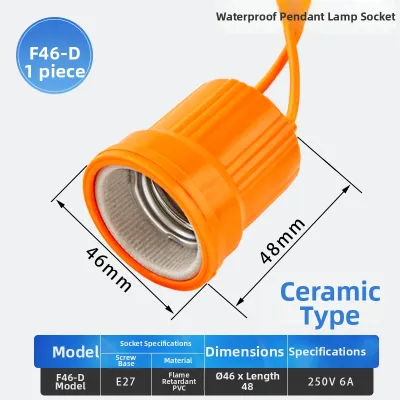
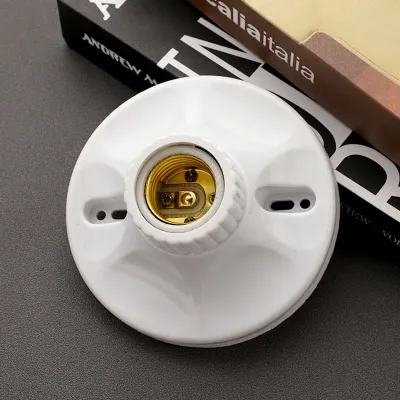
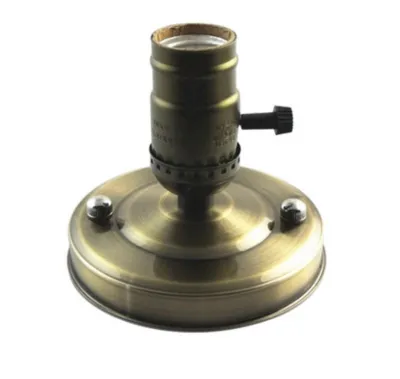
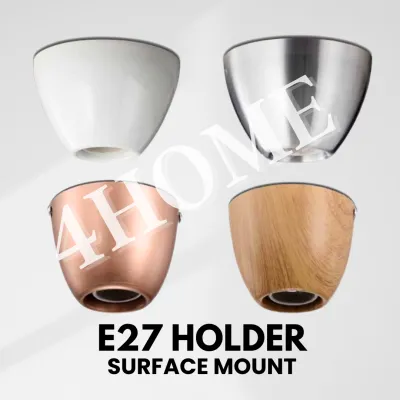
![[SG 🇸🇬 Seller] E27 Led light bulb holder](https://img.lazcdn.com/g/p/b05f769c8c34ce2c221559c81b506fcb.jpg_400x400q80.jpg_.webp)
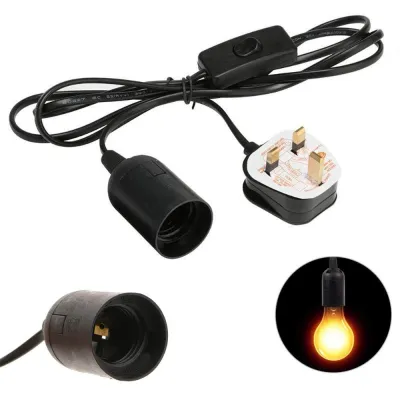
Prices are valid at publication and may change. Please refer to the product page for the latest price.
Modern plastic E27 holders are typically manufactured from engineering thermoplastics like polycarbonate, polybutylene terephthalate, or phenolic resins. These materials are valued for their high impact resistance, lightweight nature, and ease of installation. Unlike ceramic, a plastic holder will not shatter if dropped on a hard floor. However, plastics have a definite thermal ceiling; when exposed to temperatures exceeding their rated limits, they can soften, deform, discolor, become brittle over time, or even support combustion if they lack flame-retardant additives.
To help consumers navigate these thermal limits, reputable manufacturers print specifications directly on the holder body or packaging. The most critical of these is the temperature rating, often designated as a “T” followed by a number, such as T210 or T85. This number indicates the maximum continuous operating temperature in degrees Celsius that the holder can safely endure without material degradation. When shopping for components, you must locate this rating and compare it against the expected heat output of your lighting setup, ensuring the holder is rated to handle the thermal environment it will inhabit.
Matching the Holder to Your Bulb Type and Wattage
Traditional incandescent and halogen bulbs are highly inefficient, converting only a small fraction of their electrical energy into visible light while radiating the remaining energy as heat. A standard 60-watt incandescent bulb can easily reach surface temperatures exceeding 100 degrees Celsius, while higher-wattage specialty bulbs or heat lamps run significantly hotter. For these applications, a ceramic E27 holder is virtually mandatory. The intense, localized heat generated by these bulbs will rapidly degrade standard plastic holders, causing them to dry out, crack, and eventually crumble, which poses a severe risk of electrical short circuits.

Modern LED bulbs are highly efficient and run much cooler than their filament-based predecessors. Because they convert the majority of electricity into light rather than heat, their operating temperatures are typically well within the safe limits of high-quality plastic holders. A standard household LED bulb, even when running continuously, rarely exceeds 60 to 70 degrees Celsius at its heat sink. Consequently, a rated plastic E27 holder is an excellent, cost-effective, and lightweight choice for LED-only fixtures, provided the plastic is of high quality and possesses a suitable T-rating.
Regardless of the material you choose, you must adhere to the maximum wattage rating printed on the holder. This rating, often expressed as 60W, 100W, or 200W, is a strict safety limit determined by the electrical contacts and the heat dissipation capabilities of the holder design. As a best practice, always maintain a safe operational margin by choosing a holder with a wattage rating that comfortably exceeds the actual wattage of your bulb. For instance, if you plan to use a high-wattage LED corn bulb that draws 45 watts of actual power, do not pair it with a cheap plastic holder rated for a maximum of 40 watts, even if the bulb is an LED. Always verify the actual power draw, not just the “equivalent” wattage.
Adapting to Fixture Designs and Installation Environments
The physical design of your light fixture plays a massive role in heat accumulation. In enclosed or semi-enclosed fixtures—such as flush-mount ceiling globes, tight glass pendants, or recessed downlight cans—air circulation is severely restricted. Even low-wattage bulbs can cause heat to build up inside the fixture over hours of continuous operation, raising the ambient temperature around the bulb holder far beyond normal room levels. In these poorly ventilated setups, a ceramic holder is highly recommended. Ceramic will not degrade under trapped heat, whereas a plastic holder in the same enclosed space may slowly warp or become brittle over time due to the elevated ambient temperatures.
Moisture is another critical factor when selecting lighting components for areas like bathrooms, kitchens, or covered outdoor patios in Singapore’s humid climate. High humidity can accelerate the corrosion of metal contacts inside the holder and lead to tracking currents across damp surfaces. While ceramic itself does not absorb water, its glazed surface can collect condensation, and cheap unglazed ceramic can absorb minor moisture. High-quality plastic holders, particularly those with integrated rubber gaskets or sealed designs, often provide effective moisture exclusion and are less prone to surface tracking in damp environments. When installing in these areas, ensure the holder has an appropriate Ingress Protection rating suitable for damp locations.
Consider also the physical weight of the bulb and the mounting style of the fixture. If you are installing a heavy decorative glass bulb, a large smart bulb, or a heavy industrial-style LED bulb in a suspended pendant light, the holder must bear the physical load. While ceramic is strong under compression, its brittleness makes it vulnerable to cracking under high shear stress or sudden impacts. A high-quality, threaded plastic holder with reinforced metal mounting threads often provides a more secure, vibration-resistant connection for suspended fixtures. Always check that the structural mounting of the holder is rated to support the total weight of your chosen bulb and shade.
Pre-Installation Safety Checks and Wiring Boundaries
Before attempting to inspect, remove, or install any bulb holder, you must isolate the electrical supply. Simply turning off the wall switch is not sufficient, as the switch may only cut the neutral wire, leaving the live wire active and posing a lethal shock hazard. Always switch off the corresponding circuit breaker at the main distribution board and use a reliable, non-contact voltage tester at the fixture to verify that the wires are completely dead before touching any components.
Once power is safely isolated, verify that the replacement E27 holder is rated for your local mains voltage, which is typically 230V AC at 50Hz. Carefully inspect the existing wiring protruding from the ceiling or fixture. Look closely for signs of thermal damage, such as brittle insulation, cracking, discoloration (usually browning or blackening), or exposed copper strands. If the existing wires are stiff, crumbly, or discolored, they have likely suffered from long-term heat exposure from a previous high-heat bulb and must be replaced before installing a new holder.
It is vital to recognize the limits of safe DIY work. If you discover degraded wiring, if the installation requires modifying the fixed electrical wiring of your home, or if you are working at heights that compromise your safety, you must stop immediately. In Singapore, fixed electrical wiring work must be performed by a Licensed Electrical Worker to ensure compliance with local safety standards. Furthermore, never install any bulb holder that lacks clear safety certification marks or manufacturer-specified ratings, as uncertified components pose a severe risk of electrical failure.
Decision Framework: When to Choose Ceramic or Plastic
Opt for a ceramic E27 bulb holder if your lighting setup involves traditional incandescent, halogen, or high-wattage specialty bulbs that generate significant heat. Ceramic is also the ideal choice for any bulb type installed inside enclosed or poorly ventilated fixtures where heat is likely to accumulate over time. If your priority is maximum thermal safety margins and long-term resistance to heat-induced degradation, ceramic provides the ultimate peace of mind, provided it is mounted securely where it is safe from physical impacts.
Select a high-quality plastic E27 holder if you are using standard, low-heat LED bulbs in open or well-ventilated fixtures. Plastic is highly suitable for lightweight pendant lights, portable desk lamps, or environments where the fixture might be subjected to physical movement, vibration, or occasional impacts. Ensure the plastic holder is made from flame-retardant engineering thermoplastics (like PBT or polycarbonate) and that its rated wattage and temperature limits comfortably exceed the requirements of your chosen LED bulb.
Before finalizing your purchase, always perform a thorough check of the product specifications. Verify that the packaging or the holder body clearly displays the maximum allowable wattage, the maximum operating temperature (T-rating), and a recognized local electrical safety certification mark, such as the Safety Mark in Singapore. Avoid generic, unbranded holders that omit these critical specifications, as saving a small amount on a component can lead to costly and dangerous electrical failures down the road.
Frequently Asked Questions (FAQ)
Can I use a plastic E27 holder for high-wattage smart bulbs?
Smart E27 bulbs contain internal electronic components, including wireless receivers and microcontrollers, which generate additional heat at the base of the bulb. While the light-emitting portion of the LED runs relatively cool, the base of a high-wattage smart bulb can become surprisingly warm during continuous operation. You can use a plastic E27 holder for smart bulbs, but you must ensure it is a high-quality, heat-resistant plastic (such as PBT) with a suitable T-rating (ideally T120 or higher). Always check the smart bulb manufacturer’s instructions regarding fixture ventilation and holder compatibility, and ensure the bulb’s actual power draw (in watts) is well below the holder’s maximum rated limit.
How do I know if my existing E27 holder needs to be replaced?
You should inspect your bulb holders periodically for signs of wear and thermal degradation. Clear indicators that an E27 holder needs immediate replacement include visible discoloration (such as yellowing, browning, or blackening of plastic), cracking or chipping of the material, a loose or wobbling fit when the bulb is screwed in, or flickering light that cannot be resolved by changing the bulb. If you feel excessive heat radiating from the holder after the light has been turned off, or if you smell a distinct sweet, chemical, or burning plastic odor, the holder is failing and must be decommissioned and replaced immediately to prevent an electrical hazard.

Community discussion
Share your experience or ask a question. Comments are reviewed before publication.