
Choosing between a ceramic and a plastic E27 socket is a critical decision that directly affects the safety, durability, and performance of your lighting installation. The E27 socket, featuring a 27mm screw-in base, is one of the most common lamp holders found in residential and commercial properties. While both materials serve the same basic function of holding a bulb and delivering electrical current, they behave very differently under thermal stress, physical load, and environmental exposure.
The primary factor that should guide your choice is the thermal output of the bulb you plan to use, combined with the physical design of the light fixture. Ceramic sockets are engineered to withstand extreme temperatures, making them indispensable for high-wattage or enclosed setups. On the other hand, plastic sockets offer a lightweight, cost-effective, and highly versatile solution for modern, low-heat LED installations. Selecting the wrong material can lead to structural warping, electrical short circuits, or even fire hazards, making it essential to understand the distinct properties of each option before making a purchase.
Comparing Heat Resistance and Physical Properties
To understand why these materials perform differently, it is helpful to compare their physical and thermal characteristics side by side. The table below outlines the key differences between standard ceramic and plastic E27 sockets.
Products mentioned in this guide
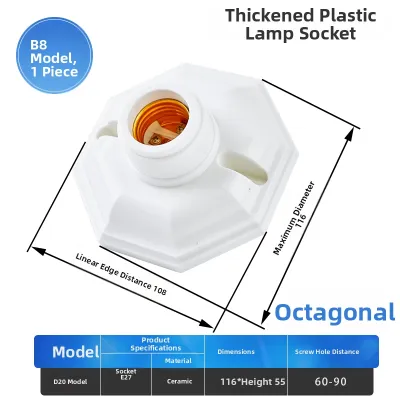
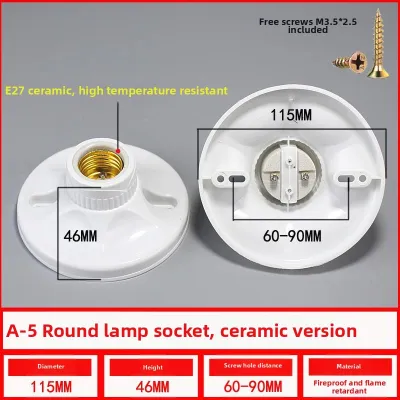
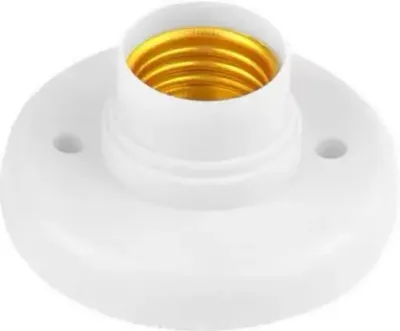
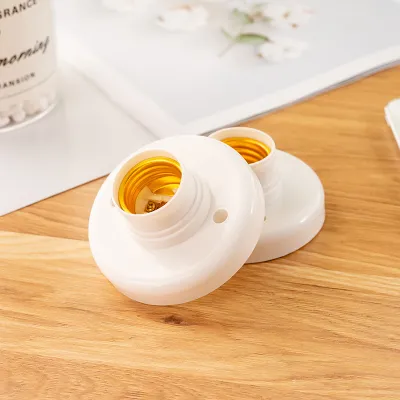
Prices are valid at publication and may change. Please refer to the product page for the latest price.
| Feature | Ceramic E27 Socket | Plastic E27 Socket |
|---|---|---|
| Heat Tolerance | Extremely high (typically up to 200°C or more) | Moderate (typically limited to 80°C to 120°C) |
| Weight | Relatively heavy and dense | Very lightweight |
| Durability | High resistance to heat aging; brittle under impact | Resistant to minor impacts; can degrade under prolonged heat |
| Typical Bulb Compatibility | Incandescent, halogen, heat lamps, high-wattage LEDs | Low-wattage LEDs, compact fluorescent lamps (CFLs) |
| Installation Environment | Enclosed fixtures, industrial spaces, high-heat areas | Open pendants, decorative fixtures, low-heat residential spaces |
Heat dissipation is the single most important decision factor when selecting an E27 socket. When an electrical current passes through a bulb, a significant portion of the energy is converted into heat rather than light. If this heat cannot escape efficiently, the temperature inside the socket assembly rises rapidly. Ceramic is an excellent thermal insulator that does not degrade, melt, or lose its structural integrity when exposed to prolonged high temperatures.
Conversely, plastic is a synthetic polymer that is inherently more sensitive to thermal stress. Over time, continuous exposure to temperatures near or above its limit will cause plastic to become brittle, discolor, crack, or even melt. This material choice directly impacts the maximum safe wattage of your lighting fixture. A fixture fitted with a plastic socket will always have a lower maximum wattage rating than an identical fixture fitted with a ceramic socket, purely because the plastic cannot safely handle the thermal output of higher-wattage bulbs.
When to Choose a Ceramic E27 Socket
A ceramic E27 socket is the necessary and safer choice for any lighting application where high heat is generated. If you plan to use traditional incandescent bulbs, halogen lamps, or specialized heat lamps (such as those used in terrariums or food warming stations), ceramic is non-negotiable. These bulb types convert up to 90% of their electrical energy into heat, creating an environment that would quickly degrade and destroy a standard plastic socket.

Enclosed fixtures represent another scenario where ceramic is highly recommended. In fixtures where the bulb is completely sealed inside a glass globe, metal shade, or recessed ceiling canister, airflow is severely restricted. Even relatively low-wattage bulbs can cause heat to build up inside an enclosed space over hours of continuous operation. In Singapore’s warm, tropical climate, ambient indoor temperatures can further compound this heat buildup, making the superior thermal resistance of ceramic a vital safeguard against electrical failure.
Before purchasing a ceramic socket, however, you must verify that the physical structure of your light fixture can support its weight. Ceramic is dense and heavy compared to plastic. If you are retrofitting an existing fixture, check whether the mounting bracket, suspension wire, or ceiling anchor is robust enough to handle the additional load. A heavy ceramic socket installed on a flimsy, unsupported cord can strain the electrical connections, creating a physical drop hazard over time.
When to Choose a Plastic E27 Socket
Plastic E27 sockets are highly suited for modern, energy-efficient lighting setups that rely exclusively on light-emitting diode (LED) bulbs. Because high-quality LEDs convert the vast majority of their energy into light rather than heat, they operate at much lower temperatures than their incandescent predecessors. This low thermal output eliminates the risk of melting or heat-induced degradation, allowing you to take full advantage of the benefits of plastic sockets.
One of the primary advantages of plastic is its lightweight nature, which makes it the ideal choice for delicate or minimalist pendant fixtures. Many contemporary interior designs feature exposed bulbs suspended from thin, decorative fabric cords. A heavy ceramic socket would pull these cords taut and put unnecessary stress on the ceiling rose, whereas a lightweight plastic socket hangs naturally without compromising the structural integrity of the suspension system. Additionally, plastic is highly versatile and can be molded into various colors and sleek shapes to match modern decor.
Cost-effectiveness is another major benefit of plastic sockets. For large-scale residential renovations or commercial projects requiring dozens of lamp holders, choosing plastic can result in noticeable savings. However, it is important to recognize the limits of both materials. If your fixture requires a high-heat tolerance due to the bulb type but has strict weight limits that rule out heavy ceramic, neither standard material may fit your needs. In such specialized cases, you should avoid improvising and instead consult the fixture manufacturer to identify alternative high-temperature composite materials.
Essential Specifications to Verify Before Buying
Selecting the right material is only the first step; you must also verify several critical technical specifications to ensure compatibility and safety. First, always check the maximum wattage limit permanently marked on the socket body or the fixture’s rating label. This limit is a strict safety boundary determined by the manufacturer. Even if you install a ceramic socket capable of handling high heat, the surrounding fixture components—such as plastic shades or internal wiring—may still be vulnerable to damage if you exceed the rated wattage.
Second, confirm that the socket is rated for your local mains voltage. In Singapore, the standard residential supply voltage is 230V AC at 50Hz. Ensure the socket packaging or product body explicitly states compatibility with this voltage range. Additionally, verify the physical thread depth of the E27 socket. The screw thread must be deep enough to allow the bulb’s base to seat fully and make a secure connection with the live contact at the bottom. If the thread is too shallow, the conductive metal base of the bulb may remain exposed while energized, posing a severe shock hazard.
Finally, look for recognized electrical safety certification marks on the product packaging or the socket itself. These marks indicate that the product has undergone rigorous testing to meet national or international safety standards. Avoid purchasing unbranded, uncertified sockets from unregulated online marketplaces, as these products often use substandard plastics that melt at lower temperatures or ceramic mixtures that crack easily under thermal expansion.
Installation Safety and Professional Boundaries
Replacing or installing an E27 socket involves working with mains electricity, which carries inherent risks of severe shock, electrocution, and electrical fire. Before touching any wiring or attempting to remove an old socket, you must isolate the power supply. Do not rely solely on the wall switch to turn off the power, as some circuits may be incorrectly wired with a constant live feed. Instead, switch off the corresponding circuit breaker at your home’s main distribution board (DB box) and use a reliable voltage tester to confirm that the wires are completely dead before proceeding.
While replacing a simple, detached lamp holder can be a straightforward task, you must recognize when to stop and seek professional help. If you encounter any of the following conditions, immediately halt your DIY attempt and consult a licensed electrician:
- The existing wires are brittle, cracked, or showing signs of heat damage.
- The wiring lacks a clear earth connection, especially when installing a metal or conductive fixture.
- The wires are unmarked, or the color coding does not match standard modern conventions.
- The installation requires modifying the fixed electrical wiring inside your walls or ceiling.
When installing the new socket, always follow the specific manufacturer instructions provided with the product. Ensure that the live, neutral, and earth wires are connected to their correct terminals and that all terminal screws are tightened securely. Loose connections create electrical resistance, which generates localized heat and can lead to arcing—a major cause of electrical fires. Avoid improvising wire connections with electrical tape or non-standard connectors, and ensure that any suspended loads are supported by dedicated strain-relief clamps rather than the electrical terminals themselves.

Community discussion
Share your experience or ask a question. Comments are reviewed before publication.