
Selecting a passive fragrance solution for your home involves understanding how different materials interact with essential oils and room sprays. Unlike active ultrasonic humidifiers or heat-based burners, a diffuser stone relies entirely on natural evaporation to disperse scent into the surrounding air. The material you choose—whether fired ceramic, rugged volcanic rock, or highly absorbent diatomite—dictates how quickly fragrance is absorbed, how long it lasts, and how much maintenance is required to keep the stone functioning safely.
Rather than a single universal winner, the best diffuser stone is the one that matches your specific room size, aesthetic preferences, and daily usage habits. For instance, a compact study desk in an air-conditioned room requires a very different diffusion profile than a high-humidity bathroom or a busy entryway. By evaluating the physical properties of these three popular materials, you can select a passive scenting solution that delivers consistent fragrance without messy spills or ruined furniture finishes.
How Ceramic, Volcanic Rock, and Diatomite Stones Work
To understand how passive diffusion works, it helps to look at the microscopic structure of each material. Every diffuser stone operates on the principle of capillary action, drawing liquid into tiny pores and gradually releasing it as the liquid evaporates into the air. However, the size, density, and distribution of these pores vary dramatically across ceramic, volcanic rock, and diatomite.
Products mentioned in this guide
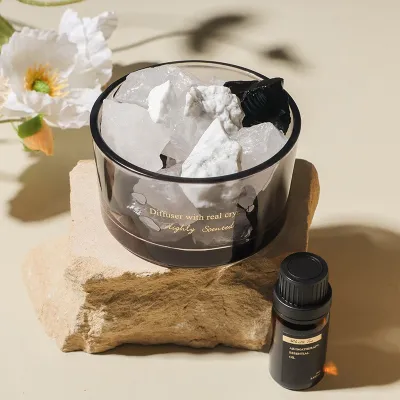
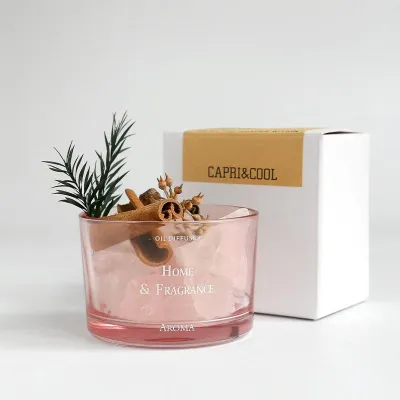

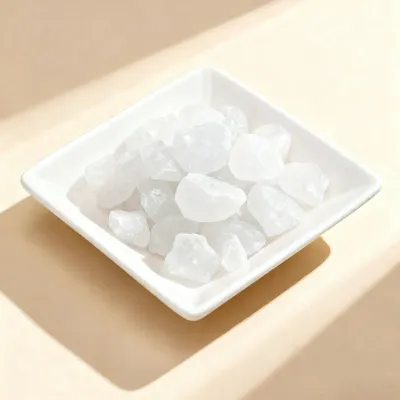
Prices are valid at publication and may change. Please refer to the product page for the latest price.
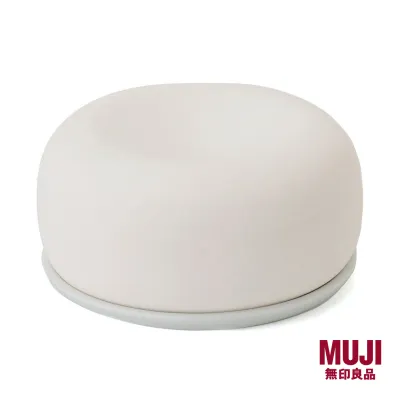
Ceramic diffuser stones are typically made from clay that has been fired at specific temperatures. The porosity of ceramic depends heavily on whether it is glazed, partially glazed, or completely unglazed, as well as the exact firing temperature used by the manufacturer. Unglazed ceramic features a smooth, refined surface with microscopic pores that absorb oils slowly, making it excellent for a gradual, sustained release of fragrance.
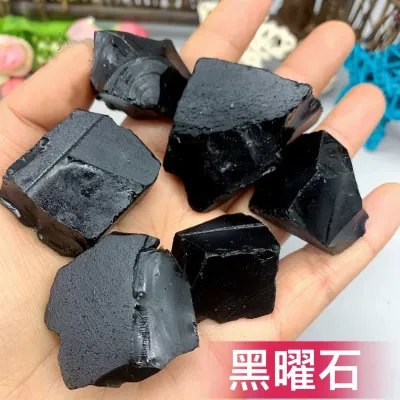
Volcanic rock, or basalt, is a naturally occurring igneous rock formed from cooling lava. This material is characterized by its highly irregular surface cavities, visible pockets, and rugged, coarse texture. Because these cavities are relatively large and exposed, volcanic rock offers an exceptionally high surface area that allows fragrance oils to pool slightly before evaporating, creating a more immediate scent presence.
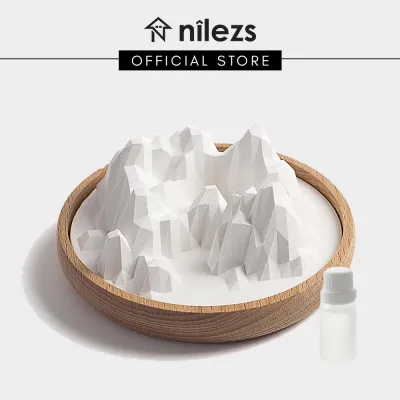
Diatomite is a sedimentary rock composed of the fossilized skeletal remains of single-celled algae called diatoms. This material is highly celebrated for its extreme absorbency and rapid moisture-wicking capabilities, which are far superior to standard clay or stone. Diatomite stones typically feature a smooth, chalky, matte finish that draws in liquid almost instantly, spreading it evenly throughout the material’s internal structure.
It is important to note that actual liquid retention and diffusion rates are not uniform across all products. The specific density, mineral composition, and manufacturing processes of individual stones will ultimately dictate how they perform in your home.
Comparing Scent Throw, Absorption, and Maintenance
When evaluating these materials for daily use, the practical differences lie in how they handle liquid application and the level of upkeep they demand. Absorption speed is the first major differentiator. Diatomite absorbs room sprays and essential oils almost instantly, leaving a dry-to-the-touch surface within seconds, which minimizes the risk of accidental drips. Volcanic rock holds liquid within its deep, visible cavities, but because the pores are larger, over-application can lead to pooling at the base of the stone. Ceramic sits in the middle, absorbing liquids gradually; you may observe a wet sheen on the surface for several minutes before the oil is fully drawn into the clay.

Scent release profiles are heavily influenced by environmental conditions such as exposed surface area, ambient temperature, and room airflow. Volcanic rock, with its highly textured and open structure, maximizes contact with moving air, making it highly effective at dispersing scent when placed near windows, fans, or air conditioning vents. Diatomite’s rapid wicking spreads the liquid thin across its entire volume, which can lead to a clean, efficient release of lighter fragrance notes, though it may require more frequent top-ups. Ceramic’s denser structure holds onto fragrance molecules more tightly, resulting in a subtle, localized scent throw that is less affected by minor drafts.
Staining and residue accumulation are common challenges with passive diffusers, particularly when using heavily colored room sprays, thick carrier oils, or resin-based essential oils like patchouli, vetiver, or sandalwood. Unglazed ceramic and light-colored diatomite are highly susceptible to permanent discoloration from dark oils. Volcanic rock, being naturally dark grey or black, hides stains exceptionally well, though sticky residues can accumulate deep within its irregular cavities over time.
Cleaning tolerances also vary based on structural stability. Ceramic is generally the most robust material, capable of withstanding gentle scrubbing, warm water rinses, or mild soap without losing its shape. Volcanic rock is physically durable but difficult to clean thoroughly due to its deep, unreachable pockets. Diatomite is the most fragile of the three; it can become soft or crumble if soaked in water for extended periods or subjected to aggressive scrubbing.
Choosing the Right Stone for Your Room and Habits
Selecting the ideal diffuser stone requires matching these material characteristics to your specific living spaces and daily routines. A conditional decision framework can help you narrow down the options based on your practical needs.
Choose a ceramic diffuser stone if you prefer a slow, controlled fragrance release and value aesthetic versatility. Because ceramic can be molded into intricate shapes, colors, and decorative patterns, it serves as an attractive decor piece. It is best suited for small, personal zones where you spend long periods, such as a home office desk, a bedside table, or a walk-in wardrobe. The localized scent throw ensures the fragrance remains subtle and non-intrusive.
Choose volcanic rock if you appreciate a raw, natural aesthetic and want a more immediate, robust burst of fragrance. Volcanic rock is ideal for spaces with active airflow, such as entryways, living rooms, or near air conditioning units, where drafts can help carry the scent from its deep cavities. It is also a practical choice if you prefer using darker, resinous oils, as the dark stone will not show unsightly stains.
Choose diatomite if your priority is rapid absorption, spill prevention, and a clean, minimalist look. Diatomite is highly effective in high-traffic areas like hallways, busy countertops, or family rooms where a stray hand or pet could easily knock a wet stone over. Its rapid-drying surface ensures that liquid is locked away quickly, making it excellent for those who like to refresh their fragrance frequently throughout the day.
Before placing any diffuser stone, verify the environment and surrounding materials. If you plan to place the stone near delicate fabrics, polished wood, or painted surfaces, ensure it sits on a stable, non-porous base to prevent oil transfer. In high-humidity areas like bathrooms, atmospheric moisture can saturate diatomite and unglazed ceramic, reducing their ability to absorb fragrance and increasing the risk of mold. Additionally, if you have pets, always verify that the specific fragrance liquids or essential oils you plan to use are safe for animal inhalation.
Cleaning, Care, and Replacement Signals
Proper maintenance ensures your diffuser stone remains efficient and safe to use over its lifespan. For routine care, regularly wipe away any dust or surface residue with a dry, lint-free cloth. Avoid using harsh chemical cleaners, dish soaps, or synthetic detergents, as these can leave behind strong chemical residues that clog the pores and ruin the scent profile of your chosen oils.
Deep cleaning becomes necessary when you detect a rancid, oxidized oil smell or notice that the stone is no longer absorbing liquids effectively. Always check the manufacturer’s instructions before attempting any deep cleaning method. Some high-fired ceramic stones can be boiled in water or gently baked to strip away accumulated oils, but this process will destroy fragile diatomite or cause certain composite stones to crack. For volcanic rock, a gentle soak in warm water mixed with a small amount of isopropyl alcohol can help dissolve stubborn oil buildup deep within the cavities, followed by thorough air-drying.
Recognizing when to replace your diffuser stone is key to maintaining a pleasant home environment. Look for clear, observable signs of physical degradation. Diatomite stones may begin to show crumbling edges, fine cracks, or a chalky residue that rubs off easily. Permanent deep staining that completely blocks the absorption of new liquids is another sign that the stone’s pores are fully saturated and clogged.
As a primary safety boundary, stop using the stone immediately and consult the manufacturer if it develops mold in humid environments, cracks unexpectedly, or begins to leach unknown residues onto your furniture.
Frequently Asked Questions (FAQ)
Can I use room sprays instead of essential oils on diffuser stones?
Yes, you can use room sprays on diffuser stones, but you should expect different performance characteristics compared to pure essential oils. Room sprays typically feature an alcohol or water base, which evaporates much faster than thick, viscous essential oils, resulting in a shorter-lived scent profile. Before applying a room spray, check the ingredient list for heavy residues, sugars, or synthetic polymers that are sometimes added as fixatives, as these can quickly clog the stone’s microscopic pores. Observe the stone’s surface after repeated spraying; if you notice a sticky buildup or an altered, non-porous texture, discontinue use and clean the stone to restore its absorbency.
How do I prevent diffuser stones from staining my furniture?
To protect your wooden, veneered, or fabric surfaces from oil and moisture damage, always place your diffuser stone on a non-porous tray, glass coaster, or the dedicated base provided by the manufacturer. When applying room sprays or essential oils, allow the stone to fully absorb the liquid and dry completely before moving it back to its final display location. It is also crucial to monitor the stone’s saturation limit; applying too much liquid at once will exceed the material’s absorption capacity, causing excess oil to pool at the bottom of the stone and seep onto the surface below.

Community discussion
Share your experience or ask a question. Comments are reviewed before publication.