
Choosing a 360 infinity wall light for your corridor requires balancing striking visual depth with practical hallway navigation. Because corridors are high-traffic, narrow transition zones, you must look beyond the mesmerizing optical illusion and carefully evaluate physical projection, glare control, electrical compatibility, and material durability. By focusing on these technical specifications, you can ensure the fixture enhances your home’s architecture without obstructing movement or creating harsh visual discomfort.
How the 360 Infinity Effect Transforms Corridor Spaces
An infinity wall light uses parallel mirrors and a series of LEDs to create a tunnel-of-light effect that appears to stretch deep into the wall. When paired with a 360-degree light distribution pattern, the fixture casts a soft halo of light outward in all directions, washing the surrounding wall surface. In a narrow corridor, this combination can visually expand the perceived width of the space, breaking up the flat, monotonous feel of long walls. This spatial effect is a conditional preference that depends heavily on your personal design goals and the existing layout of your home.
However, it is vital to distinguish between decorative accent lighting and functional pathway illumination. The infinity effect itself is primarily aesthetic; the light is reflected inward to create the illusion, meaning a significant portion of the lumen output is dedicated to the visual effect rather than casting light onto the floor. If your corridor lacks other light sources, relying solely on an infinity light may leave the floor in shadow. You must assess whether you need the fixture to act as a supplementary design feature or if it must be paired with recessed downlights to ensure safe passage.
Products mentioned in this guide
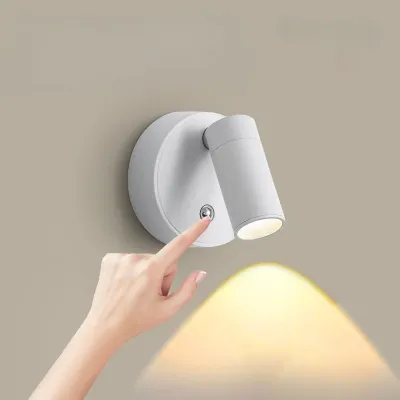
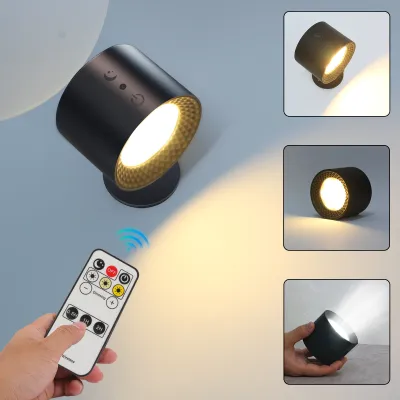
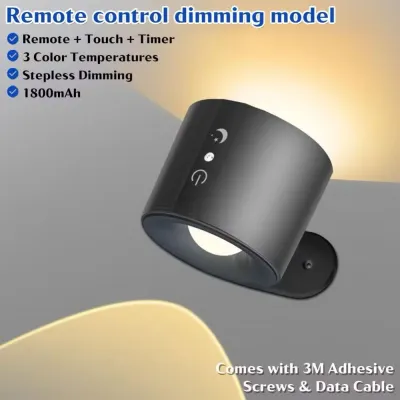
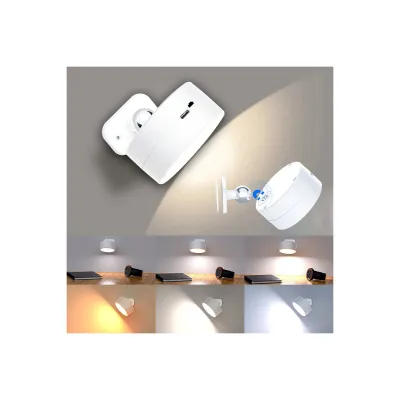
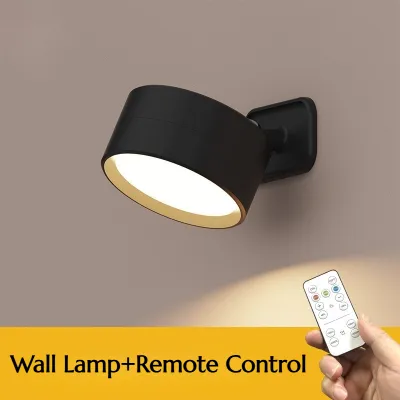
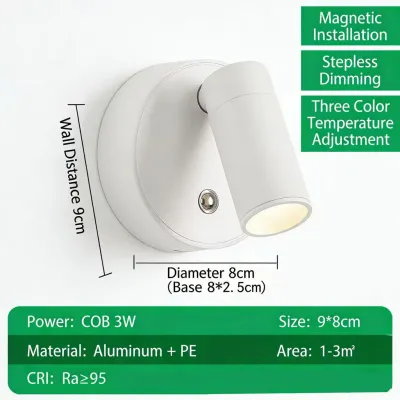
Prices are valid at publication and may change. Please refer to the product page for the latest price.
The interaction between the optical effect and your hallway’s design is another critical factor. Highly reflective wall finishes, such as high-gloss paint or polished stone, can cause distracting double-reflections that disrupt the clean lines of the infinity tunnel. Matte or satin wall finishes generally work best, as they absorb excess glare while allowing the 360-degree halo to stand out. Additionally, consider how the light aligns with adjacent rooms; a bold, futuristic infinity light might clash with a traditional living room, so choosing a frame finish that bridges both styles is key.
Matching Brightness and Color Temperature to Your Hallway
To achieve comfortable illumination, you must evaluate the fixture’s lumen output in relation to your corridor’s dimensions. A long, dark hallway requires a different approach than a short transitional foyer. Since corridors are narrow, high-intensity light sources placed at eye level can easily cause discomfort. Look for fixtures that offer adjustable or moderate lumen outputs—typically between 300 to 800 lumens per fixture, depending on how many units you plan to install along the wall. If the corridor already has ceiling lights, a lower lumen output is preferable to keep the infinity light as a subtle accent.

Color temperature plays a major role in how comfortable the transition feels when moving between rooms. For residential corridors, warm white light (typically 2700K to 3000K) creates a welcoming, cozy atmosphere that matches most living spaces and bedrooms. If your home features a modern, minimalist aesthetic with cooler color palettes, a neutral white (around 4000K) can highlight clean lines without feeling overly clinical. Perceived color temperature is highly subjective, so choose a setting that complements your existing interior decor and personal preference.
Preventing direct glare is paramount in a confined walkway where the light source is positioned close to eye level. When reviewing product specifications, check for built-in diffusers, frosted glass covers, or physical shielding over the LEDs. A high-quality 360 infinity wall light should direct its primary illumination backward against the wall or through a diffused edge, ensuring that the individual LED diodes are not directly visible from the side. This shielding preserves the magic of the infinity illusion while protecting your eyes as you walk past.
Ensuring Proper Fit and Spatial Clearance
Physical dimensions are critical when installing any wall-mounted fixture in a high-traffic corridor. The most important measurement to check is the projection distance—how far the light protrudes from the wall surface. In narrow hallways, fixtures that stick out too far can become physical hazards, catching on clothing, bags, or shoulders. To maintain a clear and safe walking path, aim for a low-profile design, ideally projecting no more than 100 mm from the wall, which aligns with standard accessibility guidelines for public and residential corridors.
Beyond projection, you must measure the overall height and width of the fixture against your available wall space. Take note of nearby architectural features such as door frames, wainscoting, decorative moldings, and light switches. A large circular or square infinity light can easily look crowded if placed too close to a door frame. Leave at least 150 mm to 200 mm of clearance between the edges of the fixture and any architectural boundaries to allow the 360-degree light halo to spread evenly without being cut off.
Vertical placement is equally important for visual balance and safety. Mounting the fixture too low can expose the top of the internal components to taller individuals, while mounting it too high can ruin the viewing angle of the infinity effect. Generally, wall sconces in corridors are positioned so that the center of the fixture is approximately 1.5 to 1.7 meters above the finished floor level. Ensure there is adequate vertical clearance from both the floor and the ceiling so the light does not cast awkward shadows or crowd the vertical plane of the hallway.
Verifying Electrical Compatibility and Safety Standards
Before purchasing, you must determine how the fixture will receive power. If you are replacing existing wall sconces, you likely have a hardwired junction box in place. In this case, verify that the mounting bracket of the new 360 infinity light matches the dimensions of your existing electrical box. If you do not have existing wiring, you will need to decide between hiring a professional to run new cables behind the drywall or choosing a plug-in model. Plug-in models require careful cord management, using paintable covers or clips to prevent the cable from becoming a tripping hazard in the corridor.
If you want the ability to adjust the brightness of your infinity light, you must verify dimmer switch compatibility. LED-based infinity lights require compatible LED drivers and dimming protocols, such as trailing-edge (ELV) or leading-edge (TRIAC) dimming. Check the manufacturer’s technical data sheet to ensure your existing wall dimmer is compatible with the fixture’s internal driver. Mixing incompatible components can lead to annoying issues like flickering, buzzing, or a significantly reduced lifespan for the LEDs.
Safety must always be a priority when dealing with electrical installations. Ensure the fixture holds recognized electrical safety certifications relevant to your region, and verify that the voltage, base or interface type, and wattage limits match your home’s electrical system. For any fixed wiring installation, always isolate the power at the main circuit breaker before starting work. If the installation requires running new electrical lines, cutting into walls, or working at heights, always follow the manufacturer’s installation instructions and hire a qualified, licensed electrician to ensure the work complies with local building codes and safety regulations.
Selecting Durable Materials for High-Traffic Hallways
Corridors are high-traffic zones where fixtures are susceptible to accidental bumps, dust, and fingerprints. Because 360 infinity wall lights rely on reflective surfaces—often a combination of glass, acrylic, and mirrors—they are particularly prone to showing dust and smudges. Acrylic panels are lightweight and shatter-resistant, making them safer for busy households with children or pets, but they scratch more easily than glass. Glass panels offer superior optical clarity and scratch resistance but require careful handling during installation and cleaning.
The outer housing of the fixture should be constructed from durable, impact-resistant materials. Look for frames made from high-grade aluminum or powder-coated steel, which can withstand minor scuffs and bumps from passing vacuum cleaners or carrying luggage. Avoid cheap, thin plastic housings that can warp over time due to the heat generated by the internal LED driver, or crack under minor impacts. A sturdy metal frame also acts as an effective heat sink, drawing warmth away from the LEDs to prolong their operational life.
Maintenance is another practical consideration for busy hallways. Review the manufacturer’s cleaning instructions before buying to ensure you can keep the reflective surfaces pristine without damaging them. Many infinity lights feature specialized anti-reflective or semi-reflective coatings that can be stripped away by harsh chemical cleaners or abrasive cloths. Generally, a soft, dry microfiber cloth is recommended for regular dusting, while a slightly damp cloth with mild, diluted soapy water may be used for stubborn fingerprints. Always ensure the power is turned off and the fixture is cool before cleaning.
Your Final Pre-Purchase Evaluation Checklist
To make a confident decision, compile your findings into a structured pre-purchase checklist. First, verify the physical dimensions: measure the wall projection to ensure it does not obstruct the corridor, and check the height and width against nearby door frames. Second, confirm the electrical specifications: verify the voltage matches your home’s supply, check the dimming compatibility, and ensure the fixture carries the necessary safety certification marks. Third, assess the lighting performance: confirm the lumen output is appropriate for your hallway’s ambient light levels and that the color temperature harmonizes with adjacent rooms.
When comparing different models online or in showrooms, rely strictly on verified manufacturer specifications rather than vague marketing claims. Whether you are budgeting S$100 or S$300 per fixture, look for detailed technical drawings that show exact dimensions, and check for explicit listings of the materials used in both the frame and the reflective panels. Avoid products that do not provide clear information on driver compatibility or safety certifications. Taking the time to verify these details beforehand will save you from the hassle of returns or unsafe installations.
Finally, remember that while some basic plug-in fixtures can be mounted as a simple DIY project, any permanent electrical work requires professional expertise. If your chosen 360 infinity wall light requires new in-wall wiring, a new junction box, or integration into a complex smart home dimming system, do not attempt to do it yourself. Isolate the power at the distribution board and consult a qualified, licensed electrician to handle the installation safely and professionally, ensuring your beautiful new light functions perfectly for years to come.
Frequently Asked Questions (FAQ)
Can a 360 infinity wall light serve as the primary light source in a dark corridor?
Generally, a 360 infinity wall light is designed as an ambient accent or decorative feature rather than a primary light source. Because much of the light is directed inward to create the optical illusion or washed softly against the wall, the direct downward illumination on the floor may be insufficient for safe navigation on its own. If your corridor is completely dark, you should check the fixture’s specific lumen output and beam angle. It is highly recommended to pair the infinity light with functional overhead lighting, such as recessed downlights, to ensure the walkway is safely illuminated.
Do infinity wall lights require specific types of dimmer switches?
Yes, because infinity wall lights utilize integrated LED technology, they require compatible dimming systems to function correctly without issues. You must check the manufacturer’s technical specifications to identify the required dimming method, such as trailing-edge (ELV) or leading-edge (TRIAC) dimming. Using a standard incandescent dimmer switch with an LED fixture often causes flickering, buzzing, or premature driver failure. Always verify that your wall dimmer switch matches the specific requirements of the light’s built-in LED driver before installation.

Community discussion
Share your experience or ask a question. Comments are reviewed before publication.