
Waking up reliably is a significant challenge for heavy sleepers, especially when standard smartphone alarms fail to break through deep sleep cycles. In Singapore’s fast-paced environment, missing an early morning commitment due to an ineffective alarm can disrupt your entire day. A dedicated digital alarm clock designed specifically for heavy sleepers offers a robust solution by utilizing multiple sensory triggers—such as high-decibel sound, physical vibration, and intense light. To find the most effective device for your bedroom, you must look beyond aesthetic appeal and evaluate the technical specifications, power reliability, and usability features that guarantee a successful wake-up call every morning.
Core Features That Actually Wake Heavy Sleepers
To successfully disrupt deep sleep, an alarm clock must engage more than just basic auditory senses. The human brain can easily adapt to repetitive, low-frequency sounds, a phenomenon known as sensory habituation. To counter this, specialized digital alarm clocks employ high-decibel audio outputs. When evaluating these clocks, look for models that offer progressive volume escalation. This feature starts the alarm at a lower volume and gradually increases it to its maximum threshold, which prevents the sudden startle reflex while ensuring that the sound eventually reaches a level that cannot be ignored. Many heavy-sleeper clocks can reach volume levels comparable to a noisy lawnmower, so verifying the maximum decibel rating on the product specification sheet is essential.
Physical vibration is another highly effective mechanism for waking deep sleepers. These clocks often come equipped with an external accessory, commonly referred to as a bed shaker or under-pillow vibration pad. This flat, disc-shaped device connects to the main clock unit via a physical cable and is placed directly beneath your pillow or mattress. When the alarm triggers, the pad vibrates vigorously, transmitting physical pulses directly to your body. Because tactile stimulation bypasses the auditory pathway entirely, it is incredibly difficult for the brain to sleep through, making it an excellent option for individuals with hearing impairments or those who have become completely desensitized to standard alarm tones.
Products mentioned in this guide
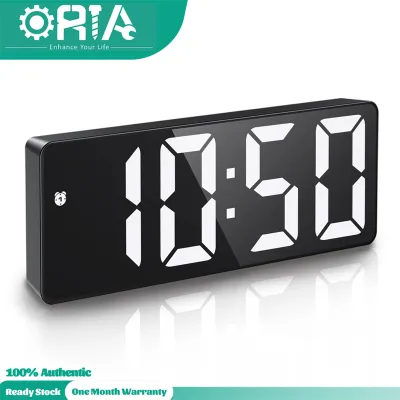
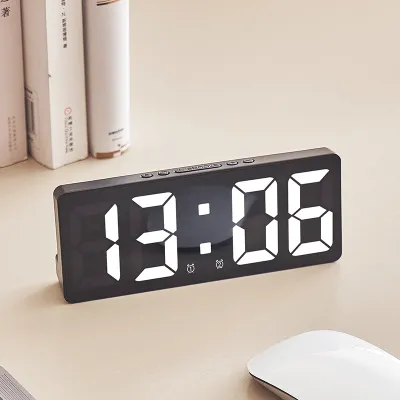
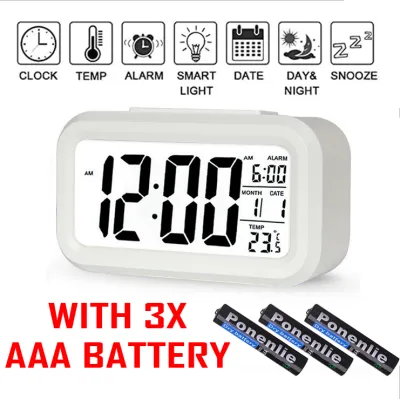
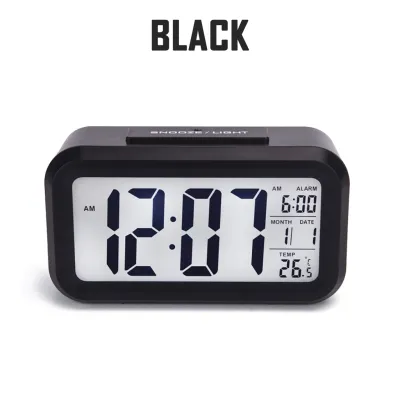
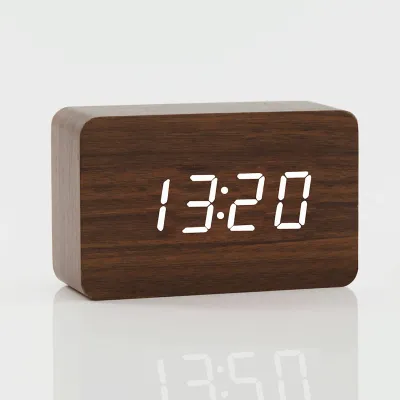
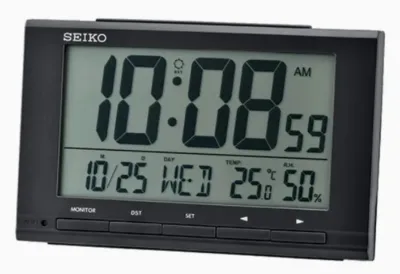
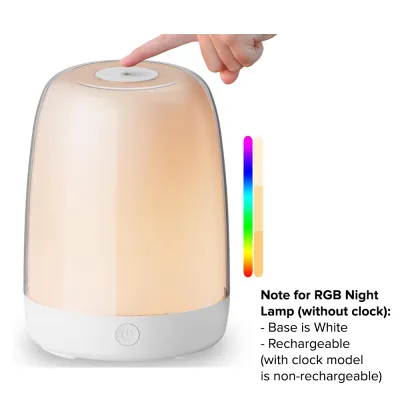

Prices are valid at publication and may change. Please refer to the product page for the latest price.
Visual triggers provide a third layer of sensory disruption. High-intensity light features, such as built-in strobe lights or gradual sunrise simulations, work by altering your sleep environment. Sunrise simulators gradually increase light levels in the room over a period of 10 to 30 minutes before the audible alarm sounds. This gradual exposure to light signals your body to reduce melatonin production and increase cortisol, easing you out of deep sleep naturally. For those who require a more abrupt wake-up call, some heavy-sleeper clocks feature bright, flashing LED strobes that penetrate closed eyelids, forcing the brain to register the change in ambient light.
Finally, complex alarm logic prevents you from accidentally turning off the alarm while half-asleep. Standard clocks feature a large, easily accessible snooze button that can be pressed reflexively. Heavy-sleeper models often incorporate multiple independent alarm settings, allowing you to set backup alarms at close intervals. Some advanced digital clocks even require you to solve a puzzle, complete a physical task, or step onto a pressure-sensitive rug sensor placed across the room to deactivate the sound. This cognitive engagement forces your brain to transition from a groggy state to active alertness, preventing the common pitfall of falling back asleep immediately after silencing the device.
Power and Connectivity Requirements for Reliable Waking
An alarm clock is only as reliable as its power source. For heavy sleepers, a single missed alarm due to a power interruption can disrupt an entire day. This makes a robust battery backup system an absolute necessity. In Singapore, localized power fluctuations or circuit breaker trips can occur without warning. A digital alarm clock with a dedicated battery backup—typically utilizing button-cell batteries like CR2032 or standard AAA batteries—ensures that the internal timekeeping chip and alarm settings remain intact during a power outage. While the main display or the heavy-duty vibration pad may not operate solely on backup battery power, the clock will immediately resume normal operation and trigger the alarm the moment main power is restored.

The method of primary power delivery also impacts the clock’s performance. Digital alarm clocks generally draw power through either a dedicated AC power adapter or a USB cable. Dedicated AC adapters are generally preferred for heavy-sleeper models because they deliver a consistent, high-voltage current necessary to power loud speakers and physical vibration motors simultaneously. USB-powered models offer convenience and can be plugged into standard phone chargers or multi-port USB hubs. However, if you use a low-quality USB adapter or share a hub with multiple devices, the clock may not receive sufficient wattage. This power deficit can lead to dim displays, distorted audio, or weakened vibration intensity. Always check the manufacturer’s input requirements and use the supplied power brick whenever possible.
Relying on wireless connectivity for critical wake-up functions introduces unnecessary points of failure. Smart alarm clocks that depend on Wi-Fi or Bluetooth connections to sync time or trigger alarms are vulnerable to network dropouts, router reboots, and overnight internet service provider maintenance. If your home network goes offline at 3:00 AM, a cloud-dependent alarm may fail to sound in the morning. For absolute reliability, prioritize digital alarm clocks that operate on local, physical circuitry. Any smart features or automatic time-syncing capabilities should be treated as secondary conveniences rather than critical dependencies for your morning routine.
Evaluating Display and Usability for Nighttime Use
While an alarm clock must be powerful enough to wake you, it must not disrupt your ability to fall asleep in the first place. A display that is too bright can illuminate the entire bedroom, interfering with your body’s natural sleep cycle. To maintain proper sleep hygiene, look for digital clocks that feature adjustable brightness levels. High-quality models offer continuous rotary dimming or multiple discrete brightness steps, allowing you to reduce the display to a faint glow. Some clocks feature integrated ambient light sensors that automatically adjust the screen’s intensity based on the light levels in the room, ensuring the display is readable during the day but unobtrusive at night.
The color of the digital display is another critical factor. Many modern digital clocks use bright blue or white LED displays. However, exposure to blue light wavelengths at night suppresses melatonin production and can make it difficult to fall asleep. For a sleep-friendly bedroom environment, prioritize displays that utilize red, orange, or amber light. These warmer wavelengths have a minimal impact on your circadian rhythm and do not disrupt your night vision when you glance at the clock in the dark. If you prefer a white or blue display for daytime visibility, ensure the clock has a complete display-off mode that can be toggled with a single button press.
Usability during the groggy moments of waking up is highly dependent on physical design. Touchscreens and flat, capacitive touch panels have become common on modern electronics, but they are incredibly difficult to operate blindly. When you are half-awake, you need to be able to locate the snooze button or the alarm-off switch by touch alone. Look for clocks with large, tactile, physical buttons that feature distinct shapes or raised textures. The snooze button should be easily distinguishable from the alarm disable button to prevent you from accidentally turning the alarm off permanently when you only intended to delay it for a few minutes.
Building Your Shortlist: What to Check Before Buying
When searching for a digital alarm clock on e-commerce platforms or in local retail stores in Singapore, it is easy to be swayed by exaggerated marketing claims. To build a reliable shortlist, you must verify the technical specifications of each model. Instead of relying on vague descriptions like “ultra-loud,” look for concrete decibel (dB) ratings in the product manual or specification sheet. A true heavy-sleeper clock should specify an output of at least 85 to 100 dB. Similarly, check the specifications of the vibration motor; look for terms indicating high-amplitude vibration rather than simple haptic feedback.
Budget considerations are also important when comparing different types of clocks. Basic digital alarm clocks with standard buzzer tones are highly affordable, often priced under S$20 to S$30. However, if you require specialized features like a physical bed shaker, dual alarm programming, or high-intensity light integration, prices typically range from S$40 to S$80. While it may be tempting to opt for the cheapest model, investing in a high-quality device with certified electrical components is crucial for long-term reliability and safety.
Because sleep depth is highly subjective, a wake-up mechanism that works perfectly for one person might be ineffective for another. Therefore, it is highly recommended to purchase from retailers or online marketplaces that offer a clear, flexible return or exchange policy. This allows you to test the clock’s volume and vibration strength in your actual sleeping environment. If the sensory triggers are not intense enough to disrupt your deep sleep, you can return the product and try a model with a different wake-up mechanism, such as transitioning from a loud buzzer to a physical bed shaker.
Finally, do not overlook the physical dimensions and cable lengths of the device. Measure your nightstand to ensure the clock fits comfortably alongside other bedside items. If you choose a model with a bed shaker, verify the length of the connecting cable. The cable must be long enough to run safely from the clock on your nightstand, down behind the bed frame, and up under your mattress or pillow without being stretched taut or creating a tripping hazard. Additionally, ensure the power adapter is compatible with Singapore’s standard Type G electrical outlets and carries the appropriate safety certifications, such as the Enterprise Singapore Safety Mark, to guarantee safe continuous operation in your home.
Frequently Asked Questions (FAQ)
Can a smart speaker replace a dedicated digital alarm clock for heavy sleepers?
While smart speakers offer convenient voice controls and integration with smart home routines, they are generally less reliable than dedicated digital alarm clocks for heavy sleepers. Most smart speakers lack the high-decibel output and specialized physical vibration accessories, such as bed shakers, that are crucial for disrupting deep sleep. Furthermore, smart speakers rely entirely on a continuous internet connection and external power. If your home Wi-Fi drops out overnight or a brief power outage occurs, the speaker may fail to trigger the alarm. Dedicated digital clocks, equipped with local physical circuitry and battery backups, provide a much higher level of reliability.
Are vibrating bed shakers safe for all types of bed frames?
Vibrating bed shakers are generally safe for almost all standard bed frames, including wooden, metal, and upholstered designs. However, you should check the manufacturer’s guidelines regarding mattress thickness and weight limits to ensure the vibration transfers effectively to your body. If you use an adjustable bed frame, ensure the shaker’s connecting cable has enough slack to accommodate the bed’s movement without pulling on the clock or damaging the wire. Additionally, if you use sensitive medical equipment nearby, consult the equipment manufacturer to ensure the localized mechanical vibrations do not interfere with its operation.

Community discussion
Share your experience or ask a question. Comments are reviewed before publication.