
Choosing a suitable digital night clock is a critical step in designing a bedroom that promotes restful sleep. While a clock’s primary job is to display the time, a poorly designed display or an overly complex interface can disrupt your sleep cycle and clutter your bedside table. To find a model that supports your sleep hygiene, you must look beyond basic aesthetics and evaluate technical specifications like dimming capabilities, sound profiles, and power reliability.
By focusing on how a clock behaves in pitch darkness and how it alerts you in the morning, you can select a device that integrates seamlessly into your nightly routine. This guide breaks down the essential features to look for, helping you make an informed decision for your bedroom setup.
Display Brightness and Dimming Controls
The light emitted by a bedside clock is one of the most common disruptors of deep sleep. When evaluating a digital night clock, prioritize models that offer highly adjustable dimming controls. Manual dimming allows you to select a fixed brightness level that suits your personal comfort, while automatic ambient light sensors adjust the screen’s intensity dynamically based on the room’s lighting conditions. For those who are exceptionally sensitive to light, look for a clock with a “lights out” or display-off mode, which keeps the screen completely dark until you press a button to temporarily illuminate it.
Products mentioned in this guide
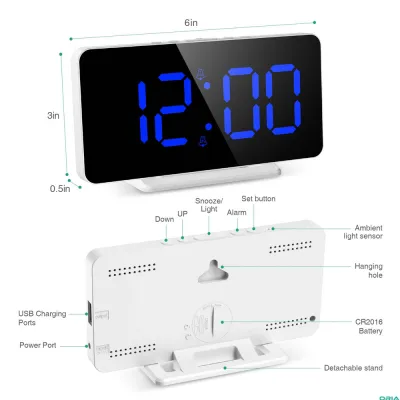
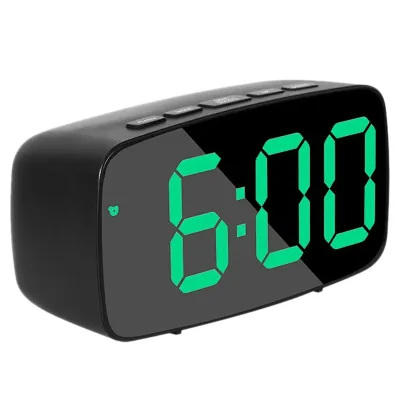
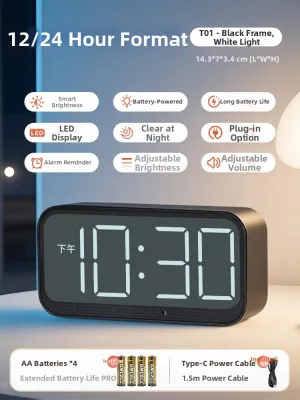
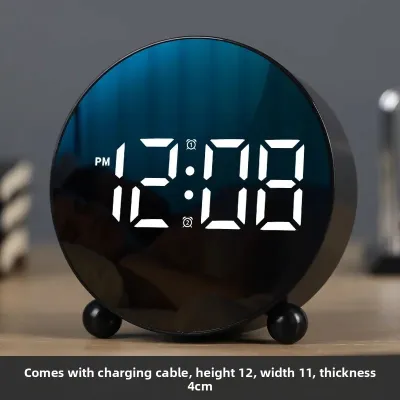
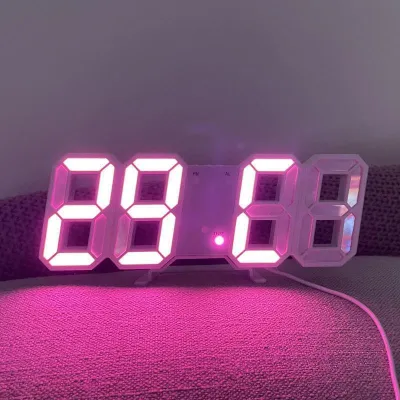
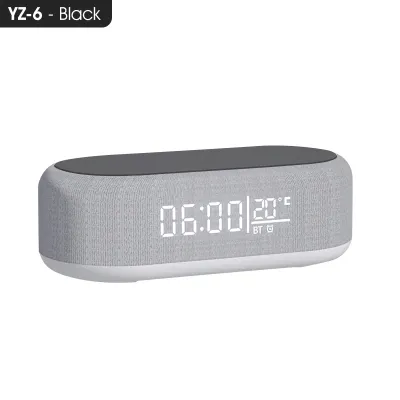
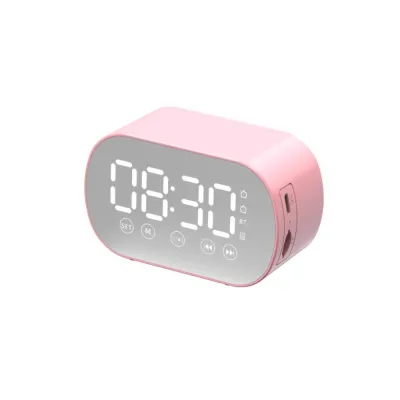
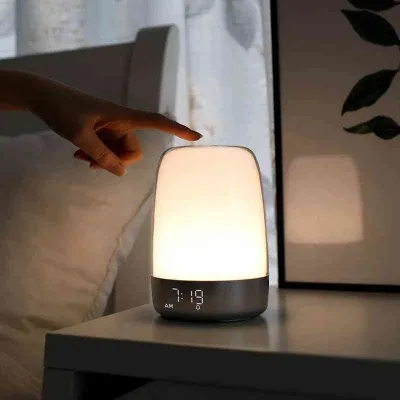
Prices are valid at publication and may change. Please refer to the product page for the latest price.
The color of the digital display also plays a significant role in sleep quality. Standard blue and bright white LED displays tend to emit light wavelengths that can interfere with melatonin production. Instead, look for manufacturer specifications that feature warm red, orange, or amber display tones, which are much gentler on the eyes in a dark room. If you prefer a white or green display, ensure the clock has an ultra-low minimum brightness setting to prevent the screen from casting a harsh glow across your bedroom.
Sound Profiles and Alarm Mechanisms
A peaceful bedroom requires complete quiet during the night. While digital clocks do not have the physical ticking gears of traditional analog clocks, some lower-quality electronic models can emit a faint, high-frequency hum or buzz from their internal circuitry or power adapters. To avoid this subtle distraction, check product descriptions and user feedback to verify that the clock operates completely silently.

When it comes to waking up, the style of the alarm mechanism is just as important as silent timekeeping. Standard, harsh beeping alarms can cause a sudden spike in heart rate and morning stress. Instead, look for clocks that offer progressive or gradual volume increases, which gently ease you out of sleep. Some models also feature natural sound profiles, such as birds chirping or gentle rainfall, providing a more soothing start to your day. Additionally, consider the physical design of the snooze button; a large, easily accessible physical button is much easier to operate in a half-awake state than a flat, touch-sensitive panel that requires precise finger placement.
Power Sources and Battery Backup
A reliable power source ensures that your clock remains functional and your alarms sound exactly when scheduled. Most modern digital night clocks rely on a USB cable or a standard AC adapter for primary power. Before purchasing, verify the included cable length—typically ranging from 1.2 to 1.5 meters—to ensure it can comfortably reach your bedside table from the nearest wall outlet without creating a tripping hazard.
Equally important is a built-in battery backup system. Power fluctuations or brief electrical outages during the night can reset a plug-in clock to its default factory time, causing you to miss critical morning appointments. A battery backup, often powered by a small CR2032 button cell or AAA batteries, retains the clock’s internal time and alarm settings even when the main power supply is interrupted. Always check the manufacturer’s specifications to see what type of backup battery is required and whether it is included in the package.
Evaluating Extra Features for Bedroom Use
Many digital night clocks come packed with secondary features, but not all of them add practical value to a sleep environment. Environmental sensors that display indoor temperature and humidity can be highly beneficial, especially in Singapore’s warm, humid climate, as they help you monitor whether your air conditioning or dehumidifier settings are optimal for sleep.
On the other hand, smart features like Wi-Fi or Bluetooth connectivity require careful consideration. While they offer the convenience of automatic time synchronization and smartphone app control, they can also introduce unwanted notification lights, wireless signals, or complex setup processes that detract from a screen-free bedroom environment. To maintain a restful space, it is often best to skip overly complex specifications like built-in projection lenses, FM radios, or integrated wireless charging pads unless you are certain they will not emit excess heat or light near your head.
Building Your Digital Night Clock Shortlist
To find a suitable digital night clock, start by listing your non-negotiable display and sound preferences, such as a red LED display or a gradual wake-up alarm. Once you have filtered models by these essential specifications, measure the physical footprint of your bedside table. Ensure the clock’s dimensions and weight allow it to sit securely on the surface without crowding essential items like a reading lamp, a glass of water, or your spectacles.
Finally, review the retailer’s return policy and warranty terms in Singapore. Because display brightness, screen color, and alarm tones are highly subjective experiences that vary from person to person, testing the clock in your actual bedroom is the only way to know if it truly suits your needs. Choosing a retailer that offers a straightforward exchange or return policy ensures you can swap the clock if the lowest brightness setting still feels too bright in pitch darkness.
Frequently Asked Questions (FAQ)
Do digital night clocks emit harmful blue light?
While standard LED displays do emit some blue light, the overall intensity is extremely low compared to the screens of smartphones, tablets, or televisions. To minimize any potential sleep disruption, look for clocks that feature warm-colored displays, such as red or amber, or models that offer an adjustable brightness setting that can be dimmed to a near-invisible level at night.
Is a battery backup really necessary for a bedroom clock?
Yes, a battery backup is highly recommended if you rely on your clock to wake up on time. It prevents the clock from resetting during brief power outages or when unplugged, ensuring your alarm settings remain intact. However, if you primarily use your smartphone as your main alarm and only use the bedside clock for a quick time check, a basic plug-in model without a backup system may be sufficient.

Community discussion
Share your experience or ask a question. Comments are reviewed before publication.