
To make a compact Singapore home feel open, bright, and airy, a strategically placed hanging mirror is one of the most effective design tools available. In typical high-density residential layouts, such as HDB flats and condominiums, limited square footage and narrow entryways can sometimes feel restrictive. A well-chosen mirror does more than serve a functional purpose; it acts as a visual window, bouncing natural light deep into recessed areas and doubling the perceived depth of a room. Finding the right mirror involves understanding key design features, evaluating local sourcing options for durability against high humidity, and executing a safe installation.
Selecting the perfect piece requires balancing aesthetic preferences with structural realities. Because a mirror is a significant visual anchor, its shape, frame style, and orientation must align with the architectural flow of your space. By understanding how different design elements manipulate light and perspective, you can transform a cramped hallway, a dim dining nook, or a small bedroom into a seemingly expansive sanctuary.
Key Design Features That Create the Illusion of Space
The scale of a hanging mirror is the single most critical factor in determining its space-expanding capability. Large, oversized mirrors reflect a broader portion of the room and capture more ambient light, creating a powerful illusion of an extended floor plan. In contrast, small accent mirrors tend to fragment the wall surface. While small pieces can serve as beautiful decorative art, they do not offer the continuous, uninterrupted reflections necessary to trick the eye into perceiving a larger room.
Products mentioned in this guide
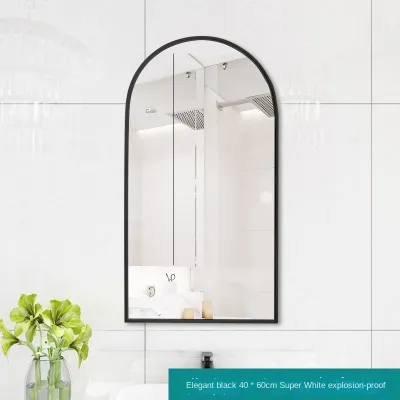
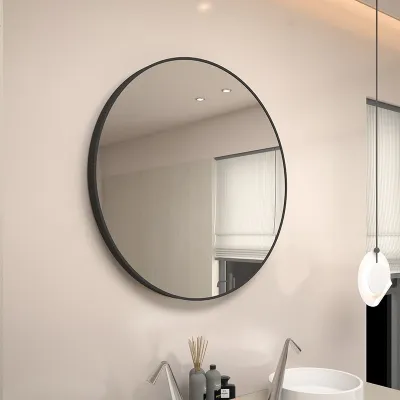
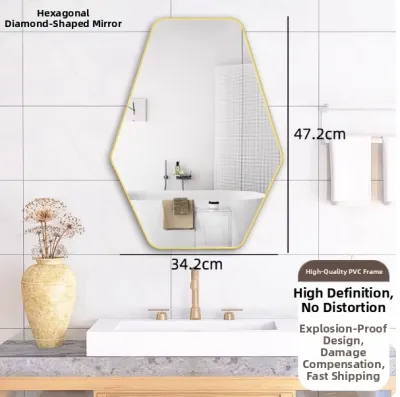
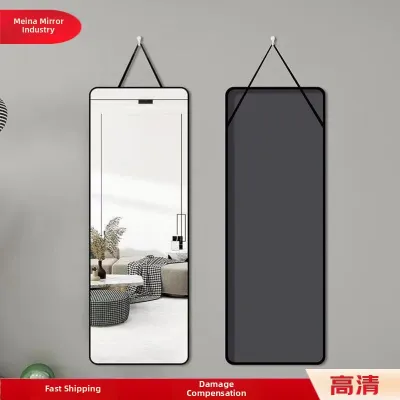
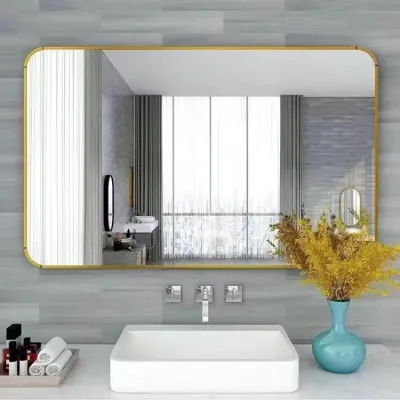
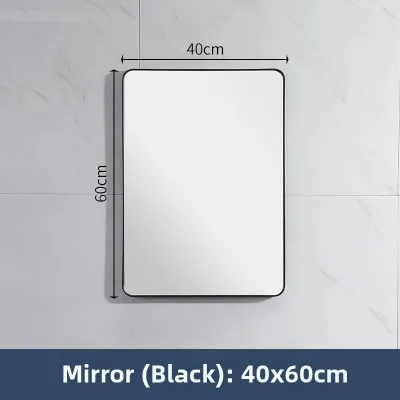
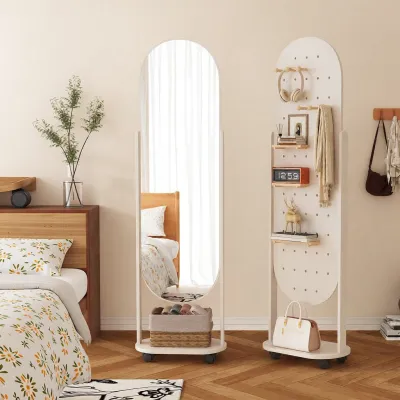
Prices are valid at publication and may change. Please refer to the product page for the latest price.
Frame profiles also play a pivotal role in how a mirror interacts with a compact room. Frameless mirrors offer a clean, seamless transition from the glass to the wall, making the mirror look like an architectural opening or an extra window rather than a hanging object. If you prefer a framed look, thin-edged designs made of slim metal, such as matte black aluminum or brushed brass, provide a minimalist border that defines the shape without cluttering the wall. Thick, heavily ornate frames tend to draw the eye directly to the boundary of the mirror, which can visually crowd a narrow corridor or a small living area.
Orientation dictates how the proportions of a room are perceived. Vertical hanging mirrors draw the eye upward toward the ceiling, emphasizing vertical volume and making low-ceilinged HDB flats feel loftier. Horizontal mirrors stretch the visual plane sideways, making narrow dining walls or living rooms feel significantly wider. When choosing an orientation, assess the primary spatial limitation of your room—whether it lacks height or width—and select a mirror direction that counteracts that specific constraint.
Glass treatments can further refine the spatial effect. Beveled edges catch and refract light along the perimeter, adding a subtle layer of depth and elegance without the visual weight of a physical frame. While clear glass is the gold standard for maximum light reflection, subtle tinting, such as bronze or grey, can soften intense reflections in highly active spaces. However, for the primary goal of maximizing brightness and space, clear, high-clarity glass remains the most effective choice.
How to Evaluate Mirror Brands and Retailers in Singapore
Singapore’s tropical climate presents unique challenges for mirrored glass. High relative humidity can easily penetrate cheap mirror backings, leading to oxidation—commonly known as “mirror rot”—which manifests as unsightly black spots or peeling silvering along the edges. When evaluating brands, look for manufacturers that explicitly specify the use of copper-free silver mirrors. These products feature multi-layer protective backings and advanced edge-sealing technology designed to resist moisture and prevent premature degradation.

Navigating the local retail landscape involves understanding the strengths of different sourcing channels. Specialized local home decor boutiques often curate unique, high-quality design pieces with premium finishes that serve as excellent focal points. For precise, wall-to-wall installations or unique architectural niches, custom glass artisans and local glazing contractors are invaluable. They can cut glass to exact specifications, which is particularly useful if you plan to cover a household shelter door or fit a mirror into an awkward alcove.
Established online marketplaces and ecommerce platforms offer convenience and a vast array of styles, but they require a cautious approach. When sourcing from these platforms, prioritize sellers that provide transparent material specifications and clear product dimensions. Avoid purchasing from listings that lack detailed descriptions of the glass thickness or the backing material, as thin glass is highly prone to distortion, creating a warped “funhouse” reflection that ruins the spatial illusion.
Logistics and handling are critical components of the purchasing process. Oversized glass is exceptionally fragile and difficult to transport. Before finalizing a purchase, thoroughly read customer reviews with a specific focus on packaging safety and delivery reliability. A reputable brand or retailer should offer specialized, insured delivery services. In Singapore, where high-rise living is the norm, ensure the delivery service includes safe transport up lifts and directly into your home, minimizing the risk of transit damage.
Placement and Hanging Guidelines for Maximum Impact
To optimize light distribution, position your hanging mirror adjacent to or directly opposite a primary light source, such as a balcony sliding door or a large window. This placement allows the mirror to capture incoming natural light and bounce it deep into the darker corners of the room. If natural light is limited, placing a mirror behind a stylish floor lamp or adjacent to wall sconces can achieve a similar brightening effect during the evening hours.
Aligning the mirror with key sightlines is essential for creating a seamless visual flow. When you walk into a room, a mirror placed at the end of a hallway or opposite an open doorway extends the visual path, making the home feel interconnected and spacious. Additionally, consider what the mirror will reflect. Positioning a mirror so that it reflects a pleasant view, such as indoor plants or a clean accent wall, enhances the room’s ambiance. Conversely, avoid placing mirrors directly opposite cluttered utility areas, open kitchens, or laundry yards, as this will simply double the visual clutter.
Safety must be your top priority when installing heavy or oversized hanging mirrors. Singapore residential walls generally fall into two categories: solid concrete structural walls or hollow drywall partitions. Hanging a heavy mirror requires matching the hardware to the specific wall type:
- Concrete and Masonry Walls: These require a rotary hammer drill, heavy-duty masonry wall plugs, and robust screws. The anchor must expand securely inside the concrete to support the weight.
- Drywall Partitions: These require locating the internal timber or metal studs using a stud finder. If hanging between studs, you must use specialized heavy-duty hollow-wall anchors, such as toggle bolts. Never rely on standard plastic plugs or adhesive strips for drywall installations.
For exceptionally heavy, oversized, or high-altitude installations, always engage a qualified professional handyman or installation service. Ensure that any drilling path is clear of hidden electrical conduits or water pipes. If you are installing a backlit mirror that requires fixed electrical wiring, always isolate the power supply at the main distribution board and hire a licensed electrician to complete the connection safely.
Building Your Shortlist: What to Check Before Buying
Before making a final decision, create a practical checklist to ensure your chosen hanging mirror meets both your design aspirations and structural requirements. Begin by verifying the exact dimensions of your target wall. Use painter’s tape to outline the proposed mirror footprint on the wall; this simple step allows you to visualize the scale and ensure the mirror maintains a balanced proportion with surrounding furniture and architectural features.
Next, inspect the hanging mechanism provided on the back of the mirror. High-quality mirrors should feature robust, factory-installed D-rings or a French cleat system. French cleats are particularly highly recommended for heavy mirrors, as they distribute the weight evenly across the wall and make leveling much easier. Avoid mirrors that rely on simple wire strings or flimsy top-mounted brackets, which can stretch, degrade, or fail over time under constant tension.
Carefully review the retailer’s return and damage policies. Because glass is inherently fragile, transit damage can occur despite excellent packaging. Confirm that the seller offers a clear, hassle-free replacement or refund policy specifically covering breakage during delivery. This policy should require you to inspect the item immediately upon arrival and report any defects or cracks within a specified, prompt timeframe.
Finally, calculate the total investment in S$. Your budget should account not only for the purchase price of the mirror but also for specialized delivery fees and professional installation costs. While a high-quality, moisture-resistant mirror may carry a higher initial price tag, its durability in Singapore’s humid climate, combined with the safety of professional mounting, represents a valuable long-term investment in your home’s design and structural integrity.
Frequently Asked Questions (FAQ)
How high should a hanging mirror be placed to reflect light?
As a general rule, a hanging mirror should be positioned so that its center sits approximately 1.5 meters from the floor, which aligns closely with the average human eye level. This height ensures that the mirror is functional for daily use while effectively capturing and reflecting ambient light across the room.
If you are placing the mirror above a piece of furniture, such as a console table or a sideboard, leave a gap of 15 to 20 centimeters between the bottom of the mirror frame and the top of the furniture. This gap prevents the arrangement from looking cramped while maintaining a cohesive visual connection between the mirror and the furniture piece.
Do frameless mirrors work better for small spaces than framed ones?
Frameless mirrors are highly effective for small spaces because they eliminate visual boundaries. Without a frame to stop the eye, the reflection blends seamlessly into the wall, creating a stronger illusion of an ongoing room or an open doorway. This makes them ideal for tight entryways, narrow bathrooms, or minimalist living areas.
However, a thin, light-colored, or metallic-framed mirror can also work beautifully. A slim frame provides structural protection for the glass edges—which is particularly useful in high-traffic zones—and can help tie the mirror into the overall design theme of your home without adding unnecessary visual bulk.
What weight limits should I check before installing a large hanging mirror?
Before installation, always weigh the mirror using a scale or check the manufacturer’s product specifications for the exact weight. Standard drywall partitions without stud support typically should not hold items heavier than 5 to 10 kilograms, even with specialized hollow-wall anchors. For mirrors exceeding this weight, you must secure the mounting hardware directly into the wall’s internal studs.
Solid concrete walls can support significantly heavier loads, often exceeding 30 kilograms, provided you use high-quality masonry wall plugs and deep-set screws. If your mirror is exceptionally heavy, or if you are unsure of your wall’s load-bearing capacity, always consult a professional installer to ensure a safe and secure mount.

Community discussion
Share your experience or ask a question. Comments are reviewed before publication.