
Selecting the perfect home fragrance setup requires balancing spatial dimensions, airflow, and the inherent strength of your chosen scent. For those looking to introduce Jo Malone London’s signature scents into their living spaces, understanding how these premium products behave in different environments is key to getting the most out of your investment. Unlike electronic scent machines that rely on mist, these home fragrance options rely on passive evaporation, meaning your room’s physical layout, humidity, and temperature will directly dictate how the scent disperses.
To achieve the ideal balance, you must match the physical size of the diffuser vessel with the specific fragrance family of the oil. A light, citrus-based scent may struggle to fill a large, open-plan living area, while a heavy, woody fragrance in a small bathroom can quickly become overwhelming. By analyzing your space and understanding how different scent profiles behave, you can curate a continuous, welcoming atmosphere that feels perfectly tailored to your home.
Understanding Jo Malone Home Diffuser Formats
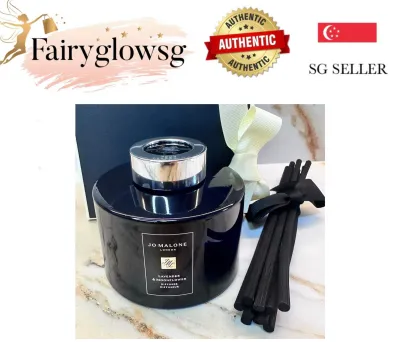
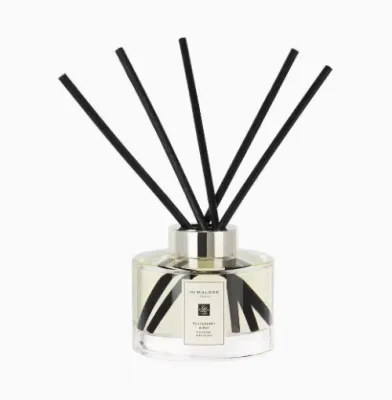
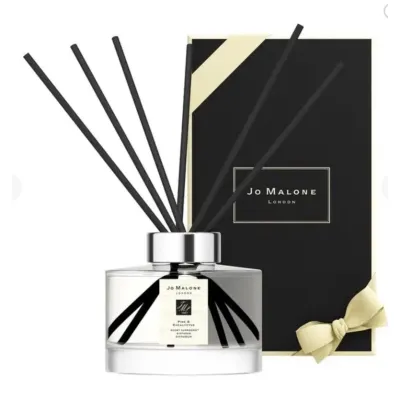
When exploring home fragrance options from Jo Malone London, it is important to clarify what these products actually are. The brand’s primary continuous fragrance offering is the classic Reed Diffuser, often referred to officially as a Home Diffuser. It is a common misconception that the brand manufactures electronic ultrasonic diffusers or nebulizing scent machines; their collection is strictly focused on passive, liquid-based reed systems and complementary ambient products.
Products mentioned in this guide
![[Exclusive Gift] Jo Malone London Scent Surround Diffuser 165ml Set • Luxury reed diffusers are designed to fill a room with ever-present scent](https://img.lazcdn.com/g/p/d16ed726ba4667576626e3e6ffa2dcb1.jpg_400x400q80.jpg_.webp)
![[LIMITED EDITION] Jo Malone London Green Tomato Vine Diffuser 350ml • An abundance of sprightly tomato vines release their vibrant herbaceous aroma and earthy tang](https://img.lazcdn.com/g/p/e867ed635a5ed63ced8c35f800569b5b.jpg_400x400q80.jpg_.webp)
Prices are valid at publication and may change. Please refer to the product page for the latest price.
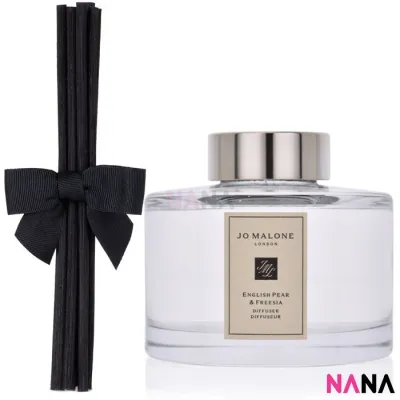
The standard reed diffuser typically contains 165ml of fragrance oil housed in a sleek, signature glass bottle. This format is designed to blend seamlessly into residential decor, offering a subtle visual presence while continuously releasing scent through its reeds. For larger spaces or those seeking a more dramatic design statement, the brand occasionally offers larger luxury formats, such as 350ml or larger seasonal editions. These larger vessels feature a wider neck and hold a significantly greater volume of oil, allowing for a larger reed bundle that increases the physical surface area for fragrance evaporation.
As a temporary or complementary alternative, Room Sprays offer an entirely different mechanism of scent delivery. While reed diffusers provide a constant, slow-release background aroma, room sprays deliver an immediate, concentrated burst of fragrance on demand. This makes sprays highly effective for rapidly neutralizing odors, preparing a room for guests, or scenting areas with poor air circulation where a passive reed diffuser might struggle to project.
Matching Diffuser Size and Setup to Room Dimensions
Selecting the right diffuser size is a matter of matching the liquid volume and physical reed capacity to the square footage of your room. For compact, enclosed spaces such as bathrooms, entryways, powder rooms, or small home offices, the standard 165ml diffuser is highly effective. In these smaller zones, the air volume is limited, allowing the passive evaporation from a standard set of reeds to build a noticeable, pleasant background aroma without oversaturating the air.

Conversely, open-plan living rooms, dining areas, and high-ceilinged spaces require a more robust setup. Placing a single standard diffuser in a sprawling living-dining area often results in the scent dissipating too quickly, leaving it virtually undetectable. For these expansive zones, a larger luxury diffuser format is much more suitable, as its wider vessel accommodates thicker or more numerous reeds, creating a larger scent throw. Alternatively, placing multiple standard diffusers at opposite corners of a large room can help distribute the fragrance more evenly without creating a single, overpowering localized zone.
The number of reeds you choose to insert into the vessel acts as your primary manual control for scent intensity and oil consumption. Inserting all the provided reeds maximizes the surface area, resulting in a stronger scent throw but accelerating the rate at which the liquid evaporates. If you find the fragrance too intense in a medium-sized bedroom, simply removing a few reeds will slow down the evaporation process and soften the aroma. Always consult the manufacturer’s packaging for general guidelines on expected lifespan, but keep in mind that local environmental factors—such as tropical warmth or the dry, moving air of a constantly air-conditioned room—will significantly accelerate how quickly the oil is consumed compared to cooler, more humid climates.
Navigating Scent Strength and Fragrance Families
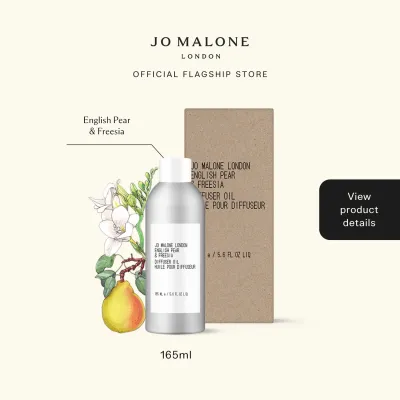
Not all fragrances are created equal when it comes to their natural projection and staying power. Jo Malone London categorizes its scents into distinct fragrance families, and the inherent molecular weight of these ingredients directly impacts how far and how long the scent travels. Citrus and light floral families, such as Lime Basil & Mandarin or English Pear & Freesia, consist of lighter, highly volatile top notes. While incredibly refreshing and uplifting, these scents naturally possess a more delicate throw and tend to dissipate more quickly in large spaces.
In contrast, woody, spicy, and rich floral families—such as Pomegranate Noir, Velvet Rose & Oud, or Myrrh & Tonka—are built on heavy, complex base notes. These ingredients evaporate at a much slower rate, giving them an inherently powerful throw that can easily dominate a room. If you prefer a subtle, barely-there background scent for a bedroom, a lighter citrus or green fragrance is ideal; if you want a rich, enveloping signature aroma that greets you the moment you step into your home, a woody or spicy blend is the more reliable choice.
For those who enjoy a highly customized sensory experience, the brand’s philosophy of Fragrance Combining can be applied to home spaces. By placing two different diffusers in adjacent areas—such as a citrus diffuser in the entryway leading into a warmer, woody scent in the living room—you can create a layered transition of aromas. If you are unsure how a specific fragrance family will perform in your home’s unique layout, it is highly recommended to test the scents in person at an authorized boutique or start with smaller discovery formats before investing in a larger, long-lasting diffuser.
Optimizing Placement and Maintenance for Scent Throw
Where you position your reed diffuser is just as important as the scent you choose. To maximize the passive scent throw, place the vessel in high-traffic areas where natural foot traffic creates gentle air currents, helping to carry the fragrance molecules throughout the room. Ideal spots include console tables near entryways, hallways, or eye-level shelving in active living spaces.
However, there are several environmental hazards that can ruin your diffuser’s performance and lifespan. Avoid placing the bottle in direct sunlight or near heat sources, as excessive heat will cause the alcohol carrier and fragrance oils to evaporate at an unsustainable rate, drying out the reeds prematurely. Similarly, placing a diffuser directly under or opposite an air-conditioning vent or fan will blow the scent away too quickly, stripping the room of its ambient aroma while rapidly draining the liquid. While bathrooms are popular spots for diffusers, high humidity without proper ventilation can saturate the reeds with moisture, preventing them from drawing up and releasing the oil effectively.
Maintaining the reeds is a simple yet essential task to keep the fragrance fresh. Over time, the exposed tops of the reeds can become dry or clogged with airborne dust, reducing their capillary action. To refresh the scent throw, carefully flip the reeds upside down so the saturated ends are exposed to the air. Doing this once every one to two weeks is generally sufficient; flipping them too frequently will cause the oil to be consumed much faster. Always perform this flip over a sink or a protected surface, as the fragrance oil can permanently stain, discolor, or strip paint, varnish, and wood finishes if spilled. Additionally, ensure the diffuser is placed on a stable coaster or decorative tray, completely out of reach of curious pets and young children.
Decision Framework: Which Setup Is Right for You?
To finalize your home fragrance strategy, use this practical decision framework to select the ideal setup for your space:
- Choose the standard reed diffuser if you are scenting a compact or enclosed room, such as a bathroom, study, or small bedroom. This format is also ideal if you prefer a subtle, non-intrusive background aroma or enjoy rotating your fragrances frequently to match changing seasons or moods.
- Choose the large reed diffuser if you want to scent an expansive, open-plan living area, dining room, or hallway with high ceilings. This larger vessel provides the physical presence and reed capacity necessary to project a continuous, noticeable fragrance across a wider footprint.
- Choose a room spray instead if you require immediate, on-demand scent control rather than continuous diffusion. This is highly suitable for guest bathrooms, kitchens after cooking, or large, highly ventilated spaces where passive reed diffusers struggle to maintain a consistent scent profile.
- Verify first if you or your household members have sensitivities to specific fragrance families, or if your room experiences extreme airflow dynamics. Always test the scent profile in a physical boutique to ensure the base notes align with your personal preferences before committing to a long-term home fragrance setup.
Frequently Asked Questions (FAQ)
Can I use Jo Malone perfume or oils in an electronic ultrasonic diffuser?
No, you should never use Jo Malone perfumes, colognes, or standard reed diffuser refills in an electronic ultrasonic or heat-based diffuser. These products are formulated with specific alcohol carriers, solvents, and synthetic or natural fragrance compounds designed solely for passive evaporation or skin application. Introducing them into an electronic machine can damage the internal plastic components, clog the ultrasonic membrane, or create a potential fire hazard due to the alcohol content. Furthermore, heating or nebulizing these specific formulations can alter the chemical structure of the fragrance, degrading the scent profile and potentially releasing irritating vapors into the air. For electronic machines, always stick to dedicated, water-soluble essential oils or manufacturer-approved diffuser liquids.
How does air-conditioning affect the diffuser's lifespan and scent throw?
Air-conditioning has a dual effect on reed diffusers, primarily driven by temperature reduction and dehumidification. The dry, moving air generated by an air-conditioning unit accelerates the evaporation of the liquid carrier, which can significantly shorten the overall lifespan of your diffuser. At the same time, the constant drafts can disperse the scent molecules too rapidly, making the fragrance feel faint or localized to a specific corner rather than evenly distributed. To mitigate this in air-conditioned environments, consider reducing the number of reeds in the vessel to slow down evaporation, and place the diffuser away from direct air currents in a more sheltered spot where the ambient scent can pool naturally.

Community discussion
Share your experience or ask a question. Comments are reviewed before publication.