
Home decor often blends personal passions with functional design, allowing you to showcase your interests while maintaining a practical living space. Nintendo-themed table clocks have evolved from simple novelty items into highly sought-after decorative accents that bridge the gap between nostalgic fandom and daily utility. Whether you are looking to add a playful touch to a bedroom, complete a dedicated gaming setup, or find a unique gift for a lifelong fan, choosing the right clock requires balancing visual appeal with practical timekeeping features.
Selecting a clock involves evaluating how its design coordinates with your existing furniture, lighting, and overall room aesthetic. The market offers a diverse range of styles, from highly detailed console replicas to minimalist pixel-art motifs. This guide explores the primary design categories and provides a clear framework to help you match the clock’s style and features to your specific space or recipient.
Exploring the Main Styles of Nintendo Alarm Clocks
Design philosophies for gaming-themed timepieces vary widely to accommodate different tastes and settings. Some clocks serve as bold, eye-catching centerpieces that immediately draw attention, while others function as understated desk accessories. Understanding these design directions helps narrow down your options based on whether you want a prominent statement piece or a subtle decorative accent.
Products mentioned in this guide
![[Nintendo Official Store] Nintendo Sound Clock: Alarmo](https://img.lazcdn.com/g/p/61c1b66b9d26a39c6301a61b61ddc496.jpg_400x400q80.jpg_.webp)
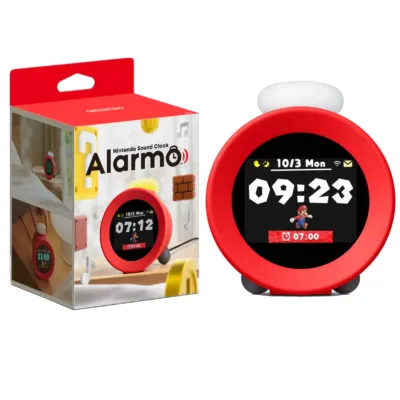
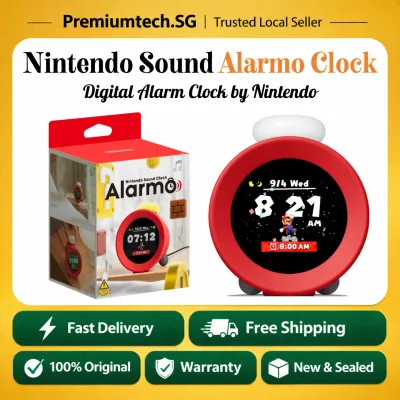
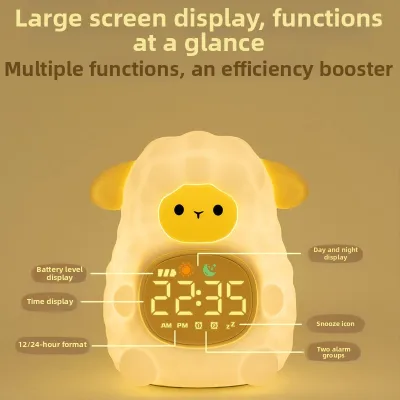
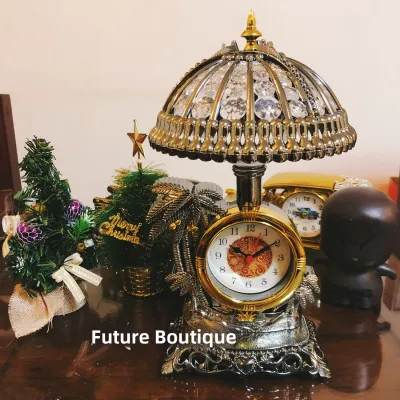
Prices are valid at publication and may change. Please refer to the product page for the latest price.
Console-Inspired Designs
Console-inspired alarm clocks are designed to replicate the exact silhouettes and tactile feel of iconic gaming hardware. Popular designs often mimic classic handhelds like the Game Boy, retro home systems like the Nintendo Entertainment System (NES), or modern hybrid consoles like the Nintendo Switch. These clocks carry significant visual weight, making them excellent focal points for entertainment centers, dedicated gaming rooms, or retro-themed bedrooms. They serve as functional sculptures that celebrate the history of gaming hardware.
Many of these models incorporate interactive elements, such as using the console’s physical D-pad or face buttons to set the time, adjust the volume, or snooze the alarm. This tactile interaction adds a layer of playfulness to a mundane morning routine. The displays are typically digital, designed to look like retro game screens, which enhances the nostalgic experience while providing clear, legible timekeeping. Because they mimic actual hardware, they fit naturally alongside other electronics, media storage units, and gaming consoles, creating a cohesive look on any shelf or media console.
Character and Mascot Themes
For those who prefer a more vibrant and expressive aesthetic, character-themed clocks bring beloved mascots directly to your bedside table. Franchises such as Super Mario, Pokémon, and Animal Crossing frequently feature in these designs, offering a cheerful and welcoming presence. These clocks generally fall into two categories: three-dimensional sculpted figures that double as decorative statues, and flat, two-dimensional silhouette or printed designs that focus on clean lines and graphic art. Sculpted models often feature characters holding the clock face or standing alongside it, making them highly collectible items.
While highly appealing for children’s bedrooms or dedicated fan display shelves, bold character designs can sometimes clash with minimalist, modern, or highly formal room aesthetics. When selecting a character clock for a shared or multi-use space, it is helpful to consider how its colors and shapes coordinate with the existing furniture and wall decor. A well-placed character clock can add a playful pop of color without overwhelming the room. Additionally, consider whether the clock uses an analog face with ticking hands or a silent digital display, as ticking sounds can sometimes disrupt light sleepers.
Subtle Gaming Elements and Pixel Art
If you prefer an understated approach to home decor, clocks featuring subtle gaming elements or classic pixel art offer a sophisticated way to showcase your interests. These designs often focus on iconic, universally recognized symbols—such as a Question Block, a pixelated heart container, or a minimalist franchise logo—rather than full character figures. Because they rely on clean geometric shapes and classic 8-bit or 16-bit aesthetics, these clocks integrate seamlessly into home offices, study desks, and adult bedrooms. They provide a nostalgic nod to gaming history without dominating the room’s visual landscape.
These minimalist styles are particularly popular in modern retro-wave, vaporwave, or Scandinavian-style interiors where clean lines and blocky shapes are appreciated. Furthermore, these designs often prioritize standard clock readability and straightforward digital or analog displays over complex novelty shapes, making them highly practical for daily use. They offer a balanced option for professionals who want to personalize their workspace while maintaining a clean, organized environment. Many of these models also feature ambient lighting options, allowing them to double as soft nightlights or desk lamps.
Matching the Clock Style to Your Room or Gift Recipient
Selecting the ideal Nintendo alarm clock involves analyzing where the clock will sit and who will use it. Different environments demand different functional priorities and aesthetic boundaries.

For bedrooms, sleep hygiene and nighttime usability are paramount. A clock placed next to a bed must be easily readable in the dark without emitting an overly bright glare that disrupts sleep. Look for models that offer adjustable display brightness or a temporary backlight that activates only when a button is pressed. The nature of the alarm sound is also critical; a gentle, ascending volume or a pleasant, recognizable game melody is often preferable to a harsh, jarring buzzer. While vibrant character-themed clocks are excellent for children’s bedrooms, adult sleeping spaces often benefit from the calmer, more structured look of pixel-art or minimalist console designs.
In home offices and study areas, the clock should serve as a functional tool and a subtle conversation starter rather than a source of distraction. Desk space is often limited, so a compact footprint is essential. Console-inspired designs or sleek pixel-art blocks fit naturally alongside computer monitors, keyboards, and stationery. These styles add a touch of personality to a professional environment while maintaining a clean, organized workspace. They can also help you keep track of time during long study or work sessions without needing to look at your phone.
When choosing a clock as a gift, the key is to align the design with the recipient’s personal gaming history. A lifelong fan who grew up in the 1980s or 1990s will likely appreciate a retro NES or Game Boy replica, while a younger fan might prefer a modern Nintendo Switch style or a character clock featuring characters from Animal Crossing or Pokémon. Pay close attention to the packaging quality and whether the clock is ready for display out of the box, as some models may require specific batteries or power adapters that should be gifted alongside the clock.
For shared living spaces, such as family rooms or hallways, the clock should complement the existing interior design. Subtle gaming elements, such as a minimalist clock face with small iconic details, can blend beautifully with modern furniture. Choosing a clock with a color scheme that matches your walls or shelving helps integrate the piece naturally, ensuring it feels like a deliberate design choice rather than an afterthought.
Key Features and Specifications to Verify Before Purchase
Before finalizing your purchase, it is essential to evaluate the technical specifications of the clock to ensure it meets your daily needs and safety standards.
First, consider the power source. Battery-operated clocks offer excellent portability and eliminate unsightly cords, making them ideal for floating shelves or bedside tables without nearby outlets. However, they require periodic battery replacements, so you should verify the required battery type (such as AA or AAA) and estimated battery life. On the other hand, USB or mains-powered clocks provide continuous, reliable operation without the worry of a dying battery. If choosing a plug-in model, consider your cable management setup and ensure the cord is long enough to reach your outlet safely without creating a tripping hazard.
Second, examine the display technology. LED displays are highly visible and often feature vibrant colors, but they can be too bright for sensitive sleepers unless they include a reliable dimming function. LCD displays are typically softer on the eyes and highly readable in well-lit rooms, but they may require a built-in backlight for nighttime viewing. Always check the manufacturer’s specifications regarding viewing angles and dimming levels to ensure the time remains legible from your bed or desk.
Third, assess the alarm functionality. A reliable alarm clock should offer customizable features such as adjustable snooze durations, ascending volume controls, and easy-to-reach physical buttons. If you have a varied schedule, look for models that allow you to set multiple alarms or feature a weekend skip mode. Additionally, for mains-powered clocks, verify if there is a battery backup system; this ensures your alarm settings and time are retained during a temporary power outage.
Finally, prioritize build quality and safety. Ensure the clock has a stable, weighted base to prevent it from easily tipping over when you reach for the snooze button in the morning. If the clock is intended for a child’s room, verify that it is constructed from durable, non-toxic materials and lacks sharp edges. For any plug-in or USB-powered device, check for appropriate electrical safety certifications recognized in your region to guarantee the internal circuitry is safe for continuous home use.
Finding Authentic Products and Checking Seller Credentials
Because of the immense popularity of Nintendo franchises, the market contains numerous unlicensed imitations and low-quality knockoffs. Sourcing your clock from reputable channels is crucial to ensuring you receive a safe, durable, and high-performing product.
To guarantee authenticity, always prioritize purchasing from official brand stores, authorized toy and electronics retailers, or well-established online marketplaces. When shopping on larger ecommerce platforms, look for listings that are explicitly marked as shipped from and sold by the platform itself or verified official brand partners.
When examining the product or its packaging, look for official licensing indicators. Genuine Nintendo merchandise almost always features high-quality packaging with crisp, clear printing, official holographic authenticity stickers, and precise trademark symbols (such as ™ or ®) near the logos. The physical clock itself should have clean paint lines, well-fitted seams, and a solid, premium feel.
Be highly skeptical of unusually low prices. If a clock is priced significantly below the average market rate for licensed merchandise, it is highly likely to be an unlicensed copy. These imitation products often bypass critical electrical safety testing, use inferior plastics that degrade quickly, and may feature distorted audio or inaccurate timekeeping mechanisms. Reading customer reviews and checking seller ratings can provide valuable insights into the reliability of the seller.
Lastly, always review the retailer’s return and warranty policies before completing your purchase. A reputable seller should offer a clear return window in case the clock arrives with display defects, missing components, or shipping damage. This protection ensures that your investment is secure and that you can enjoy your new decorative timepiece with peace of mind.
Frequently Asked Questions (FAQ)
Do Nintendo alarm clocks require special batteries or adapters?
Power requirements vary strictly by individual model. Many portable and character-themed clocks run on standard AA or AAA alkaline batteries, which are widely available. Other models, particularly those with digital displays or interactive lights, may require a USB power cable connected to a standard 5V power adapter. Always check the product specifications or packaging before purchase to identify the exact voltage and battery requirements. Using an incorrect power adapter with a higher voltage than recommended can overheat the clock and permanently damage its internal circuitry.
How can I verify if a character-themed clock is officially licensed?
You can verify authenticity by closely inspecting the packaging and the product’s physical details. Officially licensed Nintendo products feature crisp, high-resolution printing on the box, official holographic security stickers, and correct trademark symbols. Authorized retailers will also clearly state the licensing details in their product descriptions. In contrast, unlicensed imitations often exhibit telltale signs such as poorly aligned paint, misspelled character or franchise names, flimsy packaging, and a lack of official branding marks on the underside of the clock.

Community discussion
Share your experience or ask a question. Comments are reviewed before publication.