
To establish a reliable morning routine, choosing the right alarm clock involves navigating a diverse market of traditional timepieces, smart home devices, and design-focused lifestyle products. While there is no single brand that suits every sleeper, the most reliable options are those that align with your specific sleep environment, sensory preferences, and technical requirements. By evaluating key factors such as power backup systems, display dimming capabilities, and physical interface designs, you can select a device that ensures you wake up on time without adding unnecessary stress to your bedroom environment.
Core Criteria for Evaluating Alarm Clock Reliability
Defining reliability in table clocks goes beyond simply keeping time. It encompasses the physical durability of the housing, the longevity of the internal quartz crystal or digital processor, and the consistency of the alarm mechanism. A reliable clock must maintain accurate timekeeping, typically drifting no more than a few seconds over several months, to ensure you never miss an important appointment or morning commute.
In Singapore, brief power fluctuations or localized electrical maintenance can disrupt mains-powered appliances. A truly reliable alarm clock must feature a robust power failure resilience system, such as a dedicated battery backup. This secondary power source ensures that the internal clock chip continues to track time and that the programmed alarm settings remain intact, even if the primary electrical supply is temporarily cut off during the night.
Products mentioned in this guide
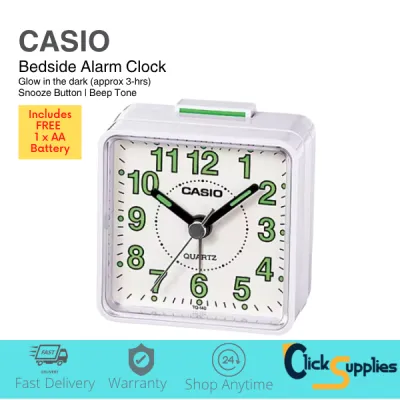
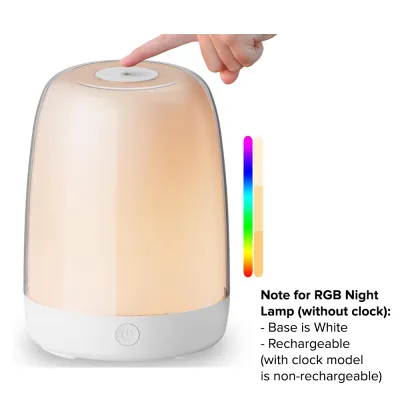
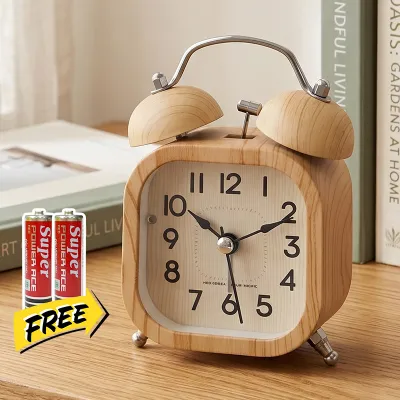
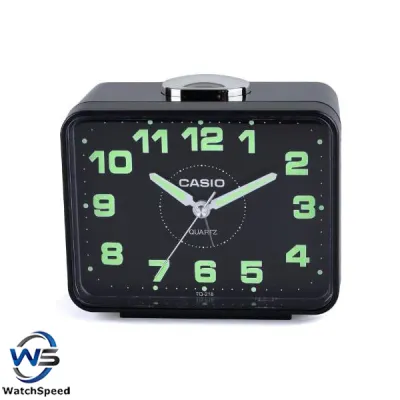
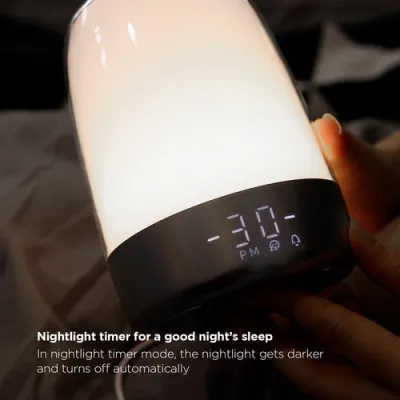
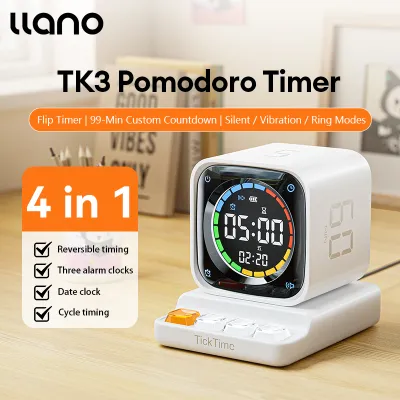
Prices are valid at publication and may change. Please refer to the product page for the latest price.
While modern clocks offer a myriad of features, from ambient temperature displays to multiple alarm schedules, excessive complexity can compromise daily usability. An over-engineered interface with nested menus and multi-functional buttons increases the risk of user error, such as accidentally disabling an alarm or setting it for the wrong time. The ideal bedside companion balances useful features with straightforward, intuitive physical controls that can be operated easily, even when you are half-awake.
Before selecting a specific brand or model, it is essential to analyze your personal sleep hygiene and morning preferences. Consider whether you are a light sleeper who wakes up to gentle ambient light, or a heavy sleeper who requires a high-decibel acoustic alert. Additionally, evaluate your sensitivity to light during the night; some individuals require a completely dark room to fall asleep, making display dimming features a critical factor in their decision-making process.
Common Alarm Clock Brand Categories and Their Strengths
The alarm clock market is broadly divided into three distinct brand categories, each catering to different lifestyles, aesthetic preferences, and technical needs. These categories include traditional heritage clockmakers, consumer electronics and smart home brands, and design-led lifestyle brands. No single category is universally superior; instead, each offers unique advantages and trade-offs that appeal to different types of users.

A brand’s heritage and core focus heavily influence its product design, build quality, and feature sets. Traditional clockmakers leverage decades of horological expertise to produce highly durable, single-purpose devices. In contrast, consumer electronics brands integrate alarm clocks into broader digital ecosystems, prioritizing connectivity and automation. Meanwhile, lifestyle brands focus on the sensory experience of waking up, utilizing natural materials and soft lighting to create a calming bedroom aesthetic.
Understanding these distinctions allows you to narrow down your choices based on what you value most in a bedside device. Whether you prioritize the absolute simplicity of a mechanical bell, the seamless automation of a smart home routine, or the gentle transition of a simulated sunrise, identifying the right brand category is the first step toward finding your ideal alarm clock.
Traditional Clockmakers and Heritage Brands
Traditional clockmakers and heritage brands are defined by their focus on dedicated timekeeping. These brands typically offer analog and digital models that prioritize mechanical durability, high-quality quartz movements, and physical, tactile buttons. Because these devices are designed with a single primary function in mind, their internal circuitry is streamlined, reducing the likelihood of software glitches or system crashes that can plague more complex electronic devices.
The typical feature set of a heritage alarm clock includes a high-contrast display—either a physical analog face with luminous hands or a clear, segmented LCD screen—and a straightforward menu structure. Physical buttons for setting the time, activating the alarm, and triggering the snooze function are usually large, well-spaced, and highly tactile. Furthermore, these clocks almost always feature reliable battery backup systems, with many models running entirely on standard AA or AAA batteries for months or even years without requiring a mains connection.
However, these traditional models do come with certain limitations. They generally lack smart integrations, meaning they cannot sync with your smartphone, play streaming music, or control other smart home devices. The sound options are typically limited to standard electronic beeps or physical bells, which some users may find jarring. Additionally, their designs tend to be highly utilitarian, focusing more on functional durability than on modern, minimalist aesthetics.
Consumer Electronics and Smart Home Brands
Consumer electronics and smart home brands have redefined the bedside clock by integrating it into the modern digital ecosystem. These brands focus on advanced technological features, transforming the humble alarm clock into a multi-functional hub. Common features include Wi-Fi and Bluetooth connectivity, app-based scheduling, voice assistant integration, and the ability to trigger complex smart home routines, such as turning on smart coffee makers or adjusting smart thermostats when the alarm is dismissed.
While these smart clocks offer unprecedented convenience, they introduce unique trade-offs that must be carefully considered. Because they rely heavily on internet connectivity and cloud services, a temporary Wi-Fi outage or router malfunction overnight can prevent certain smart features from working correctly. Additionally, these devices are subject to ongoing software update cycles, which can occasionally introduce bugs or alter user interfaces. Privacy is another consideration, as many smart clocks feature built-in microphones and cameras for voice control and video calls, requiring users to manage privacy settings carefully.
These high-tech devices are ideal for tech enthusiasts and individuals who already have established smart home systems. The ability to customize wake-up routines with personalized news briefings, traffic updates, and streaming playlists offers a highly tailored morning experience that traditional clocks simply cannot match. However, users must be willing to manage the setup process and accept the dependency on stable home network infrastructure.
Lifestyle, Minimalist, and Design-Led Brands
Lifestyle, minimalist, and design-led brands prioritize the visual and sensory harmony of the bedroom. These brands focus on creating products that double as decorative art pieces, utilizing natural materials such as solid wood, woven fabrics, and matte ceramics. Rather than overwhelming the user with complex digital displays, these clocks often feature hidden LED screens that shine softly through wood veneers or fabric covers, maintaining a clean, uncluttered look when the display is inactive.
The core appeal of design-led brands lies in their focus on a gentle, sensory wake-up experience. Many of these models incorporate sunrise simulation technology, which uses warm-toned LED lights to gradually increase in brightness over a set period before the acoustic alarm sounds. This gradual light exposure mimics a natural dawn, helping to regulate your circadian rhythm and reduce morning grogginess. The accompanying audio options often feature high-quality recordings of nature sounds, such as birdsong, gentle rain, or ocean waves, which increase in volume progressively.
Despite their aesthetic and sensory appeal, design-led clocks can present practical compromises. To maintain a sleek, minimalist exterior, these brands often minimize physical buttons, sometimes relying on touch-sensitive surfaces or complex multi-press sequences for basic settings like adjusting the time or turning off the alarm. Additionally, the focus on compact, elegant designs can limit the maximum volume output of the speakers, making them less suitable for exceptionally heavy sleepers who require loud, high-decibel alerts to wake up.
Key Features to Evaluate for Daily Reliability
Power and Backup Mains power via a wall adapter is convenient for continuous operation and powering bright displays or smart features. However, a reliable battery backup is essential. There is a critical difference between active battery operation, where the clock runs entirely on batteries, and passive battery backup, where a small button cell battery keeps the internal memory active during a power cut but does not light up the display or play the alarm. For maximum reliability, look for models that can trigger a basic buzzer alarm even when running solely on backup power.
Audio and Wake Methods The sound should be evaluated based on frequency, volume control, and variety. High-frequency beeps are highly effective at penetrating deep sleep but can cause a sudden spike in heart rate and cortisol levels. Progressive volume features, also known as crescendo alarms, start at a whisper and gradually increase to a pre-set maximum, offering a more gentle transition to wakefulness. If you are a heavy sleeper, verify the maximum decibel rating of the clock, and look for models that offer adjustable tone frequencies, as lower-frequency tones are often easier for some individuals to hear.
Display and Lighting The bedroom display should not interfere with your sleep quality. Many digital clocks emit high levels of blue light, which suppresses melatonin production and disrupts sleep cycles. When evaluating a clock, look for display technologies that offer adjustable brightness levels, including an auto-dimming feature that uses an ambient light sensor to lower the screen’s intensity in a dark room. Alternatively, look for displays with red, amber, or warm orange backlights, as these wavelengths are less disruptive to sleep. Some minimalist models offer a display-off mode, where the screen remains completely dark until you tap the clock or make a sound, ensuring a pitch-black sleeping environment.
Interface and Snooze The physical layout of the clock’s controls directly impacts its daily usability. The snooze button should be large, easily accessible, and positioned in a way that allows you to locate it blindly by touch. Conversely, the button or switch used to turn the alarm off completely should be distinct in shape, size, or location, requiring a deliberate, conscious action to operate. This physical separation prevents you from accidentally disabling the alarm when you only intended to snooze. Tactile feedback, such as a firm click when a button is pressed, is also crucial for verifying that your input has been registered.
Buying Checklist: What to Verify Before Purchase
Electrical Compatibility When purchasing an alarm clock for use in Singapore, it is critical to verify its electrical specifications. Singapore’s domestic power supply operates at 230V AC and a frequency of 50Hz, utilizing Type G three-pin electrical plugs. If you are buying a mains-powered clock from international online marketplaces, ensure that the power adapter is rated for 230V input and features the appropriate plug type, or look for models that carry local safety certifications. Alternatively, many modern clocks utilize USB-power inputs, which offer greater flexibility; however, you must still ensure you use a high-quality, compatible USB wall adapter that meets the clock’s voltage and current requirements.
Physical Dimensions and Weight Bedside tables often have limited surface area, sharing space with lamps, books, and water glasses. Carefully check the physical dimensions of the clock to ensure it fits comfortably within your available space. Furthermore, consider the weight and stability of the device. A clock that is too lightweight or lacks rubberized grip pads on its base may slide across the table or tip over when you press the snooze button in the morning. A weighted base or a low center of gravity ensures the clock remains stable during daily operation.
Warranty and Support Electronic devices can occasionally suffer from manufacturing defects or component failures. Before finalizing your purchase, check the warranty terms offered by the seller or manufacturer. Opt for brands that provide local warranty coverage in Singapore, as this simplifies the process of obtaining a replacement or repair if the clock malfunctions. Be cautious of products sold with seller warranty only, and verify the duration of the coverage, which typically ranges from six months to a year for consumer electronics.
User Reviews and Return Policies When shopping on ecommerce platforms or online marketplaces, user reviews can provide valuable insights into a clock’s long-term reliability. Filter reviews to look for specific feedback regarding time drift, display failures, or alarm malfunctions. Pay close attention to reviews written after several months of use, as these are more likely to highlight durability issues than initial unboxing reviews. Additionally, familiarize yourself with the platform’s return policy, ensuring you can easily return a defective or non-compliant unit within a reasonable timeframe.
Frequently Asked Questions (FAQ)
Do I need a dedicated alarm clock if I already use my phone?
While smartphones are highly convenient, using them as your primary alarm clock can negatively impact your sleep hygiene. Keeping your phone on your bedside table increases the temptation to engage in late-night scrolling, exposing your eyes to blue light that suppresses melatonin production and delays sleep onset. Furthermore, notifications, messages, and emails can disrupt your sleep throughout the night or create immediate stress upon waking. A dedicated alarm clock serves a single, focused purpose, allowing you to keep your smartphone in another room or out of arm’s reach. This simple boundary promotes a more restful sleeping environment and a more mindful morning routine. For those seeking additional benefits, certain smart or design-led clocks offer features like integrated sunrise lighting or ambient soundscapes that provide a more pleasant wake-up experience than a standard phone alarm.
How can I ensure an alarm clock is loud enough for heavy sleepers?
If you struggle to wake up to standard alarms, you should look for specific hardware features designed for heavy sleepers. Start by checking the manufacturer’s specifications for the decibel output of the alarm; models designed for deep sleepers often produce sounds exceeding 80 to 90 decibels, which is comparable to the volume of a vacuum cleaner or busy traffic. Additionally, look for clocks that offer adjustable tone frequencies, as low-frequency tones are often more effective at penetrating deep sleep than high-pitched beeps. Beyond acoustic volume, consider alternative wake methods. Some specialized alarm clocks include supplementary hardware, such as a physical bed shaker—a small, vibrating pod that you place under your mattress or pillow—or integrated flashing strobe lights. These multi-sensory alerts combine sound, vibration, and light to ensure a reliable wake-up, even for the heaviest sleepers.

Community discussion
Share your experience or ask a question. Comments are reviewed before publication.