
When a sudden power outage occurs in a Singapore Housing & Development Board (HDB) flat, finding a reliable hands-free light source becomes an immediate priority. While many homeowners instinctively search for any available torchlight, selecting a high-quality magnetic flashlight requires looking beyond basic brightness ratings. No single brand or model universally guarantees flawless performance under all conditions; instead, true reliability during an emergency depends on a careful evaluation of battery safety, magnetic holding power, and thermal management. By understanding how these technical factors interact with the unique layout and environmental conditions of a typical HDB flat, you can establish a practical framework to select a dependable tool that will function precisely when you need it most.
Core Specifications to Evaluate for HDB Power Outages
Navigating a blackout in an HDB flat requires a balance of illumination and endurance. Unlike outdoor searchlights that prioritize extreme beam distance, an indoor emergency light needs to flood a room or hallway with usable, glare-free light. For most HDB layouts—ranging from compact two-room Flexi flats to spacious executive apartments—a flashlight capable of producing 100 to 300 lumens is more than sufficient for navigating corridors, locating emergency supplies, or inspecting the distribution board. Operating a light at excessively high brightness levels not only drains the battery rapidly but can also cause uncomfortable glare when reflected off light-colored concrete walls or tiled floors.
The choice of battery chemistry is a critical decision point that dictates how the flashlight should be stored and maintained. Built-in rechargeable lithium-ion batteries offer high energy density, consistent voltage output, and the convenience of USB charging, making them highly cost-effective for regular use. However, they naturally lose charge over time and require periodic maintenance. On the other hand, flashlights powered by replaceable primary batteries, such as lithium AA or AAA cells, boast an exceptionally long shelf life of up to ten years, making them highly reliable for long-term storage. Standard alkaline batteries are widely available but carry a risk of leaking corrosive potassium hydroxide over time, which can permanently ruin the flashlight’s internal contacts during storage.
Products mentioned in this guide
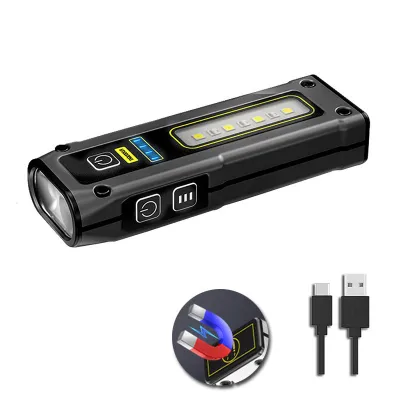
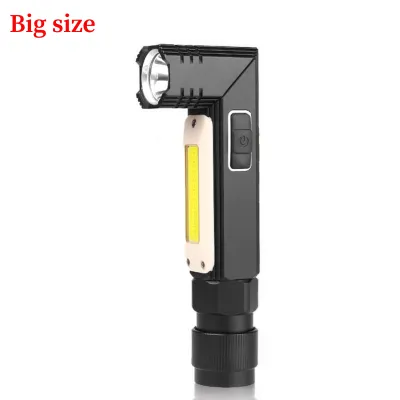
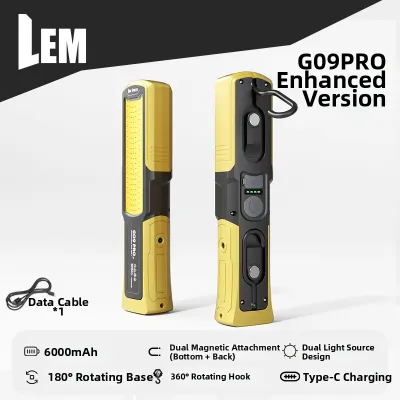
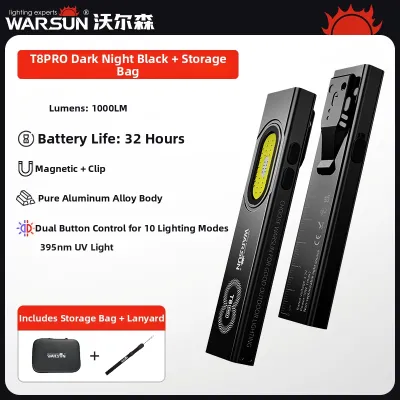
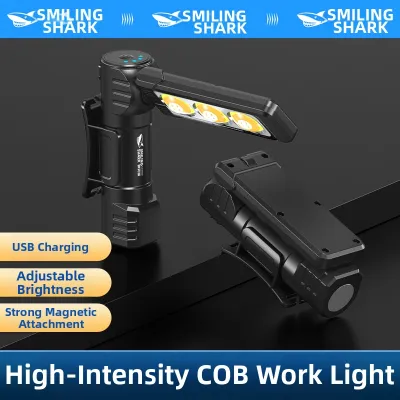
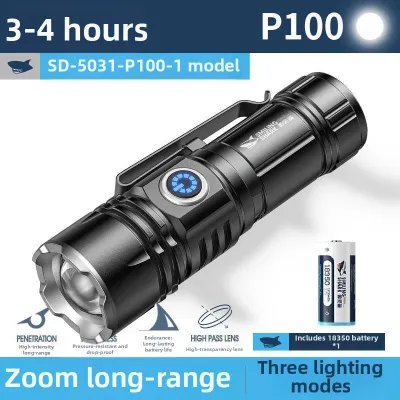
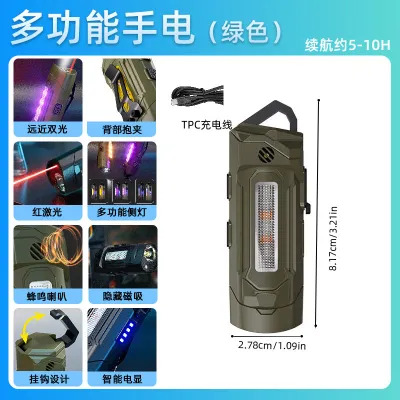
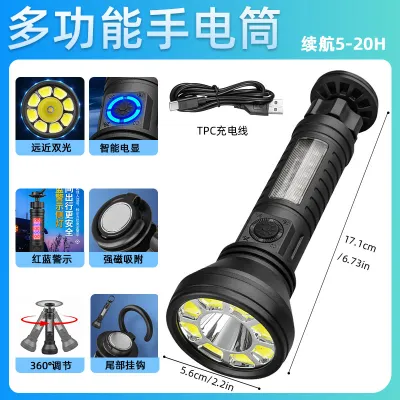
Prices are valid at publication and may change. Please refer to the product page for the latest price.
Thermal management is another vital specification that is frequently overlooked. High-intensity light-emitting diodes (LEDs) generate significant heat during operation. In the warm, humid, and often unventilated environment of an HDB flat during a power outage—particularly inside an enclosed household shelter—a flashlight without adequate thermal regulation can overheat rapidly. This heat not only degrades the efficiency of the LED but can also damage the internal battery chemistry, leading to premature failure or safety hazards. Reliable designs incorporate physical cooling fins, high-quality aluminum housings, or electronic thermal throttling that automatically steps down the brightness when internal temperatures rise.
How to Verify Brand Reliability and Electrical Safety
With a vast array of lighting products available on online marketplaces and local retail shelves, distinguishing between an engineered safety tool and a substandard novelty requires looking at verified certifications. Reputable manufacturers subject their products to rigorous independent testing to meet international safety standards. When evaluating a magnetic flashlight, look for recognized battery safety and electrical certifications on the packaging or official specification sheets. Certifications such as UN38.3 ensure that lithium-ion batteries have undergone safety testing for thermal, vibration, and impact resistance, while CE and RoHS markings indicate compliance with European safety and environmental standards.

Warranty terms and the presence of local after-sales support serve as strong indicators of a manufacturer’s confidence in their product’s durability. A reliable brand typically offers a multi-year warranty—often ranging from two to five years—and maintains an authorized distributor or service center in Singapore. This local presence ensures that if you encounter a manufacturing defect, a failing switch, or a degraded battery, you can easily obtain a replacement or repair without dealing with complex international shipping. Conversely, unbranded or generic white-label flashlights rarely offer more than a basic return window from the point of purchase, leaving you without recourse if the device fails.
To gain a realistic understanding of how a flashlight performs over time, look past the initial, highly positive reviews written immediately after unboxing. Instead, analyze long-term user feedback and community forums, paying close attention to reports of battery degradation, switch failures, or weakened magnetic bases after several months of storage or use. In Singapore’s tropical climate, cheap adhesives used to secure magnets can soften, causing the magnet to detach from the flashlight body. Reading detailed user accounts helps identify these design flaws and ensures you select a brand known for robust mechanical construction.
Assessing Magnetic Grip on Common HDB Surfaces
The primary advantage of a magnetic flashlight is its ability to provide hands-free illumination by adhering to metal surfaces. However, the effectiveness of this feature depends entirely on the materials present within your HDB flat. The most critical location during a power outage is the electrical distribution board (DB box), which is typically housed behind a metal cover or located near the main entrance. A strong magnetic base allows you to mount the flashlight directly to the DB box door or frame, casting light downward so you can safely inspect the circuit breakers or reset a tripped residual current circuit breaker.
Other suitable ferromagnetic surfaces in an HDB flat include the wrought iron or steel main gates, metal door frames, and the steel casings of major household appliances like refrigerators, washing machines, or dryers. However, you must also identify the non-magnetic surfaces where a magnetic base will fail to adhere. Modern HDB flats feature extensive use of aluminum window frames, wooden doors, plastic cabinetry, and composite partition walls, none of which can support a magnetic mount. Additionally, high-grade stainless steel appliances or fixtures often have low magnetic permeability, resulting in a weak or non-existent grip.
When mounting a flashlight to painted metal surfaces, such as the DB box cover or a refrigerator door, there is a risk of scratching or chipping the paint. To prevent this aesthetic damage, look for flashlights that feature protective padding over the magnetic base. High-quality designs utilize a thin, durable layer of rubber, silicone, or soft plastic over the magnet. This padding not only protects your home’s surfaces from scratches but also increases friction, preventing the flashlight from sliding down smooth, vertical metal surfaces under its own weight.
Building Your Emergency Lighting Shortlist
Creating a practical shortlist of candidate flashlights involves balancing your budget against verified technical specifications. While it is tempting to purchase the cheapest option available on an ecommerce platform, extremely low-priced flashlights often compromise on battery safety and build quality. A realistic budget for a reliable, entry-level to mid-range magnetic flashlight typically ranges from S$20 to S$60, while premium models with advanced thermal regulation and high-capacity batteries may cost between S$60 and S$120. Setting this budget helps filter out unbranded alternatives that lack basic safety certifications.
Once you have identified several candidates within your budget, cross-reference their product descriptions with independent specification sheets. Look for compliance with the ANSI/PLATO FL 1 standard, which defines specific testing protocols for light output, run time, beam distance, peak beam intensity, impact resistance, and water resistance. If a manufacturer claims an output of 1,000 lumens for ten hours but does not reference any standardized testing, the claim is highly likely to be exaggerated. A trustworthy brand will provide detailed runtime graphs showing how the brightness steps down over time to preserve battery life and manage heat.
After purchasing your selected flashlight, establish a rigorous post-purchase testing protocol before storing it away for an emergency. Begin by fully charging the battery or installing fresh, high-quality primary cells. Test the magnetic adhesion on various metal surfaces around your HDB flat, ensuring the light remains securely in place at different angles without sliding. Finally, perform a runtime verification test by leaving the flashlight on at your preferred emergency brightness setting in a well-ventilated room, monitoring how long the battery lasts and ensuring the body does not become uncomfortably hot to the touch.
Maintenance and Battery Care for Long-Term Readiness
An emergency flashlight is only useful if it functions reliably when the power goes out. To ensure long-term readiness, establish a regular maintenance routine. For flashlights utilizing rechargeable lithium-ion batteries, set a recurring calendar reminder every three to six months to check the charge level and top up the battery to approximately 60% to 80% of its capacity. Storing lithium-ion batteries at a complete 100% charge or allowing them to drain completely to 0% for extended periods accelerates capacity degradation and can eventually render the battery unusable. If your flashlight uses replaceable primary batteries, store the batteries outside the device in their original packaging to eliminate the risk of parasitic drain or corrosive leakage.
The storage environment within your HDB flat plays a significant role in preserving the lifespan of the flashlight’s components. Singapore’s high relative humidity and warm ambient temperatures can accelerate the oxidation of electrical contacts and degrade internal electronic components. Avoid storing your emergency flashlight in high-humidity or high-heat areas such as the kitchen, bathroom, or service yard. Instead, choose a cool, dry, and easily accessible location, such as a living room cabinet, a drawer near the main entrance, or inside your household shelter.
During your periodic maintenance checks, take a few moments to inspect and clean the physical components of the flashlight. Use a clean, dry microfiber cloth to wipe down the magnetic base, removing any accumulated dust, metal shavings, or debris that could interfere with its magnetic grip or scratch surfaces. Inspect the battery compartment and electrical contacts for any signs of corrosion, oxidation, or dirt. If you notice any light oxidation, gently clean the contacts using a cotton swab dipped in a small amount of isopropyl alcohol, allowing it to dry completely before reassembling the flashlight.
Frequently Asked Questions (FAQ)
Can a magnetic flashlight serve as a permanent HDB corridor light?
A magnetic flashlight is designed primarily for temporary, portable emergency use and is not suitable as a permanent lighting fixture for an HDB corridor. Continuous operation over several hours will rapidly deplete the battery, requiring frequent recharging or replacement. Furthermore, flashlights lack the automated motion sensors, ambient light sensors, and smart home integration found in dedicated corridor lighting fixtures, meaning they would have to be turned on and off manually. Prolonged continuous use can also lead to heat buildup, which degrades the LED and battery over time. For shared HDB corridors, permanent lighting must also comply with specific town council regulations and fire safety guidelines, which portable flashlights are not designed to meet.
What should I do if the magnetic base loses its grip over time?
If you notice that your flashlight’s magnetic base is no longer holding securely, first inspect the magnet for any physical obstructions. Because magnets naturally attract ferromagnetic particles, fine metal shavings, dust, or debris can accumulate on the base, creating a physical gap that significantly reduces holding power. Wipe the base clean with a dry cloth. If the magnet is clean but still weak, check if the adhesive holding the magnet to the flashlight body has degraded, causing the magnet to shift or sit unevenly. Exposure to high temperatures can also cause permanent demagnetization, though this typically requires temperatures well above normal household levels. If the magnetic base is cracked, chipped, or structurally compromised, contact the manufacturer to see if the tailcap can be replaced, or retire the unit to prevent it from falling and causing damage during use.

Community discussion
Share your experience or ask a question. Comments are reviewed before publication.