
Selecting a reliable mini clock brand for your bedside table requires looking beyond basic aesthetics to evaluate display brightness, alarm functionality, and power stability. A dependable bedside clock must keep accurate time without emitting disruptive light or ticking sounds that can interrupt your sleep cycle. By focusing on brands that offer clear specifications, robust build quality, and verified electrical safety certifications, you can find a model that integrates seamlessly into your bedroom environment.
A bedside clock is a highly personal device that directly impacts your sleep hygiene and morning routine. While many generic options are available on online marketplaces, choosing a brand that provides comprehensive product specifications and reliable customer support ensures that your device will perform consistently over time. A high-quality mini clock should offer a balance of clear visibility during the day and non-disruptive operation at night.
When evaluating different brands, it is helpful to establish a clear set of criteria based on your specific sleep habits. Some users require complete darkness and absolute silence, while others need robust, multi-stage alarms to wake up reliably. Understanding these preferences will help you filter through the vast array of available brands and select a model that truly supports your daily schedule.
Products mentioned in this guide


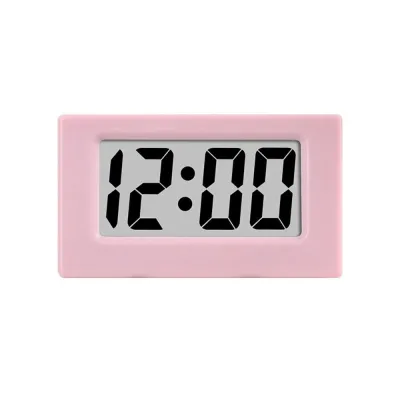
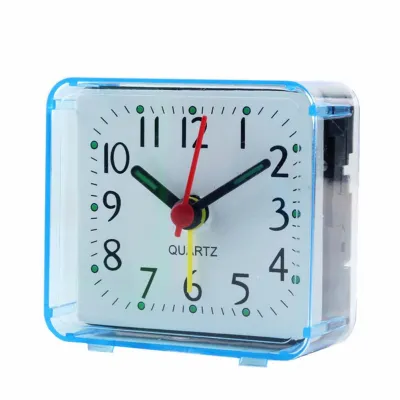
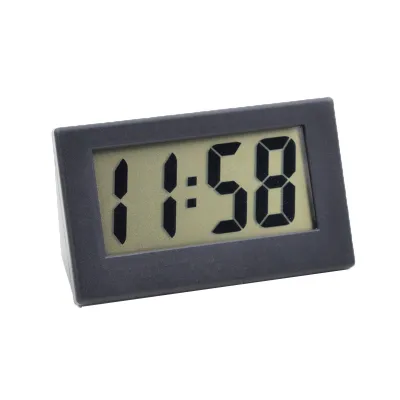
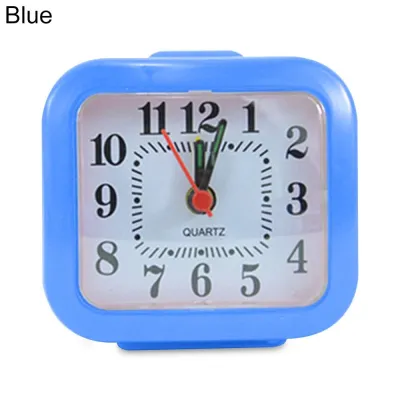
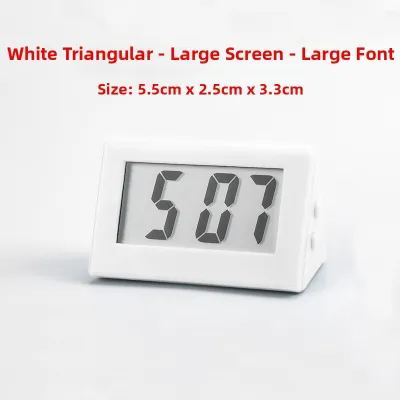
Prices are valid at publication and may change. Please refer to the product page for the latest price.
Essential Bedside Features to Check Before Buying
Before committing to a specific mini clock brand, it is crucial to understand the technical features that define a high-quality bedside device. The most critical aspect of any digital bedside clock is its display management. Brands that design clocks specifically for bedrooms typically include multi-level dimming options or auto-dimming sensors. These sensors adjust the screen brightness based on the ambient light in the room, preventing the display from casting a harsh glow in the middle of the night. If a clock lacks adjustable brightness, even a small screen can emit enough light to disrupt your body’s natural melatonin production and interfere with your sleep quality.
Another essential feature to evaluate is the alarm mechanism, specifically the snooze function and volume control. A reliable bedside clock should offer a progressive alarm system that starts softly and gradually increases in volume. This gentle wake-up method is far less jarring to the nervous system than a sudden, loud blast of sound. Additionally, the snooze function should be intuitive and easy to operate when you are half-awake. Look for brands that design clocks with a prominent, easily accessible snooze button on the top of the device, which helps prevent accidental button presses or knocking the clock off the table.
Power stability is another critical factor that separates reliable brands from low-quality alternatives. A dependable mini clock should feature a robust power backup system, such as an internal compartment for backup batteries or a built-in capacitor. This backup system ensures that if there is a temporary power outage or if the power cable is accidentally unplugged, the clock will retain its time and alarm settings. Without a reliable backup mechanism, you risk missing important appointments due to a reset clock, which defeats the primary purpose of having a dedicated bedside alarm.
For those who prefer a classic aesthetic, analog mini clocks remain a popular choice, but they require careful selection. Traditional mechanical clocks often produce a distinct ticking sound that can be highly distracting in a quiet bedroom. When exploring analog options, look for brands that explicitly specify a silent sweep quartz movement. These movements use a continuous, smooth motion rather than a stepping motor, eliminating the repetitive ticking sound entirely. Verifying this specification in the product documentation is essential to ensuring a peaceful sleep environment.
How to Evaluate Mini Clock Brands for Reliability
With numerous brands offering similar-looking mini clocks, evaluating manufacturer reliability requires a systematic approach. Start by examining the detailed technical specifications provided by the manufacturer. Reliable brands are transparent about their products’ power consumption, display lifespan, and material composition. For instance, a reputable brand will specify the expected lifespan of the LED or LCD panel and detail the exact power requirements of the device. This transparency indicates that the manufacturer has thoroughly tested the product and stands behind its engineering.

Reviewing the user manual before purchasing is an excellent way to gauge a brand’s commitment to quality. Many established manufacturers make their product manuals available for download on their official websites. A well-written, comprehensive manual should include clear setup instructions, detailed troubleshooting steps, and explicit warranty terms. It should also provide contact information for local customer support channels. If a brand only offers a single-page sheet with poorly translated instructions and no clear support contact, it is often a sign of a low-quality, generic product that may not offer long-term reliability.
Physical build quality is a tangible indicator of a clock’s durability and design standards. When examining a mini clock in person, pay close attention to the tactile feedback of the buttons. High-quality buttons should feel firm and responsive, with a distinct click when pressed, rather than feeling mushy or loose. The stability of the clock’s base is also important; a reliable bedside clock should have a low center of gravity and non-slip rubber feet to prevent it from sliding or tipping over easily. Examine the seams and joints of the casing as well; tight, even seams indicate precise manufacturing standards and better protection against dust entry.
Electrical safety is paramount for any device that remains permanently plugged in next to your bed. In Singapore, it is essential to verify that the clock’s power adapter carries the recognized safety certification, such as the Safety Mark. This certification ensures that the adapter has been tested and approved for safe use with the local voltage standards (typically 230V at 50Hz). Brands that supply certified adapters or use standard low-voltage USB interfaces (such as USB-C) offer a higher level of safety and compatibility. Avoid brands that supply uncertified, generic power plugs, as they can pose electrical hazards or cause unstable performance.
Matching Clock Profiles to Your Sleep and Wake Habits
Not all mini clocks are created equal, and the right brand for you will depend heavily on your personal sleep sensitivities and waking difficulties. By categorizing your sleep profile, you can narrow down your choices to brands that specialize in the specific features you need. Whether you are a light sleeper who requires absolute darkness or a heavy sleeper who needs a powerful wake-up call, matching your habits to the right clock design is key to a successful purchase.
For Light Sleepers Needing Total Darkness
If you are highly sensitive to ambient light, even the dimmest display can disrupt your sleep. For this profile, look for brands that offer a complete display shut-off feature, sometimes referred to as a “stealth” or “sound-activated” mode. This feature allows the screen to remain completely dark during the night, lighting up only when you touch the device or make a soft sound. This ensures that your bedroom remains in total darkness, promoting deeper and more restful sleep.
When a display must remain on, the color of the light is highly important. Brands that utilize warm amber, orange, or red LED displays are generally preferable for light sleepers, as these wavelengths of light are less likely to suppress melatonin production compared to blue or white light. Avoid brands that only offer fixed-brightness blue or cool white displays, as these can create a harsh glare in a dark room. Additionally, check user feedback and product specifications for any mentions of “light bleed,” which occurs when light leaks from the edges of the screen or from secondary power indicators, creating unwanted ambient light.
For Heavy Sleepers Requiring Strong Alarms
For individuals who struggle to wake up in the morning, a standard, gentle alarm may not be sufficient. Heavy sleepers should seek out brands that specialize in robust alert mechanisms. Look for clocks that offer progressive audio alarms that increase in volume over time, or models equipped with extra-loud speakers that allow you to adjust the decibel level to your needs. Some specialized brands even offer external physical vibration accessories, often called bed shakers, which slide under your pillow and vibrate physically to wake you up without disturbing others in the household.
When evaluating these high-intensity clocks, check the specifications for adjustable snooze durations and alarm repetition settings. A reliable brand will allow you to customize how long the snooze lasts and how many times it can be repeated before the alarm shuts off automatically. Furthermore, the physical design of the clock is crucial for heavy sleepers. The snooze button should be large, clearly distinguished from other buttons by its texture or shape, and positioned in an easily accessible location on top of the device. This ensures you can easily find and press it in the dark without accidentally changing other settings or knocking the clock over.
Setup and Placement Tips for Optimal Bedside Use
Once you have selected a reliable mini clock, proper setup and placement are essential to ensure its safe and effective operation. Position the clock on your bedside table at an angle that allows you to read the display clearly without having to strain your neck or sit up. However, avoid placing it directly in your line of sight if you are prone to “clock-watching” during sleepless nights, as constantly checking the time can increase sleep anxiety. Placing the clock slightly angled away or a short distance from your pillow can help mitigate this issue while keeping the time accessible when needed.
Cable management is another important aspect of setting up your bedside clock safely. Ensure that the power cable is routed neatly behind your bedside table to prevent it from becoming a tripping hazard or getting tangled with other cords. Avoid pulling the cable taut, as physical strain on the power adapter port can damage the internal connections of the clock over time. If the clock uses a USB power source, ensure it is plugged into a stable, high-quality wall adapter rather than a loose extension cord, which can cause power fluctuations and affect the clock’s timekeeping accuracy.
Routine maintenance will help keep your mini clock looking and functioning like new. Dust can accumulate quickly on bedside tables, settling on the clock’s display and buttons. Clean the screen and casing regularly using a dry, soft microfiber cloth to prevent scratches. Avoid using harsh chemical cleaners or spraying liquids directly onto the device, as moisture can seep into the seams and damage the internal electronics. If your clock has a battery compartment for backup power, check it annually to ensure the batteries have not corroded, and replace them as recommended by the manufacturer’s manual to maintain reliable backup functionality.
Frequently Asked Questions (FAQ)
Do digital mini clocks emit radiation that affects sleep?
Digital mini clocks, like most low-voltage household electronics, emit extremely low levels of non-ionizing electromagnetic fields (EMF). These emissions are well within international safety standards and are generally considered safe for close-range, long-term use. To ensure maximum safety, always verify that the clock and its power adapter carry recognized electrical safety marks, such as the Safety Mark in Singapore. If you have personal concerns about EMF exposure, you can easily minimize any potential contact by placing the clock at least one meter away from your head on your bedside table, or by opting for a battery-powered analog clock with a silent quartz movement.
Why does my mini clock lose time after a power outage?
If your mini clock loses its time and alarm settings during a power outage, it is usually because the backup power source is missing, depleted, or not functioning. Many digital clocks rely on a small internal backup battery, such as a button cell (CR2032) or AAA batteries, to keep the internal microchip running when the main power is cut. Refer to your manufacturer’s manual to locate the backup battery compartment, which is typically found on the bottom or back of the device. If your clock does not have a backup battery installed, or if the battery has run out of power, you will need to install a fresh battery to ensure the clock retains its settings during future power disruptions. Note that some basic or older models may lack a backup power feature entirely, requiring a manual reset after every power interruption.

Community discussion
Share your experience or ask a question. Comments are reviewed before publication.