
When a sudden power outage plunges your Housing & Development Board (HDB) flat into darkness, a reliable mini torch light becomes your most critical tool. Finding a dependable light source requires looking past exaggerated online marketing claims and focusing on verifiable build quality, battery stability, and spatial suitability. A truly reliable emergency torch is one that remains functional after months of storage in a humid utility closet and operates intuitively when you are disoriented in the dark. By understanding the specific technical standards and physical demands of an HDB environment, you can assemble a highly dependable emergency kit.
Understanding Your HDB Blackout Lighting Needs
HDB flats feature unique architectural layouts that dictate your emergency lighting requirements. Modern flats often include reinforced household shelters, compact utility closets, and long, windowless central corridors that become pitch-black during an estate-wide power failure. Storing a bulky, heavy lantern is rarely practical when space is at a premium in these compact layouts. A mini torch light offers a space-saving solution that fits easily into a designated emergency grab bag, a shallow drawer near the entrance, or a wall-mounted bracket inside your bomb shelter.
During a localized blackout, your immediate priority is safely navigating your home to locate your distribution board (DB) box, which is typically situated near the entryway or inside a utility closet. To troubleshoot a tripped circuit breaker, you need a light that is compact enough to hold in one hand—or mount hands-free—while your other hand safely operates the switches. The light must provide a clean, wide beam that illuminates the entire electrical panel without creating harsh, blinding reflections off the plastic casing or metal components.
Products mentioned in this guide
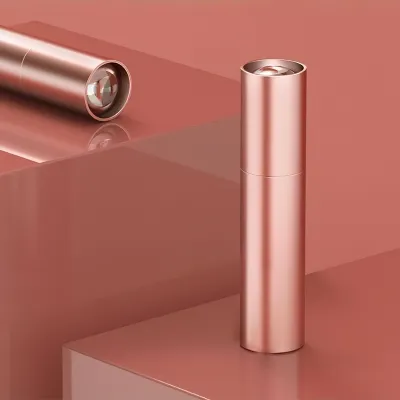
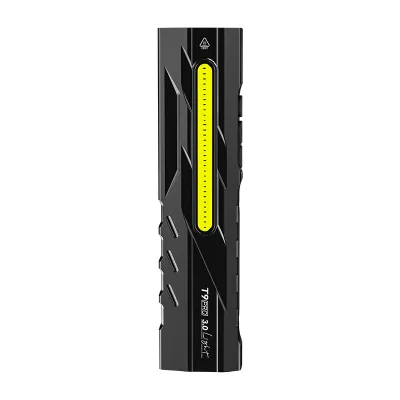
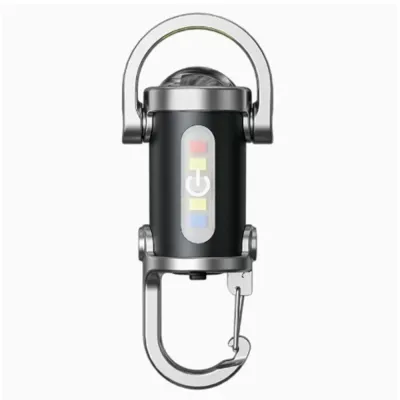
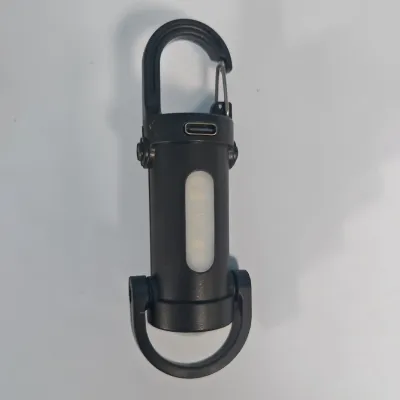
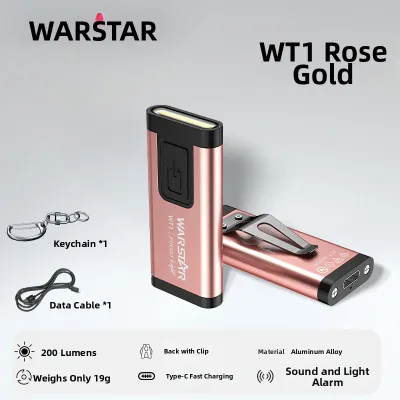
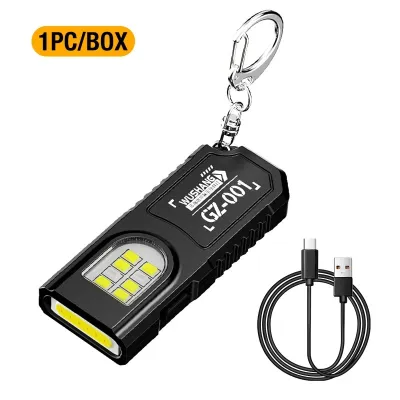
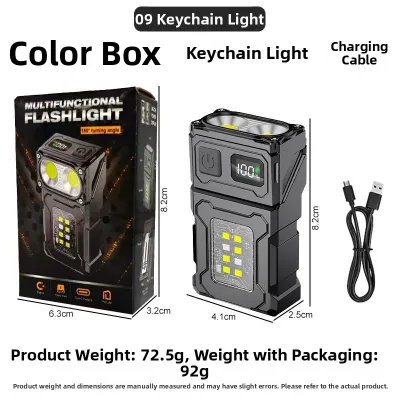
Prices are valid at publication and may change. Please refer to the product page for the latest price.
Navigating the narrow corridors and concrete stairwells of an HDB block during a broader estate outage presents different challenges. If you need to evacuate or assist neighbors, a mini torch must balance a wide floodlight for close-up foot placement with a focused spotlight beam to illuminate signs and steps further ahead. Because HDB layouts are highly compartmentalized, a massive, heavy searchlight is unnecessary; instead, a lightweight, pocket-sized torch with a balanced beam distance of 20 to 50 meters provides the ideal combination of portability and visibility.
Furthermore, the concrete walls typical of HDB construction tend to absorb light rather than reflect it, meaning a weak smartphone light will quickly get lost in larger living rooms or long hallways. A dedicated mini torch with a high-quality optical lens can throw light efficiently across these spaces, ensuring that you can see potential tripping hazards clearly. This makes a dedicated flashlight far superior to a mobile phone, which also preserves your phone’s battery for vital communication during an emergency.
How to Evaluate Brand Reliability and Build Quality
Evaluating the reliability of a mini torch light brand requires looking closely at verified manufacturing standards rather than relying on promotional slogans. High-quality brands construct their torch bodies from aerospace-grade aluminum alloy with a hard-anodized finish, which resists scratches, corrosion, and structural deformation if dropped onto hard terrazzo or vinyl flooring. When reviewing product specifications, look for a verified impact resistance rating, typically measured in meters (such as 1.5 or 2 meters), which guarantees the light can survive accidental drops onto concrete.

Water and dust resistance are equally critical, especially in Singapore’s tropical climate where ambient humidity can degrade internal components. Reliable brands subject their products to standardized Ingress Protection (IP) testing. An IPX4 rating indicates resistance to splashing water from any direction, which is sufficient for indoor use, while an IPX8 rating means the torch can withstand continuous submersion in water. Checking for these verified ratings ensures that the torch seals—such as rubber O-rings and charging port covers—are robust enough to keep moisture and dust out of the delicate internal circuitry.
The internal electronics and battery chemistry represent the true heart of a torch’s reliability. High-quality manufacturers integrate advanced circuit boards that feature over-charge, over-discharge, and short-circuit protections. These safety mechanisms prevent the battery from overheating or degrading prematurely during storage. When evaluating brands, prioritize those that openly publish their battery specifications, provide comprehensive user manuals detailing voltage limits, and offer clear warranty terms with accessible customer support channels to address any technical issues.
Additionally, look for physical design details that indicate thoughtful engineering. Knurling, or the textured pattern on the metal handle, provides a secure grip even if your hands are sweaty or wet. A flat tail-cap design is another excellent indicator of build quality, as it allows the torch to stand vertically on its end like a candle. This “tail-stand” capability lets you bounce light off the ceiling to illuminate an entire room evenly, which is far more comfortable than pointing a harsh beam directly at your family members.
Essential Features for Navigating HDB Layouts in the Dark
Selecting the right functional features ensures your mini torch light is practical and safe to use during a high-stress blackout. The light output, measured in lumens, should be adjustable. While a high mode of 300 to 500 lumens is excellent for illuminating a dark stairwell, a low mode of 10 to 30 lumens is far better for reading a DB box diagram or navigating a small bedroom without blinding yourself. A torch with multiple brightness levels allows you to conserve battery power, extending the runtime significantly during prolonged outages.
The user interface of the torch must be simple and intuitive enough to operate by muscle memory alone. Tactile tail-cap switches are highly favored for emergency kits because they are easy to locate by feel in complete darkness and require a deliberate press to activate, reducing the risk of the light turning on accidentally in your bag. If you choose a model with a side button, ensure it features a physical lockout mode or a recessed design that prevents accidental activation, which could drain the battery completely before an emergency occurs.
Hands-free utility is another invaluable feature when managing a household during a power failure. A mini torch equipped with a strong magnetic tail cap can easily stick to the metal casing of your DB box, a refrigerator door, or steel shelving, instantly converting the directional beam into an area light. Additionally, a sturdy two-way pocket clip allows you to attach the torch to the brim of a cap or a shirt pocket, keeping both of your hands free to tend to family members, prepare food, or handle emergency tools.
Consider also the color rendering index (CRI) of the LED emitter. Standard cheap LEDs often cast a bluish-white light that distorts colors and causes eye strain over time. A torch with a neutral or high-CRI emitter renders colors more accurately, which is incredibly helpful when you are trying to distinguish between red, blue, and yellow wires in your home’s electrical distribution board. This subtle feature can make a significant difference in safety and efficiency during a stressful troubleshooting scenario.
Building Your Shortlist and Verifying Product Claims
When browsing online marketplaces or local hardware stores, you will encounter hundreds of mini torch lights making extraordinary performance claims. To build a reliable shortlist, cross-reference these claims with standardized testing labels, specifically the ANSI/PLATO FL1 standard. This voluntary industry standard ensures that specifications for light output, runtime, beam distance, and impact resistance are measured using consistent, scientific methods. If a brand does not reference these standards, its performance claims may be highly exaggerated.
Be highly skeptical of listings that advertise physically impossible specifications, such as a pocket-sized torch claiming tens of thousands of lumens for a very low price. High-output LEDs generate significant heat, and a true high-lumen mini torch requires sophisticated thermal regulation to step down the brightness automatically to prevent the unit from burning out or causing injury. If a product listing lacks details about thermal management, step-down runtimes, or realistic battery capacities, it is best to remove it from your shortlist.
Establish a realistic budget of S$20 to S$60 for a dependable, entry-level professional mini torch light. Within this price range, you can find models that utilize standardized charging interfaces like USB-C, which allows you to recharge the torch using the same cables and power banks you use for your mobile phone. Prioritize brands that offer replaceable, non-proprietary rechargeable batteries or those that can accept standard backup cells, ensuring that your light remains serviceable for many years without requiring a complete replacement of the entire unit.
When purchasing from online marketplaces, check the seller’s reputation and look for listings that offer local warranty support within Singapore. A brand that maintains a local distributor or a responsive customer service presence is far more likely to honor warranties and provide replacement parts like O-rings or battery tail caps. Avoid unbranded, generic “no-name” lights that lack basic electrical safety certifications, as they often use substandard lithium cells that pose a fire hazard during charging.
Maintaining Your Torch Light for Long-Term Readiness
An emergency torch is only useful if it works the moment you turn it on, which makes routine maintenance essential. Singapore’s high humidity can accelerate contact corrosion and battery degradation, particularly if the torch is stored unused for long periods. If your torch uses disposable alkaline batteries, store them completely outside the device in a cool, dry container; alkaline cells are highly prone to leaking corrosive potassium hydroxide over time, which can permanently ruin the internal contacts of your torch.
For torches utilizing rechargeable lithium-ion batteries, perform a visual inspection every six months. Check the battery contacts for any signs of oxidation, wipe them down with a clean, dry microfiber cloth, and inspect the rubber O-rings around the screw threads. Applying a tiny amount of silicone grease to the O-rings keeps them pliable and maintains the water-resistant seal. Inspect the lens for scratches or dust buildup that could diminish light output, and ensure the charging port cover fits tightly in place.
When storing rechargeable lithium-ion torches, avoid keeping them at a completely flat or fully charged state for years. Storing a lithium-ion battery at approximately 50% to 70% capacity in a cool spot is ideal for preserving its long-term chemistry. If you notice any swelling of the battery casing, persistent overheating during charging, or a rapid loss of charge within minutes of use, stop using the battery immediately. Dispose of damaged lithium-ion batteries safely at designated e-waste recycling points across Singapore to prevent environmental hazards.
It is also wise to keep a small log or set a recurring calendar reminder on your phone to perform these checks. During your bi-annual inspection, take a moment to clean the threads of the torch body with an old toothbrush to remove any accumulated grit or old grease. Reapplying fresh lubricant ensures smooth operation, making it easy to unscrew the cap to swap batteries in a hurry when the flat is completely dark.
Frequently Asked Questions (FAQ)
Can I use standard AA batteries instead of proprietary rechargeable ones?
Standard AA alkaline batteries are highly convenient because they are widely available and easy to store, but they carry a high risk of leaking corrosive chemicals during long-term storage in humid environments. Proprietary or standardized rechargeable lithium-ion batteries offer superior voltage stability, longer runtimes, and better resistance to temperature fluctuations, though they require regular recharge cycles to maintain health. If you prefer standard batteries for backup, opt for high-quality lithium AA batteries, which have a shelf life of up to twenty years and are virtually leak-proof, making them far safer for emergency kits.
How often should I test my emergency torch light?
You should conduct a quick functional check of your emergency torch light once every three to six months. Turn the light on, cycle through all the brightness modes to ensure the switch and driver are functioning correctly, and check the battery level indicator. For rechargeable models, top up the battery if it has self-discharged below 50%. This simple routine ensures that any battery degradation, contact corrosion, or electronic failure is identified and resolved long before you find yourself relying on the light during an actual HDB power outage.

Community discussion
Share your experience or ask a question. Comments are reviewed before publication.