
A reliable tactical torch is an indispensable tool for emergency preparedness in Singapore’s high-density residential estates. While the local electrical grid is exceptionally stable, localized power outages, utility maintenance overruns, or building-wide electrical faults can occasionally plunge an entire Housing & Development Board (HDB) block into darkness. In these situations, relying on a smartphone flashlight is a poor substitute; these consumer devices lack the physical durability, beam distance, and battery longevity required for safe navigation. A dedicated tactical torch, engineered for rugged use and consistent performance, ensures that you can safely manage household tasks, navigate windowless corridors, or evacuate down dark stairwells during an emergency.
Assessing Your Emergency Lighting Needs in High-Rise Living
Living in a high-rise HDB flat introduces specific environmental challenges that dictate your emergency lighting requirements. Unlike landed properties, high-density apartments often feature long, windowless common corridors and enclosed concrete stairwells. If a power failure disables the building’s main lighting and the emergency backup lights fail to activate, these communal spaces become pitch black. Navigating these areas safely requires a light source that can project a clear beam far enough to identify trip hazards, wet floors, or structural obstacles from a safe distance.
At the same time, you must consider the comfort and safety of your neighbors during an evacuation. A tactical torch with an overly intense, unfocused beam can cause severe glare, temporarily blinding others in narrow corridors or stairwells. To prevent this, a suitable emergency torch must offer multiple brightness levels, allowing you to dial down the output when moving through shared spaces. This flexibility ensures you can maintain situational awareness without compromising the vision of those around you.
Products mentioned in this guide
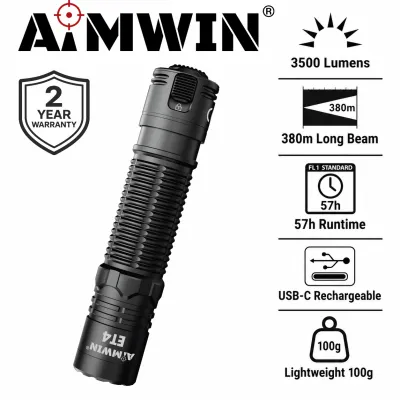
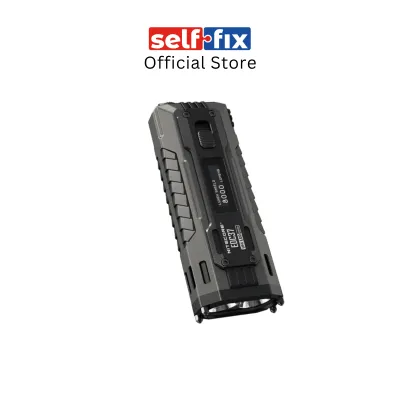
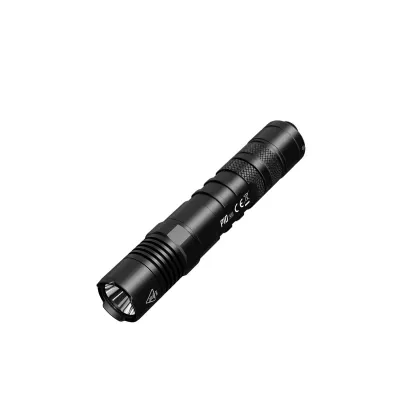
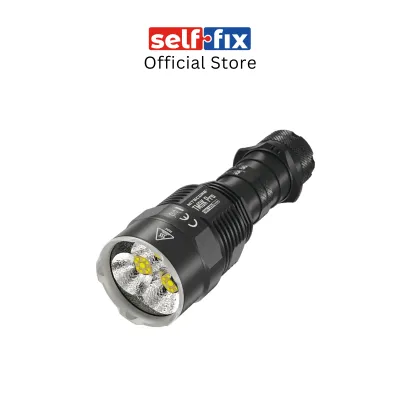
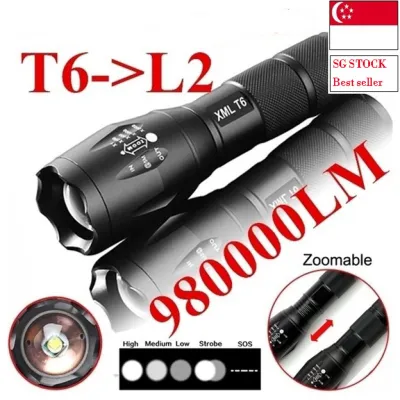
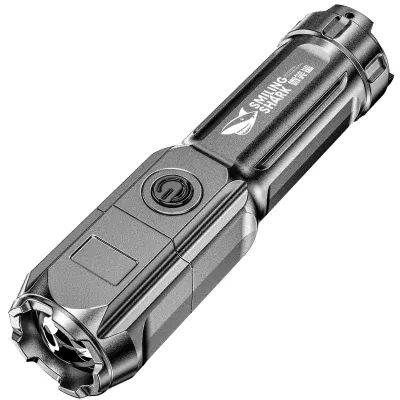
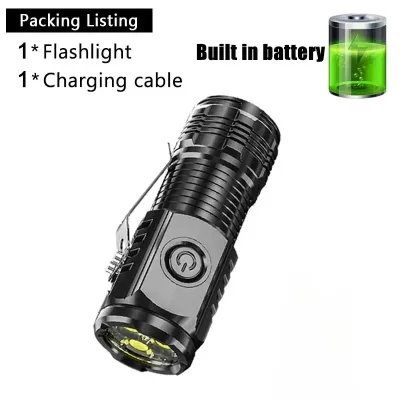
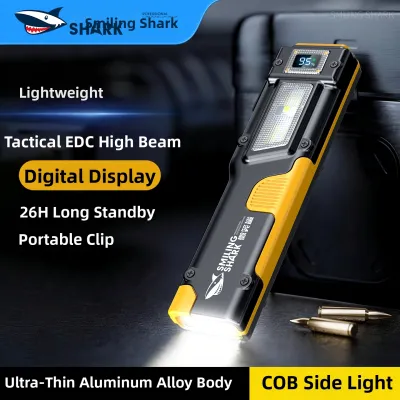
Prices are valid at publication and may change. Please refer to the product page for the latest price.
Inside the flat, the layout of modern HDB units—particularly those with deep household shelters or windowless utility rooms—demands a versatile light distribution. While a highly focused beam is excellent for long-distance outdoor visibility, it can create harsh shadows and intense glare when reflected off close-up indoor walls. A torch that supports low-lumen modes, often referred to as “moonlight” or “firefly” modes of under 5 lumens, is ideal for close-up tasks like reading emergency manuals, checking circuit breakers, or tending to family members without causing eye strain.
Battery runtime expectations must also align with local emergency scenarios. Although most localized power outages in Singapore are resolved within a few hours, a robust emergency plan should account for worst-case scenarios, such as prolonged utility disruptions lasting overnight. Your primary tactical torch should be capable of running continuously on a low or medium setting for at least 12 to 24 hours. This ensures you have dependable illumination throughout the night without the immediate stress of depleting your power source.
Core Reliability Standards for Tactical Torch Brands
When evaluating tactical torch brands for emergency preparedness, physical durability and build quality are paramount. Reputable manufacturers construct their torch bodies from high-grade materials, typically aircraft-grade aluminum alloy (such as 6061-T6). This material provides an exceptional strength-to-weight ratio, ensuring the device can survive accidental drops onto hard concrete floors. Look for torches that specify an impact resistance rating of at least 1 to 1.5 meters, which indicates the device has been tested to withstand repeated drops without internal component failure.

Singapore’s tropical climate, characterized by high relative humidity and frequent heavy downpours, demands superior water ingress protection. A reliable emergency torch should carry a minimum rating of IPX7, meaning it can withstand temporary submersion in water up to 1 meter deep for 30 minutes. An IPX8 rating is even better, offering continuous submersion protection. This level of sealing prevents moisture from corroding the internal electronics or battery contacts, ensuring the torch remains functional even if stored in a humid utility closet or used during a tropical storm.
Thermal management is another critical factor that separates professional-grade tactical torches from cheap alternatives. High-output light-emitting diodes (LEDs) generate substantial heat during operation. In a warm climate, this heat can quickly degrade the LED and the battery if not managed properly. Quality brands integrate advanced thermal regulation circuits that monitor internal temperatures and automatically step down the brightness to a safe level when the torch gets too hot. This protects the internal electronics and prevents the outer casing from becoming too hot to hold comfortably.
A key indicator of a reliable brand is the use of regulated power circuits. In basic flashlights, the brightness drops continuously as the battery voltage declines, resulting in a dim, yellowed light long before the battery is completely dead. A regulated driver circuit, however, maintains a constant, flat brightness level by adjusting the current delivered to the LED as the battery drains. This ensures you receive predictable, high-quality light until the battery is almost fully exhausted, at which point the torch will typically step down to a low-power reserve mode rather than shutting off abruptly.
Finally, pay close attention to the mechanical switch design. Tactical torches generally feature a tail-cap switch, which allows for intuitive, one-handed operation even in high-stress situations. The switch should have a positive, tactile click and be rated for tens of thousands of presses. Brands that use high-quality forward-clicky switches allow for “momentary-on” activation—where the light shines with a half-press and turns off when released—which is highly useful for quick signaling or brief path checks without fully committing to turning the device on.
Critical Features to Look for in an Emergency Torch
Selecting the right tactical torch requires balancing power source availability, user interface simplicity, and beam characteristics. The choice of battery chemistry is one of the most critical decisions for long-term emergency storage. While rechargeable lithium-ion batteries offer superior performance and high energy density, disposable lithium or alkaline batteries have distinct advantages regarding shelf life and ease of replacement during a prolonged crisis.
To help you evaluate the best power source for your household emergency kit, consider the following comparison of common battery types:
| Battery Type | Pros | Cons | Storage Requirements |
|---|---|---|---|
| Rechargeable Lithium-Ion (e.g., 18650, 21700) | High energy density, consistent voltage output, cost-effective over time through recharging. | Higher self-discharge rate; requires a compatible charger or USB source; can degrade if left empty. | Store at 40% to 60% charge in a cool, dry place; check and top up every 3 to 6 months. |
| Disposable Lithium (CR123A) | Exceptional 10-year shelf life; wide temperature tolerance; highly resistant to leaking. | More expensive; less common in neighborhood convenience stores; non-rechargeable. | Keep in original packaging; store away from direct sunlight and extreme heat. |
| Standard Alkaline (AA / AAA) | Extremely common and easy to purchase locally; inexpensive; simple to swap out. | Highly prone to acid leaks over time; low energy density under high-drain settings; short shelf life. | Store completely separate from the torch; inspect annually and replace expired cells. |
The simplicity of the user interface is another vital safety feature. In a sudden power outage or high-stress emergency, you do not want to cycle through complex flashing modes, strobe settings, or programming menus just to get a basic beam of light. A reliable tactical torch should feature a straightforward interface where the primary modes (Low, Medium, High) are easily accessible. Additionally, look for a physical or electronic lockout function. A physical lockout—typically achieved by slightly unscrewing the tail-cap to break the electrical contact—is highly recommended for storage, as it completely prevents the torch from turning on accidentally in a drawer or grab-bag and draining the battery.
Beam profile is the final major consideration. Tactical torches generally fall into two categories: “throwers,” which project a tight, concentrated beam over long distances, and “flooders,” which scatter light widely to illuminate a broad area nearby. For HDB emergency preparedness, a balanced beam profile is ideal. This is usually achieved through a moderately deep reflector that creates a distinct central hot spot for distance viewing (such as looking down a long corridor) surrounded by a wide, gentle spill of light that provides peripheral vision in smaller indoor rooms.
Verifying Brand Specifications and Avoiding Misleading Claims
The portable lighting market is flooded with exaggerated performance claims, making it essential to know how to verify manufacturer specifications. Reputable tactical torch brands adhere to standardized testing protocols, most notably the ANSI/PLATO FL 1 standard. This voluntary industry standard defines specific testing methods for key metrics, including light output (measured in lumens), beam distance (measured in meters), peak beam intensity (measured in candela), runtimes, impact resistance, and water resistance. When shopping, look for the official ANSI/PLATO FL 1 icons on the packaging, which indicate that the claims have been verified through standardized laboratory testing.
Be highly skeptical of unrealistic performance claims, especially on online marketplaces or ecommerce platforms. It is physically impossible for a pocket-sized torch powered by a single battery to produce tens of thousands of lumens for any usable duration. Such claims violate the laws of physics regarding heat dissipation and battery discharge rates. A genuine 1,000-lumen output is incredibly bright and more than sufficient for almost any residential emergency. If a product listing promises astronomical lumen counts at an incredibly low price point, it is a clear red flag indicating low-quality components and potentially unsafe battery configurations.
Another critical aspect of brand verification is checking the runtime graph rather than just the headline numbers. Under the ANSI standard, runtime is measured from the initial turn-on until the light output drops to 10% of its original value. Some lower-tier brands exploit this by designing torches that blast a high output for only a minute or two before dropping drastically to a fraction of the brightness for the remainder of the battery life. Reputable brands publish detailed runtime charts showing how the brightness behaves over time, allowing you to see exactly how long the torch will maintain a usable level of light.
Finally, consider the long-term support and warranty offered by the brand. A high-quality tactical torch is an investment that should last for many years. Reputable brands typically offer multi-year warranties and have established local distributors or specialized retailers in Singapore who can assist with repairs or replacements. Furthermore, check if the brand offers readily available replacement parts, such as spare silicone O-rings, replacement glass lenses, or tail-cap rubber boots. The ability to service your torch ensures it remains a dependable part of your emergency kit for the long haul.
Building and Maintaining Your Emergency Lighting Kit
Owning a high-quality tactical torch is only the first step; maintaining it properly ensures that it will actually work when a crisis occurs. Establish a strict routine testing and battery maintenance schedule. For torches stored with alkaline batteries, it is critical to store the batteries outside of the device. Alkaline batteries are notorious for leaking potassium hydroxide over time, which can completely ruin the internal contacts and barrel of an expensive aluminum torch. If you prefer the convenience of keeping batteries inside the torch for instant readiness, use high-quality disposable lithium CR123A batteries or rechargeable lithium-ion cells, which are far less prone to leakage.
Proper storage conditions are vital to preserving the lifespan of both the torch and its power source. Singapore’s high ambient temperatures and humidity can accelerate battery self-discharge and degrade rubber seals. Store your emergency lighting equipment in a cool, dry, and easily accessible location. Avoid hot areas such as electrical risers, utility closets adjacent to compressor units, or drawers near kitchen appliances. Placing a few packets of silica gel inside your torch storage container or emergency bag is an effective, low-cost way to absorb excess moisture and protect the metal threads and electronic contacts from oxidation.
To maximize readiness, integrate your tactical torch into a dedicated emergency grab-bag, often called a “go-bag” or household emergency kit. This bag should be kept in a highly visible, easily accessible spot near your main entrance or inside your household shelter. Alongside your primary tactical torch, include spare batteries stored in protective plastic cases, a compatible charging cable, a lightweight headlamp for hands-free tasks, and a basic first-aid kit. Ensure that every member of your household knows exactly where this kit is located and understands how to operate the torch, including how to disable any lockout functions.
Frequently Asked Questions (FAQ)
Can I use a tactical torch with a diffuser for general room lighting?
Yes, using a dedicated diffuser is an excellent way to convert a highly focused tactical torch into an effective area light for general room illumination. A diffuser is typically a translucent plastic cone or cap that slips over the bezel of the torch. It works by scattering the concentrated, directional beam of the torch in all directions, creating a soft, ambient light similar to a lantern. This significantly reduces harsh shadows and eliminates the intense glare that can cause eye strain in close quarters, making it much more comfortable for family members to gather, read, or prepare food in a shared living space.
When using a diffuser, keep in mind that the overall throw distance and peak intensity of the beam will be drastically reduced, as the light is spread over a wider area. However, for indoor HDB use during a power outage, this trade-off is highly beneficial. To maximize efficiency, you can place the diffused torch tail-standing on a flat surface like a dining table, or suspend it from a high point to let the light cast downward. If you do not have a commercial diffuser, a clean, translucent plastic bottle or a white silicone cup placed over the lens can serve as a highly effective DIY alternative.
How should I store lithium-ion batteries for long-term emergency readiness?
To preserve the health, capacity, and safety of rechargeable lithium-ion batteries (such as 18650 or 21700 cells) for long-term emergency storage, you must manage both their charge level and environmental conditions carefully. Never store lithium-ion batteries fully charged or completely depleted for extended periods. Storing them at 100% charge accelerates capacity degradation, while storing them completely empty can cause the internal voltage to drop below a safe threshold, permanently damaging the cell or rendering it unsafe to recharge. The optimal storage charge level is approximately 40% to 60% of their capacity, which corresponds to a nominal voltage of around 3.7 to 3.8 volts.
Environmentally, lithium-ion batteries should be stored in a cool, dry place, ideally at temperatures between 15°C and 25°C. Avoid storing them in areas prone to high heat, such as near windows, appliances, or inside vehicles. Always store individual cells in dedicated, non-conductive plastic battery cases to prevent the metal terminals from coming into contact with other metallic objects, which could cause a short circuit. Finally, always remove the battery from the tactical torch during long-term storage to eliminate parasitic drain—the tiny, continuous electrical draw that many modern electronic switches exert even when the torch is turned off.

Community discussion
Share your experience or ask a question. Comments are reviewed before publication.