
Waking up refreshed in a bustling urban environment can be a significant challenge, especially when standard alarms jolt you awake in pitch-black rooms or during deep sleep cycles. A sunrise alarm clock offers a gentler alternative by simulating a natural dawn right at your bedside. Whether you struggle with heavy sleep, wake up at the slightest sound, or share a bed with someone on a completely different schedule, choosing the right device requires understanding how light and sound specifications align with your personal sleep environment.
Understanding How Sunrise Alarms Match Your Sleep Needs
The human body relies on environmental cues to regulate its internal clock, or circadian rhythm. Traditional alarms rely on sudden, loud noises that trigger a stress response, often leaving you feeling groggy and disoriented—a phenomenon known as sleep inertia. Sunrise alarm clocks address this by gradually increasing light levels in your bedroom before your scheduled wake-up time. This gradual exposure signals your brain to reduce the production of sleep hormones like melatonin and begin releasing cortisol, preparing your body to wake up naturally.
Identifying your specific morning pain points is the first step in selecting a device. If you find yourself repeatedly hitting the snooze button only to wake up more tired, your current alarm may be interrupting a deep sleep phase. If you are a light sleeper, a sudden beep might cause morning anxiety, whereas a gradual light transition can ease you into consciousness. For those in shared bedrooms, the challenge lies in waking up one person without disturbing the other, which requires careful management of light direction and volume.
Products mentioned in this guide
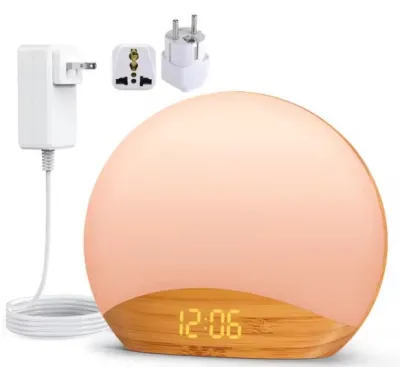
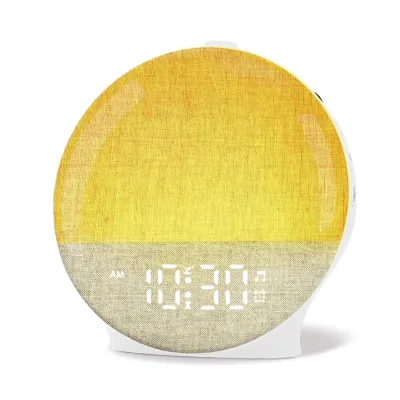
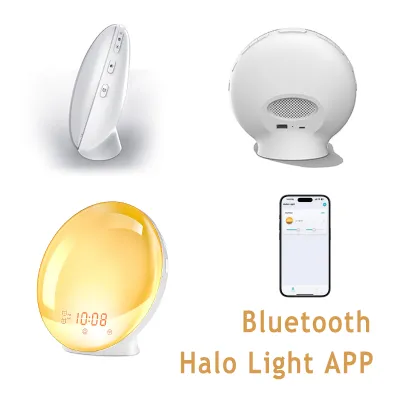
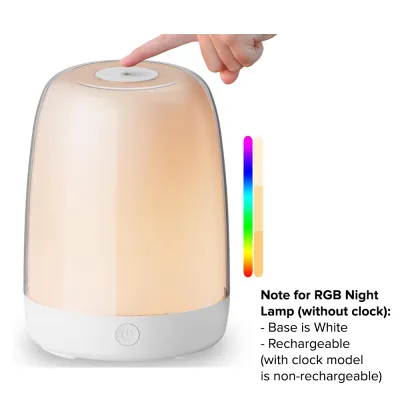
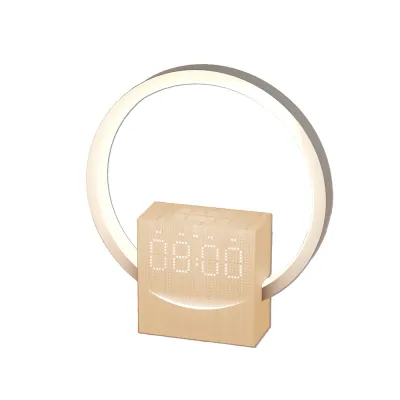
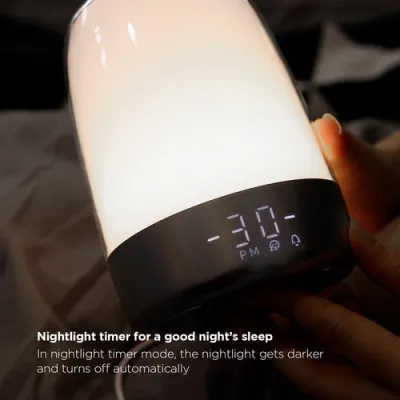
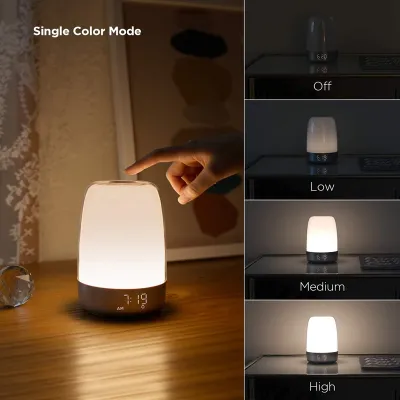
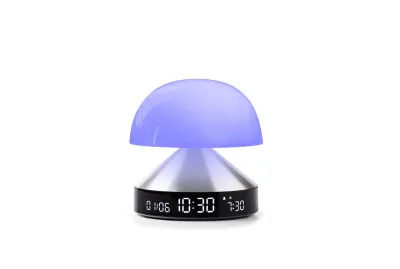
Prices are valid at publication and may change. Please refer to the product page for the latest price.
It is also important to set realistic expectations before integrating a sunrise alarm into your routine. These devices are designed to complement, not completely override, your natural sleep debt. If your bedroom is not sufficiently dark, or if you are severely sleep-deprived, the subtle shift in light may not be enough to rouse you. Understanding how to control your room’s baseline darkness and choosing a clock with the appropriate light intensity are crucial factors for success.
Key Specifications to Check Before Buying
When shopping for a sunrise alarm clock, several technical specifications deserve close inspection on the product packaging or manufacturer’s website. The most critical factor is light intensity, typically measured in lux. A high-quality clock should deliver a sufficient lux level at your typical bedside distance to penetrate closed eyelids. Furthermore, look for devices that offer a true color temperature transition. Basic models often simply dim and brighten a cold white LED, whereas advanced options transition smoothly from a deep, warm red to orange, amber, and finally a bright, warm white, mimicking a natural sunrise.

Audio features are equally important as a secondary wake-up cue. Verify the variety of audio options available, such as natural soundscapes (like birds chirping, ocean waves, or gentle rain), FM radio, or white noise. Pay close attention to the volume control specifications; the device should allow you to set a progressive volume curve, where the sound starts at an imperceptible level and slowly fades in over several minutes. Ensure that the audio can be adjusted independently of the light settings, as some users prefer light-only wake-ups.
Smart home integration and control interfaces can significantly affect daily usability. App-controlled models offer precise scheduling, custom light curves, and easy adjustments from your smartphone, which is highly convenient. However, physical buttons on the device itself must remain intuitive and easy to locate by touch when you are half-awake. Additionally, check for a robust backup battery system. In the event of a brief power interruption or an accidental unplugging, a backup battery ensures your time settings and alarms are preserved, preventing missed wake-up calls.
Finally, consider the physical footprint and display characteristics of the clock. Measure your bedside table to ensure the device fits comfortably alongside other essentials. Check the length of the power cord to confirm it can reach your wall outlet safely without stretching or creating a hazard. The digital clock face display should feature adjustable brightness, with an option to turn off completely or auto-dim in a dark room. A display that remains too bright at night can interfere with your ability to fall asleep, defeating the purpose of a sleep-optimization tool.
Matching Features to Your Sleep Profile and Living Space
Not all sunrise alarm clocks are created equal, and a model that works perfectly for a light sleeper might fail to rouse a heavy sleeper. Selecting the right device requires mapping these technical specifications directly to your sleep profile and bedroom layout. You must balance the maximum brightness needed to wake you with the subtlety required to keep your environment peaceful.
This selection process involves clear trade-offs. For instance, a clock designed for maximum light output may have a larger physical footprint or a more complex interface, while a compact, minimalist model might lack the volume or brightness levels required for deep sleepers. Understanding these limits helps you avoid frustration and ensures your investment aligns with your daily routine.
To verify if a device is suitable, look closely at the customization ranges. A versatile clock should allow you to adjust both the starting brightness level and the duration of the sunrise simulation. If the minimum settings are too harsh, or if the light jumps abruptly from off to its lowest setting, it can cause sudden waking rather than a smooth transition.
Waking Strategies for Heavy Sleepers
Heavy sleepers require a more robust sensory stimulus to transition out of deep sleep. When evaluating sunrise alarm clocks, prioritize models with high-lux output capabilities. Look for specifications that guarantee bright, intense light at a distance of at least 30 centimeters. A rapid light escalation option, which compresses the sunrise transition into a shorter, more intense window, can also help create a stronger waking signal.
In addition to bright light, multi-stage audio alarms are essential. Ensure the clock features a powerful speaker that can deliver clear, high-volume backup sounds if the light alone does not wake you. Some advanced models offer physical vibration accessories, such as a shaker disc that slides under your pillow, providing a tactile alert that works in tandem with the light.
Before purchasing, verify how the device integrates with your existing sleep habits. If you currently rely on multiple loud alarms on your phone, choose a sunrise clock that can be programmed to reach its peak brightness exactly when your primary audio alarm sounds. This allows the light to do the heavy lifting of easing you out of deep sleep, making the final audio alert far less jarring.
Gentle Transitions for Light Sleepers
For light sleepers, the primary goal is to prevent premature waking or morning anxiety caused by sudden sensory changes. Look for clocks that offer extended, highly gradual light ramps, allowing the simulation to take place over 40 to 60 minutes. The transition should start at an ultra-low minimum lux setting, mimicking the very first light of dawn so gently that your sleep is not abruptly interrupted.
Audio transitions must be equally seamless. Avoid devices that produce mechanical clicks or static hums when the light or speaker activates. The audio should feature a true digital fade-in, starting from absolute silence and rising in tiny, imperceptible increments. Natural, non-repetitive soundscapes are preferred over repetitive beeps, which can trigger an immediate stress response.
Nighttime darkness is also critical for light sleepers. Ensure the digital time display on the clock face can be completely blacked out during the night. Some models feature motion sensors that temporarily illuminate the display only when you wave your hand nearby, keeping your bedroom perfectly dark and free from ambient LED glow throughout the night.
Minimizing Disruption in Shared Bedrooms
Sharing a bedroom presents a unique challenge when sleep schedules do not align. To wake up without disturbing your partner, look for sunrise clocks designed with directional light diffusers. These models allow you to angle the light toward your side of the bed, minimizing the spillover of bright light across the room.
Localized audio is another key feature. Some devices utilize directional speakers that focus sound toward a specific area, or they can be paired with wearable vibration accessories like smartwatches or fitness bands. This allows you to receive a physical wake-up cue while the bedside clock remains silent. Dual-alarm profiles are also a must, allowing you to set independent times, light intensities, and volume levels for each person.
Finally, look for silent, intuitive controls. Touch-sensitive panels or motion-activated snooze features allow you to silence or adjust the alarm with a simple tap or wave, eliminating the need to fumble for clicky physical buttons in the dark, which can easily wake a light-sleeping partner.
Setup, Placement, and Safety Checks
Proper setup and placement are vital to ensure your sunrise alarm clock operates effectively and safely. Position the device on your bedside table within your direct line of sight when lying down. Ideally, the clock should be placed between 30 and 50 centimeters from your head. If the clock is placed too far away, behind your head, or blocked by pillows, the light intensity reaching your eyes will be significantly reduced, rendering the dawn simulation ineffective.
Cable management and physical safety should not be overlooked. Route the power cord neatly behind your bedside table to prevent it from becoming a tripping hazard or getting caught in drawer mechanisms. Ensure the clock is placed on a stable, flat surface where it cannot be easily knocked over in the dark. Additionally, maintain adequate ventilation space around the device; high-intensity LEDs and internal power components can generate mild heat, so avoid covering the clock with blankets, clothing, or decorative items.
Electrical safety is paramount, especially when dealing with bedside appliances. Verify that the device is compatible with Singapore’s standard electrical supply of 230V at 50Hz. Always use the manufacturer-supplied power adapter and check for recognized safety certification marks. Avoid placing the clock near water sources, such as humidifiers, water carafes, or open windows where rain might enter.
For advanced setups, such as integrating your sunrise clock with smart-home automation systems or fixed bedside lighting circuits, prioritize safety. If your installation requires modifying fixed electrical wiring or mounting fixtures at height, always isolate the power at your main distribution board first. If you are unsure about any electrical connections or load capacities, stop immediately and consult a qualified professional electrician to ensure compliance with local safety standards.
Frequently Asked Questions (FAQ)
Can a sunrise alarm clock replace a traditional loud alarm completely?
Whether a sunrise alarm clock can fully replace your traditional alarm depends on your individual sleep depth, room darkness, and circadian responsiveness. For many users, the gradual light transition is highly effective at bringing them to a light sleep state, allowing a gentle audio cue to complete the wake-up process. However, heavy sleepers or those with irregular sleep schedules should not rely solely on light initially. It is highly recommended to keep your traditional loud alarm active as a backup. Test the sunrise clock for at least two to three weeks to observe how your body responds before attempting to disable your secondary alarms.
How do I clean and maintain the light diffuser without damaging it?
To maintain optimal light output and keep your sunrise alarm clock looking its best, regular cleaning of the light diffuser is necessary. Before performing any maintenance, always unplug the device from the wall outlet and allow it to cool down completely if it has been illuminated. Wipe the plastic or glass diffuser gently using a dry or slightly damp microfiber cloth to remove dust and fingerprints. Never use harsh chemical solvents, alcohol, glass cleaners, or abrasive pads, as these can permanently cloud or scratch the diffuser material. Always refer to the manufacturer’s instruction manual for specific material restrictions and care guidelines.
Will the light therapy work if my bedroom receives a lot of early morning sunlight?
The effectiveness of a sunrise alarm clock relies heavily on contrast; the simulated dawn must be significantly brighter than the ambient light in your room to register effectively through closed eyelids. If your bedroom receives substantial early morning sunlight or street lighting, the visual impact of the device will be greatly reduced. To mitigate this, install high-quality blackout curtains or blinds to control the baseline darkness of your room. This ensures your sleeping environment remains dark until the clock begins its simulation, allowing the artificial sunrise to serve as the primary waking cue.

Community discussion
Share your experience or ask a question. Comments are reviewed before publication.