
Finding a trusted altar stand in Singapore requires balancing cultural reverence, spatial constraints of modern apartments, and material durability. To secure a piece that honors your spiritual practice and lasts for generations, you must look beyond aesthetic appeal and focus on the reputation of specialized religious furniture makers, the authenticity of their timber, and their understanding of traditional dimensions. Whether you are setting up a new home altar or replacing an existing one, understanding how to evaluate craftsmanship and materials ensures your sacred space remains stable, safe, and respectful.
How to Evaluate Altar Stand Brands and Makers
Evaluating the quality of an altar stand begins with a close inspection of the materials used. Genuine solid hardwoods, such as teak, rosewood, and cherry, are highly prized for their natural resistance to warping, cracking, and pest infestation in Singapore’s humid climate. Many mass-produced stands utilize medium-density fibreboard (MDF) or plywood covered with a thin wood veneer, which can degrade quickly when exposed to heat from incense or moisture from daily offerings. When assessing a maker, ask directly about the species of wood used and whether it has been properly kiln-dried to stabilize its moisture content.
The structural integrity of the stand is another critical indicator of quality craftsmanship. Traditional Chinese furniture-making relies on mortise-and-tenon joinery, a method where interlocking wooden joints secure the pieces together without the need for metal nails or screws. This technique allows the wood to expand and contract naturally with seasonal changes in humidity, preventing the joints from loosening or splitting over time. Examine the underside and back of the altar stand; high-quality makers will showcase clean, tight joints and minimal reliance on modern metal brackets or excessive glue.
Products mentioned in this guide
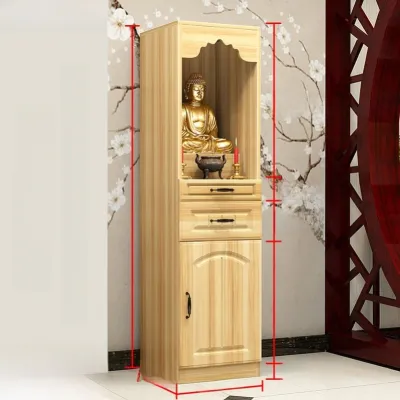
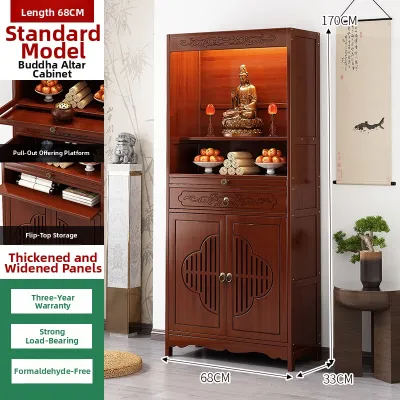
![[Cozy ]Modern Altar Table Simple Light Luxury Shrine Cabinet Home Living Room God Of Wealth Buddha Table Buddha Stand](https://img.lazcdn.com/g/p/62734c14deb41e1e360043e83914d783.jpg_webp_400x400q80.jpg_.webp)
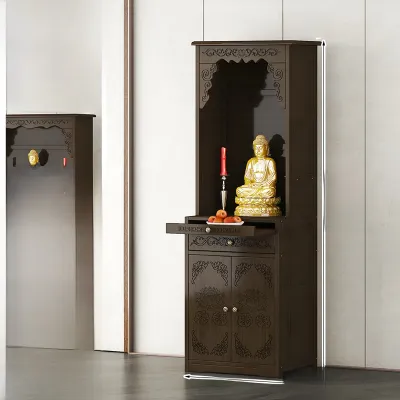
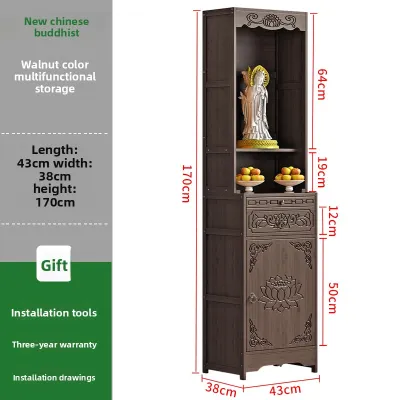
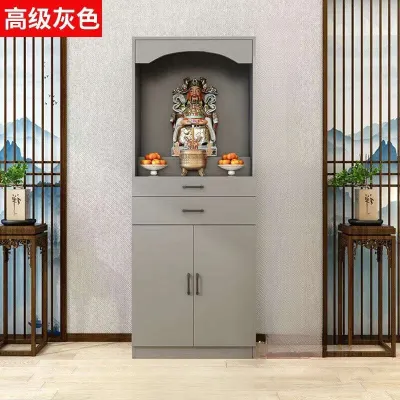
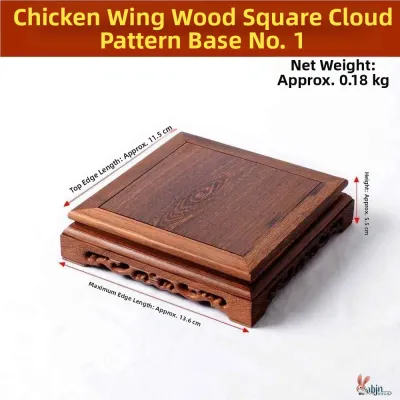
![[Thai Amulet Mini Altar Acrylic Display Stand] *MANY DESIGNS* 泰国佛牌展示底座 Mini Altar Home / Office / Car Display Set](https://img.lazcdn.com/g/ff/kf/S55eb54a0c0134803887308e0b26e3702H.jpg_400x400q80.jpg_.webp)
Prices are valid at publication and may change. Please refer to the product page for the latest price.
Cultural authenticity is equally vital when choosing a maker for Buddhist or Taoist worship. A knowledgeable craftsman understands the subtle iconographic differences required for different deities and practices. For instance, Buddhist altars often emphasize clean lines, minimalist elegance, and motifs like the lotus flower, which symbolizes purity and enlightenment. In contrast, Taoist altars may feature more intricate carvings of dragons, phoenixes, the Eight Immortals, or bats, representing longevity, protection, and prosperity. A trusted brand will be able to explain the significance of these carvings and help you select a design that aligns with your specific lineage or practice.
Finally, consider the maker’s after-sales support, structural warranties, and capacity for customization. A reputable brand stands behind its work by offering clear guarantees against structural defects, such as warping or joint separation. Because Singapore’s residential spaces—particularly HDB flats and condominiums—often present unique layout challenges, a trusted maker should offer bespoke customization services. This ensures that the altar can be tailored to fit your specific wall dimensions, ceiling heights, and ventilation needs without compromising on traditional design principles.
Determining the Right Specifications for Your Altar
Determining the physical dimensions of your altar stand is not merely a matter of fitting it into your living room; it also involves adhering to traditional spatial guidelines. Many practitioners utilize the Lu Ban ruler, a specialized measuring tool that identifies auspicious and inauspicious dimensions for household furniture. The ruler is divided into red zones, which signify positive attributes like wealth, harmony, and academic success, and black zones, which indicate potential misfortune. A trusted altar maker will design their stands so that the height, width, and depth fall precisely within these auspicious red measurements.

Load-bearing capacity is a crucial safety consideration that must not be overlooked. Deities crafted from solid bronze, heavy ceramic, or natural stone can weigh several kilograms each, and when combined with heavy brass incense burners, oil lamps, and offering plates, the total weight on the altar surface can be substantial. Ensure the stand you select is rated to support this weight without bowing or sagging over time. A sagging shelf not only compromises the aesthetic dignity of the altar but also poses a serious physical hazard if the items slide or tip over.
Depth and height considerations are also essential for comfortable and safe daily rituals. The top surface must be deep enough to accommodate the primary ritual items—the deity statue, the incense burner, and the offering cups—with sufficient clearance between them to prevent accidental contact. There must also be adequate vertical clearance above the incense burner to allow heat and smoke to rise safely without scorching the underside of any upper shelves or damaging the ceiling. If your altar stand includes integrated LED lighting, verify that all electrical components carry recognized local safety certifications, use the correct voltage, and are installed with proper heat dissipation to prevent fire hazards.
The installation environment itself requires careful assessment before finalizing your purchase. Singapore’s tropical climate means that indoor humidity levels can fluctuate significantly, especially if you use air conditioning intermittently. Position your altar stand away from direct sunlight, which can fade the wood’s finish and cause uneven drying, and away from direct drafts from air conditioning units or fans. Ensure the floor surface is perfectly level; even a minor slope can cause tall, top-heavy altars to wobble, so look for stands with adjustable leveling feet or prepare to use stable, non-slip shims during installation.
Where to Find Trustworthy Altar Stands in Singapore
To find a high-quality altar stand in Singapore, visiting specialized religious furniture showrooms is highly recommended. These showrooms, often located in heritage enclaves or light industrial estates, allow you to physically inspect the furniture before making a commitment. You can run your hands over the wood to check the smoothness of the finish, test the stability of the frame by gently shaking it, and inspect the drawers and cabinets for smooth operation. Speaking directly with the showroom staff also gives you insight into their expertise and willingness to accommodate custom requests.
For homeowners with highly specific spatial constraints or modern interior design preferences, engaging a custom carpentry workshop is an excellent path. Many local carpenters specialize in integrating traditional prayer altars into contemporary home cabinetry. This approach allows you to maximize your living space while ensuring that the altar remains a respectful, dedicated sanctuary. When working with a custom carpenter, ensure they have experience with religious furniture, as they must understand the structural and dimensional requirements unique to Buddhist and Taoist altars.
While online marketplaces and ecommerce platforms offer convenience and a wide variety of designs, purchasing a large, heavy item like an altar stand online requires extra vigilance. Avoid purchasing from unverified overseas sellers who cannot guarantee the quality of the timber or the safety of the shipping process. If you choose to buy online, prioritize local sellers with established physical showrooms or workshops in Singapore. Read customer reviews carefully, paying close attention to feedback regarding delivery handling, wood quality, and how well the seller resolves issues like transit damage or structural defects.
Before finalizing any purchase, do not hesitate to request material certificates or origin labels from the seller. Reputable brands that source premium hardwoods, such as Burmese teak or African rosewood, should be able to provide documentation verifying the authenticity and sustainability of their timber. This verification protects you from paying premium prices for cheap engineered wood or inferior timber species that have been stained to mimic high-end hardwoods.
Caring for and Maintaining Your Wooden Altar Stand
Proper care and maintenance are essential to preserve the beauty, structural integrity, and spiritual dignity of your altar stand over time. Daily worship naturally exposes the wood to incense ash, oil residue, and dust, which can accumulate and dull the finish if left unattended. Clean the surfaces regularly using a dry, soft microfiber cloth to gently sweep away loose ash and dust. For stubborn oil splatters or sticky residue from offerings, use a slightly damp cloth with a mild, pH-neutral soap, and immediately follow with a dry cloth to prevent moisture from penetrating the wood grain.
Protecting the wood from environmental stressors is crucial in Singapore’s hot and humid climate. Ensure the room is well-ventilated so that incense smoke and heat can dissipate quickly, reducing the risk of discoloration on the wood and surrounding walls. If the altar is positioned near a window, use curtains, blinds, or UV-blocking window films to shield the timber from intense afternoon sunlight, which can dry out the wood and lead to unsightly cracking or warping.
Regularly inspect your altar stand for early signs of wear, finish degradation, or pest activity. In tropical environments, wood-boring insects and termites pose a significant threat to solid wood furniture. Look for tiny holes, fine wood dust, or hollow-sounding areas when tapping the wood. If you detect any signs of pest infestation or severe structural cracking, avoid attempting complex DIY repairs or applying harsh chemical pesticides directly to the altar; instead, consult a professional furniture restorer or a licensed pest control specialist to address the issue safely and respectfully.
To maintain the natural luster of the wood, apply a high-quality, non-toxic natural beeswax or specialized wood polish once or twice a year. Always consult the manufacturer’s care instructions before applying any product, as different finishes—such as traditional lacquer, polyurethane, or natural oil—require specific maintenance routines. Avoid using aerosol spray polishes that contain silicones or harsh solvents, as these can build up over time, creating a sticky film that attracts dust and ruins the natural beauty of the timber.
Frequently Asked Questions (FAQ)
Can I use a standard console table as an altar stand?
While a standard console table may physically resemble an altar stand, it is generally not recommended for dedicated Buddhist or Taoist worship. Standard household furniture is rarely engineered to support the concentrated weight of heavy stone or bronze deities, large incense burners, and multiple offering vessels, which can lead to structural sagging or tipping hazards. Furthermore, standard tables do not conform to the auspicious dimensions of the Lu Ban ruler, which are culturally significant for maintaining harmony in the home. A dedicated altar stand is designed with the appropriate depth, height, and structural reinforcement to ensure both physical safety and spiritual respect.
How do I verify if the wood used is genuine solid wood?
Verifying the authenticity of solid wood involves several simple visual and physical checks. First, examine the grain pattern: on genuine solid wood, the grain should flow continuously from the top surface around the edges and down the sides, whereas veneer often shows abrupt breaks or repeating, identical patterns. Next, inspect the underside of the table, the back panels, and the interiors of the drawers; high-quality solid wood furniture will show natural, unfinished wood grain in these areas, while engineered wood often reveals uniform, smooth composite backing. Finally, solid wood is significantly heavier than engineered alternatives and will produce a solid, resonant sound when gently tapped, rather than a hollow or high-pitched ring.

Community discussion
Share your experience or ask a question. Comments are reviewed before publication.