
Creating a modern, sophisticated wall display arrangement requires a balance of clean lines, depth, and light. An acrylic stand or wall-mounted acrylic frame offers an elegant, frameless solution that allows your photographs to take center stage. Unlike traditional wooden or metal frames that create heavy visual borders, clear acrylic blends seamlessly into any interior design scheme. This transparency is particularly beneficial in Singapore homes, where maximizing natural light and maintaining an airy, uncluttered feel are key design priorities. By understanding how to select, arrange, and install these versatile display pieces, you can transform a plain wall or shelf into a curated gallery.
To build a successful display, you must first decide whether to mount your photos directly to the wall surface or arrange them on wall-adjacent furniture like console tables, ledges, and floating shelves. Both methods offer distinct aesthetic advantages. Wall-mounted acrylic frames create a permanent, architectural statement, while freestanding acrylic stands provide a flexible, modular setup that you can easily rearrange as your collection grows. Combining both formats allows you to play with depth and layers, turning a flat wall into a dynamic, three-dimensional feature.
Identifying the Right Acrylic Format for Your Wall Space
When planning your display, it is essential to distinguish between the two primary formats of acrylic photo displays: wall-mounted floating frames and freestanding acrylic stands or blocks. Wall-mounted frames typically consist of two thin sheets of acrylic held together by metal standoffs at the corners. These standoffs screw directly into the wall, suspending the frame a few centimeters off the surface. This design creates a beautiful floating effect, casting soft shadows behind the artwork and adding a sense of architectural depth to your room.
Products mentioned in this guide
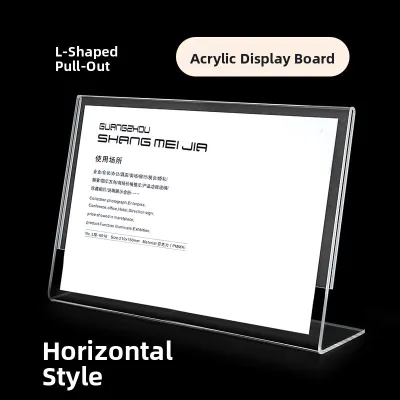
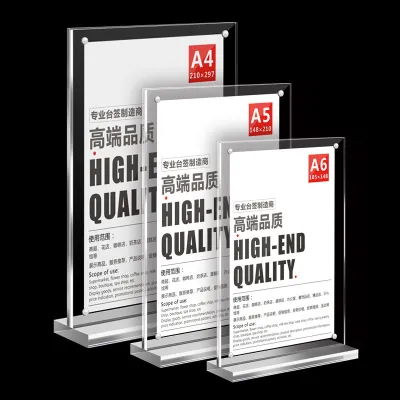
![[SG Stock] Transparent Inverted T-Shaped Acrylic Stand | Photo Frame | Menu Display | Sign Board | A4 & A5](https://img.lazcdn.com/g/p/bda6ffb78585172dfd951ace56eb4d5d.jpg_400x400q80.jpg_.webp)
Prices are valid at publication and may change. Please refer to the product page for the latest price.
On the other hand, freestanding acrylic stands—often referred to as acrylic blocks—are solid, thick pieces of acrylic that stand upright on their own. They typically use strong magnets in the corners to sandwich the photo between two polished blocks. Because they do not require permanent wall mounting, these blocks are ideal for placement on wall-adjacent surfaces such as floating shelves, picture ledges, mantelpieces, or slim console tables. They allow you to bring your photos close to the wall without drilling, making them perfect for renters or those who prefer a highly adaptable decor layout.
The visual impact of clear acrylic lies in its superior light transmission. High-quality acrylic allows more light to pass through than standard glass, which minimizes glare and reflections from nearby windows or light fixtures. This property is especially useful in bright, open-plan living areas where traditional glass frames might suffer from distracting reflections. By eliminating the frame border, acrylic displays create a clean, minimalist aesthetic that makes the photo appear to float in mid-air, drawing the viewer’s eye directly to the image itself.
Defining your primary display zone will help you choose the right format. If you have a large, uninterrupted wall surface, a structured grid of wall-mounted standoff frames creates a striking focal point. If your wall space is limited or interrupted by furniture, utilizing wall-adjacent zones with freestanding blocks on a narrow ledge is a highly efficient way to display multiple photos without overwhelming the room.
Evaluating Acrylic Quality and Hardware Before You Buy
Not all acrylic is created equal, and verifying the material specifications before purchasing is crucial for ensuring a long-lasting and safe display. When browsing online marketplaces or local decor shops, pay close attention to the thickness of the acrylic. For wall-mounted frames, each acrylic sheet should be at least 3mm to 5mm thick to prevent bowing or warping over time. For freestanding acrylic stands, look for a thickness of 10mm to 20mm per block; this substantial depth provides the necessary stability to keep the stand from tipping over easily.

Edge polishing is another key indicator of quality. High-end acrylic displays feature diamond-polished or flame-polished edges, which are perfectly smooth, clear, and reflective. Lower-quality options often have saw-cut or lightly sanded edges, which appear cloudy, white, or rough. These unpolished edges disrupt the seamless look of the frame and can detract from the overall premium feel of your display. Always check product descriptions or customer photos to confirm that the edges are fully polished.
The mounting hardware included with wall-mounted frames must be carefully evaluated. Standoff barrels are typically made of stainless steel, brass, or anodized aluminum. Ensure that the hardware kit includes high-quality wall anchors and screws suitable for your specific wall type. If you plan to use adhesive options for lighter frames, verify the manufacturer’s specifications to ensure the adhesive is rated for the exact weight of the acrylic. Because acrylic is denser and heavier than standard glass of equivalent thickness, relying on generic adhesive strips without checking weight ratings can lead to costly falls.
Finally, consider environmental factors such as UV exposure. Standard clear acrylic naturally filters some UV rays, but if your display wall receives direct sunlight, look for frames specifically labeled as UV-resistant or UV-filtering. These specialized materials help protect your photographs from fading, yellowing, or degrading over time. Additionally, check the manufacturer’s maximum weight capacity ratings for any shelf or ledge you plan to use, ensuring it can safely support the combined weight of multiple thick acrylic blocks.
Designing Cohesive Wall and Shelf Arrangements
Creating an appealing visual arrangement requires careful planning of layout, spacing, and balance. If you choose to build a gallery wall using wall-mounted acrylic frames, you can opt for either a formal grid or an eclectic, asymmetrical layout. A formal grid uses uniform frame sizes aligned perfectly in rows and columns. This structured approach works exceptionally well with black-and-white photography or cohesive art series, delivering a clean, gallery-like aesthetic.
For a more relaxed and contemporary feel, an eclectic layout combines various frame sizes and orientations. To keep an eclectic arrangement from looking chaotic, establish a common horizontal or vertical axis line that runs through the center of the display, and arrange the frames around it. Alternatively, you can mix wall-mounted frames with floating shelves holding freestanding acrylic stands. This hybrid approach adds layers of depth, allowing you to place small decorative objects, plants, or books alongside your photos.
When styling wall-adjacent consoles or floating shelves with freestanding acrylic blocks, leverage the power of layering. Place larger blocks toward the back of the shelf and slightly overlap them with smaller blocks in the front. Because the borders of the acrylic stands are completely transparent, the background photos remain visible, creating a sophisticated three-dimensional collage. To maintain a harmonious look, keep the spacing between your wall-mounted frames consistent—typically between 5 to 10 centimeters. For shelf arrangements, group your items in odd numbers, such as three or five, which is naturally more pleasing to the human eye than even groupings.
Securing Your Display: Installation and Weight Checks
Proper installation is critical to ensuring your acrylic display remains securely on the wall without causing damage. In Singapore, residential walls are commonly constructed from solid concrete, brick, or structural precast panels, particularly in HDB flats and condominiums. Mounting standoff frames on these hard surfaces requires a masonry drill bit, plastic wall plugs, and a power drill. Attempting to screw directly into concrete without anchors will fail and damage your wall.
If you are mounting frames on drywall partition walls, which are often found in newer office spaces or renovated home interiors, you must use specialized hollow-wall anchors, such as toggle bolts or self-drilling drywall anchors. Standard plastic plugs will not hold securely in drywall and can pull out under the weight of a heavy acrylic frame. Always match your hanging hardware and anchors to the specific material of your wall to prevent the display from falling.
Adhering strictly to the manufacturer’s stated weight limits is non-negotiable. Calculate the total weight of the acrylic frame, the photo, and the mounting hardware before installation. If you are using adhesive strips for lightweight acrylic frames, ensure the wall surface is clean, dry, and free of dust or grease. Keep in mind that Singapore’s high humidity can sometimes weaken adhesive bonds over time, making mechanical fasteners the safest and most reliable choice for heavier or larger displays.
For complex setups, such as oversized acrylic panels, multi-tiered floating shelves, or installations high up on double-volume walls, recognize the limits of DIY. If you lack the proper tools, struggle to find the studs in a drywall partition, or feel unsure about drilling into solid concrete, it is highly recommended to halt the installation and consult a qualified professional handyman. Investing in professional installation ensures your beautiful display is perfectly level, secure, and safe for everyone in the household.
Keeping Acrylic Clear: Safe Cleaning and Maintenance
To preserve the pristine clarity of your acrylic photo stands and frames, establishing a gentle and correct cleaning routine is essential. Acrylic is a highly durable material, but it is softer than glass and can scratch easily if handled incorrectly. The most important rule of acrylic maintenance is to use only clean, lint-free microfiber cloths. Avoid using paper towels, facial tissues, kitchen sponges, or old cotton t-shirts, as their fibers can trap microscopic dust particles and drag them across the surface, creating permanent micro-scratches.
When it comes to cleaning solutions, stay far away from standard glass cleaners, ammonia-based sprays, window cleaners, or alcohol-based sanitizers. These harsh chemicals break down the molecular structure of the acrylic, leading to a damaging process called crazing. Crazing manifests as thousands of tiny, microscopic cracks within the material, resulting in a permanently cloudy, hazy, or yellowed appearance that cannot be polished out. Instead, use a specialized acrylic cleaner or make a mild solution of a few drops of gentle dish soap mixed with warm water.
For routine maintenance of both high-mounted wall frames and shelf-adjacent displays, implement a gentle dusting practice. Use a clean microfiber duster or a soft-bristled static duster to sweep away loose dust without applying pressure. Because acrylic tends to build up a static charge that attracts dust, wiping it down occasionally with an anti-static acrylic cleaner can help keep the surfaces dust-free for longer periods. By minimizing direct handling and using the correct cleaning tools, your acrylic display will maintain its brilliant, glass-like clarity for years to come.
Frequently Asked Questions (FAQ)
Can I use adhesive strips to mount heavy acrylic photo frames?
Using adhesive strips for heavy acrylic photo frames is generally not recommended. While some high-strength adhesive strips claim high weight capacities, their performance is highly dependent on surface texture, paint quality, and environmental conditions. Acrylic is a dense, heavy material, and Singapore’s humid climate can degrade adhesive backing over time, increasing the risk of the frame falling. Always check the adhesive packaging for exact weight ratings and surface compatibility, but for heavy or valuable displays, mechanical anchors and screws are always the safer option.
How do I prevent photos from slipping inside freestanding acrylic blocks?
Photos can slip inside freestanding magnetic acrylic blocks if the paper is too thin or if the block’s internal gap is too wide. To prevent this, ensure your photo is printed on high-quality, thick photo paper. If the photo still slips, you can place a piece of archival-quality, acid-free backing paper behind the photo to add slight bulk and increase the clamping tension between the magnetic pieces. Always check the alignment and ensure the magnets are fully engaged before placing the block on your shelf.
Does clear acrylic protect photos from fading in sunlit rooms?
Standard clear acrylic provides only limited protection against ultraviolet (UV) light. If your display is located in a sunlit room, standard acrylic will not prevent your photos from fading over time. To protect your prints, look specifically for frames labeled as UV-filtering or UV-resistant, which can block up to 99% of harmful UV rays. Regardless of the frame material, it is always best practice to plan your display locations away from direct, prolonged sunlight to preserve the longevity of your photographs.

Community discussion
Share your experience or ask a question. Comments are reviewed before publication.