
Selecting the right altar stand for Hungry Ghost Festival worship at home requires a careful balance of spatial limits, weight capacity, and material safety. Because home worship often takes place in shared living areas or balconies, your setup must accommodate traditional offerings without obstructing daily household traffic. A dedicated, sturdy stand ensures that heavy platters, liquids, and burning incense remain secure, minimizing the risk of accidental spills or tipping. By focusing on practical dimensions and structural integrity, you can create a respectful and safe environment for seasonal observances.
Assessing Your Space and Offering Requirements
Before browsing available altar stands, you must measure the physical space where the setup will reside. In modern apartments, floor space is highly optimized, meaning a poorly sized stand can easily block walkways or emergency exits. Measure both the width and depth of your designated area, ensuring there is at least one meter of clear space around the stand. This clearance allows family members to move safely while carrying hot items, lighting incense, or arranging offerings without risk of bumping into the structure.
Next, estimate the physical volume of the traditional offerings you plan to display. Hungry Ghost Festival observances often involve substantial food items, including whole roast meats, large baskets of fruit, bowls of rice, and tea cups. Laying out these items on a dining table beforehand can give you a realistic sense of the surface area required. If your space is limited, consider a multi-tiered altar stand, which utilizes vertical space to accommodate more offerings without expanding the physical footprint on your floor.
Products mentioned in this guide
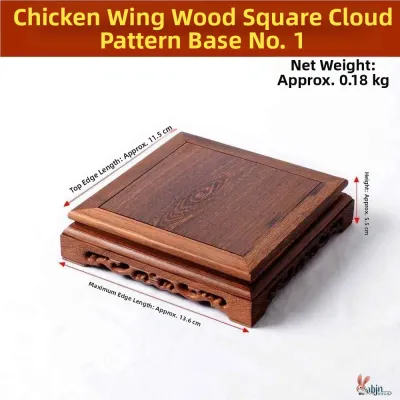
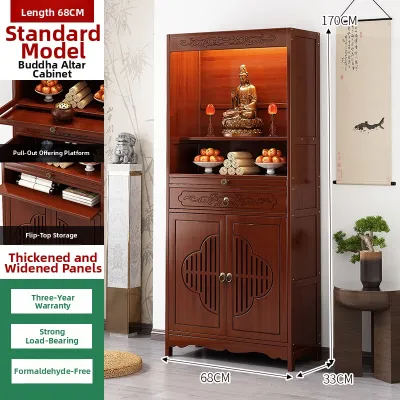
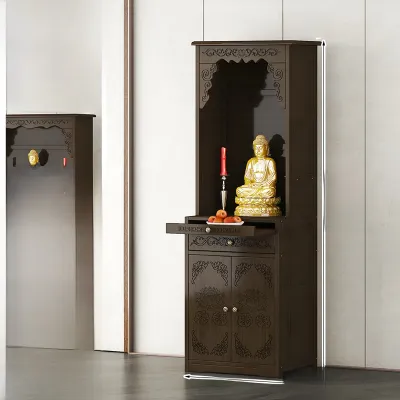
![[Cozy ]Modern Altar Table Simple Light Luxury Shrine Cabinet Home Living Room God Of Wealth Buddha Table Buddha Stand](https://img.lazcdn.com/g/p/62734c14deb41e1e360043e83914d783.jpg_webp_400x400q80.jpg_.webp)
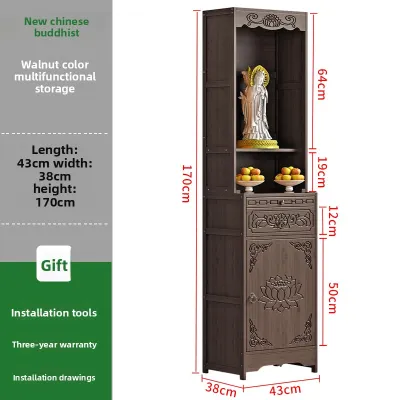
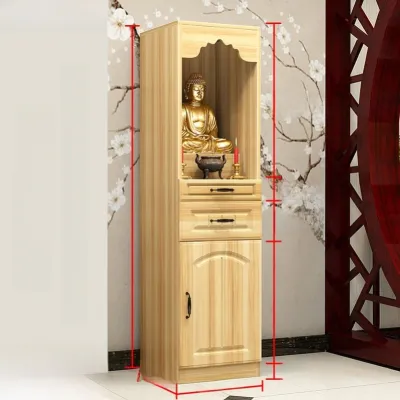
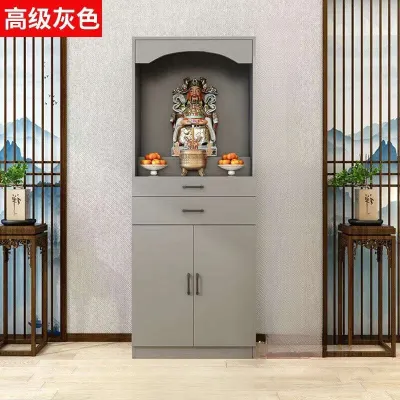
![[Thai Amulet Mini Altar Acrylic Display Stand] *MANY DESIGNS* 泰国佛牌展示底座 Mini Altar Home / Office / Car Display Set](https://img.lazcdn.com/g/ff/kf/S55eb54a0c0134803887308e0b26e3702H.jpg_400x400q80.jpg_.webp)
Prices are valid at publication and may change. Please refer to the product page for the latest price.
Finally, calculate the approximate total weight of your planned offerings to establish a minimum load-bearing threshold. A complete spread of food, beverages, and a heavy ceramic or metal incense urn can easily exceed ten to fifteen kilograms. Standard decorative tables are rarely built to support this level of concentrated weight. Knowing your estimated weight requirement allows you to filter out flimsy options and focus exclusively on stands rated for heavy-duty use.
Evaluating Materials, Design, and Stability
When evaluating altar stands, the choice of material directly impacts durability, heat resistance, and ease of maintenance. Solid wood is a traditional favorite, offering natural weight that enhances overall stability, though you must verify that the surface finish can withstand occasional moisture from spilled tea or water. Metal stands, particularly those made of steel or iron, provide exceptional durability and inherent fire resistance, making them highly suitable for holding burning incense and candles. Engineered wood options are budget-friendly and lightweight, but they require careful checking to ensure they have moisture-resistant laminates to prevent swelling and warping.

Beyond materials, the structural design of the legs and base determines how well the stand resists tipping. Four-legged designs with wide, flared bases offer the most reliable weight distribution and lateral stability. Trestle bases also provide excellent support but typically require a larger floor footprint. If you choose a folding or collapsible stand for easy seasonal storage, inspect the locking mechanisms and hinges closely to ensure they will not buckle under a heavy load. Avoid top-heavy designs or stands with narrow pedestals, as these are highly susceptible to tipping if accidentally bumped.
Balancing traditional aesthetics with modern home decor is another key consideration for contemporary households. Traditional carved wooden altars offer a classic look that aligns with cultural practices, but they can be bulky and difficult to clean. Modern minimalist stands with clean lines and neutral finishes can blend seamlessly into your existing home decor, allowing them to be repurposed or stored discreetly after the festival. Prioritizing cleanable surfaces and simple lines ensures that the stand remains practical for long-term use.
Safety Checks and Setup for Heavy Offerings
Prior to placing any items on your altar stand, perform a thorough structural safety check. Locate the manufacturer’s official weight limit and inspect the underside of the tabletop for reinforcing crossbeams or metal brackets. If the stand lacks visible reinforcement, avoid placing heavy items directly in the center, as this can cause the surface to bow and weaken over time. If you detect any flexing or soft spots in the material, replace the stand or limit your offerings to lighter items.
To maintain a low center of gravity, position your heaviest offerings strategically across the surface. Place heavy items, such as large incense urns, water jugs, or whole roast meats, directly over the legs or along the central support beams. Lighter items, such as paper offerings, small fruit plates, and tea cups, can be placed toward the outer edges. This balanced distribution prevents the stand from becoming top-heavy and reduces the risk of catastrophic tipping.
Protecting your home’s surfaces from heat and physical damage is essential during festival observances. Burning incense and candles generate intense heat that can scorch wood finishes or melt plastic laminates. Place a heat-resistant silicone mat, a metal tray, or a sheet of tempered glass beneath all burners and candle holders. Additionally, attach rubber or felt pads to the bottom of the stand’s legs to prevent scratches on polished tile, vinyl, or hardwood floors when moving the unit.
Regularly monitor the stand for any signs of structural stress during use. Watch for warning signs such as wobbling when touched, creaking joints, or a visible lean to one side. If you observe any of these indicators, immediately extinguish all candles and carefully transfer the heavy items to a stable surface. Never attempt to adjust, tighten, or repair a loaded stand while rituals are actively taking place.
Building Your Shortlist: A Decision Matrix for Altar Stands
To finalize your choice, construct a simple decision matrix that matches your spatial constraints with your weight and material requirements. For example, if you have a tight balcony space but need to support a heavy ceramic urn, a compact metal utility stand is a safer choice than a large, lightweight wooden folding table. By scoring potential purchases against these practical criteria, you can eliminate unsuitable options and focus on stands that guarantee safety and functionality.
Before making a purchase, run through a pre-purchase verification checklist to avoid common pitfalls. Confirm the exact dimensions of the stand and compare them once more to your measured home space. Check the assembly requirements to ensure you have the necessary tools, or verify if the retailer offers pre-assembled options. Additionally, review the return and exchange policies so you can easily replace the item if it arrives with manufacturing defects or structural instability.
Finally, allocate a realistic budget for your altar stand, keeping in mind that structural safety should always take precedence over elaborate decorative features. High-quality, stable stands suitable for home worship typically range from S$80 to S$250 depending on the materials and size. Investing in a well-constructed, durable stand ensures that you can safely reuse it for many years, providing excellent long-term value and peace of mind during every festival season.
Frequently Asked Questions (FAQ)
Can I use a standard folding table as a temporary altar stand?
Yes, a standard folding table can serve as a temporary altar stand, provided you verify its weight capacity and locking mechanisms beforehand. Many utility folding tables are designed for outdoor or workshop use and can support substantial weight, but lightweight plastic models may bow under heavy ceramic urns and platters. Always ensure the legs are fully locked in place and use a heat-resistant cover to protect the plastic or laminate surface from hot ash and candle wax.
How do I protect my floors and furniture from incense ash and candle wax?
To protect your home from ash and wax, place a wide, non-combustible tray—such as one made of stainless steel or tempered glass—directly beneath your incense burners and candle holders. Ensure this tray extends at least ten centimeters beyond the edge of the burners to catch drifting ash. Maintain a clear radius of at least thirty centimeters around any open flames, keeping them far away from curtains, paper offerings, or drafty windows to minimize fire risks.

Community discussion
Share your experience or ask a question. Comments are reviewed before publication.