
Finding the best aromatherapy fragrance experience in Singapore is not about choosing a single, universally top-rated brand. Instead, the ideal brand and device depend on how a manufacturer’s diffusion technology interacts with your specific indoor environment, room volume, and local climate conditions. A brand that excels at scenting a large, air-conditioned living room in a condominium may perform poorly or create uncomfortable humidity in a smaller, naturally ventilated HDB bedroom.
To achieve a consistent and pleasant scent profile, you must evaluate diffusers based on their mechanical design, material quality, and suitability for Singapore’s unique tropical climate. Rather than relying on generic marketing claims, understanding the technical specifications of different brands allows you to make an informed decision that matches your lifestyle and household needs.
Understanding Diffusion Technologies for Consistent Fragrance
Ultrasonic diffusion is the most common technology offered by mainstream lifestyle brands. These devices use a small ceramic disc at the base of a water tank that vibrates at ultrasonic frequencies. This vibration breaks down a mixture of water and essential oil into a micro-fine mist, which is then dispersed into the air by a small internal fan. Because this method relies on water, it adds a subtle amount of moisture to the room, making it highly popular for daily, casual use. However, because the essential oil is diluted in water, the resulting fragrance throw is typically lighter and more localized.
Products mentioned in this guide
![⭐[Aromania]⭐ High quality Essential Oil for diffusers natural and light 10ml Essential Scented Oil](https://img.lazcdn.com/g/p/36e366906f922e87a248835fdec2fce2.jpg_400x400q80.jpg_.webp)
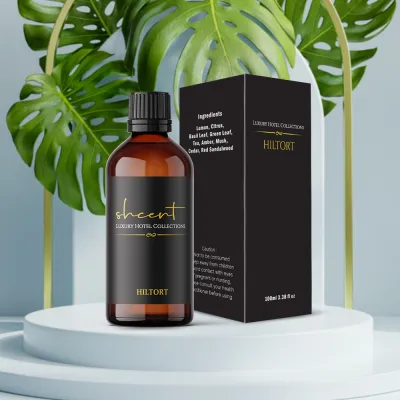
![[KIRONA SCENT] 120ML Diffuser Essential Oil | Bundle of 2 | Water Soluble Essential Oil | Suitable For Aroma Diffusers Air Revitalizers Air Purifiers Humidifiers | Luxury Hotel & Shopping Mall Scents](https://img.lazcdn.com/g/p/eebd614c2e05a630558bfdf3b85345af.jpg_400x400q80.jpg_.webp)
![[KIRONA SCENT] 120ML Diffuser Essential Oil | Water Soluble | 60+ Scents | Luxurious Mall & Hotel Scents | For Diffusers Air Revitalizers Air Purifiers Humidifiers](https://img.lazcdn.com/g/p/816881bc0108d3c1b35161778dcd211a.jpg_400x400q80.jpg_.webp)
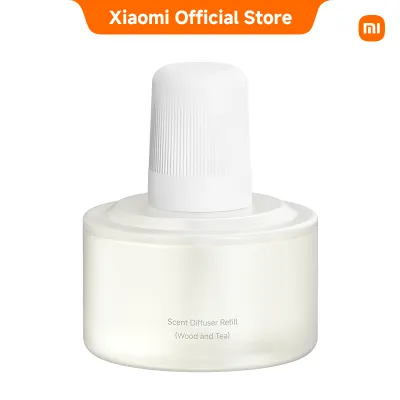
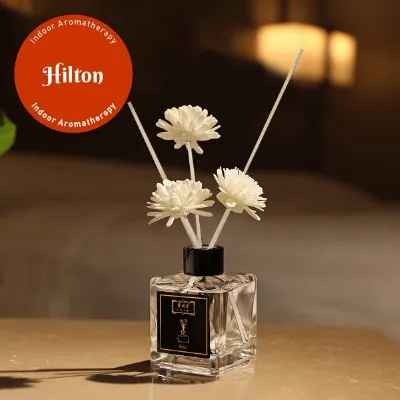
Prices are valid at publication and may change. Please refer to the product page for the latest price.
Nebulizing, or cold-air, diffusion is favored by premium fragrance brands and aromatherapy enthusiasts who require maximum scent intensity. This technology operates on Bernoulli’s principle, using a pressurized air pump to force pure essential oil through a microscopic nozzle. The high-velocity air stream atomizes the oil into a dry, ultra-fine vapor of pure oil particles without using any water or heat. This results in a highly concentrated, immediate scent throw that preserves the complete chemical profile of the essential oil. While nebulizers provide the most potent fragrance experience, they consume oil at a much faster rate than ultrasonic models.
Heat and evaporative methods represent a more traditional approach to fragrance dispersion. Heat diffusers, such as electric warming plates or candle-lit burners, use thermal energy to accelerate the evaporation of the oil. While these systems are simple and silent, heat can alter the delicate chemical structure of pure essential oils, sometimes changing the therapeutic properties and the scent profile itself. Evaporative diffusers, which use a fan to blow air through a saturated pad, offer a highly localized and subtle scent profile. These methods are generally best suited for small personal desks rather than whole-room fragrance distribution.
Key Specifications to Compare Across Diffuser Brands
When comparing different diffuser brands, the rated coverage area must be evaluated against your actual room volume. Manufacturers typically state coverage in square meters, assuming standard ceiling heights. In Singapore, a standard HDB bedroom might range from 9 to 12 square meters, while open-plan living and dining areas in newer condominiums can exceed 30 square meters. If you have high ceilings, the total volume of air increases significantly, meaning you will need a device with a higher output rating or adjustable mist settings to achieve a consistent fragrance level.

Tank capacity and programmable run modes are critical for balancing fragrance consistency with oil conservation. For ultrasonic diffusers, tank capacities generally range from 100ml to over 500ml. A larger tank allows the device to run continuously for several hours, but leaving water sitting in a reservoir for days can lead to bacterial growth. Look for brands that offer robust intermittent run settings, such as cycling on for 30 seconds and off for 30 seconds. This feature prevents olfactory fatigue—where your nose becomes accustomed to the scent and stops registering it—while extending the life of your essential oils.
Material compatibility is a frequently overlooked specification that directly impacts the durability of the device. Pure essential oils, particularly citrus oils like sweet orange, lemon, and bergamot, contain natural compounds that can degrade and crack cheap plastics over time. High-quality brands construct their reservoirs and internal components from medical-grade polypropylene (PP), glass, ceramic, or wood. Before purchasing, verify that the parts in direct contact with the oil are made from corrosion-resistant materials to prevent chemical leaching and premature hardware failure.
Acoustic output is another vital consideration, especially if you plan to use the diffuser in a bedroom, study, or quiet workspace. Nebulizing diffusers rely on mechanical air pumps, which inherently produce a low, rhythmic humming sound. Ultrasonic models are generally much quieter, though they still produce a faint fan whir and the occasional sound of trickling water. Check the manufacturer’s specifications for decibel (dB) ratings; a level below 30 dB is ideal for sleeping environments, while anything above 45 dB may prove distracting in a quiet room.
Adapting Your Choice to Local Climates and Household Needs
Singapore’s high ambient humidity plays a significant role in how diffused mist behaves in a room. In naturally ventilated spaces where the relative humidity often exceeds 80%, adding more moisture to the air via an ultrasonic diffuser can make the indoor environment feel heavy, damp, and uncomfortable. Furthermore, high outdoor humidity can prevent the water droplets in ultrasonic mist from evaporating efficiently, causing them to settle quickly and leave a damp residue on nearby wooden furniture, electronics, or flooring.
In contrast, air-conditioned spaces present a completely different environment. Air conditioning units actively strip moisture from the air, creating a dry indoor climate where the subtle humidifying effect of an ultrasonic diffuser can be highly beneficial. However, the active air currents generated by air conditioners can also disperse mist very quickly. To maintain a consistent fragrance experience in an air-conditioned room, you may need to position the diffuser away from direct AC vents and return grilles to prevent the scent from being drawn out of the room before it can circulate.
Household safety should always guide your choice of hardware, particularly if you have young children or pets. Essential oils are highly concentrated, and certain varieties can be toxic to cats and dogs if touched, inhaled in high concentrations, or ingested. When selecting a brand, prioritize physical stability; heavy ceramic, stone, or solid wood bases are much harder to knock over than lightweight plastic units. Essential safety features to look for include automatic shut-off mechanisms that trigger when the water reservoir is empty, tip-over protection that cuts power if the unit is tilted, and secure, locking lids that prevent accidental spills.
Decision Framework: Matching Brand Profiles to Your Needs
To narrow down your choices among the various aromatherapy brands available in Singapore, use this conditional framework to match their product profiles to your specific living arrangements:
- Choose nebulizing-focused brands if your primary goal is maximum scent intensity, pure oil dispersion without water dilution, and coverage for large, air-conditioned living areas. These brands are ideal for open-plan layouts where you want a distinct, immediate fragrance presence.
- Choose ultrasonic-focused brands if you prefer a multi-functional device that combines subtle, localized fragrance with ambient lighting and gentle humidification. These are highly suited for air-conditioned bedrooms, home offices, or smaller spaces where a softer scent profile is preferred.
- Verify local compatibility and support before making a final purchase. Ensure the brand's power adapter is compatible with Singapore's 220-240V, 50Hz electrical grid and features a suitable plug. Confirm that the brand has a local distributor or accessible customer service channel for purchasing replacement parts, such as replacement glass nozzles for nebulizers, and offers clear, enforceable warranty terms.
Frequently Asked Questions (FAQ)
How often should I clean my diffuser to maintain the true aromatherapy fragrance? (FAQ)
You should perform a basic cleaning of your diffuser at least once a week, or whenever you change essential oil scents, to prevent residue buildup and scent cross-contamination. Over time, leftover oil can form a sticky sludge that clogs the ultrasonic vibrating plate or the micro-tubes of a nebulizer, leading to reduced mist output and a rancid or distorted fragrance. To clean the device, empty any remaining water or oil, wipe the reservoir with a soft cloth dipped in a mild water-and-vinegar solution, and rinse thoroughly. Always refer to your specific manufacturer’s instruction manual for approved cleaning agents, as some brands prohibit the use of alcohol or harsh detergents on their proprietary materials.
Can I use synthetic fragrance oils in a premium essential oil diffuser? (FAQ)
Using synthetic fragrance oils in a premium diffuser designed specifically for pure essential oils is generally not recommended and can damage the device. Synthetic oils often contain heavy carrier oils, solvents, and artificial fixatives that are much thicker and more viscous than natural essential oils. These heavy compounds can easily clog the delicate micro-tubes of a nebulizing diffuser or build up as a stubborn film on the ceramic disc of an ultrasonic unit, permanently reducing its vibration efficiency. Before using any non-pure oils, check your user manual to verify the approved oil viscosity and composition limits, as using unauthorized liquids may void your manufacturer’s warranty.

Community discussion
Share your experience or ask a question. Comments are reviewed before publication.