
To transform your bathroom into a tranquil, spa-like sanctuary, the best ocean wave projector is one that balances robust moisture resistance, highly adjustable visual settings, and flexible mounting options. Because bathrooms present unique environmental challenges—such as high humidity, limited surface areas, and strict electrical safety zones—selecting a projector requires looking beyond basic aesthetic appeal. By focusing on technical specifications like Ingress Protection (IP) ratings, throw distances, and color temperature controls, you can safely create an immersive, relaxing environment that enhances your evening wind-down routine.
Evaluating Bathroom Constraints for Projector Placement
Bathrooms are inherently challenging environments for electronic devices due to the rapid accumulation of moisture, steam, and condensation. When you take a hot bath or shower, the relative humidity in an enclosed bathroom can quickly reach high levels, causing water droplets to form on all exposed surfaces, including the internal components of non-sealed electronics. Over time, this moisture can lead to corrosion of circuit boards, short circuits, and premature device failure. Therefore, understanding the specific environmental dynamics of your space is the first step in choosing a viable projection setup.
Space constraints and layout also play a significant role in determining where a projector can be safely and effectively positioned. Residential bathrooms, particularly compact layouts common in modern apartments and condominiums, often feature limited countertop space and lower ceiling heights. These dimensions directly affect the throw distance—the physical space between the projector lens and the surface where the image is displayed. If a projector is placed too close to the ceiling, the wave pattern may appear small, overly concentrated, or distorted, failing to create the expansive, open-sky feeling necessary for a zen atmosphere.
Products mentioned in this guide
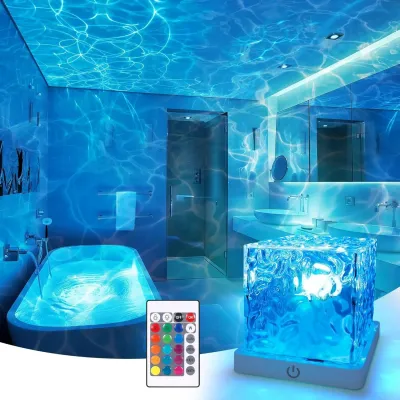
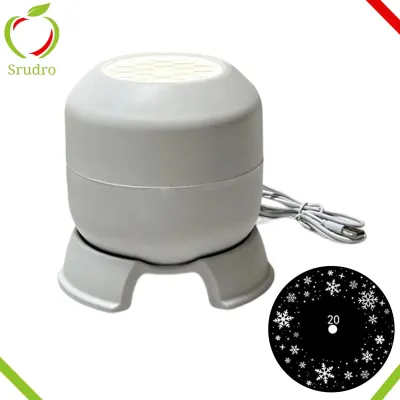
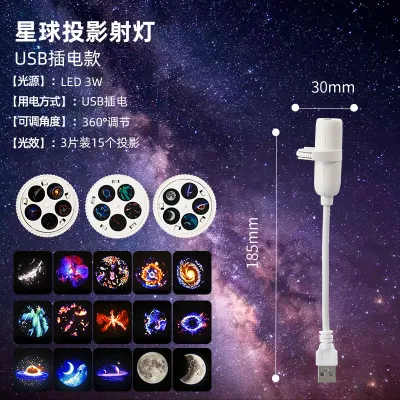
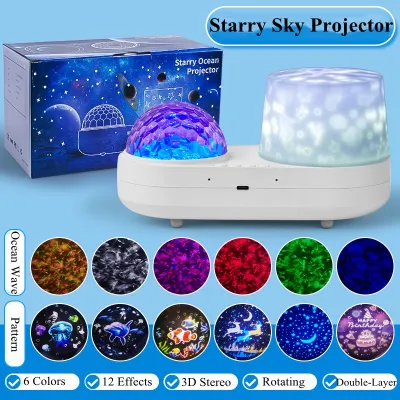
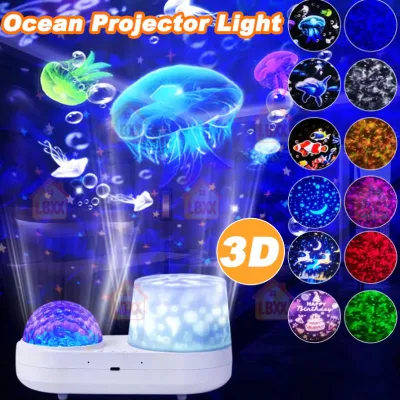
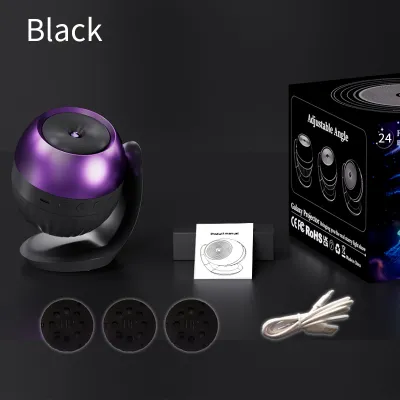
Prices are valid at publication and may change. Please refer to the product page for the latest price.
Power availability and cord management introduce additional layers of complexity. Many bathrooms are designed with minimal electrical outlets to reduce water hazards, and those that do exist are often dedicated shaver sockets or are positioned far from the bathtub or shower area. Running long extension cords across a wet bathroom floor is highly dangerous and visually disruptive to a relaxing environment. You must carefully map out the distance from your available, safely positioned outlets to your intended projector location, ensuring that all cables can be routed securely along walls or tucked away from high-traffic and wet zones.
Selecting Light and Sound Features for a Spa-Like Experience
The visual characteristics of your ocean wave projector are fundamental to achieving a true state of relaxation. Many standard projectors emit high levels of cool blue light, which is known to suppress the production of melatonin, the hormone responsible for regulating sleep-wake cycles. For an evening wind-down routine, it is highly beneficial to select a device that offers adjustable color temperatures or dedicated warm-spectrum modes, such as amber, soft red, or warm gold. These warmer wavelengths mimic the natural colors of sunset, signaling to your brain that it is time to rest and unwind.

Beyond color, the motion dynamics and brightness levels of the projection must be carefully calibrated to prevent sensory overstimulation. A wave pattern that moves too quickly or a star field that flashes rapidly can induce alertness or anxiety rather than calm. Look for projectors that feature adjustable motor speeds, allowing you to slow the wave movement to a gentle, rhythmic pulse or freeze it entirely. Brightness adjustability is equally critical; the ability to dim the projection to a low, ambient glow ensures that the light does not strain your eyes in a darkened room, allowing your mind to drift into a meditative state.
Audio integration is another key element of the sensory experience, but it requires a thoughtful approach. While many ocean wave projectors come equipped with built-in speakers that play pre-recorded nature sounds like ocean waves, rain, or white noise, these speakers often have limited acoustic range and can sound tinny or distorted in a tiled bathroom. Because tiled surfaces reflect sound waves highly efficiently, low-quality audio can quickly become grating. To achieve a premium audio experience, consider pairing a silent projector with a separate, high-quality waterproof Bluetooth speaker placed in a safe, dry zone, allowing you to stream high-fidelity ambient tracks or guided meditations.
Verifying Moisture Resistance and Electrical Safety
Before introducing any electrical device into a bathroom, verifying its moisture resistance through official safety standards is paramount. The industry standard for measuring a device’s protection against solids and liquids is the Ingress Protection (IP) rating system. An IP rating consists of two digits: the first indicates protection against solid objects, and the second indicates protection against liquids. For a bathroom environment where steam and occasional water splashes are inevitable, you should look for a projector with a liquid protection rating of at least IPX4, which certifies protection against splashing water from any direction. If there is any risk of the device being exposed to direct water jets, a higher rating such as IPX5 or IPX6 is highly recommended.
Understanding bathroom safety zones is crucial for determining where a projector can be safely installed. Electrical safety standards divide the bathroom into distinct zones based on the level of water exposure risk. Zone 0 refers to the interior of the bathtub or shower basin, where no standard projectors should ever be placed. Zone 1 is the area directly above the bath or shower up to a height of 2.25 meters, while Zone 2 extends 0.6 meters horizontally from the edge of Zone 1. To ensure absolute safety, mains-powered projectors should be kept strictly in the outside zones, far away from standing water and direct spray, and should never be placed on the edge of a bathtub or basin where they could accidentally fall in.
For permanent installations or fixed wiring setups, such as mounting a projector to a bathroom ceiling or wall, you must prioritize professional electrical standards. Any fixed electrical work in a damp environment requires compliance with local building codes and electrical regulations, such as ensuring the circuit is protected by a Residual Current Device (RCD) or Ground Fault Circuit Interrupter (GFCI). These safety devices are designed to instantly cut off power if an electrical leak is detected, preventing severe shocks. If you are unsure about the safety of your bathroom’s electrical layout or wish to install a dedicated outlet, always consult a qualified, licensed electrician to perform the work safely.
Matching Projection Specs to Your Bathroom Layout
Achieving a visually stunning and undistorted ocean wave effect depends heavily on matching the projector’s optical specifications to your bathroom’s physical layout. The throw ratio of a projector determines how wide the image will be at a given distance from the wall or ceiling. In a typical compact bathroom, a short-throw projector is highly advantageous, as it can project a large, immersive wave pattern even when positioned only a short distance from the ceiling. If you use a long-throw projector in a small space, the resulting image may be too small and concentrated, creating a bright spotlight effect rather than a soft, room-filling wash of light.
Mounting versatility is another practical consideration that influences both safety and visual quality. Depending on your bathroom’s layout, you may choose to place the projector on a flat, stable surface like a vanity counter, a high shelf, or the top of a storage cabinet. If flat surfaces are unavailable, some lightweight projectors offer alternative mounting solutions, such as suction cup mounts for glass shower screens or adhesive wall mounts. However, you must exercise caution with temporary mounts; the persistent humidity and temperature fluctuations in a bathroom can degrade adhesives and suction seals over time, potentially causing the device to fall and break. Secure, mechanical mounting or placement on a stable, flat surface remains the safest option.
Finally, you should adjust your expectations for projection clarity based on the atmospheric conditions of your bathroom during a bath or shower. As steam builds up in the room, the suspended water droplets act as natural light diffusers. While a light mist can create a beautiful, three-dimensional light beam effect through the air, heavy steam will scatter the projected light significantly, reducing the sharpness and contrast of the ocean wave patterns on the ceiling. To maintain a clear and vibrant projection, ensure that your bathroom’s ventilation system, such as an exhaust fan or a partially opened window, is functioning effectively to manage steam levels without completely clearing the relaxing warmth from the air.
Frequently Asked Questions (FAQ)
Can I use a standard bedroom ocean wave projector in my bathroom?
Using a standard bedroom projector in a bathroom is generally not recommended due to the lack of moisture-resistant sealing. Standard indoor electronics are designed for dry environments and lack the protective gaskets and coatings needed to keep humidity out of their internal circuitry. If you choose to use a non-rated projector, you must keep it strictly in a dry, well-ventilated zone far from water sources, limit your bath time to minimize steam buildup, and immediately remove the device from the bathroom to dry in a well-ventilated room after use. If you notice signs of internal moisture, such as a fogged lens or erratic behavior, disconnect the power immediately and allow the device to dry completely before attempting to use it again.
Do ocean wave projectors consume a lot of electricity during long baths?
Most modern ocean wave projectors utilize energy-efficient LED light sources, which consume very little electricity. Typically, these devices draw between 5 and 15 watts of power, making them highly economical to run even during extended relaxation sessions. To verify the exact power consumption of your specific device, you can check the manufacturer’s specifications printed on the product label or detailed in the user manual. Additionally, many projectors feature built-in auto-shutoff timers (often set to 1, 2, or 4 hours), which are highly beneficial for managing energy consumption and preventing the device’s internal motor and LEDs from overheating if you happen to fall asleep during your bath.
How do I clean an ocean wave projector exposed to bathroom humidity?
Regular maintenance is essential to prevent dust, mineral deposits, and mold from building up on your projector’s lens and housing due to bathroom humidity. Before cleaning, always ensure the device is completely powered off, unplugged from the wall outlet, and cool to the touch. Use a dry, clean, non-abrasive microfiber cloth to gently wipe down the exterior plastic casing and the optical lens. Avoid using harsh chemical cleaners, glass sprays, or abrasive scrubbing pads, as these can scratch the delicate optical coatings on the lens and cloud the projection. If a deeper clean is required, refer to the manufacturer’s care instructions to ensure you do not perform any actions that could void the product warranty.

Community discussion
Share your experience or ask a question. Comments are reviewed before publication.