
Choosing the right seat cushion can make a profound difference when managing the discomfort of piles, also known as hemorrhoids. However, there is no single cushion design that serves as a universal solution. The most effective shape depends on the precise location of your symptoms, whether you also experience secondary issues like tailbone pain, and your overall sitting posture.
Sitting on a standard flat chair concentrates body weight directly on the pelvic floor, perineum, and coccyx. For someone with inflamed or swollen veins in the anal canal, this constant downward pressure restricts local blood flow, traps heat, and exacerbates throbbing or sharp pain.
Specialized cushions alter this dynamic by redistributing your weight. By using strategic cutouts, hollow centers, or sloped angles, these designs offload pressure from sensitive areas and transfer it to more resilient parts of the body, such as the thighs and outer hips. While these ergonomic tools can significantly improve daily comfort, they are supportive aids rather than medical cures. It is always essential to consult a healthcare professional to address the root cause of your symptoms and establish a comprehensive treatment plan.
Products mentioned in this guide
Prices are valid at publication and may change. Please refer to the product page for the latest price.
Donut Cushions: Evaluating Centralized Relief
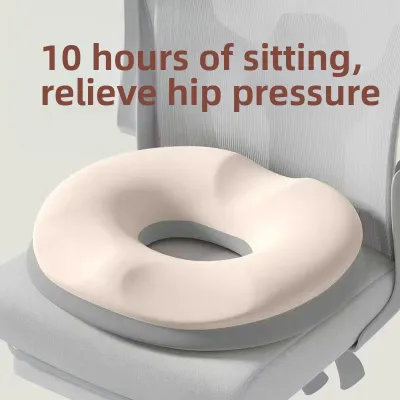
Donut cushions, characterized by their classic ring-shaped design, are perhaps the most widely recognized support pillows for pelvic discomfort. This structure features a circular or oval outer ring with a completely hollow center. The primary goal is to suspend the perineal and anal region in mid-air, ensuring that the most sensitive tissues do not make direct contact with the hard surface of a chair.
This centralized suspension makes donut cushions highly suitable for individuals experiencing localized, acute discomfort directly in the anal canal. If your symptoms are concentrated in this specific area and you do not suffer from radiating lower back or tailbone pain, a donut cushion can provide immediate relief during short sitting intervals, such as during meals or brief desk tasks.
However, donut cushions have notable structural limitations. Because the outer ring bears all the weight, it can create a ring of pressure around the thighs and buttocks. If the cushion’s central hole is poorly sized for your frame, or if the foam material is too soft and collapses under your weight, this outer ring can act like a tourniquet. This constriction can restrict venous blood flow in the surrounding tissues, potentially increasing pressure in the hemorrhoidal veins and worsening swelling. Therefore, selecting a highly supportive, correctly proportioned model is critical.
Coccyx Cutout Cushions: Assessing Tailbone and Rectal Support
Coccyx cutout cushions, often referred to as U-shaped cushions, offer a different approach to pressure relief. Instead of a central hole, these cushions feature a distinct open section at the very back of the seat. This structural gap is designed to prevent the tailbone (coccyx) and the lower rectal area from touching the seat surface, effectively eliminating direct vertical pressure on the posterior pelvic floor.

This design is particularly beneficial for individuals whose piles discomfort is accompanied by tailbone soreness, lower back stiffness, or general pelvic floor tension. By shifting your body weight forward onto the ischial tuberosities (your “sit bones”) and the undersides of your thighs, a coccyx cutout cushion helps maintain a more natural spinal alignment. This makes it a popular choice for office workers or anyone who must remain seated for extended periods on firm office chairs.
Despite these benefits, coccyx cushions require mindful usage to remain effective. Because the rear of the cushion is open, the support relies heavily on maintaining a stable, upright sitting position. If your chair lacks sufficient seat depth, or if you tend to slouch and slide forward throughout the day, your pelvis will shift out of the optimal alignment. This misalignment can cause you to bottom out against the edges of the cutout, leading to uneven pressure distribution and potentially worsening both your posture and your hemorrhoid symptoms.
Wedge Cushions: Adjusting Posture and Pelvic Tilt
Wedge cushions feature a sloped, inclined profile that is thicker at the back and tapers down to a thin edge at the front. Unlike donut or coccyx cushions, a standard wedge cushion does not typically feature a physical cutout or hollow space. Instead, it relies entirely on altering the angle of your pelvis to redistribute weight and improve sitting ergonomics.
The primary benefit of a wedge cushion is its ability to tilt the pelvis slightly forward. This gentle forward tilt encourages a natural inward curve of the lumbar spine, which automatically discourages slouching. Slouching is a major contributor to pelvic floor pressure, as it compresses the abdominal cavity and forces weight downward onto the rectal area. By promoting an upright posture, a wedge cushion can help reduce the pooling of blood in the pelvic region, making it an excellent preventative tool for those with mild, occasional piles discomfort who also suffer from lower back fatigue.
However, the lack of a physical cutout means that a standard wedge cushion does not provide direct, localized suspension for inflamed tissues. If you are experiencing an acute flare-up or severe, localized pain, a wedge cushion alone may not offer sufficient relief. In such cases, relying solely on pelvic tilting without physical offloading can still result in uncomfortable contact pressure on sensitive areas.
Matching Cushion Design to Your Specific Symptoms
To find the cushion that best supports your daily comfort, it is helpful to map your specific physical symptoms to the structural strengths of each design. No single shape can address every type of discomfort, so paying close attention to where and when you feel pain is the key to making an informed choice.
You should consider a donut cushion if your pain is strictly centralized in the anal canal, you do not experience radiating tailbone or lower back pain, and you need a portable option for short-term sitting on very firm surfaces. Ensure that the inner opening is wide enough to prevent constriction of the surrounding tissues.
A coccyx cutout cushion is likely the better option if your discomfort extends to your tailbone, you experience lower back stiffness from prolonged sitting, or you need a cushion that supports a standard office chair setup. This design is highly effective at keeping the entire posterior pelvic region free from contact pressure while encouraging a balanced sitting posture.
A wedge cushion is most appropriate if your piles symptoms are mild or intermittent, and your primary goal is to correct a slouched posture that contributes to pelvic congestion. It is also a strong choice if you want to combine lower back support with general pelvic pressure reduction.
It is important to recognize that neither of these options may fit if you are experiencing severe symptoms such as continuous bleeding, sharp and constant pain, or thrombosed hemorrhoids. In these situations, standard retail cushions cannot replace specialized medical devices or direct clinical treatments prescribed by a doctor.
Essential Specifications to Verify on Product Labels
When shopping for a cushion, it is easy to be swayed by generic comfort claims. To ensure you select a product that provides genuine, lasting support, you should carefully verify several physical specifications on the product label or packaging.
First, evaluate the foam density and firmness. A cushion must be firm enough to support your full body weight without bottoming out. If the foam is too soft, your body will compress it completely within minutes, bringing your sensitive areas into direct contact with the chair and rendering the cutouts useless. Look for high-density polyurethane foam or resilient memory foam that specifies a supportive weight capacity.
Second, pay close attention to the cover materials. In warm and humid climates, such as in Singapore, heat and moisture buildup can quickly exacerbate skin irritation and discomfort. Look for covers made from highly breathable fabrics, such as 3D mesh or natural cotton blends, which promote airflow. Additionally, ensure the cover is fully removable and machine-washable to maintain strict hygiene standards.
Finally, verify the stability of the cushion’s base. A high-quality cushion should feature a non-slip rubberized bottom or adjustable straps to secure it to your chair. If a cushion constantly slides or shifts when you sit down or stand up, you will find yourself tensing your pelvic and core muscles to stay balanced. This involuntary muscle tension can increase pressure on the pelvic floor, defeating the purpose of using an ergonomic cushion.
Safe Usage Limits and When to Seek Medical Advice
While an ergonomic cushion can make sitting significantly more tolerable, it should never be used to facilitate uninterrupted, prolonged sitting. Regardless of how supportive your cushion is, sitting for hours at a time restricts blood circulation in the lower body and increases venous pressure in the pelvic region. Limit continuous sitting to no more than 40 to 50 minutes. Make it a habit to stand up, stretch, and walk around for a few minutes to restore healthy blood flow.
You should also monitor how your body responds to the cushion. If you notice an increase in throbbing, swelling, numbness in your legs, or any new discomfort, stop using the cushion immediately. These symptoms often indicate that the cushion is either too soft, poorly sized, or misaligned, causing localized pressure points that worsen your condition.
Most importantly, remember that a cushion is a comfort accessory, not a cure for piles. If your symptoms do not improve within a few days, or if you experience severe pain, bleeding, or notice hard, painful lumps, you should pause self-management. Consult a healthcare professional or a doctor in Singapore to receive an accurate diagnosis and a proper medical treatment plan tailored to your health needs.
Frequently Asked Questions (FAQ)
How often should I wash the cushion cover?
You should always check the manufacturer’s care label first for specific washing instructions, as some fabrics require gentle cycles or air drying. For daily use, it is highly recommended to wash the cushion cover at least once a week. This regular maintenance prevents the accumulation of sweat, body oils, and bacteria, which is especially important in warm, humid climates. Always ensure the cover is completely dry before zipping it back over the foam insert, as trapped moisture can degrade the foam material and encourage mold growth.
Can I use these cushions on a car seat or wheelchair?
Yes, these cushions can be used in various seating environments, but you must verify compatibility and safety before doing so. Measure the seat depth of your car or wheelchair to ensure the cushion fits securely without pushing you too far forward. In a car, the cushion must not raise your seating position so high that it interferes with your line of sight or your ability to operate the pedals safely. Additionally, ensure the cushion has a reliable non-slip base so it remains stable during turns or sudden stops, and verify that it does not interfere with seatbelt or safety harness positioning.

Community discussion
Share your experience or ask a question. Comments are reviewed before publication.