
The choice between polyester fiber, memory foam, and down alternative cushion inserts depends on your desired balance of support, loft, and maintenance. Polyester fiber offers a lightweight, budget-friendly option for decorative displays; memory foam provides dense, contouring support for ergonomic comfort; and down alternative delivers a plush, high-loft feel that mimics natural down without the allergens. Understanding how these materials behave under pressure and respond to daily wear is essential for creating a comfortable and visually appealing living space.
Cushion inserts are the structural foundation of your home’s soft furnishings. While a beautiful cushion cover defines the style of a room, the insert inside determines whether that cushion remains a plump, inviting place to rest or becomes a flat, lifeless lump after a few weeks of use. Selecting the right fill material ensures that your throw pillows, lumbar cushions, and floor seating serve their intended purposes, whether that is providing firm physical support during long hours of sitting or simply looking pristine on an accent chair.
In tropical climates with high humidity, such as Singapore, the physical properties of cushion fills become even more critical. High humidity can affect how materials trap heat, moisture, and odors, making breathability and ease of maintenance key factors in your decision. By evaluating the unique characteristics of polyester fiber, memory foam, and down alternative, you can select inserts that not only match your aesthetic preferences but also withstand the demands of your local environment.
Products mentioned in this guide
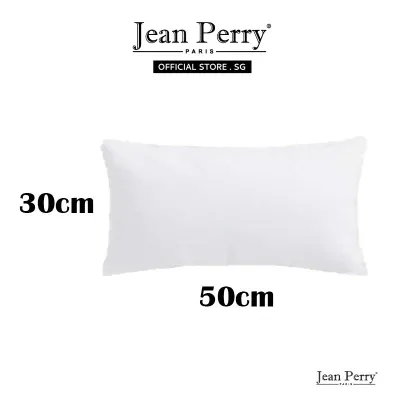
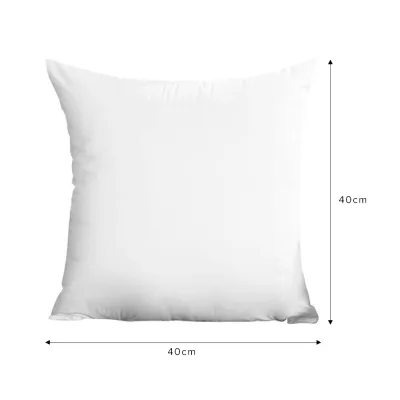
Prices are valid at publication and may change. Please refer to the product page for the latest price.
Understanding the Core Characteristics of Each Fill
Polyester fiber is the most common and widely available fill material for cushion inserts. This synthetic material consists of fine polyester threads spun together to create a lightweight, fluffy mass. It is highly versatile and can be manufactured in various densities, from loose, blown fibers that mimic a cloud-like feel to structured polyester batting sheets that provide a more uniform shape. Because it is inexpensive to produce, polyester fiber is the standard choice for budget-friendly decorative pillows and temporary outdoor seating.
Memory foam represents a completely different approach to cushion construction, focusing on density and structural support. Made from polyurethane treated with chemicals to increase its viscosity and elasticity, memory foam reacts to both pressure and temperature. In the context of cushion inserts, memory foam is typically available in two formats: solid molded blocks or shredded foam clusters. Solid memory foam inserts offer a rigid, geometric profile that holds its shape perfectly, while shredded memory foam provides a more adjustable, malleable feel while retaining the material’s signature contouring support.
Down alternative is a synthetic fill engineered specifically to replicate the luxurious loft and plushness of natural duck or goose down. It is typically composed of ultra-fine polyester microfibers that are significantly thinner than standard polyester fibers. These microfibers are often coated with a thin layer of silicone, allowing them to slide past one another smoothly without tangling or matting. This unique construction allows down alternative inserts to trap air in a way that closely resembles natural down, offering a soft, luxurious sink-in feel while remaining completely free of animal products.
Evaluating Comfort, Support, and Shape Retention
When it comes to physical comfort, the differences between these three materials are immediately apparent upon sitting. Memory foam stands out for its exceptional contouring ability, making it the premier choice for ergonomic support. When you lean against a memory foam cushion, the material softens in response to your body heat and molds itself to the curves of your spine, distributing weight evenly and relieving pressure points. In contrast, loose synthetic fills like polyester fiber and down alternative do not contour; instead, they compress directly under weight, providing a softer, more immediate sink-in sensation that is highly comfortable for casual lounging but offers less structural support for the lower back.

Shape retention is another critical factor that separates these materials over long-term use. Polyester fiber inserts are highly resilient initially, but the loose fibers tend to compress, entangle, and pack down over time, leading to flat spots and a loss of overall volume. Down alternative inserts also compress under weight, but because the microfibers are designed to slide past one another, they can be easily fluffed back to their original loft. Memory foam, particularly in its solid form, possesses superior shape memory, meaning it will consistently return to its original dimensions once pressure is removed, resisting flattening even after years of daily use.
Breathability and airflow are essential considerations, especially in warm or humid living environments. Solid memory foam has a dense, closed-cell structure that tends to trap body heat and restrict airflow, which can make the cushion feel warm during extended use. Shredded memory foam inserts mitigate this issue by creating open pathways between the foam clusters, allowing air to circulate more freely. Polyester fiber and down alternative inserts are naturally highly breathable due to the loose, airy arrangement of their fibers, which prevents heat buildup and helps keep the seating surface cool and comfortable throughout the day.
Care Requirements and Allergen Considerations
Maintaining the cleanliness and hygiene of your cushion inserts is vital for preserving their longevity and ensuring a healthy indoor environment. Before attempting to clean any insert, it is essential to check the manufacturer’s care label for specific washing and drying instructions, as temperature limits and cleaning methods vary widely. Many polyester fiber and down alternative inserts are fully machine washable, allowing you to clean them easily at home. However, they must be dried thoroughly on a low-heat setting to prevent the synthetic fibers from melting or clumping together.
Memory foam requires a completely different care routine and must never be submerged in water or placed in a washing machine. Water can easily degrade the delicate cellular structure of the foam, and because the material is highly absorbent and dense, drying it completely is nearly impossible. Trapped moisture inside a memory foam insert creates an ideal breeding ground for mold, mildew, and unpleasant odors. Instead, memory foam inserts should be spot-cleaned with a damp cloth and mild detergent, or protected with a removable, washable protective cover to keep the inner foam clean.
For individuals sensitive to allergens, material selection and maintenance are particularly important. While synthetic materials like polyester and memory foam do not attract pests in the way natural down might, they are not inherently immune to dust mites. Dust mites thrive on dead skin cells and can colonize the spaces between loose fibers or within the pores of foam. To ensure a hypoallergenic sleeping or seating area, look for inserts that feature tightly woven, allergen-barrier outer shells, and wash removable covers regularly at temperatures recommended by the manufacturer to eliminate dust mites and allergens.
Sizing and Matching Inserts to Cushion Covers
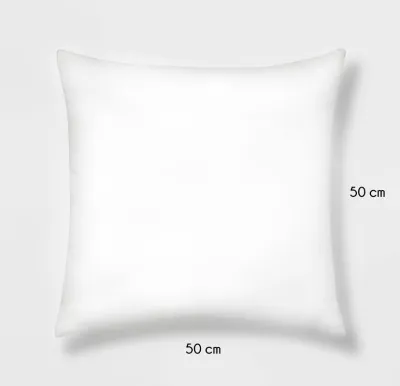
Achieving a professional, high-end look with your throw pillows requires careful attention to how you match the insert size to the cushion cover. A common design practice for standard square decorative cushions is to select an insert that is slightly larger than the cover itself. For example, if your cushion cover measures 45 by 45 centimeters, pairing it with a 50 by 50 centimeter insert will ensure that the corners are fully packed and the cushion has a plump, luxurious appearance. However, this sizing rule does not apply universally to all materials; dense inserts like solid memory foam should be matched 1:1 with the cover dimensions to prevent excessive strain on the seams and zippers.
The weight and drape of your cushion cover fabric should also influence your choice of insert material. Heavy, structured fabrics such as velvet, thick canvas, or heavy linen require a substantial insert with enough weight and structural integrity to fill out the heavy casing. A lightweight polyester fiber insert may fail to push against the heavy fabric, resulting in a saggy, wrinkled appearance. For these heavier covers, a dense down alternative or a shredded memory foam insert provides the necessary bulk and weight. Conversely, delicate, lightweight covers made of silk or thin cotton pair beautifully with soft down alternative inserts, allowing the fabric to drape naturally and softly.
Finally, consider the primary function of the cushion when matching inserts to covers. If a cushion is intended purely for decorative display on a formal sofa or bed, a polyester fiber insert is highly practical because it holds its shape well when left undisturbed and is easy to arrange. If the cushion is meant for active daily lounging, reading, or floor seating, a down alternative or memory foam insert is far more suitable. These materials not only provide superior physical comfort during use but also recover their shape more gracefully, ensuring your living space looks tidy even after a long evening of relaxation.
Final Selection Guide for Cushion Inserts
To make the best decision for your home, evaluate your specific comfort preferences, budget, and how the cushions will be used daily. Polyester fiber is the ideal choice if you are looking for a lightweight, cost-effective baseline option for standard decorative cushions that will not experience heavy daily wear. It is widely available, budget-friendly, and perfect for filling out accent pillows that serve a purely visual purpose in your decor scheme.
Choose memory foam if your primary goal is dense, structured support that maintains its shape over time. This material is highly recommended for lumbar pillows, floor cushions, or any seating area where physical comfort and ergonomic alignment are priorities. While it requires more careful maintenance and cannot be machine washed, its durability and resistance to flattening make it a highly reliable long-term investment for active living spaces.
Opt for down alternative if you prefer a soft, high-loft, and plush feel that invites you to sink in and relax. This material provides the luxurious aesthetic and comfort of natural down without the associated allergen concerns or high maintenance requirements. It is highly suitable for family sofas, cozy reading corners, and beds where comfort is paramount, and it can be easily fluffed back to life whenever needed.
Before finalizing your purchase, always verify the exact dimensions of both your cushion covers and the inserts to ensure a proper fit. Check the manufacturer’s care instructions to confirm that the cleaning requirements align with your lifestyle, and inspect the quality of the outer shell fabric to ensure it is durable enough to contain the fill material over years of use.
Frequently Asked Questions (FAQ)
Can I mix different cushion insert fills in the same room?
Yes, you can successfully mix different cushion insert fills within the same room, but it requires some planning to maintain visual consistency. Combining varying densities and loft levels—such as placing a highly structured solid memory foam cushion directly next to a soft, compressible polyester one—can create an uneven, mismatched aesthetic across a sofa or bed. To keep the space looking cohesive, try to match the overall dimensions of the cushions and establish a regular fluffing routine for the loose synthetic fills so that all the pillows appear equally plump and inviting.
How do I stop my cushion insert from sliding inside the cover?
To prevent a cushion insert from shifting, sliding, or bunching inside its cover, start by checking the interior of the cover for built-in corner ties or anchors, which can be secured to loops on the insert if your product features them. If your covers do not have these features, the most effective solution is to size up your insert slightly. Using an insert that is slightly larger than the cover creates a snug, high-pressure fit that naturally locks the insert in place, filling out the corners completely and eliminating any empty space where sliding could occur.

Community discussion
Share your experience or ask a question. Comments are reviewed before publication.