
Selecting the right lighting for a Singapore home involves more than simply picking a high-wattage bulb. With the popularity of modern, minimalist interior designs in local HDB flats and condominiums, recessed LED downlights have become a staple for creating clean lines and spacious environments. Canmeijia LED downlights, widely available on various online marketplaces, offer a range of options that can fit different household budgets and design preferences. However, achieving a balanced, comfortable, and functional home requires matching the specific technical attributes of these fixtures to the unique demands of each room. Rather than applying a single uniform model across the entire floor plan, homeowners must evaluate key specifications such as brightness, color temperature, beam angle, and safety ratings to ensure every space is illuminated appropriately.
Understanding Room-by-Room Lighting Needs
To design an effective home lighting layout, it is essential to understand how different spaces function and how light behaves. Lighting is not merely about eliminating darkness; it shapes the mood, enhances productivity, and defines the visual boundaries of a room. This is achieved by manipulating three core variables: brightness, color temperature, and beam angle. Brightness, measured in lumens, dictates how intense the light is, while wattage only measures energy consumption. Color temperature, measured in Kelvin (K), determines the warmth or coolness of the light, ranging from cozy warm white to crisp daylight. Beam angle determines how wide or focused the light spread is, influencing whether a fixture acts as a broad floodlight or a concentrated spotlight.
A successful lighting plan layers these elements into three distinct categories: ambient, task, and accent lighting. Ambient lighting provides the general illumination needed to navigate a room safely. Task lighting delivers focused, brighter light to areas where specific activities occur, such as food preparation on kitchen countertops or reading at a study desk. Accent lighting draws attention to architectural features, artwork, or decorative elements, adding depth and drama to the interior. High-traffic, utility-focused areas like kitchens and bathrooms require a heavy emphasis on clear, bright task lighting. Conversely, rest-oriented zones like bedrooms and living rooms benefit from softer, warmer ambient layers that promote relaxation and comfort.
Products mentioned in this guide
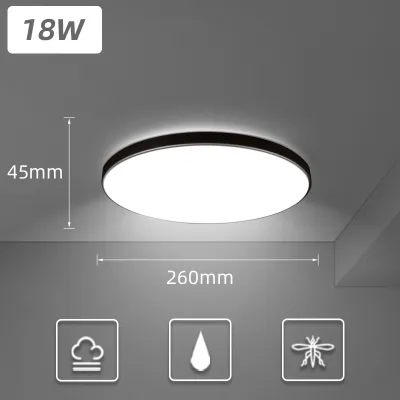
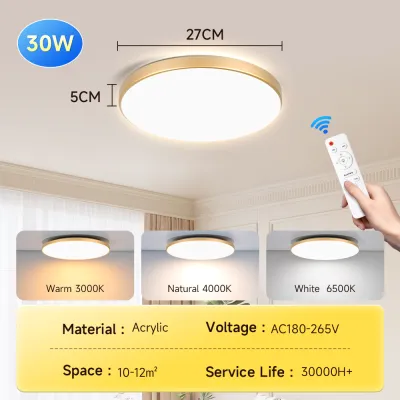
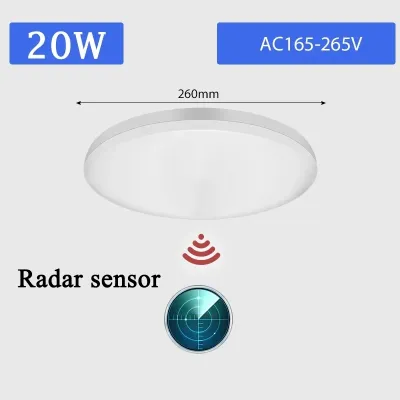
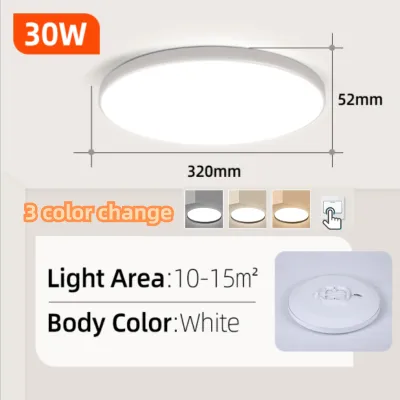
Prices are valid at publication and may change. Please refer to the product page for the latest price.
Key Specifications to Check on Canmeijia LED Downlights
When browsing Canmeijia LED downlights on ecommerce platforms, reading the product specification sheets and packaging labels carefully is the first step toward a successful installation. Homeowners should first look at the luminous efficacy, which is the ratio of lumen output to wattage. A higher lumen-to-watt ratio indicates a more energy-efficient fixture, allowing you to achieve the desired brightness while keeping monthly utility bills lower. Do not rely solely on wattage to estimate brightness, as different LED generations and driver designs can produce vastly different light outputs for the same power consumption.

Color temperature indicators on the packaging are typically labeled as Warm White (around 3000K), Cool White (around 4000K), or Daylight (around 6500K). Some Canmeijia models feature a three-color toggle (3CCT), allowing users to switch between these temperatures using a physical switch on the back of the fixture or via a wall switch. Additionally, pay close attention to the beam angle, which is usually specified in degrees. A wide beam angle of 90 to 120 degrees is suitable for general ambient lighting as it distributes light evenly across a large area. A narrow beam angle of 24 to 36 degrees creates a focused beam, ideal for highlighting specific objects or creating visual contrast. Finally, verify the Color Rendering Index (CRI or Ra) of the downlight. A CRI of 80 or higher is recommended for residential spaces, ensuring that colors appear natural and vibrant under artificial light.
Matching Downlight Features to Specific Rooms
Selecting the right downlight requires a systematic approach that pairs the functional activities of each room with the technical capabilities of the fixture. By using a structured decision framework, you can determine the ideal combination of lumens, Kelvin ratings, and beam angles for every corner of your home. Always verify the exact specifications printed on the packaging of the specific Canmeijia model you purchase, as manufacturers frequently update their product lines, driver designs, and housing dimensions.
Living and Dining Areas
The living and dining areas serve as the social hubs of a Singapore home, hosting activities that range from family movie nights to formal dinner gatherings. To create a warm, inviting atmosphere, look for downlights with a warm white (3000K) or neutral cool white (4000K) color temperature. Utilizing fixtures with a wide beam angle of 120 degrees ensures a soft, even distribution of ambient light across the seating and dining zones, preventing harsh shadows.
For added versatility, consider choosing dimmable Canmeijia downlight models. Dimmable fixtures allow you to lower the light intensity in the evening to create a cozy, relaxed ambiance, or raise it during the day for cleaning and socializing. However, you must verify that both the downlight driver and your wall dimmer switch are compatible to avoid annoying flickering or buzzing. To prevent glare in seating areas, position the downlights away from direct overhead lines of sight, or opt for models with recessed light sources that shield the eyes from direct glare.
Bedrooms and Study Spaces
Bedrooms and study spaces require a careful balance between restfulness and concentration. In the bedroom, the primary goal is to prepare the body for sleep. Opt for lower lumen outputs and warm color temperatures (2700K to 3000K) to promote the production of melatonin. Bedside downlights should ideally feature a deep-recessed or anti-glare design, which keeps the light source hidden within the ceiling cavity, ensuring that you are not blinded when lying in bed.
Conversely, study desks and home offices demand high-intensity task lighting to reduce eye strain during long working hours. For these dedicated work zones, select downlights with higher lumen outputs and a neutral white (4000K) or daylight (6000K) color temperature to enhance alertness and focus. If the study desk is located within a bedroom, a dual-lighting strategy is highly effective: use warm, low-intensity ambient downlights for the room overall, and install a dedicated, cooler-toned downlight or desk lamp directly over the workspace.
Kitchens and Bathrooms
Kitchens and bathrooms are high-utility zones that present unique environmental challenges, particularly in Singapore’s warm and humid climate. In the kitchen, safety and precision are paramount during food preparation and cooking. Install high-brightness downlights with a cool white (4000K) or daylight (6000K) color temperature over countertops, sinks, and cooking ranges. This ensures that you can clearly see ingredients, read recipes, and operate kitchen tools safely without working in your own shadow.
Bathrooms and wet kitchen areas require strict attention to moisture resistance. When selecting Canmeijia downlights for these zones, always check the Ingress Protection (IP) rating on the product packaging. Standard indoor downlights typically carry an IP20 rating, which offers no protection against water or high humidity. For installation near showers, bathtubs, or high-steam cooking areas, you must use fixtures rated at IP44 or higher. Installing non-rated fixtures in these damp environments can lead to premature driver failure, corrosion of internal components, and potential electrical hazards.
Electrical Safety and Installation Checks
Before purchasing any lighting fixtures, ensuring electrical compatibility and safe installation practices is critical. In Singapore, the standard residential electrical supply operates at a nominal voltage of 230V and a frequency of 50Hz. Always verify that the Canmeijia downlights you select are rated for this voltage range to prevent damage to the LED chips or the integrated drivers. Additionally, look for recognized local or international safety certifications on the product packaging to ensure the fixtures have undergone rigorous testing for electrical safety and fire prevention.
Physical installation requires careful planning of your ceiling structure. If your home features gypsum board false ceilings, you must measure the available ceiling cavity depth before buying downlights. LED downlights generate heat at the back of the fixture, which must dissipate to prevent overheating and prolong the lifespan of the LEDs. Ensure there is sufficient clearance space between the top of the downlight and the concrete slab above, following the manufacturer’s guidelines. Never cover downlights with thermal insulation material unless they are explicitly rated as insulation-contact (IC) safe. Finally, because working with electrical wiring carries inherent risks of shock and fire, all fixed electrical installations, especially in wet areas like bathrooms, must be carried out by a licensed electrical worker (LEW) in compliance with local safety regulations.
Frequently Asked Questions (FAQ)
Can I use the same Canmeijia downlight model for every room?
Using a single downlight model throughout your entire home is generally not recommended because different rooms serve vastly different purposes. A high-brightness, daylight-toned downlight that works perfectly for food preparation in the kitchen will make a bedroom feel clinical and disrupt your sleep patterns. Similarly, a warm, low-lumen downlight designed for a cozy living room will not provide sufficient visibility for detailed tasks in a study or home office. Additionally, utility areas like bathrooms require specialized moisture-resistant IP-rated fixtures, which are unnecessary and more costly to install in dry living areas. Tailoring the specifications of each fixture to the specific room ensures optimal comfort, functionality, and safety.
How do I know if a Canmeijia downlight is dimmable?
To determine if a Canmeijia downlight is dimmable, you must inspect the product packaging, user manual, or online specification sheet for explicit dimming compatibility labels. Not all LED downlights are designed to dim; standard models use non-dimmable drivers that will flicker, buzz, or fail prematurely if connected to a dimmer switch. If a model is labeled as dimmable, you must also ensure that your wall dimmer switch is compatible with LED technology. Traditional triac dimmers designed for incandescent bulbs often do not work well with low-wattage LEDs, so consulting the manufacturer’s compatibility list or speaking with a qualified electrician is highly recommended.
What should I do if my ceiling cavity is very shallow?
If your home has a shallow ceiling cavity, which is common in some HDB flats with low false ceilings, you must check the physical dimensions of the downlight before purchasing. Standard recessed downlights often require a clearance depth of 50mm to 100mm for the housing and heat dissipation. For tight spaces, look for ultra-thin or slim-profile LED downlight models, which often have a depth of less than 30mm. Alternatively, surface-mounted downlights can be installed directly onto the concrete ceiling without the need for a false ceiling cavity. Always consult a licensed electrician to assess your ceiling structure and recommend the safest, most suitable fixture design for your space.

Community discussion
Share your experience or ask a question. Comments are reviewed before publication.