
Refreshing a minimalist living room relies on subtle shifts in texture, form, and tone rather than dramatic decorative overhauls. The most effective cushion cover styles for this aesthetic prioritize high-quality natural fabrics, structured silhouettes, and a restrained color palette that complements your existing furniture. By focusing on tactile depth and precise proportions instead of loud patterns, you can introduce warmth and comfort without disrupting the clean lines and open feel of your space.
In a minimalist home, every soft furnishing must justify its presence through both utility and quiet visual harmony. A thoughtful update of your cushion covers allows you to adapt your living area to changing seasons or shifting personal tastes while maintaining a clutter-free environment. Achieving this balance requires moving away from generic, mass-produced sets and instead selecting individual pieces that interact beautifully with natural light, architectural lines, and the specific texture of your sofa.
Core Principles of Minimalist Cushion Styling
Minimalism is often misunderstood as a complete absence of decoration, but in interior design, it is actually an exercise in deliberate curation. When selecting cushion covers, the primary rule is to prioritize intentionality over sheer quantity. Filling every corner of a sofa with pillows creates visual noise and physically reduces the usable seating area, which directly contradicts the functional ethos of minimalist living. A single, perfectly proportioned cushion on an armchair or a carefully spaced pair on a three-seater sofa often delivers a far more powerful aesthetic statement than a crowded arrangement.
Products mentioned in this guide
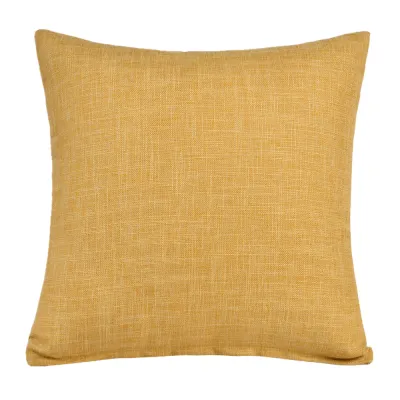
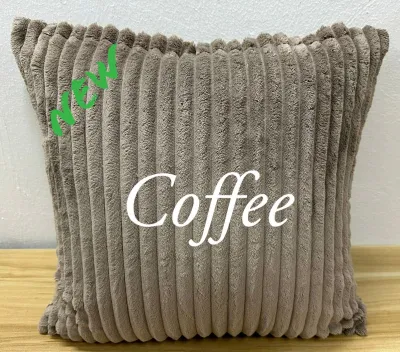
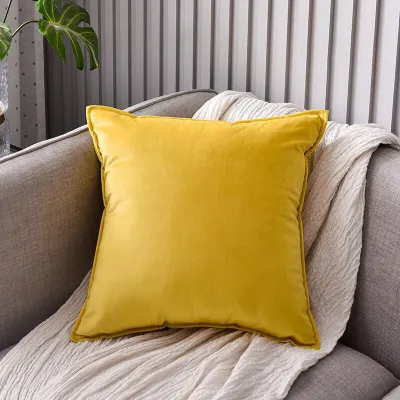
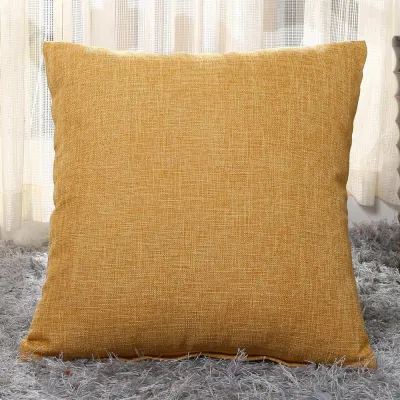
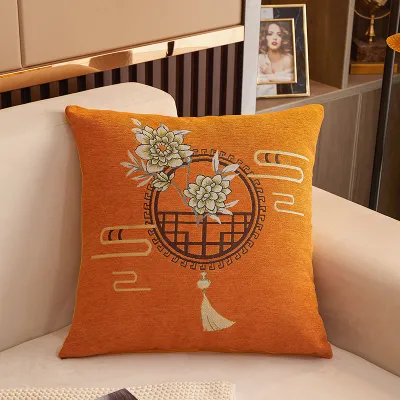
![[V.Home] Throw Pillows/Cushion Case/4 sizes available/Indoor Decoration Cushion Pillow](https://img.lazcdn.com/g/p/7b0bca45b51dd8b3fca4a548ca000357.jpg_400x400q80.jpg_.webp)
Prices are valid at publication and may change. Please refer to the product page for the latest price.
Visual weight and balance play a critical role in how a room is perceived from the doorway. Heavy, dark, or overly ornate cushions can make a light-colored sofa look bottom-heavy or cluttered, breaking the clean sightlines of the room. To maintain a sense of spaciousness, choose cushion covers that match or gently elevate the visual weight of your seating. This involves considering how the scale of the cushion relates to the height of the sofa back and the depth of the seat cushions, ensuring that the soft additions do not overpower the furniture’s structural silhouette.
Cohesion with your existing furniture is the final pillar of successful minimalist styling. Your new cushion covers should look like an organic extension of the sofa rather than an afterthought or a jarring contrast. If your sofa features a sleek, low-profile mid-century design, choosing overly slouchy, unstructured linen covers might conflict with its crisp lines. Conversely, a plush, deep-seated contemporary sofa might feel cold and uninviting without the softening effect of textured, matte-finish covers. Always evaluate how the fabric drape, edge details, and overall structure of the cover align with the architectural lines of your living room furniture.
Selecting Color Palettes for a Minimalist Aesthetic
Color is one of the most immediate ways to influence the mood of a minimalist living room, but it must be handled with restraint to avoid creating a chaotic environment. A monochromatic or tonal color scheme is an exceptionally reliable approach for minimalist spaces. By selecting cushion covers in varying shades of a single color family—such as cool slate grays, warm taupes, or soft sands—you create a sophisticated, layered look that feels cohesive and calm. This technique relies on subtle shifts in value rather than contrasting hues to generate visual interest.

A neutral foundation forms the backbone of most minimalist interiors, particularly in urban apartments where maximizing light is essential. Whites, creams, beiges, soft grays, and gentle earthy tones serve as timeless baselines that easily adapt to changing decor. These shades reflect natural light beautifully, helping to make smaller living areas feel more open and airy. When working with a neutral palette, the key is to pay attention to undertones; pairing a cool, blue-toned gray cushion cover with a warm, yellow-based beige sofa can create an unsettling visual clash, so keeping undertones consistent is vital.
While neutrals are a safe harbor, you can strategically introduce accent colors to add personality to your living room without disrupting its minimalist integrity. The secret lies in choosing muted, desaturated, or deep tones rather than bright, saturated primary colors. Think of rich olive greens, burnt terracotta, deep navy, or soft mustard yellow. These colors should be introduced sparingly—perhaps on a single lumbar cushion or as a subtle thread woven into a textured fabric—to act as a quiet focal point that anchors the seating arrangement without competing for attention.
Adding Depth Through Textures and Materials
When you remove bold patterns and bright colors from your design toolkit, texture becomes your primary medium for creating warmth and character. Natural fibers are highly celebrated in minimalist design for their organic, unpretentious beauty and tactile appeal. Linen cushion covers, with their characteristic slubs and relaxed drape, bring an effortless, breathable quality to a living space, making them particularly suited for warm, humid climates where comfort is paramount. Cotton weaves offer a slightly crisper, more structured alternative that maintains its shape well over time while remaining soft to the touch.
To elevate the sensory experience of your living room, focus on creating tactile contrasts across your seating area. If your sofa is upholstered in a smooth, flat-woven polyester or leather, pairing it with equally smooth cushion covers can make the entire setup feel flat and sterile. Instead, introduce covers made from nubby bouclé, chunky waffle weaves, or plush brushed cotton. These tactile variations invite touch and add physical depth to the space, ensuring that a neutral color scheme feels cozy and lived-in rather than cold and clinical.
The way different materials interact with light is another crucial factor that changes the mood of your living room throughout the day. Matte fabrics like linen, canvas, and heavy cotton absorb light, creating soft shadows and a relaxed, grounded atmosphere. On the other hand, fabrics with a subtle sheen, such as low-pile velvet or silk-blend weaves, reflect light, adding a touch of understated luxury and brightness to darker corners. Observing how natural light moves through your living room during the day will help you decide whether to lean toward light-absorbing or light-reflecting textures.
Navigating Patterns and Shapes in Minimalist Design
Patterns are not entirely forbidden in minimalist spaces, but they must be selected with extreme care to prevent visual clutter. High-contrast prints, large-scale florals, and busy geometric patterns can easily overwhelm a minimalist room. Instead, look for tone-on-tone patterns or micro-patterns where the design is created through the weaving process itself rather than printed on top. A subtle herringbone, a delicate windowpane check, or a self-patterned jacquard using threads of similar shades offers a sophisticated way to introduce pattern without introducing noise.
Varying the shapes of your cushions is an excellent way to break up the monotony of a standard sofa layout while providing practical ergonomic support. While square cushions are the traditional standard, incorporating a rectangular lumbar cushion or a cylindrical bolster can create a more dynamic, layered look. A lumbar cushion not only offers essential lower-back support during long evenings of relaxation but also draws the eye horizontally, balancing the vertical lines of the sofa back. Keep the shapes simple and geometric, avoiding overly complex or novelty silhouettes.
The small details on the edges of your cushion covers can quietly redefine their style and structure. Minimalist design thrives on these subtle details. A clean, knife-edge finish—where the front and back panels are sewn directly together without extra fabric—offers the sharpest, most modern look. If you prefer a slightly softer aesthetic, consider a small flange or a delicate piped edge in a matching color. These subtle trims define the boundaries of the cushion, adding a tailored, high-end feel without relying on loud embellishments like tassels or heavy fringes.
Planning the Cushion Arrangement and Layout
An effective cushion arrangement requires careful planning around the physical dimensions of your furniture. Sizing ratios are critical; a common mistake is choosing cushions that are either too small, making them look lost, or too large, which crowds the sofa. For a standard three-seater sofa, cushion covers measuring 50cm by 50cm or 55cm by 55cm generally provide the ideal scale. If your sofa has a low back, opt for slightly smaller dimensions to ensure the cushions do not extend past the top frame, which can disrupt the clean horizontal lines of your living room.
Layering your cushions should feel structured yet inviting rather than rigid and formal. A classic minimalist layering technique involves placing a larger, neutral-toned square cushion at the back, and nesting a smaller, textured or slightly deeper-toned cushion in front of it. This creates a sense of depth and comfort without requiring a mountain of pillows. For sectionals or L-shaped sofas, focus your arrangements on the corners and ends, leaving plenty of open space in between to preserve the clean, uncluttered look of the seating area.
Knowing when to stop is perhaps the most important skill in minimalist styling, often referred to as the editing threshold. If you find yourself constantly moving cushions out of the way just to sit down comfortably, you have crossed the threshold into clutter. A minimalist sofa should always remain fully functional and ready for use. If an arrangement feels too busy, try removing one cushion at a time until the layout feels balanced, light, and spacious, keeping only the pieces that truly contribute to both comfort and style.
Pre-Purchase Specifications and Compatibility Checklist
Before finalizing your purchase on any online marketplace, verifying the technical specifications of both the cushion covers and your existing inserts is essential for achieving the desired look. To get a plump, high-end appearance, a common industry practice is to select a cushion cover that is slightly smaller than the insert itself. For example, if you have a standard 50cm by 50cm feather or down insert, choosing a 45cm by 45cm cover will yield a full, well-filled cushion. If you prefer a more relaxed, slouchy, and casual look, matching the cover size exactly to the insert dimensions is the best path.
The closure mechanism of the cushion cover affects both its daily durability and its visual cleanliness. Hidden zippers are the gold standard for minimalist design, as they completely conceal the opening along the bottom seam, maintaining a seamless silhouette from every angle. Envelope closures, which feature overlapping fabric panels on the back, offer a zipper-free alternative but can sometimes gap open if the insert is too plump. Button closures can add a charming, tactile detail, but ensure the buttons are simple, flat, and color-matched to keep the look clean.
Finally, practical care and maintenance must align with your household’s daily reality to ensure your new covers remain beautiful for years. If your living room receives intense afternoon sun, look for UV-resistant fabrics or natural fibers that resist fading. For homes with pets or young children, choosing machine-washable cotton or durable synthetic blends is far more practical than delicate dry-clean-only silks or loose bouclé weaves that can easily snag. Always check the manufacturer’s washing instructions and shrinkage risks before purchasing to avoid disappointment after the first wash.
Frequently Asked Questions (FAQ)
How many cushions are too many for a minimalist sofa?
For a standard two-seater sofa, one to two cushions are generally sufficient to add comfort without cluttering the space. On a larger three-seater sofa or a sectional, three to four cushions are typically the maximum limit. The ultimate functional test is whether you need to physically remove or stack the cushions elsewhere to sit down comfortably; if the cushions interfere with daily seating, you have too many.
Can I mix different fabric textures on the same sofa?
Yes, mixing textures is highly encouraged in minimalist design as it replaces the need for busy patterns. To keep the look cohesive, limit your selection to two or three distinct textures—such as pairing a smooth cotton canvas with a nubby bouclé or a relaxed linen. Keeping the color palette strictly monochromatic or tonal will unify these different materials, ensuring they look intentional rather than chaotic.
Should cushion covers match the curtains in a minimalist room?
In modern minimalist design, exact matching of cushion covers and curtains is generally avoided, as it can make a room feel overly staged and rigid. Instead, aim for tonal coordination. Choose cushion covers that share a similar color family or undertone with your window treatments, or select a texture that complements the weight of your curtains, creating a harmonious flow of light and color throughout the room.

Community discussion
Share your experience or ask a question. Comments are reviewed before publication.