
Designer mirrors are far more than simple reflective surfaces; they function as architectural tools that redefine spatial perception and elevate interior aesthetics. In Singapore’s diverse residential landscape, where homes range from compact high-rise apartments to expansive multi-story properties, strategic mirror placement plays a pivotal role in modern interior design. A well-chosen designer mirror does not merely hang on a wall; it captures ambient light, introduces sculptural form, and establishes a sophisticated focal point that anchors a room’s decor. Investing in an authentic designer piece ensures a harmonious blend of artistic vision, premium materials, and structural longevity.
Selecting the perfect mirror requires a balance of aesthetic appreciation and practical planning. By understanding how to evaluate craftsmanship, verify brand authenticity, and navigate local sourcing channels, you can make an informed decision that enhances your living space for years to come. This guide outlines the essential steps to assess your space, evaluate premium brands, source authentic pieces in Singapore, and ensure safe installation and maintenance.
Assessing Your Space and Design Requirements
Before exploring specific designer brands, it is essential to evaluate your room’s physical dimensions, lighting conditions, and existing layout. In compact living areas or narrow entryways, a large mirror can visually double the perceived square footage by creating an illusion of depth. To maximize natural light, position the mirror adjacent to or directly opposite a primary light source, such as a balcony sliding door or a large window. This placement bounces daylight deep into the floor plan, softening dark corners and creating a bright, airy atmosphere throughout the day.
Products mentioned in this guide
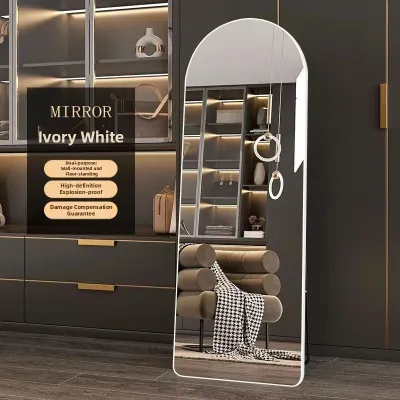
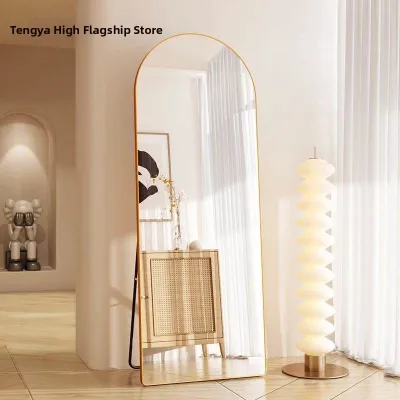
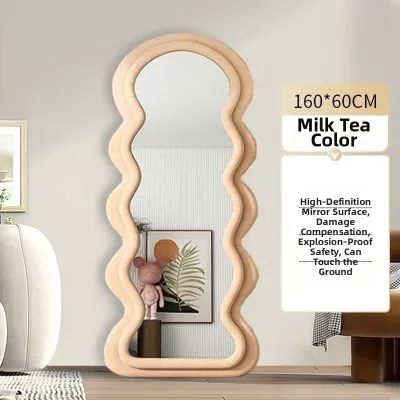
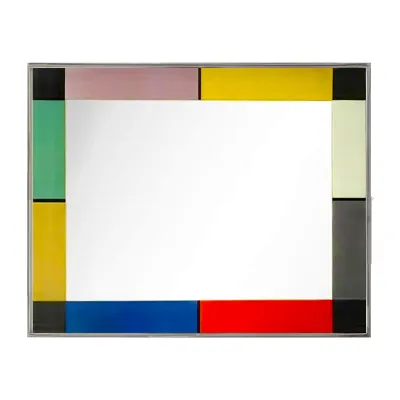
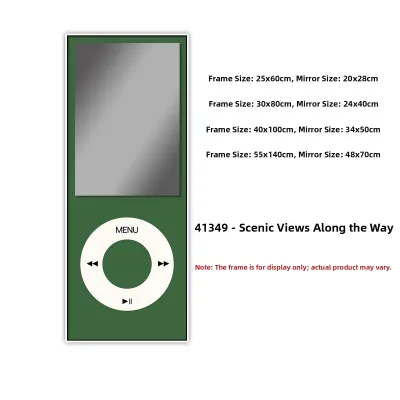
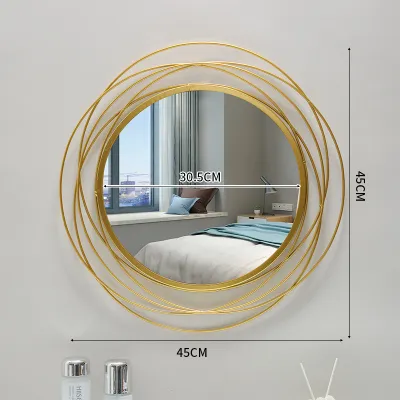
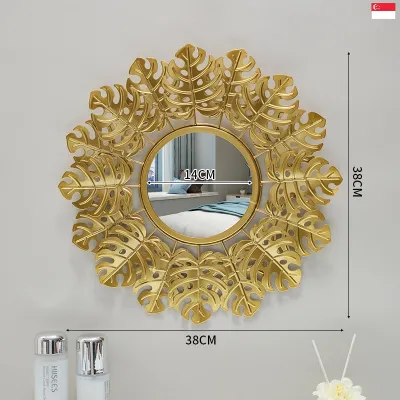
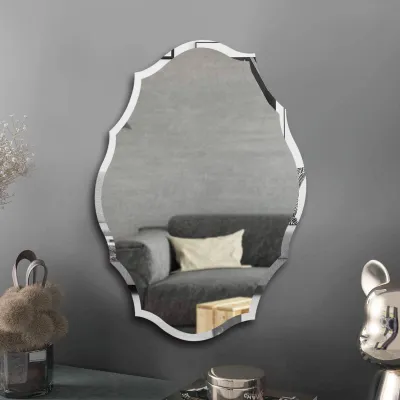
Prices are valid at publication and may change. Please refer to the product page for the latest price.
Your choice of mirror should also harmonize with the architectural language and design style of your home. For minimalist or industrial interiors, look for mirrors with ultra-slim metal frames, matte black finishes, or frameless designs featuring polished beveled edges. If your space leans toward contemporary luxury or organic modernism, sculptural mirrors with asymmetrical shapes, tinted glass accents, or hand-carved timber frames can serve as functional wall art. The frame material and finish should complement existing elements in the room, such as matching a brushed brass frame with warm lighting fixtures or metallic hardware.
Clearly defining the primary purpose of the mirror will help narrow down your options. A functional dressing mirror in a bedroom or walk-in wardrobe requires flat, high-clarity glass and a height of at least 120 to 150 centimeters to provide a complete, undistorted view. Conversely, a decorative mantel mirror or an entryway statement piece focuses more on silhouette, frame artistry, and spatial impact. For purely decorative applications, you might opt for tinted glass—such as bronze, grey, or antique finishes—or multi-paneled designs that prioritize visual texture over a perfect reflection.
If you are selecting a backlit or LED-integrated designer mirror, verify the electrical specifications before finalizing your purchase. Ensure the mirror’s voltage is compatible with Singapore’s 230V grid, check the wattage limits, and confirm that the unit has appropriate electrical safety certifications. For installation in damp environments like bathrooms, the mirror must have a suitable Ingress Protection (IP) rating, typically IP44 or higher, to protect against moisture. Any fixed electrical wiring or integration with home dimming systems should be handled by a licensed electrical worker to ensure safety and compliance.
Core Criteria for Evaluating Designer Mirror Brands
High-end designer mirrors are distinguished by exceptional construction quality and attention to detail. When evaluating a brand, examine the frame joinery closely; premium wooden frames feature seamless mitered joints or traditional dowel construction, while high-quality metal frames show smooth, polished welds without visible bubbling, gaps, or rough edges. The backing material is equally critical to the mirror’s longevity. Look for moisture-resistant backing, such as sealed medium-density fiberboard (MDF) or specialized backing boards, which protect the silver reflective layer from environmental degradation and warping.

The quality of the glass itself is a primary indicator of a premium designer brand. Authentic designer mirrors typically utilize thick glass—usually 5mm to 6mm—which prevents the subtle bending or “funhouse” distortion common in thinner, mass-produced alternatives. Furthermore, reputable brands often employ lead-free and copper-free silvering processes. These advanced manufacturing techniques are not only more environmentally friendly but also significantly more resistant to clouding, desilvering, and edge corrosion over time, ensuring the reflection remains crystal clear.
Brand transparency regarding material sourcing and manufacturing heritage is another hallmark of genuine quality. Reputable designer brands provide clear documentation detailing where the glass was cast, how the frame was finished, and the design philosophy of the creator. Many premium mirrors are hand-finished in artisanal workshops or produced in certified high-precision facilities that adhere to strict quality control standards. Understanding this heritage helps justify the investment and ensures you are acquiring a piece with genuine artistic and material value.
Finally, consider the level of after-sales support and warranty coverage offered by the brand or its authorized distributor. Because a designer mirror is a substantial investment, look for manufacturers that provide explicit warranties covering silvering defects, such as premature oxidation, black spots, or delamination. Reliable brands often offer professional delivery, specialized installation services, and access to replacement parts or frame restoration. This level of support ensures that your mirror remains a pristine heirloom piece rather than a disposable decor item.
Sourcing and Verifying Designer Mirrors in Singapore
To truly appreciate the scale, material quality, and glass clarity of a designer mirror, it is highly recommended to visit established local showrooms and design studios. Showrooms located in design hubs like Outram, Henderson, or the Orchard shopping district allow you to inspect the finishes under realistic lighting conditions. Interacting with the physical product helps you assess the weight, mounting brackets, and overall presence of the mirror. Showroom consultants can also provide detailed specification sheets and customized installation advice tailored to Singaporean residential structures.
When purchasing online, always navigate through official brand websites or their designated authorized local distributors. Many international designer brands maintain a list of certified stockists on their websites, allowing you to verify if a local showroom or online portal is an authorized seller. Purchasing through these verified channels guarantees product authenticity, secures the manufacturer’s warranty, and ensures that the mirror is packaged and shipped using specialized crates designed to prevent transit damage.
Exercise caution when browsing general e-commerce platforms or online marketplaces. Unusually low prices for a supposedly high-end designer piece are a primary indicator of a counterfeit or a low-quality replica. Other warning signs include vague material descriptions (such as “designer-style mirror” or “premium glass look”), a lack of official brand hallmarks, and sellers who cannot provide clear warranty terms or details about the manufacturer. Replicas often use thin, low-grade glass that distorts reflections and cheap plastic or composite frames painted to mimic metal or solid wood.
Installation, Safety, and Long-Term Care
Singaporean homes typically feature a mix of reinforced concrete walls (common in structural columns and HDB bomb shelters) and drywall partition walls (often found in newer condominium bedrooms). Before hanging a heavy designer mirror, identify the wall material. Concrete walls require masonry drill bits and heavy-duty plastic or metal wall plugs to secure the mounting screws. Drywall partitions, on the other hand, demand specialized hollow-wall anchors, such as toggle bolts, or direct mounting into the underlying timber or metal studs to distribute the weight safely.
Large designer mirrors can easily weigh 15 to 30 kilograms or more. Always check the manufacturer’s specified weight and use mounting hardware rated well above that limit. Avoid hanging heavy mirrors directly over headboards, sofas, or high-traffic walkways unless they are professionally secured. Furthermore, Singapore’s tropical climate brings high relative humidity, which can accelerate the oxidation of the mirror’s silver backing. If placing a mirror in a bathroom, near a balcony, or in a semi-outdoor space, ensure the frame is sealed against moisture and the glass features a copper-free protective coating.
To preserve the brilliant clarity and frame finish of your designer mirror, follow a strict, non-abrasive cleaning routine. Avoid spraying liquid glass cleaners directly onto the mirror surface, as the liquid can run down and pool at the bottom edge, seeping behind the glass and causing irreversible desilvering (black edge rot). Instead, spray a small amount of ammonia-free glass cleaner or distilled water onto a clean, lint-free microfiber cloth, then gently wipe the glass. For specialized frame materials like brass, gold leaf, or polished timber, use only dry, soft cloths or manufacturer-recommended cleaning agents to avoid stripping the protective lacquer or patina.
Frequently Asked Questions (FAQ)
How can I tell if a designer mirror is authentic?
Authentic designer mirrors feature distinct hallmarks of quality and brand identification. Look for physical markers such as engraved brand logos, metal nameplates, or printed serial numbers on the back of the frame or the protective backing board. Genuine pieces are almost always accompanied by a certificate of authenticity, a branded care booklet, or official packaging. To guarantee authenticity, cross-reference the seller’s name with the authorized dealer list on the designer brand’s official global website before making a purchase.
Do designer mirrors require special wall reinforcements?
Yes, many designer mirrors are exceptionally heavy due to the use of thick, high-quality glass and solid metal or timber frames. Standard plastic wall plugs are often insufficient for mirrors weighing over 10 to 15 kilograms. For drywall installations, you must use heavy-duty toggle bolts or secure the mounting brackets directly into the wall studs. If you are mounting a large or irregularly shaped mirror onto concrete, ensure you use high-load masonry anchors. If you are unsure about the load-bearing capacity of your walls or the complexity of the mounting bracket, it is highly recommended to hire a professional installer to prevent structural damage or safety hazards.

Community discussion
Share your experience or ask a question. Comments are reviewed before publication.