
Singapore apartments, from cozy HDB flats to modern condominiums, often require creative design solutions to maximize the perception of space. Among the most reliable tools in an interior designer’s toolkit is the large wall mirror. When selected thoughtfully and positioned with intent, a substantial mirror does far more than serve a functional purpose; it acts as a visual portal that alters how you experience a room’s boundaries. By reflecting light, extending sightlines, and introducing a sense of architectural depth, the right mirror can make a compact living area or a narrow corridor feel significantly more open and airy.
Achieving this spatial transformation requires more than simply hanging the largest piece of glass you can find. It demands an understanding of how light interacts with reflective surfaces, how proportions balance within a room, and how different framing styles influence visual weight. Furthermore, because Singapore homes feature diverse wall structures—ranging from solid concrete structural walls to hollow drywall partitions—safety and proper installation techniques are paramount. This guide explores how to select, place, and safely install large wall mirrors to optimize your home’s layout and create a bright, expansive atmosphere.
How Large Mirrors Create the Illusion of Space
The primary mechanism by which a large mirror expands a room is the manipulation of light. In many urban homes, deep layouts or limited window openings can leave certain corners in shadow, making the overall footprint feel restricted. A large mirror placed strategically captures available light—whether natural daylight streaming through a balcony door or artificial light from a pendant lamp—and bounces it back into the room. This secondary distribution of light eliminates dark zones, evening out the illumination and making the entire volume of the room feel larger and more inviting.
Products mentioned in this guide
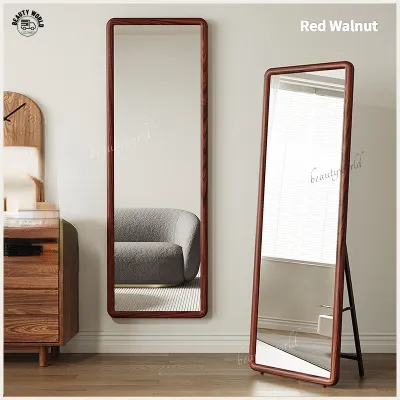
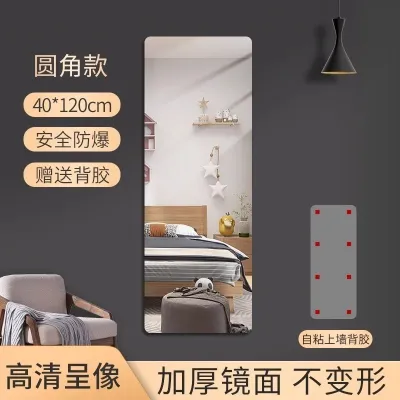
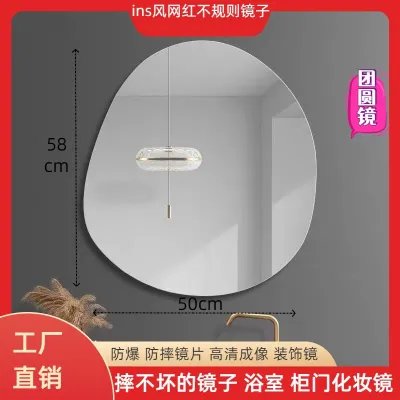
Prices are valid at publication and may change. Please refer to the product page for the latest price.
Beyond simple brightness, mirrors introduce the concept of perceived depth. When you look into a mirror, your eyes perceive the reflected space as an extension of the actual room, effectively doubling the visual distance to the wall. This optical illusion tricks the brain into registering a deeper field of view, which immediately alleviates the feeling of confinement often associated with short walls or low ceilings. The effect is particularly powerful when the mirror reflects an open view, such as an adjacent dining area or an outdoor green space, rather than a blank surface.
Additionally, a large mirror serves as a powerful focal point that can redefine the flow of a room. In interior design, a strong focal point draws the eye immediately, establishing a sense of order and structure. By capturing attention with its reflective depth, a large mirror distracts from the physical boundaries of the room. Instead of focusing on where the walls end, the eye is drawn to the movement, light, and depth within the reflection, creating a dynamic visual experience that makes the physical limitations of the space feel secondary.
Key Dimensions and Proportions for Space-Enhancing Mirrors
Selecting the correct size for a space-enhancing mirror requires a careful assessment of your wall dimensions. A common mistake is choosing a mirror that is too small, which can look lost on a large wall and fail to deliver the desired spatial impact. Conversely, a mirror that covers a wall entirely without any border can sometimes feel overwhelming or clinical. As a general guideline, aim for a mirror that covers approximately two-thirds to three-quarters of the available wall space above a piece of furniture, or leaves a comfortable border of exposed wall around its perimeter when hung alone. This “breathing room” frames the mirror and integrates it naturally into the room’s decor.

The choice between a floor-standing oversized mirror and a wall-mounted panel depends heavily on your room’s layout and lifestyle. Floor-standing mirrors, often referred to as leaner mirrors, rest on the floor and tilt slightly upward against the wall. This upward angle is excellent for reflecting high ceilings and creating a relaxed, contemporary aesthetic. However, they do occupy physical floor space, which might be at a premium in tight entryways or narrow walkways. Wall-mounted panels, on the other hand, keep the floor completely clear, making them highly suitable for high-traffic areas where maximizing floor area is the priority.
Balancing the visual weight of a large mirror with your existing furniture is crucial for maintaining harmony in the room. A massive, heavy-framed mirror placed above a delicate, spindly console table can create an unsettling top-heavy appearance. To avoid this, pair substantial mirrors with furniture that has a grounding presence, such as a solid sideboard, a sturdy sofa, or a deep chest of drawers. If you are mounting a mirror above a piece of furniture, ensure the mirror is slightly narrower than the furniture piece below it to maintain a stable, balanced visual pyramid.
Mirror Styles and Frame Choices That Maximize Spaciousness
The frame of a mirror plays a significant role in how much it enhances the perception of space. To maximize the reflective surface and minimize visual clutter, frameless mirrors or those with ultra-thin metal frames are highly effective. Frameless designs blend seamlessly into the wall, allowing the reflection to merge directly with the surrounding environment without a hard boundary. This creates a continuous visual flow that is ideal for minimalist or modern interiors. Thin metal frames, particularly in matte black, brass, or brushed chrome, provide a clean, subtle border that defines the mirror without adding unnecessary visual bulk.
The shape of the mirror also influences how it alters the perception of a room’s dimensions. Rectangular mirrors are highly versatile; hung horizontally, they can widen a short wall or make a narrow dining area feel elongated, while hung vertically, they draw the eye upward to emphasize ceiling height. Arched or round mirrors, on the other hand, introduce soft, organic curves that break up the rigid, straight lines common in modern apartment architecture. An arched mirror can mimic the appearance of an elegant window, adding an architectural element that suggests an opening to another room or an outdoor space.
The type of glass finish you choose also impacts light transmission and the overall spatial effect. Clear, high-quality silver glass offers the most accurate reflection and maximum light bounce, making it the preferred choice for dark or compact rooms. While tinted glass—such as bronze, grey, or antique finishes—can add a sophisticated, moody atmosphere to a space, it absorbs more light than clear glass. If your primary goal is to make a small room look brighter and larger, stick to clear glass to ensure the highest possible light transmission and reflection clarity.
Strategic Placement to Amplify Room Size and Light
To fully unlock the space-expanding potential of a large mirror, strategic placement is essential. One of the most effective techniques is positioning the mirror opposite or adjacent to a primary light source, such as a large window or balcony door. This placement allows the mirror to capture incoming daylight and distribute it deep into the interior of the home. By reflecting the outdoor view, it also creates a “second window” effect, bringing elements of nature or the city skyline inside and visually dissolving the solid wall.
Another classic placement strategy is positioning a large mirror behind focal furniture pieces to anchor the room. Placing a wide, horizontal mirror above a living room sofa or a dining room console table creates an immediate sense of depth behind the seating or dining area. This setup makes the furniture feel as though it is sitting in a much larger, open-plan space rather than being pushed up against a solid boundary. In dining rooms, a large mirror reflecting the dining table not only enhances light but also adds a sense of scale and occasion to meals.
While placing mirrors, it is equally important to consider what will be reflected. Avoid positioning a large mirror directly opposite cluttered areas, open utility closets, or blank, unadorned walls, as this will only double the visual clutter or emphasize the emptiness. Additionally, be mindful of direct sunlight; placing a mirror where it receives harsh, direct afternoon sun can cause uncomfortable glare and heat reflection, disrupting the comfort of the room. Instead, aim to reflect pleasing views, such as a well-styled bookshelf, indoor plants, or a piece of art on an adjacent wall.
Pre-Purchase and Installation Safety Checks
Before purchasing a large wall mirror, conducting thorough structural and safety checks is vital to ensure a secure installation. Large mirrors are heavy, suspended loads that pose significant safety risks if not mounted correctly. The first step is identifying your wall type. In Singapore, interior walls can vary from solid concrete or masonry structural walls to hollow drywall partitions. Solid concrete walls offer excellent load-bearing capacity but require a hammer drill and masonry wall plugs. Drywall partitions, common in newer developments and renovated spaces, require specialized hollow-wall anchors or direct fastening into the underlying metal or timber studs to support heavy weights safely.
Selecting the appropriate mounting hardware is critical for long-term stability. Avoid relying on simple adhesive strips or small picture hooks for large, heavy mirrors. Instead, look for heavy-duty D-rings, strap hangers, or French cleat systems. A French cleat, which consists of two interlocking metal or wood brackets—one mounted to the wall and the other to the back of the mirror—is highly recommended for oversized mirrors. This system distributes the weight evenly across a wider section of the wall and prevents the mirror from shifting or tilting forward over time.
Glass safety is another essential consideration, particularly in households with children or pets. When shopping for a large mirror, verify if it features a safety backing or a shatter-resistant film. This backing is a thin adhesive layer applied to the rear of the glass that holds the shards together in the event of accidental impact or breakage, preventing hazardous glass fragments from scattering. If a mirror does not come with this feature pre-installed, you can purchase and apply a clear safety film to the back of the glass before mounting it.
Finally, recognize the boundaries of DIY installation. If a mirror is exceptionally heavy, requires mounting at a significant height, or needs to be installed on a delicate surface like wallpaper or custom wall paneling, it is best to stop and consult a qualified professional installer. Professional handymen have the specialized tools, experience, and knowledge of local building structures to ensure the mirror is anchored securely. Investing in professional installation provides peace of mind, ensuring your beautiful new design feature remains safely and permanently in place.
Frequently Asked Questions (FAQ)
How heavy is too heavy for a standard drywall installation?
Standard drywall partitions without stud reinforcement are generally not designed to support heavy, concentrated loads. While lightweight decorative items can be hung using basic plastic drywall anchors, any mirror weighing more than 10 to 15 kilograms should not be mounted on drywall alone. For mirrors exceeding this weight, it is essential to locate the vertical wall studs behind the drywall using a stud finder and secure the mounting brackets directly into these structural supports. If the studs do not align with your desired mirror placement, heavy-duty toggle bolts or hollow-wall anchors rated for the specific weight of your mirror must be used, though consulting a professional installer is highly recommended for weights above 20 kilograms to prevent structural damage or failure.
Should a large mirror be hung vertically or horizontally?
The orientation of your mirror should be guided by the specific dimensions you wish to emphasize in the room. Hanging a large rectangular mirror vertically is highly effective for rooms with low ceilings, as it draws the eye upward and creates an illusion of height. This orientation works beautifully in narrow entryways or next to tall furniture pieces like bookcases. Conversely, hanging a mirror horizontally is ideal for widening narrow spaces, such as long hallways or compact dining alcoves. A horizontal orientation also pairs naturally with wide furniture pieces, such as a living room sofa or a sideboard, helping to anchor the furniture and expand the perceived width of the entire wall.

Community discussion
Share your experience or ask a question. Comments are reviewed before publication.