
Outfitting an entire home in Singapore with LED downlights requires balancing upfront costs with long-term performance, energy efficiency, and safety. Because downlights are recessed directly into false ceilings and run for hours daily, selecting the right fixtures is critical to avoiding premature failures, mismatched color temperatures, and high utility bills. Achieving the best value for a whole-home installation involves evaluating technical specifications, understanding local electrical requirements, and choosing a brand tier that matches your specific household needs.
Core Criteria for Evaluating Whole-Home LED Downlights
To make an informed decision, you must look beyond the brand name and evaluate the core technical metrics that define a high-quality LED downlight.
Luminous efficacy, measured in lumens per watt (lm/W), indicates how efficiently a fixture converts electricity into visible light. Selecting downlights with high luminous efficacy ensures you achieve the desired brightness while keeping energy consumption low across multiple rooms.
Products mentioned in this guide
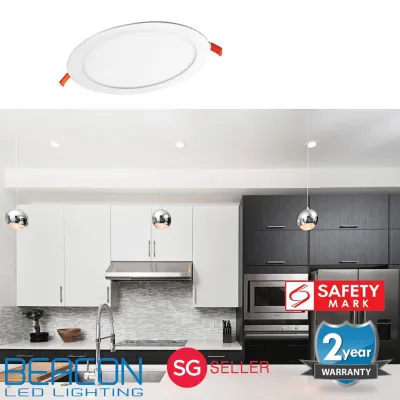
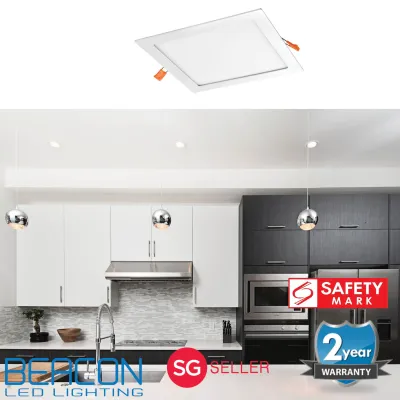
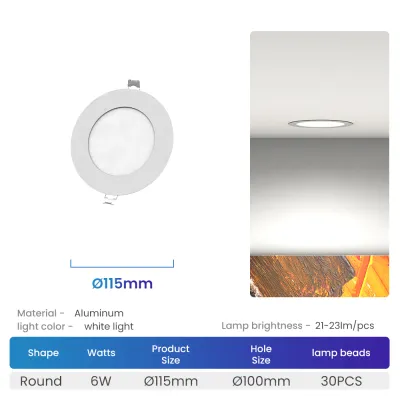
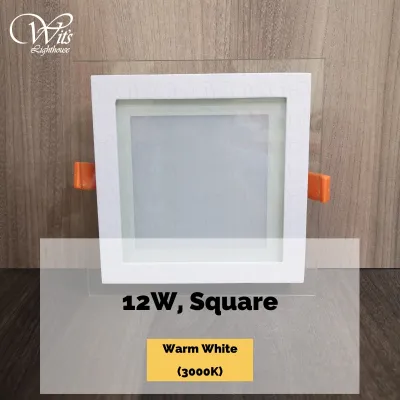
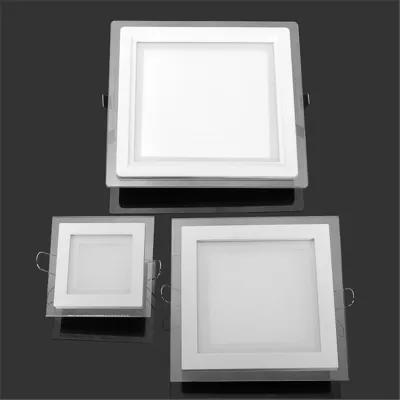
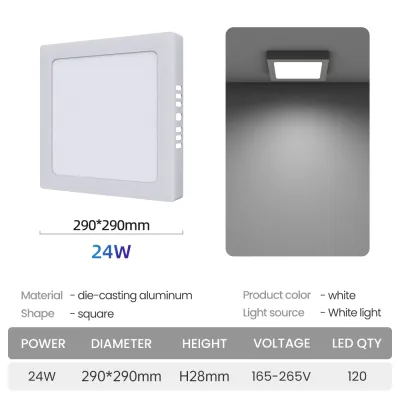
![[Local Seller] LED Ceiling Surface Mounted Downlight LED Panel Light Square Round](https://img.lazcdn.com/g/ff/kf/Sdd11b528478549189cb70a967ccae3d2t.jpg_400x400q80.jpg_.webp)
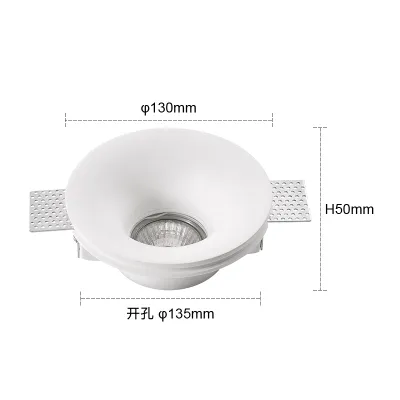
Prices are valid at publication and may change. Please refer to the product page for the latest price.
Color consistency is another critical factor, particularly when installing multiple downlights in a single ceiling run. This is measured using the Standard Deviation of Color Matching (SDCM), where a lower rating (such as SDCM < 3) indicates that the variation in color temperature between individual fixtures is virtually imperceptible to the human eye.
Visual comfort depends heavily on anti-glare design. Look for fixtures with a low Unified Glare Rating (UGR) or those featuring deep recessed light sources, which position the LED chip further back inside the housing to prevent direct glare from straining your eyes.
Finally, the build quality of the heat sink directly impacts the lifespan of the LED chip and driver. Aluminum heat sinks offer excellent thermal dissipation compared to plastic alternatives, preventing heat buildup that causes premature dimming or driver failure.
Electrical and Safety Checks Before Brand Selection
Before purchasing any downlight brand, you must verify that the products comply with local electrical standards and installation environments.

In Singapore, electrical accessories connected to the mains must carry the appropriate local safety certification marks to ensure they have been tested for fire and electrical hazards. Using uncertified fixtures can compromise your home’s electrical safety and potentially void your property insurance.
Wet areas, such as bathrooms, kitchens, or semi-outdoor balconies, require downlights with specific Ingress Protection (IP) ratings. A rating of IP44 or higher is generally recommended for damp environments to protect the internal circuitry from moisture and dust ingress.
If you plan to install dimmable lighting, you must confirm compatibility between the downlight driver and your dimmer switches. Common dimming protocols include TRIAC and 0-10V; pairing incompatible components leads to persistent flickering, buzzing noises, and accelerated wear on the driver.
Additionally, plan for the physical boundaries of the installation. Modifying false ceilings, cutting new holes, and running fixed wiring require specialized tools and strict adherence to safety protocols, making professional installation essential.
Brand Comparison and Conditional Selection Framework
Rather than searching for a single universal winner, homeowners should evaluate brands based on distinct tiers that align with their budget, aesthetic preferences, and technical requirements.
Premium or warranty-focused brands are highly suitable if your priority is long-term reliability, strict color consistency (low SDCM), and comprehensive local after-sales support. These brands typically offer robust product warranties and readily available replacement parts, making them a secure investment for main living areas where consistent light quality is paramount.
Mid-range or bulk-value brands offer a practical balance for general living spaces, corridors, and utility rooms. These brands provide reliable basic specifications and standard safety certifications at a lower unit price, allowing you to manage the overall cost of a whole-home project without sacrificing safety.
Smart ecosystem brands are the ideal choice if you plan to integrate your lighting with home automation protocols such as Zigbee, Matter, or local Wi-Fi networks. These fixtures allow for dynamic color tuning, scheduling, and dimming via smart devices, though they require a stable home network and compatible smart hubs.
Conversely, you should avoid brands that lack accessible local warranty services, fail to provide documented photometric data, or do not specify exact cut-out dimensions. Without these details, you risk purchasing fixtures that are difficult to install, impossible to replace under warranty, or visually inconsistent.
Estimating Whole-Home Installation Costs and Value
Calculating the true value of a whole-home downlight installation requires looking at the total cost of ownership rather than just the initial purchase price of the fixtures.
The total upfront cost comprises the unit price of the downlights, potential bulk discounts offered by local distributors for whole-home orders, and the labor fees charged by qualified electricians. Purchasing all fixtures from a single supplier often unlocks volume pricing that significantly reduces the per-unit cost.
When evaluating warranties, distinguish between simple product replacement coverage and comprehensive warranties that include labor call-out fees. A warranty that only replaces the physical unit still leaves you responsible for the cost of hiring an electrician to perform the swap, whereas premium brands may offer more supportive local terms.
Long-term value is realized through energy savings and durability. Investing slightly more upfront in highly efficient, durable downlights with aluminum heat sinks can lead to lower monthly electricity bills and fewer replacement cycles over a ten-year period, proving more cost-effective than cheaper, low-efficiency alternatives.
Installation and Post-Installation Verification
Proper installation and thorough post-installation checks are vital to ensuring the safety and performance of your new lighting system.
Always isolate the electrical power at the main distribution board before beginning any installation, maintenance, or replacement work. Any task involving fixed wiring or structural ceiling modifications must be handled by a qualified professional to prevent electrical shocks or structural damage.
Before cutting holes in your false ceiling, verify the exact cut-out dimensions specified by the manufacturer for your chosen downlight model. Even minor deviations can result in loose fixtures that sag over time or require expensive ceiling plastering and repainting to correct.
Once the installation is complete, conduct a visual inspection by turning on all the downlights simultaneously. Check for uniform beam distribution, consistent color temperature across adjacent fixtures, and smooth dimming transitions without any visible flickering.
Establish clear stop conditions during testing: if you detect persistent flickering, unusual buzzing noises, or excessive heat radiating from the fixture housing, immediately turn off the power switch and consult the manufacturer or a licensed electrician to diagnose the issue.
Frequently Asked Questions (FAQ)
Can I mix different LED downlight brands in the same room?
Mixing different LED downlight brands in a single room is generally not recommended due to the high risk of visual inconsistency. Even if two different brands claim the exact same color temperature, such as 3000K, their actual color rendering and spectral output can vary noticeably, resulting in a mismatched appearance on your ceiling. Additionally, differences in beam angles and lens designs can create uneven light pools and distracting shadows. For open-plan areas like living and dining rooms, it is best to use the same brand and model to maintain visual harmony, while reserving alternative brands for isolated spaces like bathrooms or storerooms.
Do I need a licensed electrician for whole-home downlight installation?
Yes, hiring a licensed electrician is highly recommended and often legally required for a whole-home downlight installation in Singapore. While replacing a simple plug-and-play LED module on an existing fixture is a low-risk task, installing new downlights involves working with fixed electrical wiring, cutting into false ceilings, and mounting external drivers. In Singapore, any modifications to fixed electrical wiring must be performed by a licensed electrical worker to ensure compliance with local safety standards. Utilizing a licensed professional guarantees that the installation is safe, prevents electrical hazards, and ensures your home insurance policy remains valid.

Community discussion
Share your experience or ask a question. Comments are reviewed before publication.