
A reliable magnet frame brand is defined by its structural integrity, the grade of its permanent magnets, and its suitability for your specific wall type and environmental conditions. When selecting a brand for wall displays in Singapore, look for manufacturers that specify their magnet types, use UV-stabilized acrylic or moisture-resistant treated hardwoods, and provide clear weight-bearing capacities. The ideal decision path involves assessing your wall construction, determining the thickness of your display media, and verifying the brand’s mounting specifications to ensure a secure, long-lasting hold.
Because Singapore’s tropical climate features high relative humidity, choosing a brand that uses inferior materials can lead to warped frames, peeling adhesives, or corroded magnetic elements. Prioritizing brands that offer transparent technical specifications rather than vague marketing claims is the most effective way to protect your artwork and your walls. By focusing on material science and structural design, you can confidently curate a beautiful, secure gallery wall that stands the test of time.
Key Dimensions for Evaluating Magnet Frame Brands
Magnetic Strength and Hold
Evaluating magnetic strength requires looking beyond generic claims of strong hold to find specific technical indicators. Reliable brands typically use high-grade neodymium (NdFeB) magnets, which offer a much stronger, more concentrated pull than standard flexible ferrite magnetic strips. This distinction is critical because the magnetic force must penetrate both the front panel of the frame and the thickness of your photograph or artwork.
Products mentioned in this guide
![[SG STOCK] Fridge Magnetic Photo Frame Polaroid Photo Frame Photo Frame Home Decoration Refrigerator](https://img.lazcdn.com/g/p/ae2f809d978fa3455e4d3f1894b68ac9.jpg_400x400q80.jpg_.webp)
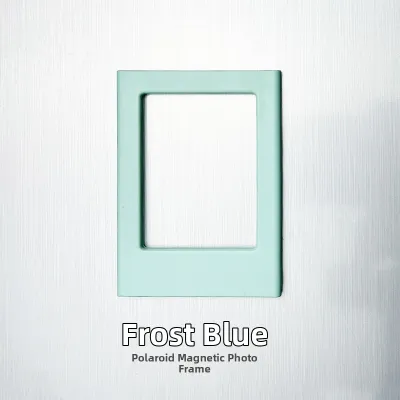
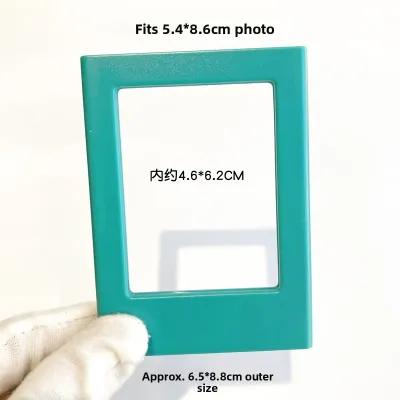
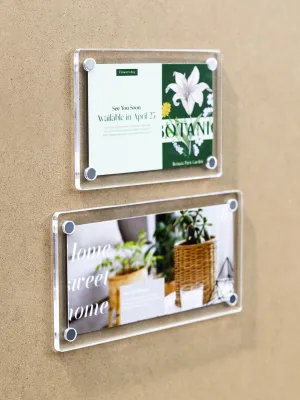
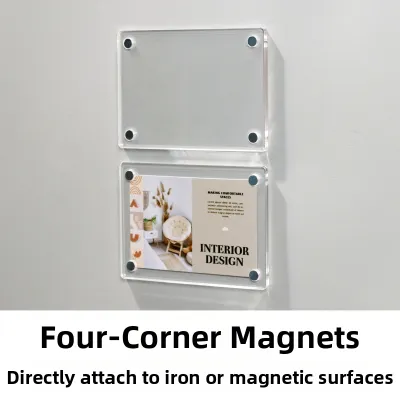
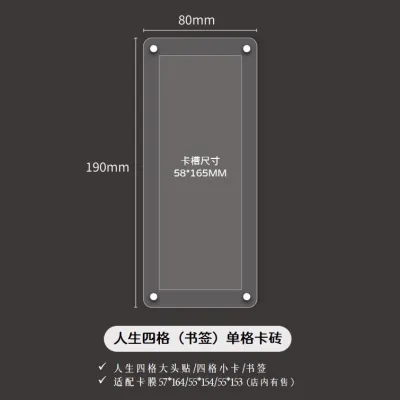


Prices are valid at publication and may change. Please refer to the product page for the latest price.
When comparing brands, check if they specify the maximum paper weight or thickness their frames can securely clamp. A high-quality brand will explicitly state if their frames are rated for standard photo paper, heavy cardstock, or textured fine art prints. If a brand fails to provide these limits, the magnets may not be strong enough to hold your prints securely, leading to slipping or complete separation of the frame components.
Build Quality and Materials
Singapore’s high humidity levels demand premium materials that resist warping, swelling, and corrosion. For wooden magnet frames, look for brands that use solid hardwoods such as teak, oak, or walnut, which have been properly seasoned and sealed with moisture-resistant finishes. Avoid untreated softwoods or low-grade medium-density fibreboard (MDF), which can absorb atmospheric moisture and warp over time, compromising the alignment of the magnets.
For acrylic magnet frames, the quality of the plastic is paramount. Premium brands utilize optical-grade cast acrylic rather than cheaper extruded acrylic. Cast acrylic offers superior clarity, is highly resistant to scratching, and will not yellow when exposed to ambient light. Furthermore, ensure that any metal components, such as integrated hanging brackets or screws, are made of stainless steel or anodized aluminum to prevent rust in humid environments.
Protective Features
Protecting your displayed memories from environmental damage is a key indicator of a thoughtful, high-quality brand. Ultraviolet (UV) radiation from natural sunlight can quickly fade photographs and yellow paper prints. Leading magnet frame brands often incorporate UV-filtering technology into their acrylic panels, blocking a significant percentage of harmful rays to preserve the vibrant colors of your images.
Additionally, consider how the frame interacts with your wall surface. High-quality brands design their frames with smooth, rounded edges and include soft protective backings, such as felt pads or silicone bumpers. These features prevent the frame from scratching or scuffing your wall paint during installation, adjustment, or when changing the displayed artwork.
Specification Transparency
Brand reliability is closely tied to the transparency of the product specifications provided. A reputable manufacturer will clearly list the exact outer dimensions, the viewable image area, the total weight of the frame, and the specific grade of magnets used. This detailed information is essential for planning your wall layout and ensuring your mounting hardware can support the total suspended load.
Avoid brands that use vague descriptions or omit crucial physical dimensions. Knowing the exact weight of the frame allows you to select the appropriate wall anchors or adhesive strips, minimizing the risk of the frame falling and causing damage. Transparent specifications also indicate that the manufacturer has subjected their products to rigorous quality control and engineering standards.
Matching Frame Styles to Your Wall Decor
Design Aesthetics
Different magnet frame brands cater to distinct interior design styles, allowing you to choose a look that complements your home’s existing decor. Minimalist, frameless acrylic frames offer a sleek, modern aesthetic where the artwork appears to float on the wall. This style is highly suited for contemporary, minimalist, or industrial interiors, keeping the focus entirely on the photograph.

For a warmer, more organic feel, Scandinavian-style wooden magnetic poster hangers are an excellent choice. These consist of top and bottom wooden bars that clamp the print, leaving the sides open. This relaxed, bohemian aesthetic works beautifully with fabric prints, botanical illustrations, and textured papers, adding a touch of natural warmth to your living space.
Size and Proportion
When planning a gallery wall or a single focal point, the availability of versatile sizing is a major factor in brand selection. Look for brands that offer a comprehensive range of standardized sizes, from small 4R photo prints up to large-format poster sizes. Consistency in frame depth and border width across different sizes is crucial for creating a cohesive, professional-looking display.
Some innovative brands offer modular magnetic framing systems. These systems allow you to connect multiple smaller frames together using integrated magnetic edges, enabling you to build custom geometric layouts or expansive photo grids. This modularity provides excellent flexibility, allowing your wall decor to grow and evolve alongside your photo collection.
Color and Finish
The finish of your magnet frame should harmonize with both the artwork and your wall color. Metallic-bordered magnetic frames, available in finishes like brushed brass, matte black, or anodized silver, provide a structured, classic gallery appearance. Ensure the brand guarantees finish consistency across different production batches, so frames purchased at different times match perfectly.
If you prefer wooden frames, consider how the wood grain and stain color interact with your walls. Light oak or ash finishes complement neutral, pastel, or white walls, while dark walnut or charcoal stains create a dramatic contrast against bolder wall colors. High-quality brands use consistent staining techniques that highlight the natural beauty of the wood grain without looking artificial.
Customization Options
Flexibility is one of the greatest advantages of magnetic framing systems. Some premium brands offer interchangeable front bezels or customizable borders that snap onto a universal magnetic base. This design allows you to completely change the style, color, or material of your frame in seconds, without having to remove the mounting bracket from the wall.
This customization is particularly useful for seasonal decor updates or when changing the style of a room. You can easily transition from a warm wooden frame in the winter to a sleek, colorful acrylic border in the summer. Brands that offer these interchangeable ecosystems provide excellent long-term value and creative freedom.
Where to Find and Verify Reliable Brands
Official Brand Stores and Websites
Purchasing directly from an official brand website or dedicated flagship store is the most reliable path to securing authentic products. Official channels guarantee that you receive the manufacturer’s genuine warranty, accurate technical specifications, and access to dedicated customer support. This direct relationship is invaluable if you need replacement parts or have specific installation questions.
Additionally, official brand stores often provide comprehensive installation guides, video tutorials, and compatibility charts. These resources help you select the correct frame model for your specific wall type and artwork dimensions, reducing the likelihood of purchasing an unsuitable product.
Physical Home Decor Retailers
Visiting local furniture showrooms, design boutiques, and home decor retailers in Singapore offers the distinct advantage of physical inspection. Handling the frames in person allows you to evaluate the build quality, feel the weight of the materials, and test the strength of the magnetic snap. This hands-on experience is highly recommended before making a significant investment in a large gallery wall.
When inspecting frames in a showroom, pay close attention to the alignment of the magnets and the smoothness of the joints. Check for any play or movement when the frame is closed, and verify that the acrylic panels are free from optical distortion. Showroom staff can also provide valuable insights into local customer feedback and popular installation methods.
Online Marketplaces
When navigating online marketplaces, it is essential to exercise caution to avoid counterfeit or low-quality imitations. Prioritize official digital malls or highly rated preferred merchants that specialize in home decor. Avoid unverified third-party sellers that offer unusually low prices, as these products often use weak magnets and low-grade plastics that degrade quickly.
Look for online listings that include detailed technical datasheets, clear product diagrams, and explicit material certifications. Reliable sellers will readily answer technical questions regarding magnet grades, UV protection, and weight limits. Utilizing the platform’s direct messaging feature to ask specific questions is an excellent way to gauge the seller’s expertise and responsiveness.
Review Verification
Analyzing customer reviews is a crucial step in verifying a brand’s real-world performance. Focus on detailed, long-term feedback rather than brief, immediate impressions. Look for reviews that specifically mention how the magnetic hold performs over several months, whether the frame materials warped in humid conditions, and how easy the installation process was.
Be skeptical of overly generic positive reviews, and pay close attention to negative feedback regarding adhesive failure, weak magnets, or poor packaging. If multiple customers report that the frames slipped or fell, it indicates a systemic design flaw or inconsistent quality control. A reliable brand will have a high proportion of detailed, positive reviews from verified buyers.
Installation and Wall Safety Considerations
Wall Type Assessment
Before mounting any magnet frame, you must accurately assess the construction of your walls. Most residential walls in Singapore are made of solid reinforced concrete or brick, while internal partition walls are typically constructed from drywall. Each wall type requires a completely different approach to mounting hardware and installation techniques.
Concrete walls offer exceptional load-bearing capacity but require a masonry drill, plastic wall plugs, and screws for a secure mount. Drywall partition walls are much softer and require specialized hollow-wall anchors, such as toggle bolts or self-drilling threaded anchors, to prevent the frame from pulling out of the wall. Never attempt to use standard concrete nails or basic screws on drywall, as they will quickly loosen and fail.
Mounting Hardware Verification
Verify the type and quality of the mounting hardware supplied or recommended by the frame brand. For lightweight, small-format magnetic frames, high-quality double-sided adhesive strips designed specifically for humid environments may be sufficient. However, for larger, heavier frames, mechanical fasteners are essential to ensure long-term safety.
Look for brands that feature integrated, heavy-duty hanging mechanisms, such as reinforced sawtooth hangers, keyhole slots, or robust suspension cables. These components should be securely fastened to the frame body, with no signs of play or weakness. Ensure the rated weight capacity of the mounting hardware comfortably exceeds the combined weight of the frame and your artwork.
Preventing Wall Damage
To protect your walls from damage during installation and removal, follow established best practices. If you are using adhesive mounts, thoroughly clean the wall surface with isopropyl alcohol to remove any dust, oils, or moisture before application. Test the adhesive on an inconspicuous area first to ensure it does not peel the paint when removed.
For drilled installations, use a drill guide or a dust collector to prevent fine concrete dust from staining your walls. Ensure the drill depth matches the length of the wall plug precisely, and insert the plug flush with the wall surface to avoid plaster blowout. When removing or adjusting the frame, handle it gently to prevent the hard edges from scraping against the painted plaster.
When to Seek Professional Help
While installing small to medium-sized magnet frames is a straightforward DIY task, certain scenarios require professional assistance. If you are planning a large-scale, complex gallery wall, installing heavy glass-faced magnetic panels, or mounting frames at a significant height, hiring a qualified professional installer is highly recommended.
Suspended loads present a serious safety hazard if they are improperly secured. A professional installer possesses the specialized tools, high-grade anchoring systems, and structural expertise required to ensure your frames remain permanently and safely attached to the wall. Investing in professional installation protects your valuable artwork, your home’s walls, and the safety of your household.
Frequently Asked Questions (FAQ)
Can magnet frames hold thick cardstock or canvas prints?
Standard magnet frames are engineered primarily for typical photographic paper or thin posters. The magnetic force between the frame components decreases exponentially as the distance between the magnets increases. If you attempt to sandwich thick cardstock, textured fine art paper, or canvas prints between the magnets, the magnetic seal may be severely weakened or fail entirely.
Before purchasing, always check the manufacturer’s specified maximum media thickness, which is often detailed in millimeters or paper weight (such as grams per square meter, or gsm). If your artwork exceeds this limit, the front panel of the frame may slip, warp, or fall off. For thick or rigid media like canvas, you should look for specialized deep-channel magnetic frames or opt for traditional mechanical framing solutions that do not rely solely on magnetic tension.
How do I clean and maintain the magnetic seal over time?
To ensure your magnet frames maintain a strong, reliable seal, regular cleaning and maintenance are necessary. Dust, lint, and microscopic airborne particles can accumulate on the magnetic contact surfaces over time, creating tiny gaps that weaken the magnetic attraction. Gently wipe the frame surfaces and the magnetic strips with a dry, clean microfiber cloth to remove any buildup.
Avoid using harsh chemical solvents, abrasive cleaning agents, or excessive moisture, as these can degrade the protective coatings on the magnets or cause rust on exposed metal parts. If a damp cloth is required to remove stubborn smudges, dry the frame thoroughly immediately afterward. Periodically separate the magnetic components to inspect for static-attracted debris, ensuring the contact surfaces remain perfectly clean and flat against one another.

Community discussion
Share your experience or ask a question. Comments are reviewed before publication.