
Selecting the ideal marble wall lights for a corridor in Singapore requires balancing aesthetic elegance with structural safety and electrical compliance. Because natural stone fixtures are heavy and require precise electrical integration, finding a reliable brand involves looking beyond aesthetics to verify material authenticity, structural engineering, and local safety certifications. Rather than relying on arbitrary brand rankings, homeowners should evaluate manufacturers based on their material sourcing, warranty terms, and compatibility with local residential electrical standards. By focusing on these objective criteria, you can secure fixtures that elevate your hallway’s design while ensuring long-term durability and safety.
Defining Your Corridor Lighting Requirements
Before exploring specific brands or designs, it is essential to define the functional and aesthetic requirements of your corridor. Hallways are transitional spaces that serve as the connective tissue of a home, yet they are frequently overlooked during the lighting design phase. A well-planned corridor lighting scheme must balance safety, spatial perception, and visual comfort.
Determine whether your primary goal is ambient illumination or accent lighting. Ambient illumination focuses on providing uniform, glare-free light to ensure safe navigation through the hallway, which is particularly important in households with children or elderly family members. Accent lighting, on the other hand, is designed to highlight architectural features, textured wall coverings, or artwork. Many high-quality marble wall lights function as both, casting a soft, diffused glow through the translucent stone while projecting direct light upward or downward to create dramatic wall-washing effects.
Products mentioned in this guide
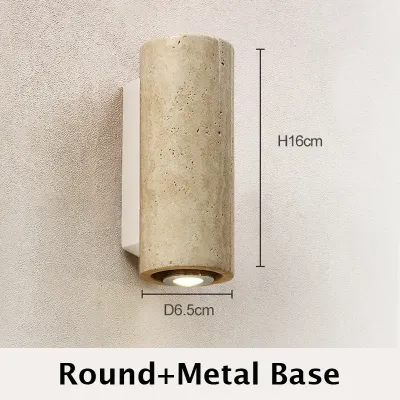
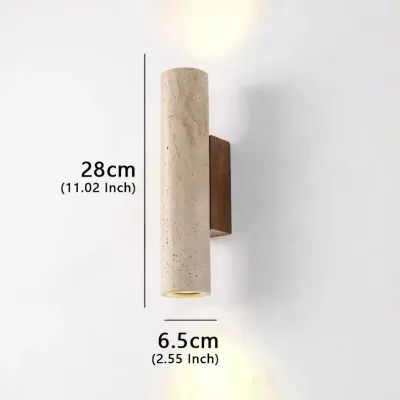
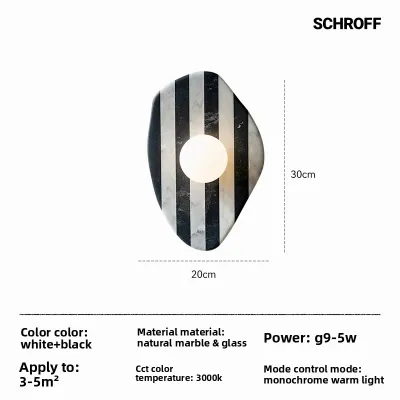
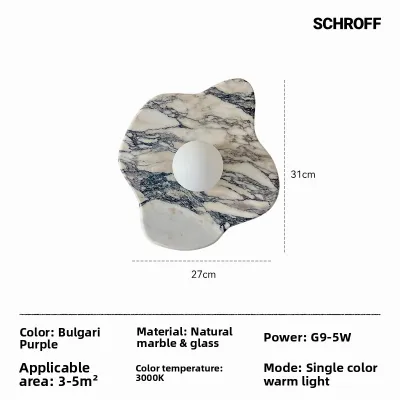
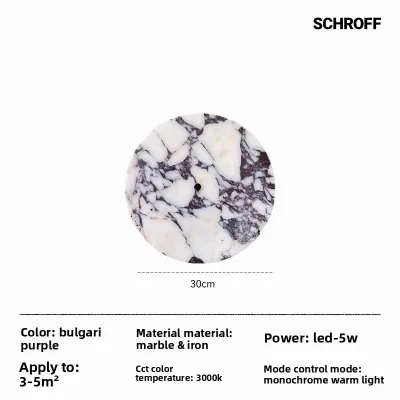
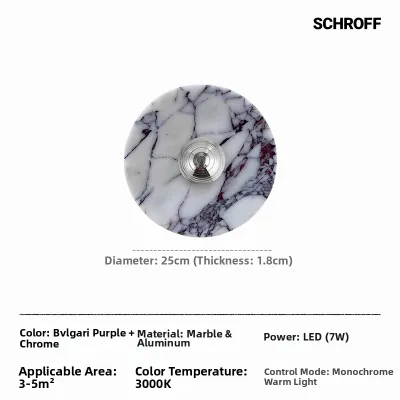
Prices are valid at publication and may change. Please refer to the product page for the latest price.
Next, assess the physical dimensions of your corridor. Singaporean residential properties, such as Housing & Development Board (HDB) flats and private condominiums, often feature narrow hallways with standard ceiling heights. In these spaces, the physical protrusion of the wall light is a critical consideration. A fixture that extends too far from the wall can obstruct the walkway, creating a physical hazard and disrupting the spatial flow. For narrow corridors, prioritize slim-profile or flush-mount marble sconces that provide adequate illumination without encroaching on walking space.
You must also gauge the required lumen output and beam spread based on the availability of natural light. Corridors that lack windows require more robust, consistent light sources, whereas hallways adjacent to bright living areas or balconies may only need low-intensity accent lighting. When selecting a fixture, consider how the light will interact with the surrounding surfaces. Highly polished marble floors or glossy wall finishes can reflect light sources, potentially creating uncomfortable glare if the light bulbs or LED modules are not properly shielded or diffused by the marble housing.
How to Evaluate Marble Wall Light Brands
When searching for reliable marble wall light brands in Singapore, establishing a structured evaluation framework is more effective than relying on unverified popularity lists. Because marble is a premium, heavy material, the brands you consider must demonstrate expertise in both stone craftsmanship and electrical engineering.

Begin by reviewing the brand’s design portfolio and specialization. A manufacturer that specializes in stone-based lighting is generally preferable to a generalist lighting brand that occasionally releases a marble-accented product. Specialized brands possess a deeper understanding of how different types of marble interact with light, particularly regarding translucency and heat dissipation. Examine their portfolio to ensure their aesthetic aligns with your interior theme, whether you prefer minimalist geometric blocks, classic carved details, or contemporary organic shapes.
Evaluate the brand’s warranty terms thoroughly. A comprehensive warranty is a strong indicator of a manufacturer’s confidence in their product’s durability. Look for brands that offer clear, written warranties covering both the electrical components—such as the LED drivers, wiring, and sockets—and the structural integrity of the stone itself. Natural stone can develop hairline fractures if subjected to thermal stress or improper manufacturing processes. A reliable warranty should protect against structural defects, delamination, or premature electrical failure under normal residential use.
Customer service responsiveness and the availability of replacement parts are equally critical. Because high-quality marble wall lights are a significant investment, you want to ensure the fixture can be maintained over many years. Inquire whether the brand supplies proprietary replacement parts, such as specific LED modules, compatible dimming drivers, or custom mounting brackets. If a built-in LED light source fails after several years, a reputable brand should offer a straightforward path to purchase a replacement module, preventing the need to replace the entire stone fixture.
Inspecting Material and Build Quality
The longevity and visual appeal of your wall lights depend heavily on the quality of the materials used in their construction. When evaluating fixtures in a showroom or reviewing specifications online, pay close attention to the characteristics of both the stone and the supporting hardware.
Distinguish between natural marble and engineered alternatives. Natural marble is highly prized for its unique veining patterns, subtle color variations, and organic depth. No two natural marble fixtures will be identical, which adds an exclusive, artisanal character to your corridor. However, natural stone is porous and requires proper sealing during manufacturing to protect it from moisture and oils. Engineered marble or resin-based faux-stone alternatives offer greater uniformity and are typically lighter, but they lack the natural translucency, weight, and premium feel of genuine stone. If you opt for natural marble, verify that the stone has been treated with a high-quality sealant to preserve its finish.
Inspect the metal hardware that accompanies the marble. High-quality marble wall lights often incorporate metal elements for structural support, mounting plates, or decorative trim. Look for robust metals such as solid brass, high-grade stainless steel, or anodized aluminum. Examine the finish consistency across the metal parts, checking for any signs of uneven plating, scratches, or blemishes. In Singapore’s warm and humid tropical climate, inferior metals can quickly tarnish, rust, or corrode. Ensure the metal components are treated with protective coatings to maintain their appearance over time.
The mounting mechanism requires careful scrutiny due to the substantial weight of solid stone. A heavy marble fixture requires a robust, thick-gauge steel mounting bracket that can be securely anchored to the wall. Avoid fixtures that utilize thin, flexible metal brackets or rely on a single, centered screw for support. The bracket should feature multiple mounting holes to allow for secure fastening and precise leveling during installation.
Electrical Specifications and Safe Installation
Installing heavy marble wall lights in a residential corridor involves specific electrical and structural safety considerations. Ensuring compatibility with local standards and preparing your walls for the installation will prevent future safety hazards and structural damage.
First, verify the electrical specifications of the fixture. Singapore operates on a standard domestic voltage of 230V at a frequency of 50Hz. Ensure that the wall light’s internal wiring, sockets, and LED drivers are rated for this voltage. Additionally, check if the fixture or its electrical components carry relevant local safety certifications, such as the Singapore Safety Mark. This certification indicates that the electrical components have undergone rigorous testing to meet local safety standards, reducing the risk of short circuits, electrical fires, or compatibility issues with your home’s electrical grid.
Assess the structural integrity of your corridor walls. Natural marble wall lights can be exceptionally heavy, often weighing several kilograms. Solid concrete, brick, or masonry walls—which are standard in HDB flats and many condominium structural walls—are highly capable of supporting this weight when paired with high-quality masonry anchors and screws. However, if your corridor walls are constructed from drywall, gypsum board, or lightweight partition materials, you must take extra precautions. Never mount a heavy stone fixture directly onto unsupported drywall. You must locate the internal timber or metal studs to secure the mounting bracket, or install heavy-duty hollow-wall anchors and backing support behind the drywall to distribute the load safely.
Plan for a professional installation. Working with fixed electrical wiring, running concealed conduits, or modifying wall structures presents significant safety risks. Always engage a licensed electrician to perform the installation. A professional will ensure that the wiring is safely routed, the connections are secure, and the fixture is mounted perfectly level. Before any installation, maintenance, or cleaning work begins, ensure that the electrical power is completely isolated at the main distribution board (DB box) to prevent accidental shocks.
Sourcing Fixtures and Verifying Authenticity
To ensure you receive genuine materials and compliant electrical components, it is crucial to source your marble wall lights from reputable, authorized channels. Purchasing from unverified online sellers or unauthorized distributors can lead to substandard products, lack of warranty support, and potential safety hazards.
Prioritize physical brand showrooms or authorized lighting retailers in Singapore. Visiting a physical showroom allows you to inspect the quality of the marble firsthand, observe its natural veining, and assess its weight and translucency under different lighting conditions. It also provides an opportunity to speak directly with lighting specialists who can clarify technical specifications, dimming compatibility, and installation requirements. If purchasing online, stick to verified official stores on reputable e-commerce platforms or the manufacturer’s official website.
Before finalizing your purchase, request comprehensive documentation from the seller. A reputable brand or retailer should be able to provide specifications detailing the material origin, exact weight of the fixture, and electrical safety compliance certificates. This documentation is invaluable for your licensed electrician when planning the installation and ensures that you are paying for genuine natural stone rather than a cheap synthetic imitation.
Carefully review the retailer’s shipping, warranty, and return policies. Because marble is a natural, brittle material, it is highly susceptible to hairline cracks or breakage during shipping and handling. Ensure that the retailer uses specialized, secure packaging designed for fragile items and offers transit insurance. Verify that the return policy clearly covers items that arrive damaged, and understand the process for claiming a replacement or refund in the event of transit damage.
Frequently Asked Questions (FAQ)
How do I clean and maintain natural marble wall lights?
To preserve the polished finish and natural beauty of your marble wall lights, establish a gentle, non-abrasive cleaning routine. For regular maintenance, use a soft, dry microfiber cloth to dust the surface of the stone and metal components. This prevents abrasive dust particles from scratching the polished marble over time.
If the stone requires deeper cleaning, use a soft cloth slightly dampened with clean water and a mild, pH-neutral soap specifically formulated for natural stone. Avoid using acidic, alkaline, or harsh chemical cleaners—such as vinegar, bleach, ammonia, or citrus-based sprays—as these substances can chemically react with the calcium carbonate in the marble, causing permanent etching and dullness. After spot cleaning, immediately wipe the surface dry with a clean, dry cloth to prevent moisture from penetrating the porous stone. Always refer to the manufacturer’s care instructions regarding whether the marble has been pre-sealed and if periodic re-sealing is recommended.
What is the ideal mounting height for corridor wall lights?
The ideal mounting height for corridor wall lights generally ranges between 1.5 and 1.7 meters from the finished floor level. Positioning the fixtures at approximately eye level ensures that the light source is positioned to provide balanced ambient illumination throughout the hallway while preventing direct glare from the bulbs or LED modules.
You should adjust this height based on your corridor’s specific proportions and architectural features. For instance, if your home has exceptionally high ceilings, mounting the fixtures slightly higher can draw the eye upward and create a more spacious feel. Ensure that the chosen height does not interfere with adjacent doors, wardrobe openings, or wall-mounted mirrors. Before drilling into the wall, it is highly recommended to measure and mark the proposed positions using painter’s tape. This allows you to stand back and visualize the spatial flow, symmetry, and overall visual balance of the fixtures within the corridor.

Community discussion
Share your experience or ask a question. Comments are reviewed before publication.