
Choosing the right portable flood light for a Housing & Development Board (HDB) flat in Singapore requires balancing compact storage, reliable battery performance, and compliance with local residential guidelines. Because HDB layouts feature shared corridors, close-neighbor proximity, and specific electrical setups, the ideal portable flood light is not simply the brightest one available. Instead, it is a fixture that offers controlled illumination, safe charging mechanisms, and a form factor that fits easily into limited storage spaces.
Rather than relying on generic brand rankings, residents must evaluate how different brands design their products for compact, high-humidity, and multi-functional urban environments. By understanding your spatial limits and verifying key technical specifications, you can select a reliable lighting solution that serves both daily household needs and unexpected emergency situations.
Key Space and Power Constraints in HDB Flats
HDB flats are highly optimized living spaces where every square meter counts. When selecting a portable flood light, physical dimensions and weight are critical factors. A bulky industrial-grade flood light will quickly become an obstruction in a utility closet, household shelter, or service yard. Homeowners should look for slimline or collapsible designs that can be tucked away in shallow drawers or hung on utility racks. The beam angle also plays a major role; wide-angle flood lights (120 degrees or more) are excellent for dispersing light across an entire living room during a blackout, whereas narrow beams are better suited for targeted tasks like repairing a kitchen sink pipe.
Products mentioned in this guide
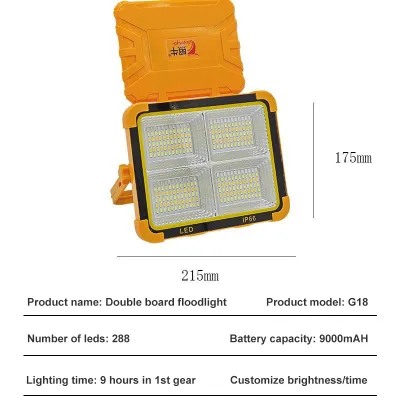
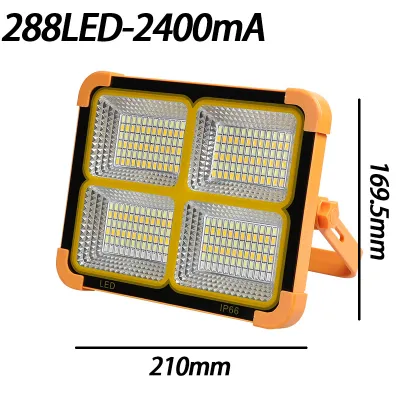
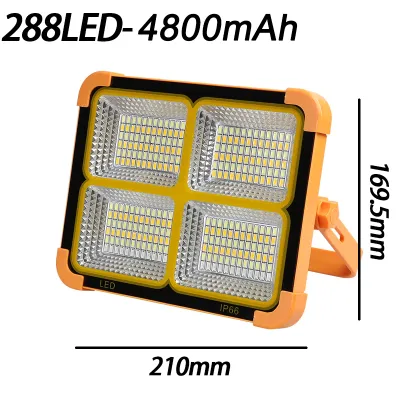
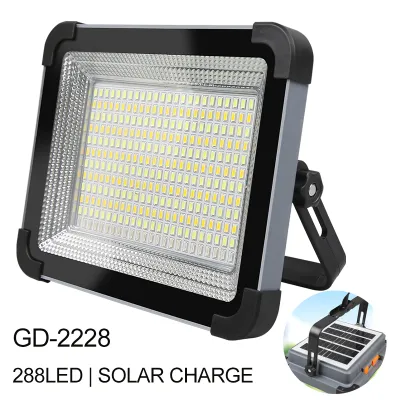
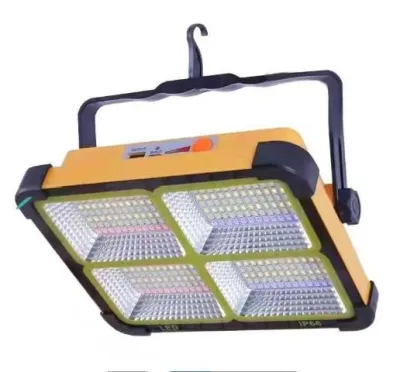
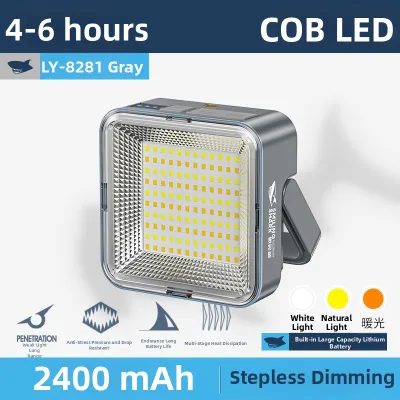
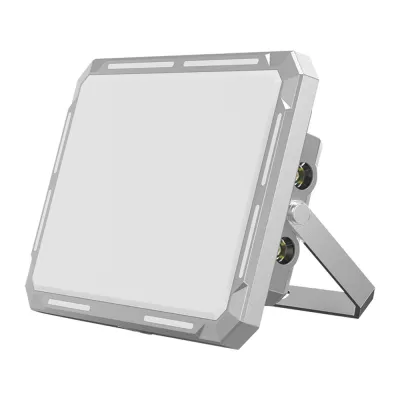
Prices are valid at publication and may change. Please refer to the product page for the latest price.
Power availability varies significantly across different areas of an HDB flat. While living rooms and bedrooms are well-equipped with power outlets, balconies, service yards, and household shelters often lack direct electrical access. This makes rechargeable battery-operated models highly practical. If you plan to use the light in a semi-outdoor balcony, relying on a corded model requires running extension cables, which introduces tripping hazards and potential electrical risks in damp conditions. Rechargeable models utilizing lithium-ion or lithium-iron-phosphate batteries offer the portability needed to move from room to room without searching for an available wall socket.
Living in an HDB flat also means adhering to community guidelines and Town Council regulations. For instance, common corridors must remain clear of obstructions to ensure safe evacuation routes during emergencies. Placing a large, tripod-mounted flood light in a shared hallway is generally prohibited if it restricts the walking path. Furthermore, any temporary or permanent external modifications, including mounting lights on exterior walls or common corridor ceilings, require official approval. Portable, non-fixed flood lights bypass these structural restrictions, but users must still ensure that the light does not spill directly into neighboring units, causing glare or light pollution.
Essential Specifications to Check Across Brands
When comparing portable flood lights across different brands, technical specifications must be evaluated against the realities of HDB living. Brightness, measured in lumens, is often the first specification buyers look at, but higher is not always better. For a typical HDB living room or balcony, a light output of 500 to 1,500 lumens is generally more than sufficient. Lights exceeding 2,000 lumens can cause intense glare in confined indoor spaces, bouncing off light-colored walls and causing eye strain. Look for brands that offer multiple brightness steps or step-less dimming, allowing you to dial down the intensity to suit the immediate environment.

Battery capacity and charging efficiency are equally vital. Manufacturers typically list battery capacity in milliampere-hours (mAh) or watt-hours (Wh). To ensure the light remains functional throughout an extended power outage, aim for a runtime of at least four to six hours on a medium brightness setting. The charging interface is another practical consideration; brands utilizing standard USB-C ports offer superior convenience, as you can recharge the light using your existing smartphone chargers, power banks, or laptop ports. Avoid proprietary charging cables where possible, as losing the cable renders the light useless until a replacement is sourced.
Singapore’s tropical climate brings high humidity and sudden downpours, which can easily damage sensitive electronics. If you intend to use your portable flood light on an open balcony, service yard, or during outdoor activities, pay close attention to the Ingress Protection (IP) rating. An IP rating consists of two digits: the first represents protection against solids (like dust), and the second represents protection against liquids. For semi-outdoor HDB spaces, a minimum rating of IP44 is recommended to protect against splashing water. If the light is likely to be exposed to direct rain, look for IP65 or higher to ensure the internal circuitry remains dry and safe from short circuits.
How to Verify Brand Reliability and Safety Certifications
Because portable flood lights contain high-capacity batteries and charging circuits, verifying safety certifications is paramount to preventing electrical fires and battery failures. In Singapore, controlled electrical accessories must carry the Safety Mark issued by Enterprise Singapore. While portable battery-powered lights themselves may not always require a Safety Mark, any accompanying AC power adapters or wall chargers absolutely must. When purchasing a brand, verify that the charger plug is a certified 3-pin plug bearing the blue Safety Mark logo, which ensures it has undergone rigorous testing for insulation, overcurrent protection, and thermal safety.
A brand’s commitment to quality is often reflected in its warranty terms and local support infrastructure. Reliable brands typically offer a minimum of a one-year warranty that covers manufacturing defects and premature battery degradation. Before buying, check if the brand has an authorized local service center or distributor in Singapore. Having a local point of contact simplifies the process of claiming a warranty, obtaining replacement parts, or getting the battery serviced. Brands that only offer overseas return policies can leave you waiting for weeks or facing high shipping fees that exceed the value of the light itself.
While manufacturer specifications provide a baseline, verified user feedback offers invaluable insights into real-world performance. When browsing online marketplaces or specialty lighting forums, look for reviews that specifically mention long-term battery health and heat dissipation. High-power LED flood lights generate significant heat; reliable brands design their casings with effective heat sinks, often made of aluminum, to dissipate this heat safely. If user reviews frequently complain about the light casing becoming too hot to touch or the battery losing its charge rapidly after a few months of storage, it is a strong indicator of substandard build quality.
Matching Light Features to Common HDB Use Cases
To get the most value out of your purchase, match the flood light’s feature set to your primary household needs. For emergency preparedness during rare power outages, look for models equipped with an automatic power-failure activation feature. Some smart portable lights can be kept plugged into a wall outlet; when they detect a sudden loss of incoming power, they automatically switch on using their internal battery, preventing you from having to navigate a pitch-black flat. Additionally, models that double as a power bank allow you to charge essential communication devices like mobile phones during an emergency.
For daily tasks such as balcony gardening, organizing a household shelter, or performing DIY home repairs, physical versatility is key. Look for portable flood lights featuring adjustable stands that allow you to tilt the beam to precise angles. Magnetic bases are incredibly useful in HDB flats, as they can securely attach to metal surfaces like household shelter doors, metal shelving units, or refrigerator sides, freeing up your hands. Built-in hanging hooks or carabiner clips offer alternative mounting options for service yards or clothes drying areas where flat surfaces are limited.
Emergency signaling and visibility features add an extra layer of utility. Many portable flood lights include a dedicated strobe or SOS flashing mode, which can be used to signal for help or alert others in emergency situations. Some models also offer adjustable color temperatures, allowing you to switch between cool white light (ideal for detailed task work) and warm yellow light (which is softer on the eyes and creates a more comfortable ambiance during a relaxing evening on the balcony).
Pre-Purchase Checklist for Online and In-Store Shopping
Before finalizing your purchase, run through a practical checklist to ensure the portable flood light fits seamlessly into your HDB home. First, measure the exact storage space where you plan to keep the light when it is not in use. Compare these measurements against the product’s physical dimensions to avoid buying a unit that is too bulky for your cabinets. Weight is also a factor if you plan to carry the light around or hang it from temporary hooks; ensure it is light enough for comfortable handling by all family members.
Next, verify the contents of the product packaging. Ensure that all necessary charging cables, mounting brackets, and power adapters are included in the box. If the light requires a specific charging block, check if your existing home USB chargers meet the voltage and amperage requirements specified by the manufacturer. Using an underpowered charger can result in extremely slow charging times, while an incompatible voltage can damage the battery management system.
Finally, purchase only from authorized distributors, reputable local home improvement stores, or official brand stores on online marketplaces. Buying from unauthorized parallel importers or unverified third-party sellers carries the risk of receiving counterfeit products with substandard batteries that pose fire hazards. Official sellers provide genuine warranties, compliant charging accessories, and the assurance that the product meets local safety expectations.
Frequently Asked Questions (FAQ)
Can I leave a portable flood light plugged in continuously for emergency backup?
Whether you can leave a portable flood light plugged in continuously depends entirely on the manufacturer’s battery management system (BMS). High-quality brands equip their devices with advanced BMS circuits that prevent overcharging by cutting off power once the battery reaches full capacity. However, keeping a lithium-ion battery constantly at 100% charge and exposed to continuous electrical current can accelerate battery degradation over time, reducing its overall lifespan. For safety and longevity, it is best to charge the light fully, store it, and top it up every few months, or choose a model specifically certified for continuous standby charging. Always verify the manufacturer’s instructions regarding continuous plug-in use to avoid overheating risks.
Are solar-powered portable flood lights effective for HDB corridors or balconies?
Solar-powered portable flood lights have limited effectiveness in typical HDB environments due to structural shading. Most HDB corridors and balconies are designed with overhanging ceilings and structural columns that block direct sunlight for most of the day. Solar panels require direct, unshaded sunlight to charge efficiently; ambient daylight or indirect shadow charging is rarely sufficient to fully replenish a high-capacity flood light battery. If you choose a solar-capable model, ensure it also features a secondary charging option, such as a USB-C port, so you can reliably charge the device using household electricity before relying on it for emergencies or evening activities.

Community discussion
Share your experience or ask a question. Comments are reviewed before publication.