
To find the highest-quality wall lights sconces for corridor lighting in Singapore, homeowners and designers should look to established architectural lighting brands that balance optical precision, robust thermal management, and certified electrical safety. While high-end European architectural brands offer unmatched durability and glare control, reputable local and regional brands provide excellent value tailored to the specific spatial layouts and structural constraints of Singaporean apartments. The ideal corridor wall light must not only provide adequate navigational illumination but also withstand Singapore’s high ambient humidity while fitting comfortably within the narrow physical clearances of local hallways.
What Defines a High-Quality Corridor Wall Sconce?
Corridors and hallways are unique architectural elements within a home, acting as the primary transitional arteries that connect active living zones to private quarters. Unlike living rooms or bedrooms where ambient and task lighting are layered to support static activities, corridors serve as functional pathways. They require consistent, shadow-free illumination to ensure safe passage, particularly at night or in windowless interior hallways common in many Singaporean condominiums and HDB flats. However, because corridors are narrow, standard light fixtures can easily create harsh shadows or excessive glare at eye level, leading to visual fatigue. High-quality wall lights sconces address this by focusing on indirect, diffused, or precisely directed light distribution rather than raw lumen output.
Optical Engineering and Glare Control
Products mentioned in this guide
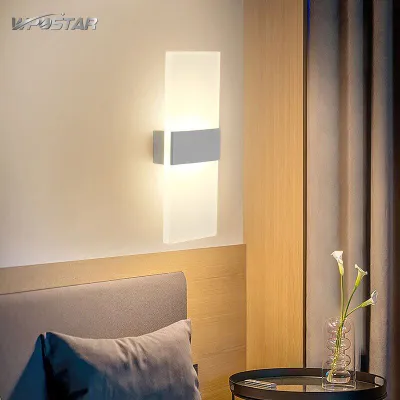
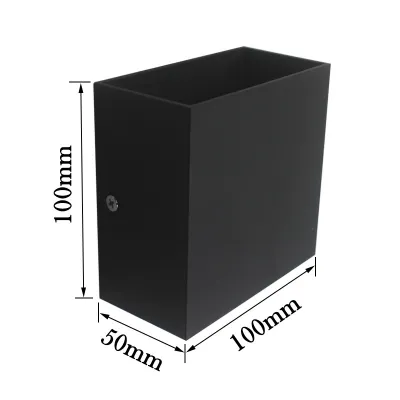
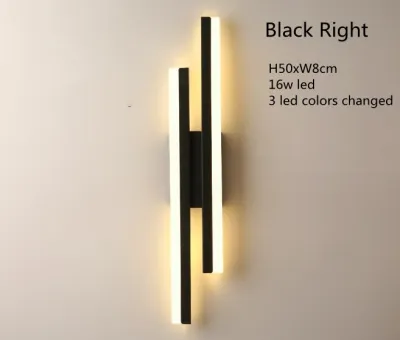
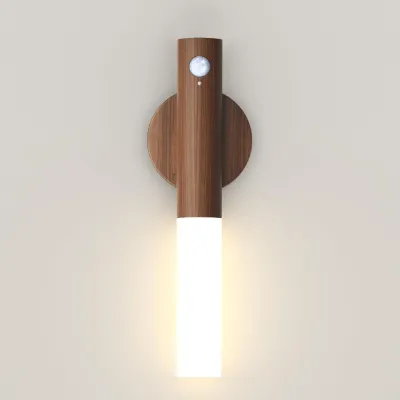
![[KATEKYO X SG] LED Wall Mounted Sconce Lights with Remote Control USB Charging Operated Dimmable Wall Lamp Black 3 Color](https://img.lazcdn.com/g/p/5df5afd4a8f0e9ce6322a18d310ab547.png_400x400q80.png_.webp)
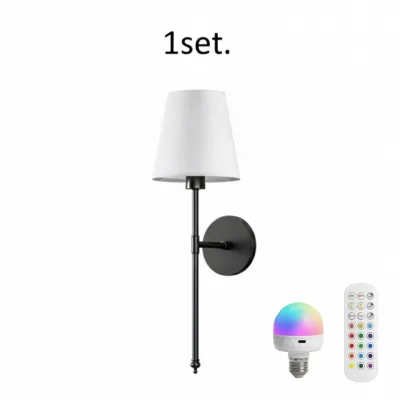
Prices are valid at publication and may change. Please refer to the product page for the latest price.
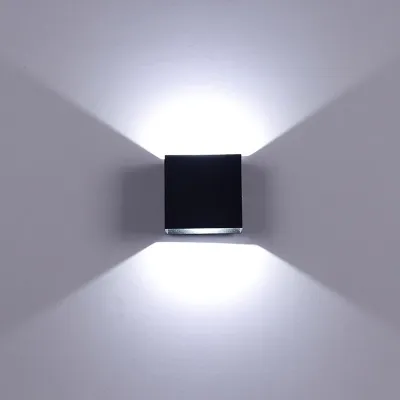
Premium lighting brands invest heavily in the optical design of their fixtures to ensure visual comfort. In a narrow hallway, a bare or poorly shielded light bulb creates intense hot spots that temporarily blind anyone walking past, especially when transitioning from a dark room. Superior sconces utilize advanced optical elements such as high-transmission frosted glass, micro-prismatic acrylic diffusers, or deep-set LED light engines. Indirect lighting designs, such as up-and-down wall washers, are particularly effective for corridors. By casting light upward toward the ceiling and downward along the wall surface, these fixtures use the architectural surfaces of the corridor as secondary reflectors. This technique creates a soft, ambient glow that illuminates the entire path without exposing the eye to a direct, harsh light source.
Material Durability and Thermal Management
Singapore’s tropical climate presents unique challenges for indoor electronic fixtures. With average relative humidity levels often exceeding 80%, low-quality metal fixtures are highly prone to oxidation, pitting, and rust, while cheap plastics quickly yellow and become brittle. High-quality brands construct their sconces from premium materials such as marine-grade anodized aluminum, solid brass, or high-grade UV-stabilized polycarbonate. Furthermore, because LEDs are highly sensitive to heat, effective thermal management is critical for longevity. Premium fixtures feature integrated, heavy-duty aluminum heat sinks that efficiently draw heat away from the LED chips. This prevents premature lumen depreciation and ensures that the fixture maintains its color consistency and brightness over its rated lifespan, which typically exceeds 50,000 operating hours.
How to Identify Reliable Wall Light Brands in Singapore
Navigating the vast array of lighting options in Singapore requires understanding the different tiers of brands available and how they align with your project’s budget and performance requirements.

International Architectural Lighting Specialists
For homeowners prioritizing state-of-the-art optical performance, exceptional build quality, and timeless design, international architectural lighting brands represent the gold standard. Renowned European and global manufacturers—such as Astro Lighting, Flos, Artemide, and Delta Light—are celebrated for their rigorous engineering standards. These brands design fixtures with precise beam angles, high color rendering indices (CRI of 90 or above), and exceptionally stable LED drivers. While these premium brands require a higher initial investment, their superior components translate to decades of reliable performance, minimal maintenance, and a sophisticated aesthetic that elevates the architectural character of the home.
Reputable Regional and Local Brands
For many homeowners in Singapore, regional and local lighting brands offer a highly practical and cost-effective alternative without sacrificing essential quality. These brands often source components from reliable global manufacturers but assemble fixtures optimized for Asian residential contexts, including standard ceiling heights and concrete wall structures. Many established local lighting boutiques and distributors along Balestier Road, Jalan Besar, and Geylang curate and manufacture proprietary lines that meet local tastes and budgets. When evaluating these brands, look for those that are transparent about their component sourcing—specifically identifying the use of reputable LED chips (such as Cree, Osram, or Citizen) and high-quality, flicker-free drivers (such as Mean Well or Tridonic).
Verifying Local Distributor Support and Warranties
A wall light’s quality is inextricably linked to the reliability of its local supply chain and after-sales support. In Singapore, it is highly recommended to purchase wall lights sconces through authorized local showrooms or established retailers rather than unverified online marketplaces. Authorized distributors ensure that the fixtures imported are fully compatible with local electrical standards and have undergone necessary safety testing. Look for international safety certifications such as CE, TÜV, or the local Consumer Protection (Safety Requirements) Scheme Safety Mark where applicable, particularly for integrated driver units. Furthermore, a reputable brand or distributor should offer a robust, multi-year warranty (ideally 2 to 5 years) covering both the LED emitter and the electronic driver, providing peace of mind and accessible replacement parts if a component eventually fails.
Tailoring Sconce Choices for HDB and Condo Hallways
Applying quality and brand criteria to the specific spatial and architectural realities of Singaporean homes is essential to ensure that your selected fixtures are both practical and aesthetically appropriate.
Navigating Space Constraints and Protrusion Limits
The physical dimensions of Singaporean residential corridors—especially within standard HDB flats and compact modern condominiums—demand careful spatial planning. A wall sconce that protrudes too far into a narrow hallway can become a physical hazard, catching on clothing, bags, or shoulders, and making it difficult to move furniture. To maintain a safe and comfortable clearance, look for ‘low-profile’ or ‘slimline’ sconces. Many high-quality brands design fixtures specifically to comply with international accessibility guidelines, which restrict wall-mounted projections to less than 100 mm (approximately 4 inches) in narrow passages. Recessed wall lights, installed low on the wall near the floorboards, are another excellent, space-saving solution that provides elegant path lighting without occupying any physical corridor width.
Light Distribution for Different Hallway Shapes
The shape of your corridor should dictate the distribution pattern of your wall lights sconces. For long, straight, and narrow hallways, installing a series of linear wall washers or up-and-down sconces at regular intervals (typically 1.5 to 2 meters apart) creates a visually pleasing, rhythmic guide that draws the eye forward and makes the space feel longer and grander. If you are dealing with an L-shaped corridor or a transitional zone that opens into a living area, a broader, diffused wall sconce is more appropriate. Placing a diffused fixture at the turn of an L-shaped hallway eliminates dark corners and provides a seamless visual transition between different functional zones of the home.
Aesthetic Cohesion and Finish Selection
While functionality and safety are paramount, the visual design of your wall sconces should harmonize with your home’s broader interior design theme. Because corridors are transitional spaces, they should act as a visual bridge between the rooms they connect. For modern, minimalist, or industrial interiors, sconces with clean geometric lines and matte black, powder-coated white, or brushed aluminum finishes work exceptionally well. For more traditional, transitional, or luxury spaces, fixtures featuring brushed brass, bronze, or hand-blown glass elements add a touch of warmth and refinement. Choosing a consistent metal finish or design language across all wall-mounted fixtures ensures that the corridor feels like an intentional, fully integrated part of your living space.
Essential Pre-Purchase and Installation Checklist
Before purchasing your chosen wall lights sconces, running through a technical and safety checklist will prevent costly installation errors and ensure long-term reliability.
Electrical and Voltage Compatibility
Before finalizing your purchase of any wall lights sconces, you must verify their electrical specifications. Singapore operates on a standard mains voltage of 230V AC at a frequency of 50Hz. Ensure that the fixtures and their accompanying LED drivers are rated for this input. Additionally, determine whether the sconce features an integrated driver within its body or if it requires a remote, external transformer. Sconces with remote drivers require a dedicated, accessible space—such as a ceiling void, an adjacent cabinet, or a deep wall junction box—to house the driver. Knowing this beforehand prevents unexpected installation delays and ensures your walls do not need to be unnecessarily chipped or hollowed out.
Dimmer Switch and Smart Home Integration
If you plan to dim your corridor lights to create a soft nightlight effect or integrate them into a smart home system, compatibility is a critical consideration. LED fixtures are notorious for flickering, buzzing, or failing to turn off completely when paired with incompatible dimmer switches. You must confirm with the manufacturer or local retailer whether the integrated LED driver is dimmable and, if so, what dimming protocol it uses (such as phase-cut, 1-10V, or DALI). For standard residential setups, trailing-edge (electronic) dimmers are typically required. If you are using smart lighting ecosystems, ensure the driver is compatible with your specific smart dimming modules to guarantee smooth, flicker-free dimming from 100% down to 1%.
Professional Installation and Wiring Boundaries
Installing hardwired wall sconces involves working directly with your home’s electrical system, which carries inherent safety risks and legal requirements in Singapore. For any fixed electrical wiring, including running new conduits, chasing concrete walls to hide cables, or relocating existing light points, you should engage a Licensed Electrical Worker (LEW) or a qualified, registered electrician. Chasing concrete walls in HDB flats requires strict adherence to structural guidelines to avoid damaging reinforcement bars. Attempting a DIY installation on hardwired fixtures not only risks severe electrical shock or fire hazards but can also void your homeowner’s insurance and the manufacturer’s product warranty. Always isolate the mains power supply at the distribution board (DB box) before any electrical inspection or installation work begins.
Frequently Asked Questions (FAQ)
What is the recommended color temperature for corridor wall lights?
The ideal color temperature for corridor wall lights depends on the desired atmosphere and the design of adjacent rooms. For a warm, inviting, and cozy ambiance that transitions smoothly from living areas and bedrooms, a warm white color temperature of 2700K to 3000K is highly recommended. This range mimics traditional incandescent lighting and is gentle on the eyes, making it perfect for late-night navigation. Alternatively, if your home features a crisp, modern, or minimalist aesthetic with neutral color palettes, a neutral white color temperature of 4000K can be highly effective. Neutral white provides excellent contrast and clarity, making windowless corridors feel brighter, cleaner, and more spacious. It is generally advisable to avoid cool white (5000K or higher) in residential corridors, as it can feel overly clinical and harsh.
Do indoor corridor sconces require an IP rating?
For standard, fully enclosed indoor corridors that are completely protected from the elements, a basic IP20 rating is entirely sufficient. The IP (Ingress Protection) rating system defines a fixture’s resistance to dust and moisture, and IP20 indicates protection against solid objects larger than 12mm but no specific water resistance. However, Singapore’s tropical climate means that certain semi-outdoor or transitional corridors—such as those adjacent to open-air balconies, large open windows, service yards, or air-conditioning ledges—may be exposed to high humidity, condensation, or wind-driven rain. In these specific locations, it is wise to select wall lights with a higher moisture rating, such as IP44 or above. An IP44 rating ensures the fixture is protected against water splashes from all directions, preventing moisture from corroding the internal electronics or causing electrical short circuits over time.

Community discussion
Share your experience or ask a question. Comments are reviewed before publication.