
Choosing the best rechargeable wall light brand for a Singapore corridor involves looking beyond marketing labels to verify battery safety certifications, motion sensor reliability, and mounting compatibility with local wall finishes. Because there is no single universal winner, the ideal brand is one that matches your specific corridor layout, offers local warranty support, and features a secure mounting system that can withstand the humid climate of Singapore homes. By focusing on technical specifications and safety standards rather than brand names alone, you can find a reliable lighting solution that enhances both safety and convenience in your hallway.
In many Singapore homes, including Housing & Development Board (HDB) flats and private condominiums, corridors are often designed as long, narrow transitional spaces. These areas frequently suffer from a lack of natural light and may not have pre-installed electrical outlets, making traditional hardwired lighting installations both costly and disruptive. Rechargeable wall lights have emerged as a highly practical alternative, offering a wireless way to illuminate dark corners, guide nighttime footsteps, and add a touch of modern design to your home without the need for extensive drilling or electrical rewiring.
However, navigating the vast array of battery-powered lighting brands available on online marketplaces and local showrooms can be challenging. Many products promise long battery life and high brightness, but real-world performance often varies significantly based on usage patterns and environmental factors. To make an informed decision, you must evaluate how these lights interact with your home’s layout, understand the technical specifications that dictate performance, and know how to identify brands that prioritize electrical safety and product durability.
Products mentioned in this guide

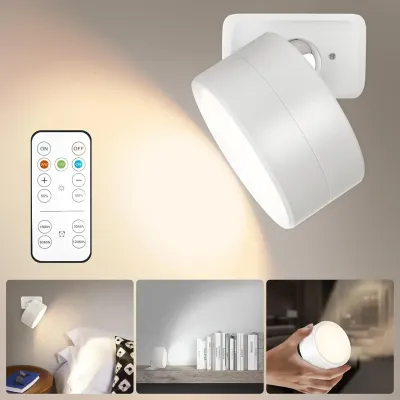
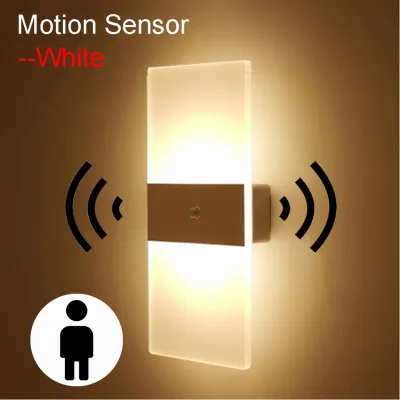
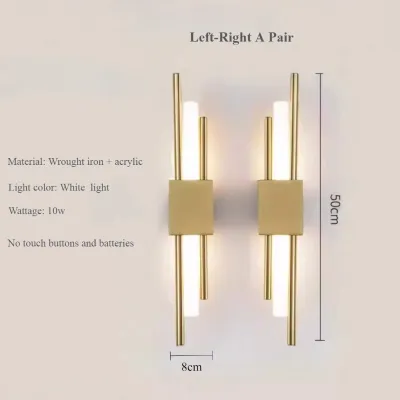
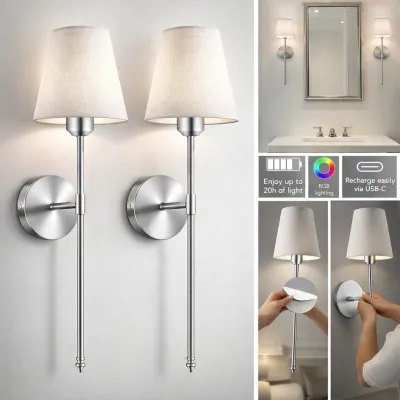
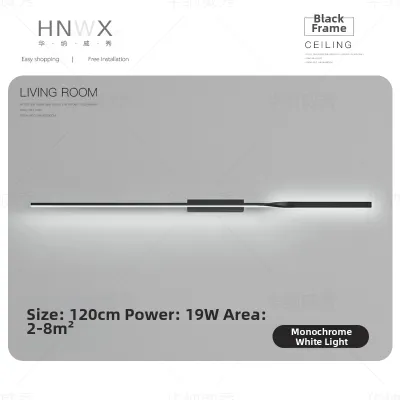
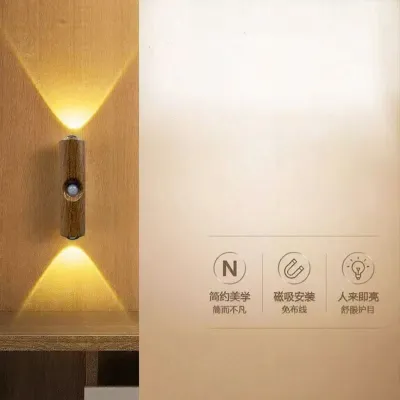
Prices are valid at publication and may change. Please refer to the product page for the latest price.
Assessing Your Corridor Lighting Needs in HDBs and Condos
Before selecting a brand, it is essential to analyze the physical characteristics of your corridor, as these factors directly influence how much light you need and where the fixtures should be placed. Singapore HDB corridors and condominium hallways typically range from 1.1 to 1.2 meters in width, creating a relatively confined space where light can easily bounce off surfaces. If your walls are finished with light-colored, smooth plaster paint, a lower-lumen light will often suffice, as the reflective surface helps distribute the illumination evenly. Conversely, darker walls, textured wallpapers, or wood paneling absorb more light, requiring a fixture with a higher output or a wider beam angle to achieve the same level of visibility.
The structural constraints of your home also play a major role in determining the right mounting and power options. Many HDB flats feature thick concrete walls, including structural columns and household shelters, which are notoriously difficult to drill into without heavy-duty rotary hammers. For renters or those who prefer to avoid permanent wall damage, adhesive-mounted rechargeable lights are the preferred choice. However, these mounts must be strong enough to hold the fixture securely over time, especially when subjected to the vibrations of daily household activity and the natural humidity of the Singapore climate.
Daily traffic patterns within your household should dictate the operational mode of the lights you choose. If your corridor is a busy pathway connecting bedrooms, bathrooms, and living areas, a light with a highly responsive motion sensor is ideal for conserving battery power while providing instant illumination when needed. On the other hand, if you want to create a warm, welcoming ambiance during evening hours or require continuous lighting for safety reasons, you will need to look for brands that offer robust always-on modes supported by high-capacity batteries that do not require daily recharging.
Key Features to Evaluate Before Choosing a Brand
When comparing different rechargeable wall light brands, focusing on a few critical technical specifications will help you separate high-quality fixtures from subpar options. The first consideration is brightness, which is measured in lumens, and color temperature, measured in Kelvin. For corridor navigation, a brightness level of 50 to 150 lumens is generally sufficient to prevent tripping without causing uncomfortable glare in the middle of the night. Opting for a warm color temperature, typically between 2700K and 3000K, creates a soft, inviting glow that is gentle on eyes adjusted to the dark, whereas cool white light can feel overly clinical and harsh in a narrow hallway.

When selecting a fixture, verify its physical dimensions to ensure it does not obstruct the narrow walkway, and check the charging voltage requirements (typically 5V DC) to match your existing power adapters. While decorative styles and perceived color temperatures are matters of personal preference rather than universal performance indicators, choosing a dimming method that allows you to adjust brightness can help customize the spatial effect to your liking.
Battery performance is another crucial factor that determines the long-term usability of wireless wall lights. Look for brands that clearly state the battery capacity in milliampere-hours (mAh) and specify the type of battery used, with lithium-ion or lithium-polymer being the industry standards for rechargeable devices. A higher capacity, such as 2000mAh or more, generally translates to longer runtimes between charges, though it also increases the overall weight of the fixture. Additionally, prioritize brands that utilize modern USB-C charging interfaces, as these offer faster charging times and allow you to use the same cables and power adapters already present in most Singapore households.
The efficiency of the activation sensors is what makes a rechargeable light truly convenient. Most high-quality brands employ Passive Infrared (PIR) motion sensors, which detect changes in heat signatures to trigger the light. Evaluate the sensor’s detection range and angle; a range of 3 to 5 meters and an angle of 120 degrees are standard for effective corridor coverage. Furthermore, a built-in dusk-to-dawn sensor is highly beneficial, as it prevents the light from turning on during bright daylight hours, thereby significantly extending the battery life and reducing the frequency of manual recharging.
Finally, the physical design and mounting mechanism of the light fixture must be carefully assessed. Because rechargeable lights must be removed periodically for charging, the mounting system should allow for easy detachment without compromising stability. Magnetic brackets are highly popular and practical, allowing you to slide or pull the light off the wall effortlessly while leaving the base securely attached. Ensure that the magnetic connection is strong enough to support the weight of the light, particularly if the fixture features a metal housing or a larger battery pack that adds to its overall mass.
How to Identify Reliable Brands and Safe Shopping Channels
In the absence of standardized performance rankings, identifying reliable rechargeable wall light brands requires a systematic approach to vetting manufacturers and retail channels. Start by looking for brands that demonstrate transparency in their product documentation. A reputable manufacturer will provide detailed specifications, including exact battery capacities, estimated runtimes under various modes, sensor detection limits, and clear installation instructions. Brands that offer local warranty coverage in Singapore are generally more reliable, as this indicates a commitment to customer support and makes it much easier to obtain a replacement or refund if the product experiences premature battery degradation or sensor failure.
Safety certifications are non-negotiable when dealing with rechargeable devices that contain lithium-ion batteries. Look for internationally recognized safety markings such as CE, FCC, and RoHS, which indicate that the product has undergone testing for electrical safety, electromagnetic compatibility, and environmental compliance. While the light fixtures themselves operate on low-voltage DC power, any accompanying USB chargers or power adapters should ideally carry the local Safety Mark, certifying that they have been tested and approved for safe use with Singapore’s 230V electrical grid. Avoid purchasing unbranded, extremely cheap lights from obscure online sellers, as these products often bypass safety standards and may use low-grade batteries prone to overheating, which is a poor trade-off to save S$30 to S$50.
When browsing online marketplaces or visiting local lighting showrooms in Singapore, look beyond the promotional images and star ratings to find genuine user feedback. Filter reviews to focus on long-term performance, paying close attention to comments regarding actual battery life, sensor responsiveness over several months of use, and the durability of the mounting adhesives in humid conditions. Local forums and community groups can also be valuable sources of real-world recommendations, offering insights into how specific brands perform in typical HDB or condo environments.
Installation, Maintenance, and Safety Boundaries
Proper installation and ongoing maintenance are essential to ensure that your rechargeable wall lights remain secure, functional, and safe over their lifespan. Before mounting any fixture using adhesive tape, it is critical to prepare the wall surface correctly. Singapore’s high relative humidity can weaken adhesives, leading to loose mounts and falling fixtures. Clean the target area thoroughly with isopropyl alcohol to remove any dust, grease, or moisture, and allow it to dry completely before applying the adhesive. Press the mounting bracket firmly against the wall for at least thirty seconds, and wait twenty-four hours before attaching the light fixture to allow the adhesive bond to cure fully.
To minimize the risk of damage or injury, always respect the weight limits of your chosen mounting method. If you are installing a heavier light fixture, or if your walls are finished with textured paint or delicate wallpaper that does not bond well with adhesives, consider using screw-in anchors instead. This is particularly important in high-traffic corridors where the light might be accidentally bumped by family members, guests, or pets. Placing the lights at an appropriate height—typically around shoulder level or slightly higher—ensures adequate light distribution while keeping the fixtures out of the direct path of physical contact.
Battery care is vital for maintaining the performance and safety of your rechargeable wall lights. Avoid installing these fixtures in areas exposed to direct sunlight, high temperatures, or excessive moisture, such as near kitchen stoves or bathroom entrances. When charging the lights, use the cable provided by the manufacturer and connect it to a certified, high-quality USB charger. Regularly inspect the fixtures for any physical abnormalities, such as a bulging casing, unusual warmth during operation or charging, or a sudden, drastic drop in battery capacity. If you observe any of these signs, discontinue use immediately, as they indicate internal battery damage or swelling.
While rechargeable wall lights are an excellent, user-friendly solution for many homes, they do have limitations. If your corridor requires continuous, high-intensity illumination for security or aesthetic reasons, or if you find the task of regularly removing and recharging multiple fixtures too tedious, it may be worth considering a permanent lighting solution. If you decide to transition from battery-powered fixtures to permanent, hardwired corridor lighting, you must prioritize safety. Fixed wiring installations require strict adherence to power-isolation protocols, detailed manufacturer installation instructions, and compliance with local electrical standards. Working at heights to mount ceiling or high wall fixtures carries inherent risks, and any modifications to your home’s electrical grid must be performed by a licensed electrical worker or a qualified professional electrician.
Frequently Asked Questions (FAQ)
Can I leave a rechargeable wall light plugged in all the time?
Most modern rechargeable wall lights are equipped with built-in overcharge protection circuits designed to stop the flow of electricity once the battery reaches full capacity. However, keeping a battery-powered light continuously connected to a charger can still negatively impact its long-term lifespan. Continuous charging can expose the battery to elevated temperatures, accelerating chemical degradation and reducing its overall capacity over time. To maximize the longevity of the lithium-ion battery, it is best to follow the manufacturer’s guidelines, charge the device only when the battery indicator shows it is low, and unplug it once charging is complete.
Are motion-sensor rechargeable lights bright enough for main corridors?
Motion-sensor rechargeable wall lights are highly effective as supplementary navigation aids, but they are generally not intended to serve as the sole source of primary illumination for long or wide corridors. To conserve battery life, these fixtures typically operate at lower lumen outputs, usually ranging from 50 to 150 lumens, which is sufficient for safe walking at night but may not provide enough light for detailed tasks or daytime visibility. If your corridor lacks natural light entirely, using these fixtures in conjunction with existing ceiling lights or installing multiple units along the hallway can create a safer and more evenly illuminated path.

Community discussion
Share your experience or ask a question. Comments are reviewed before publication.