
Selecting a reliable 48W LED downlight brand for a whole-home lighting project in Singapore requires looking far beyond the wattage rating on the box. A 48W LED is an exceptionally high-powered fixture for residential use, capable of producing intense illumination that must be carefully managed to suit typical ceiling heights of 2.6 to 3.0 meters. To ensure a successful installation across an entire HDB flat or condominium unit, homeowners must evaluate brands based on thermal management, color consistency, local safety certifications, and warranty support. This guide provides a comprehensive framework to assess 48W LED downlights, plan your layout, and verify technical specifications to achieve a safe, visually comfortable, and durable home lighting system.
Assessing 48W Brightness for HDB and Condo Spaces
To understand the impact of a 48W LED downlight, it is essential to distinguish between power consumption and actual light output. In older lighting technologies, wattage was a direct indicator of brightness, but modern LEDs are highly efficient. A 48W LED downlight can produce anywhere from 3,800 to over 4,800 lumens, depending on the luminous efficacy of the manufacturer’s chip. In a typical Singapore home, installing multiple 48W fixtures without a clear plan can easily lead to over-illumination, creating a harsh, clinical environment reminiscent of a commercial office or retail store rather than a relaxing residential space.
Matching this intense light output to specific room functions and ceiling heights is critical. Standard HDB flats and condominiums generally feature ceiling heights between 2.6 and 2.8 meters, while some premium condo units or landed properties may have double-volume ceilings reaching 4 meters or more. For standard residential heights, a single 48W downlight is often too intense as a direct downlight unless it is used in large, open-concept living and dining areas, or installed in high-ceiling voids. In smaller rooms like bedrooms or study areas, lower-wattage fixtures are typically more appropriate, or the 48W fixture must be paired with a compatible dimming system to adjust the output.
Products mentioned in this guide
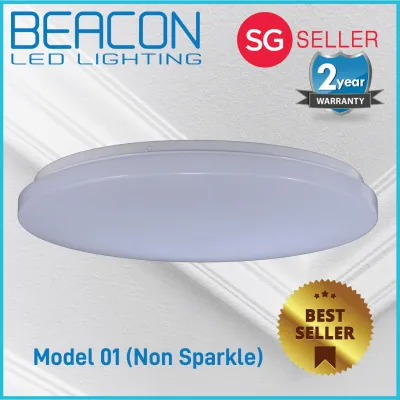
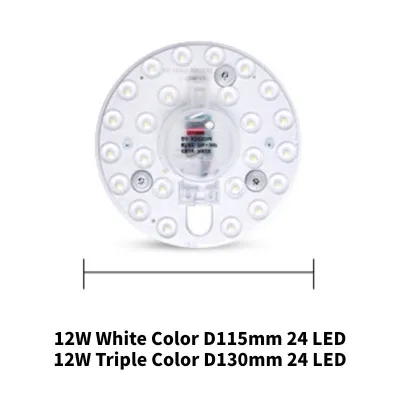
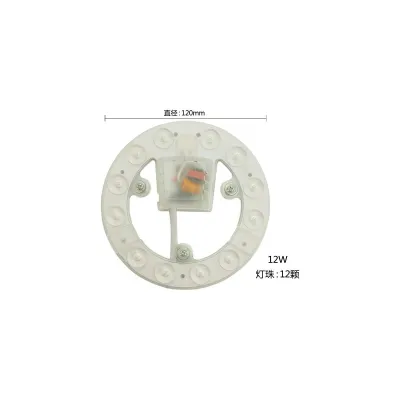
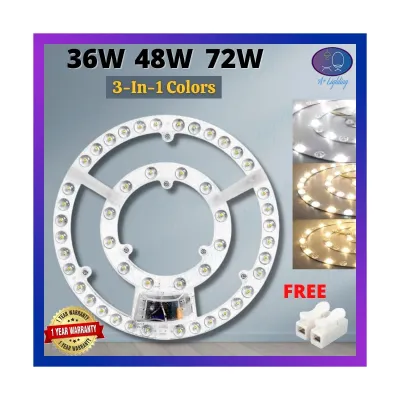
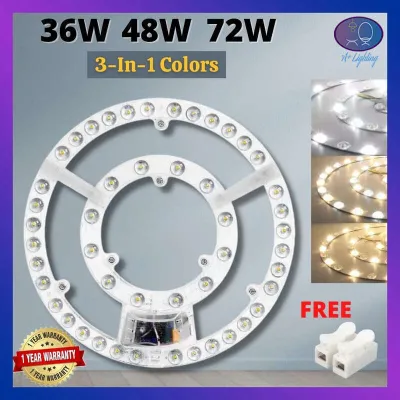
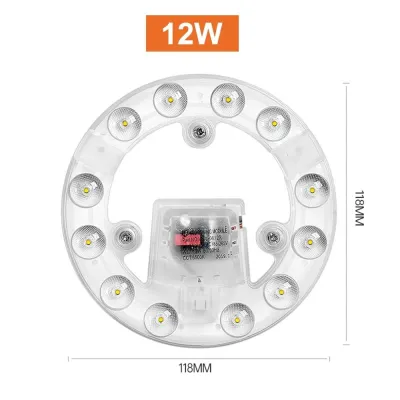
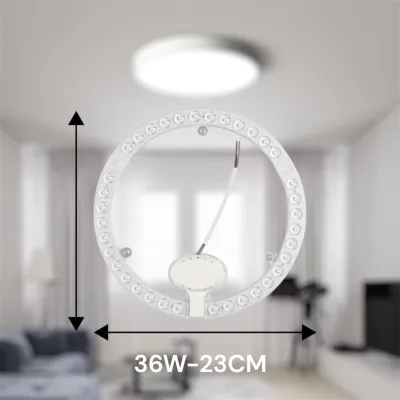
Prices are valid at publication and may change. Please refer to the product page for the latest price.
The beam angle of a 48W downlight dictates how the light spreads across the room. Wide beam angles (greater than 60 degrees) distribute light broadly, which helps achieve uniform ambient lighting but can increase direct glare if the light source is not deeply recessed. Narrow beam angles (less than 40 degrees) create concentrated pools of light, which can result in harsh shadows and high-contrast zones if the fixtures are spaced too far apart. Homeowners should look for brands that offer deep-recessed designs or anti-glare baffles to shield the eyes from the intense 48W light source at typical viewing angles.
How to Evaluate Downlight Brand Reliability
A whole-home lighting project represents a significant financial and labor investment. When evaluating brands, prioritize those with a physical presence or established authorized distributors in Singapore. A reliable brand should offer a comprehensive local warranty (typically 2 to 5 years) that covers both the LED driver and the light engine. Verify whether the warranty is “carry-in” or if it includes on-site replacement support, as hiring an electrician to uninstall and reinstall a faulty fixture can quickly exceed the cost of the light itself.

Color consistency is a common issue in lower-quality LED installations. Over time, or even straight out of the box, downlights from the same batch can display slight variations in color temperature—such as one fixture appearing slightly yellow while another looks cool white. Reputable brands utilize a strict LED binning process, sorting chips within a tight MacAdam ellipse step (ideally 3 SDCM or lower). This ensures that every 48W downlight installed across your living room, kitchen, and hallways maintains an identical color appearance.
High-wattage LEDs generate substantial heat at the junction point of the chip. Without effective thermal management, this heat accelerates lumen depreciation and can cause premature driver failure. Examine the physical construction of the downlight. Reliable brands use robust, heavy-duty heat sinks made of die-cast aluminum with integrated cooling fins to maximize surface area. Avoid brands that rely entirely on thin plastic housings or minimal metal plates, as these materials cannot dissipate the heat generated by a 48W load over extended operating hours.
Essential Technical and Safety Specifications
In Singapore, the standard domestic electrical supply is 230V AC at 50Hz. Any LED downlight brand you select must be rated for this voltage range. Crucially, under the Consumer Protection (Safety Requirements) Registration Scheme, controlled electrical items—including LED drivers and lighting fixtures—must carry the Enterprise Singapore Safety Mark. This mark indicates that the product has been tested in certified laboratories and complies with relevant safety standards (such as IEC 60598). Never install uncertified fixtures sourced directly from overseas online marketplaces, as they pose a severe fire and electrical hazard.
Before purchasing a whole-home package, coordinate with your interior designer or main contractor to measure the available ceiling void. 48W downlights, due to their large heat sinks, often require larger cut-out diameters (typically 150mm to 200mm) and deeper housing profiles than lower-wattage models. Ensure there is sufficient clearance (at least 20mm to 50mm of free space above the heat sink) within the false ceiling to allow for adequate air circulation. If you are installing fixtures directly into concrete structural slabs, you will need to use surface-mounted tracks or surface-mounted downlight canisters instead of recessed models.
Different zones in a Singapore home present varying environmental challenges. While standard dry areas like living rooms and bedrooms can use IP20-rated fixtures, moisture-prone zones require higher protection. In bathrooms (especially near showers) and kitchens (where cooking grease and steam accumulate), select downlights with at least an IP44 rating (splash-proof) or IP65 rating (jet-proof) for the front face. This prevents moisture from penetrating the housing, protecting the internal electronics from short circuits and corrosion.
Because 48W is highly luminous, dimming capability is highly recommended to adapt the ambiance from day to night. However, dimming high-wattage LEDs requires precise compatibility between the LED driver and the wall dimmer switch. Check whether the brand’s driver supports Triac (leading/trailing edge), 0-10V, or digital dimming protocols like DALI. Using incompatible dimmers can lead to annoying flickering, buzzing noises, or a limited dimming range.
Planning Your Whole-Home Lighting Layout
Achieving uniform illumination without dark spots or blinding glare requires careful spacing calculations. As a general rule of thumb for residential ceilings (2.7m height), downlights with a standard 60-degree beam angle should be spaced approximately 1.2 to 1.5 meters apart. However, because 48W fixtures are exceptionally bright, you may need to increase the spacing or position them strategically to bounce light off walls (wall-washing) rather than directing the beam straight down onto seating areas or workspaces.
A successful whole-home lighting scheme rarely relies on a single type of fixture. Instead of using 48W downlights exclusively, use them as the primary ambient light source in larger spaces, and layer them with lower-wattage task lights (such as 7W or 12W spotlights over kitchen counters or reading nooks) and accent lighting (such as LED strips in cove ceilings). This zoning allows you to control different groups of lights independently, saving energy and creating a more dynamic, comfortable living environment.
Direct glare can cause eye strain and headaches over time. Avoid positioning high-powered 48W downlights directly above areas where people will sit or lie down for extended periods, such as right above a sofa, a bed, or a dining table. Instead, offset the fixtures slightly or utilize adjustable downlights that allow you to direct the light toward walls, artwork, or decorative features, creating a softer, indirect illumination.
Sourcing Authentic Fixtures and Verifying Warranties
To guarantee you are purchasing genuine products that meet Singapore’s safety standards, buy directly from authorized local distributors, established lighting showrooms, or the official online flagship stores of reputable brands. Be cautious of third-party sellers on general ecommerce platforms offering premium brands at prices that seem too good to be true, as counterfeit electrical products are common and lack proper safety testing.
Upon receiving your downlights, inspect the physical product and its packaging before the electrician begins installation. Look for the distinctive Safety Mark logo along with its unique 8-digit registration number. You can verify this registration number on the Consumer Product Safety Office (CPSO) database to confirm that the specific model is registered and approved for use in Singapore.
Keep all physical invoices, receipts, and delivery orders organized. Many brands require you to register your purchase online within a specific timeframe (e.g., 14 to 30 days from purchase) to activate the warranty. Note down the contact details of the local distributor’s service center and keep a record of which fixtures were installed in which rooms, making it easier to claim replacements if a driver or chip fails prematurely.
Frequently Asked Questions (FAQ)
Can I mix different downlight brands in the same room?
It is highly discouraged to mix different downlight brands within the same visual space. Even if two brands claim the exact same color temperature (e.g., 3000K Warm White) and wattage, their actual light spectrum, color rendering index (CRI), and luminous efficacy will differ due to variations in LED chips and phosphor coatings. This can result in a patchy, inconsistent look. Furthermore, different brands use different driver designs, meaning they will dim at different rates and may flicker if connected to the same dimmer switch.
Do 48W LED downlights require special wiring or transformers?
48W LED downlights do not require specialized high-voltage wiring, as they operate on standard Singapore household voltage (230V). However, because LEDs run on direct current (DC), each fixture requires a compatible LED driver (often referred to as a transformer). Most reputable brands package the appropriate driver together with the downlight. Ensure that your electrician isolates the power at the main distribution board (DB box) before installation, and verifies that the existing circuit breaker and wiring gauge can safely handle the total combined wattage of all fixtures on that loop.
How do I clean and maintain recessed downlights safely?
Before performing any maintenance or cleaning, always switch off the light and isolate the power at the main circuit breaker to eliminate any risk of electrical shock. Allow the fixture to cool down completely, as 48W downlights can become hot during operation. Use a dry, soft microfiber cloth or an anti-static duster to gently wipe away dust from the outer trim and the diffuser lens. Never spray liquid cleaners, water, or harsh chemicals directly onto the fixture, as moisture can seep into the housing and damage the internal driver or LED chip.

Community discussion
Share your experience or ask a question. Comments are reviewed before publication.