
Finding the right A3 poster frame in Singapore requires balancing structural integrity, aesthetic appeal, and environmental resilience. Because Singapore’s tropical climate brings high relative humidity, choosing frames that resist warping and protect paper prints from moisture damage is essential. Whether you are displaying a limited-edition art print in a living room or presenting corporate infographics in a downtown office, selecting a frame involves evaluating materials, verifying exact dimensions, and ensuring secure wall mounting. By focusing on robust construction and appropriate glazing, you can preserve your posters while enhancing the visual appeal of your space.
Key Criteria for Evaluating A3 Poster Frame Quality
Solid wood offers classic beauty but can be sensitive to humidity if not properly sealed. Aluminum provides exceptional stability, a modern look, and zero risk of warping. Medium-density fibreboard (MDF) is a cost-effective alternative, but buyers must inspect the laminate or veneer wrap to ensure there are no peeling edges or bubbling, which can worsen in humid conditions. When inspecting a frame physically, look closely at the mitered corners; there should be no visible gaps, misalignment, or loose joints, as these compromise the frame’s structural integrity over time.
Glazing is another critical component. Traditional glass offers excellent scratch resistance and high clarity, but it is heavy and fragile. For high-traffic office environments or children’s bedrooms, acrylic is a safer, shatter-resistant alternative that significantly reduces the overall weight of the frame. When choosing acrylic, verify that it has protective film on both sides to prevent scratches during transit, and look for options with UV-filtering properties to prevent your posters from fading under direct sunlight or bright fluorescent office lights.
Products mentioned in this guide
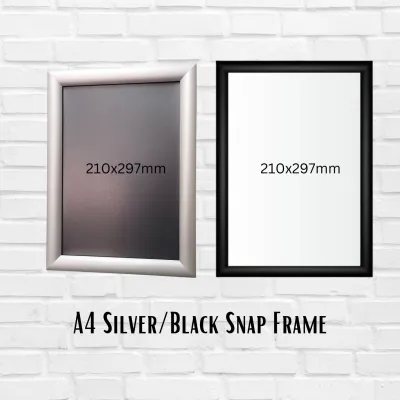
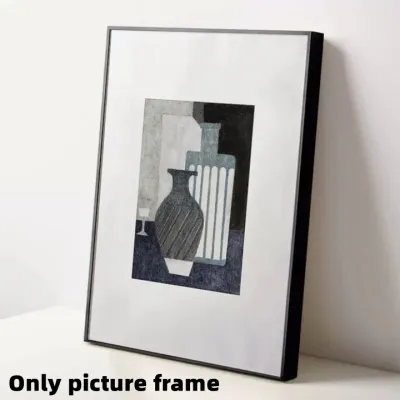
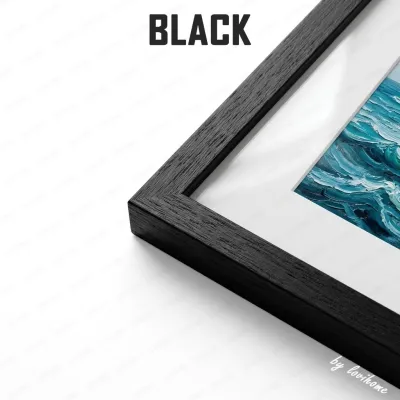
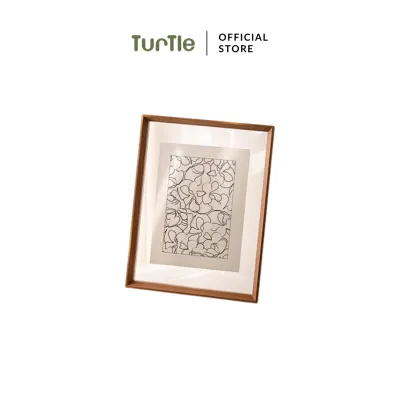

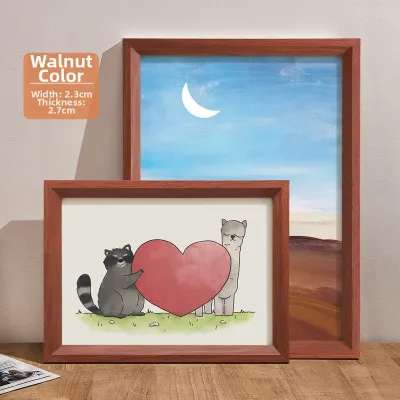
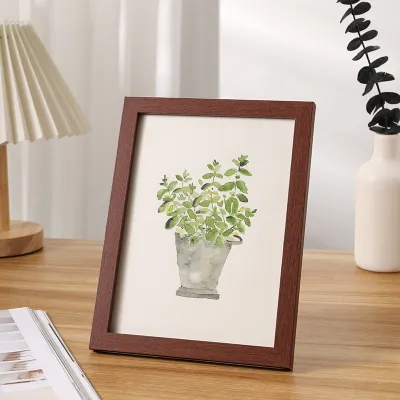
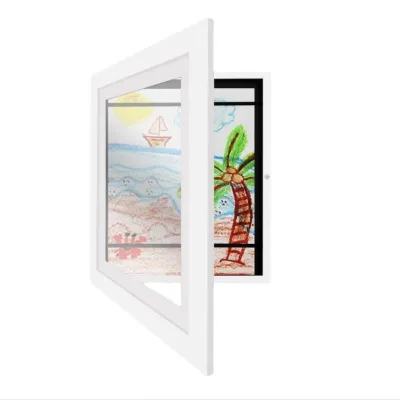
Prices are valid at publication and may change. Please refer to the product page for the latest price.
The backing board and securing mechanisms dictate how easy it is to mount and update your posters. Look for sturdy backing materials like thick MDF or corrugated plastic rather than flimsy cardboard, which can sag and trap moisture. Securing mechanisms generally fall into two categories: flexible metal tabs that bend up and down, or rotating turn buttons secured with screws. Swivel clips are highly preferred for frames that will be updated frequently, as flex tabs can fatigue and snap off after repeated bending.
Finally, consider the inclusion of a mat board. A mat board creates a professional border around your A3 poster, but its primary functional purpose is to create a small air gap between the artwork and the glazing. This gap prevents the poster’s ink from sticking to the glass or acrylic over time, which is a common cause of permanent damage in humid climates. Ensure the mat board is acid-free to prevent yellowing or chemical degradation of the paper.
Matching Frame Styles to Home and Office Environments
Selecting the right frame style involves matching the frame’s profile and finish to the room’s existing decor and lighting. In residential spaces, the goal is often to create a warm, inviting atmosphere. Natural wood frames, such as oak, walnut, or light pine, complement Scandinavian, Japandi, or rustic interior styles. These warm tones soften the hard edges of a standard A3 print, making them ideal for living rooms, bedrooms, and hallways where comfort is key.

For office and commercial settings, the design language shifts toward minimalism, professionalism, and distraction-free presentation. Sleek aluminum frames or ultra-thin black composite profiles are excellent choices here. They provide a clean border that frames the content without competing with it, making them perfect for displaying certificates, corporate values, marketing materials, or architectural blueprints. Matte finishes are generally preferred in offices to minimize glare from overhead fluorescent lighting.
The visual weight of the frame—determined by its border thickness—plays a major role in how the artwork is perceived. A very thin border keeps the focus entirely on the poster and works beautifully for minimalist art or text-heavy designs. Conversely, a wider, chunkier frame adds dramatic presence and works well for bold, colorful posters or when you want a single A3 print to serve as a major focal point on a large wall.
When planning a gallery wall or grouping multiple A3 frames, consistency is vital for a cohesive look. You do not necessarily need identical frames, but maintaining a common element—such as matching the frame material while varying the mat colors, or keeping the frame profiles identical while mixing black and white finishes—helps tie the collection together. Ensure consistent spacing and use frames of equal depth to prevent some prints from casting awkward shadows over others.
Sourcing and Verifying A3 Frames in Singapore
When sourcing A3 frames in Singapore, you have several avenues ranging from mass-market home furnishing retailers to specialized local framing shops. Visiting physical stores allows you to inspect the build quality firsthand, checking for joint tightness and glazing clarity. Art supply shops around areas like Bras Basah Complex are excellent resources for finding ready-made frames with professional-grade backing and acid-free mats, while bespoke framing studios offer custom solutions if your poster has non-standard dimensions or requires museum-grade UV protection.
If you prefer the convenience of online marketplaces, navigating listings requires careful verification. Because you cannot physically handle the product, rely heavily on detailed seller specifications and customer-uploaded photos. Look for reviews that specifically mention packaging quality, as fragile items like glass-glazed frames require robust bubble wrapping and sturdy outer boxes to survive transit. Avoid listings with vague material descriptions or those that do not explicitly state the glazing material.
A common pitfall when buying frames online is confusing the frame’s outer dimensions with its internal capacity. A true A3 poster measures exactly 297 x 420 mm. Some frames marketed as A3 frames are actually larger frames that include an A3-sized mat opening, while others are exactly A3 size but lack a mat. Always check the product description for the fit size or window size. If you want to use a mat board to elevate the look of your A3 poster, you will need to purchase a larger frame that comes with a pre-cut mat designed to fit an A3 print.
Before finalizing an online purchase, review the seller’s return and refund policies regarding transit damage. Reliable sellers on local e-commerce platforms will offer clear guarantees or replacement policies if the frame arrives with cracked glazing or damaged corners. It is also wise to check if the seller provides hanging accessories, as some frames are sold without the necessary hooks or hanging wire, requiring a separate trip to a hardware store.
Safe Installation and Wall Maintenance
Installing your A3 frames securely is essential to prevent damage to both the artwork and your walls. In Singapore, residential walls are commonly made of solid concrete or brick, while internal partition walls in offices and newer homes are often drywall. Concrete walls require a hammer drill and masonry drill bits to install plastic wall plugs and screws. Attempting to drive standard nails or adhesive hooks into solid concrete often results in chipped plaster or fallen frames. For drywall, specialized toggle bolts or threaded drywall anchors are necessary to distribute the weight safely.
Before mounting, weigh your fully assembled frame. Check the frame’s pre-installed hanging hardware—such as sawtooth hangers, D-rings, or hanging wire—to ensure it is rated for that weight. Sawtooth hangers are suitable for lightweight frames, while heavier wood or glass-glazed frames should be hung using dual D-rings or a tensioned hanging wire. Avoid using adhesive strips for heavy glass frames, as Singapore’s high humidity can degrade the adhesive over time, leading to sudden failures.
Achieving a straight, professional alignment requires precise measurement and the right tools. Always use a spirit level or a leveling app on your smartphone rather than relying on visual estimation. When planning a gallery wall, map out the layout on the floor first, or tape paper templates of the frames to the wall to visualize the spacing before drilling any holes. Maintain a consistent distance between frames to ensure a balanced, intentional look.
Recognizing when to stop and seek professional assistance is crucial for safety. If you are dealing with exceptionally heavy frames, hanging frames at significant heights, or if you are unsure about the structural integrity of your walls, consult a professional handyman or installation service. Working at height or drilling into walls near electrical conduits or water pipes carries inherent risks that are best managed by qualified professionals.
Frequently Asked Questions (FAQ)
Can I use an A4 frame with a mat for an A3 poster?
No, you cannot use an A4 frame to display an A3 poster. An A3 poster measures 297 x 420 mm, which is physically twice the size of an A4 sheet. Therefore, an A3 poster will not fit inside an A4 frame under any circumstances, regardless of whether a mat board is used. To display an A3 poster with a mat board, you must go up in size and select a larger frame—typically an A2 frame—that includes a pre-cut mat with an inner opening designed to fit the A3 print. Always verify the inner window dimensions of the mat before purchasing to ensure a perfect fit.
How do I prevent my poster from wrinkling inside the frame?
Preventing wrinkles and buckling requires proper preparation and securing techniques. If your poster was shipped in a tube, allow it to flatten completely before framing by placing it on a clean, flat surface under heavy, flat objects like books for 24 to 48 hours. When mounting the poster inside the frame, secure it to the backing board using acid-free artist tape or archival photo corners; avoid standard adhesive tapes, which can dry out, yellow, and damage the paper. Ensure the backing board is rigid and the frame’s securing tabs are pressed down firmly to apply even pressure across the entire surface, which prevents moisture from pooling and causing the paper to warp or ripple over time.

Community discussion
Share your experience or ask a question. Comments are reviewed before publication.