
Finding reliable Christmas lights in Singapore requires looking beyond brand names and focusing on local safety certifications, build quality, and environmental suitability. Because Singapore experiences high humidity and sudden tropical downpours, choosing the wrong decorative lighting can lead to short circuits, tripped breakers, or even electrical hazards. To ensure your holiday display is both beautiful and safe, you must evaluate lights based on their electrical specifications, physical construction, and intended installation environment. Investing a few extra S$ in a certified, high-quality set will save you from the frustration of premature failures and keep your home safe throughout the festive season.
Key Standards for Evaluating Christmas Light Reliability
The Singapore Safety Mark is the most critical certification to verify when purchasing mains-powered Christmas lights. This mark indicates that the electrical product has been tested and certified to meet the safety standards set by Enterprise Singapore. For any light set that plugs directly into a 230V wall outlet, look for the distinctive blue and red Safety Mark logo alongside its unique eight-digit registration number, which is typically printed on the transformer or the plug itself. Avoid any mains-powered lighting that lacks this certification, as uncertified products may not have undergone rigorous testing for insulation, heat resistance, or short-circuit protection.
Understanding Ingress Protection (IP) ratings is essential for determining where you can safely install your Christmas lights. An IP rating consists of two digits: the first indicates protection against solid objects, while the second measures protection against liquids. For indoor decorations in dry areas, standard lights with no specific IP rating or an IP20 rating are perfectly adequate. However, Singapore’s tropical climate demands higher protection for semi-outdoor or outdoor spaces like balconies, patios, and gardens.
Products mentioned in this guide
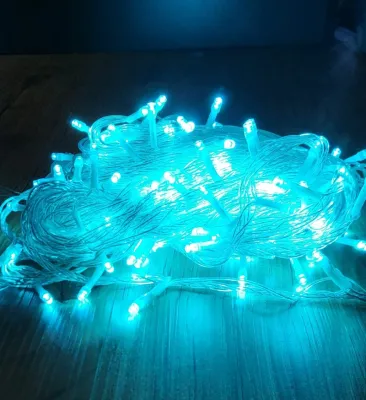
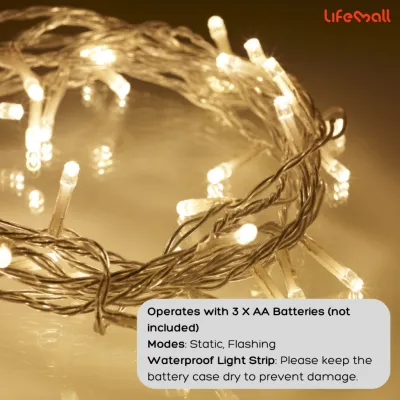
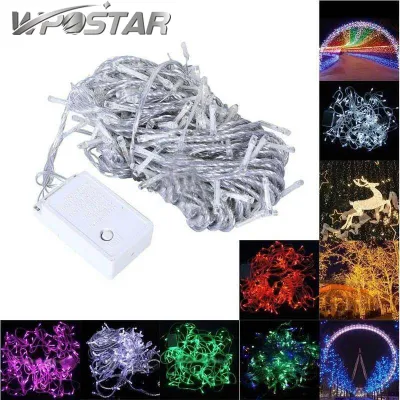
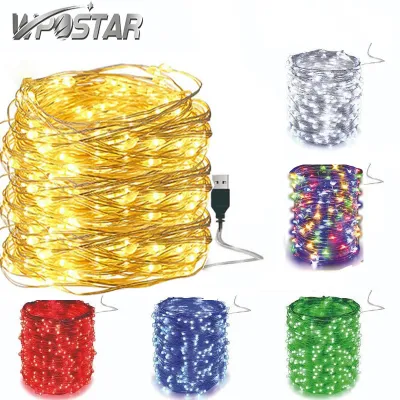
![[V.Home] *Any 2 off $2* LED Fariy String Lights USB w/Remote for Gift Party Wedding Christmas Festival Decoration](https://img.lazcdn.com/g/p/3642250970409f384190a5dde2dfc56b.jpg_400x400q80.jpg_.webp)
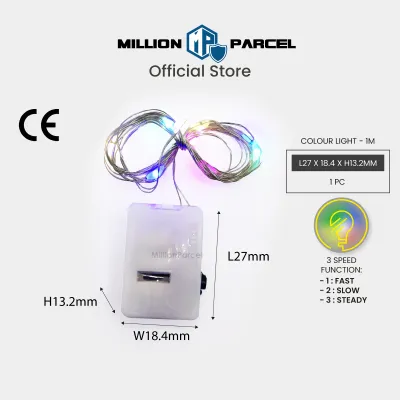
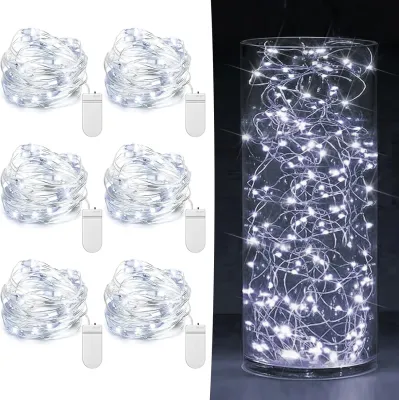
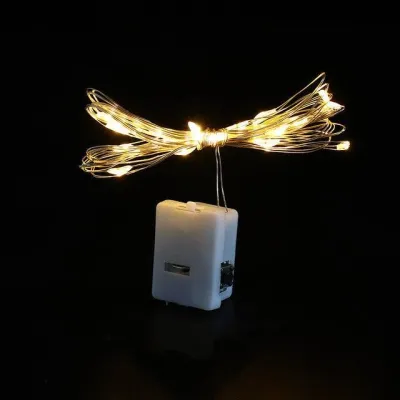
Prices are valid at publication and may change. Please refer to the product page for the latest price.
For outdoor installations, look for lights with a minimum rating of IP44, which protects the electrical components from splashing water from any direction. If you plan to drape lights over trees, fences, or rooflines where they will be fully exposed to heavy monsoon downpours, opt for commercial-grade lights rated IP65 or IP67. These higher ratings ensure that the light sockets, LED housings, and connections are completely dust-tight and capable of withstanding low-pressure water jets or temporary immersion, preventing water ingress from causing short circuits.
Physical build quality is another reliable indicator of how long your holiday lights will last. Examine the thickness and material of the wire insulation before making a purchase. Cheap, low-quality lights often use thin, brittle PVC plastic that easily cracks when bent or exposed to ambient heat. Reliable, durable light sets feature thick, flexible rubber cables or heavy-duty, double-insulated PVC that can withstand physical tension and environmental exposure without degrading.
The construction of the LED chip housing also plays a major role in long-term reliability. High-quality LED lights feature sealed epoxy caps over the individual diodes, which prevents moisture from corroding the internal connections. While LEDs naturally run much cooler than traditional incandescent bulbs, the power adapter or step-down transformer can still generate heat during prolonged use. Reliable manufacturers design their transformers with robust, flame-retardant casings and built-in heat dissipation channels to ensure they remain safe to the touch.
Matching Light Types to Your Decorating Needs
Selecting the right type of light for specific areas of your home ensures both aesthetic success and practical reliability. For indoor Christmas trees, wreaths, and delicate garland wrapping, cluster lights and micro fairy lights are highly effective. Micro fairy lights, which are typically built on thin, flexible copper or silver wire, can be wrapped tightly around small branches and ornaments without being visually obtrusive. Because these lights operate on low voltage—often powered by a 5V USB connection or a 12V/24V step-down transformer—they generate virtually no heat, making them safe to use near synthetic foliage, paper decorations, and dry pine needles.

For semi-outdoor and outdoor spaces like balconies, patios, and landed property gardens, heavy-duty string lights are the preferred choice. Often referred to as festoon lights or commercial-grade string lights, these systems feature thick rubber cables and suspended socket designs that prevent water from pooling around the bulb bases. When installing lights on an open balcony, ensure they are securely anchored using heavy-duty zip ties or specialized outdoor mounting clips to prevent strong winds from whipping the cables against building structures, which can damage the bulbs or tear the wiring.
Curtain lights and icicle lights are ideal for creating dramatic vertical displays along windows, glass sliding doors, and roof eaves. Curtain lights feature a main horizontal cable from which multiple vertical light strands hang down, creating a shimmering wall of light that looks spectacular behind sheer curtains. Icicle lights use staggered vertical lengths to mimic falling snow along rooflines. When hanging these cascading lights, always use non-conductive plastic gutter hooks or suction cups rather than metal staples or nails, which can easily pierce the wire insulation and create a dangerous electrical path.
Essential Safety and Compatibility Checks Before Buying
Before purchasing any plug-in Christmas lights, you must verify their electrical compatibility with Singapore’s domestic power supply. Singapore operates on a standard voltage of 230V at a frequency of 50Hz. Ensure that the light set’s transformer is rated for this input voltage. Additionally, the product should come fitted with a standard Type G three-pin plug that complies with local safety regulations. Avoid using cheap, ungrounded travel adapters to connect foreign plugs to your wall sockets, as loose connections can generate high electrical resistance, leading to localized overheating and potential fire hazards.
Calculating the total wattage of your holiday display is a crucial step in preventing overloaded circuits and tripped breakers. Although individual LED light strands consume very little power—typically between 5W and 15W per set—combining multiple decorative items on a single power strip can quickly add up. Check the wattage rating printed on the transformer of each light set you plan to use. Sum these values and ensure the total load does not exceed the rated capacity of your extension cord or wall socket, which is typically 13 amps or approximately 3000 watts in Singapore. For an added safety margin, limit the continuous load on any single extension outlet to 80% of its maximum rated capacity.
Many modern Christmas lights feature end-to-end connectors, allowing you to daisy-chain multiple strands together to cover larger areas. However, you must strictly adhere to the manufacturer’s specified limit for the maximum number of connectable strands. This limit is determined by the thickness of the internal copper wire and the current capacity of the primary transformer. Exceeding the recommended limit can cause the wiring to overheat, degrade the brightness of the lights toward the end of the chain, or blow the internal safety fuse. Never connect different brands or types of lights together unless the manufacturer explicitly states they are compatible.
Where to Buy and How to Verify Brand Authenticity
To guarantee that you are buying genuine, safe, and reliable Christmas lights, purchase them from official brand stores, authorized local department stores, or reputable home improvement centers in Singapore. While online marketplaces and ecommerce platforms offer an overwhelming variety of highly affordable options, many of these listings are sold by unverified third-party sellers who ship products directly from overseas. These imported lights often bypass local safety inspections and may lack the necessary certifications required for safe operation in Singapore households.
When shopping for lights, take the time to inspect the physical packaging and the product itself for authenticity markers. A genuine, compliant light set will clearly display the Singapore Safety Mark with its registered eight-digit number, which you can cross-reference on the Enterprise Singapore consumer protection website if you wish to verify its validity. The packaging should also feature clear manufacturer contact details, comprehensive electrical specifications, safety warnings, and explicit installation instructions. Furthermore, purchasing from authorized local retailers ensures you receive a valid local warranty, giving you a clear path for returns or replacements if the product malfunctions.
Opting for ultra-cheap, uncertified lights from unverified online sources carries severe risks that far outweigh any initial cost savings. Substandard lights often utilize dangerously thin copper wires that cannot handle electrical loads safely, combined with poor-quality plastic insulation that degrades rapidly under warm tropical conditions. These products frequently lack essential safety features, such as short-circuit protection, overload fuses, or flame-retardant transformer casings. In the event of an electrical surge or component failure, these deficiencies can result in sparks, melting plastic, or electrical fires that can quickly spread to nearby flammable holiday decorations.
Maintenance and Storage for Long-Term Durability
Proper maintenance and storage are essential for preserving the reliability and extending the lifespan of your Christmas lights for future holiday seasons. Before hanging your lights each year, conduct a meticulous physical inspection of the entire strand. Lay the lights out flat on a clean surface and check the cables for any signs of cracking, fraying, or exposed copper wire. Inspect the plug, transformer, and controller box for physical damage, loose pins, or discoloration. If you discover any defects, do not attempt to repair the wire with electrical tape or solder it yourself; instead, discard the set immediately to eliminate any safety risks.
The method you use to pack away your lights at the end of the festive season directly affects their internal structural integrity. Avoid pulling, tugging, or tightly wrapping the wires around your hand and elbow, as this creates sharp bends that can fracture the delicate copper strands inside the insulation. Instead, wrap the lights loosely around a dedicated storage reel or a clean piece of sturdy cardboard in a gentle figure-eight pattern. This technique prevents the wires from tangling, minimizes mechanical stress on the internal connections, and makes the installation process much easier the following year.
Singapore’s tropical climate, characterized by high humidity and warm ambient temperatures, can accelerate the degradation of plastics and cause metal components to rust. To protect your lights, store them in a cool, dry, and dark location inside your home, such as a closet shelf, rather than a damp outdoor storeroom or utility riser. Placing the wrapped light sets inside a sealed plastic container along with a few silica gel packets will help absorb any residual moisture. This simple step protects the delicate LED chips and control circuits from moisture damage, ensuring they perform reliably when you unpack them next year.
Frequently Asked Questions (FAQ)
Can I connect multiple strings of Christmas lights together?
You can connect multiple strings of Christmas lights together only if the manufacturer explicitly states that the light sets are connectable and you do not exceed their specified limit. Always check the product packaging or instruction manual for the maximum number of connectable strands, which is determined by the capacity of the transformer and the wire gauge. To ensure safety, calculate the cumulative wattage of the connected strings and verify that it does not exceed the transformer’s output rating. If you notice that the plug or transformer feels hot to the touch, if the lights flicker, or if a fuse blows, immediately disconnect the power, stop using the lights, and consult a qualified electrician.
Are battery-operated fairy lights safer than plug-in ones?
Battery-operated fairy lights are generally safer in terms of electrical shock and mains-fire risks because they operate on very low direct current (DC) voltage, typically between 3V and 4.5V. This low voltage makes them an excellent choice for delicate indoor decorations, table centerpieces, or children’s bedrooms where mains power is impractical or risky. However, battery-powered lights have higher ongoing operating costs, require frequent battery replacements, and have a greater environmental impact unless you use rechargeable batteries. For large-scale displays, high-brightness requirements, or long-term outdoor installations, plug-in lights with proper Singapore Safety Mark certifications remain the more practical, sustainable, and reliable choice.

Community discussion
Share your experience or ask a question. Comments are reviewed before publication.