
To find a reliable emergency lantern light brand for your HDB flat in Singapore, you must look beyond basic brightness ratings and focus on local safety compliance, battery stability, and practical design. In a high-density residential environment where concrete walls can block light and tropical humidity can degrade electronics, a dependable emergency light is an essential household safety tool. By verifying safety certifications, understanding your flat’s layout, and choosing the right battery technology, you can select a brand that will perform flawlessly when the power goes out.
Evaluating emergency lighting requires a systematic approach. Rather than relying on unverified online reviews or generic product listings, you can build a reliable shortlist by assessing how well a lantern matches your specific living space and safety requirements. This guide outlines the essential factors for choosing a trustworthy emergency lantern light brand tailored to the unique conditions of Singapore homeownership.
Understanding Emergency Lighting Needs in HDB Flats
HDB flats feature unique architectural layouts that directly influence how light travels during a power outage. Most modern flats are constructed with thick, reinforced concrete structural walls and include a designated household shelter with heavy steel doors. These solid structures act as natural barriers to light, meaning a single emergency lantern placed in the living room will not illuminate bedrooms or kitchen areas. To ensure safe navigation, you must plan your light placement around these structural barriers, identifying key transition zones where a portable lantern can be easily grabbed or left to cast a wide glow.
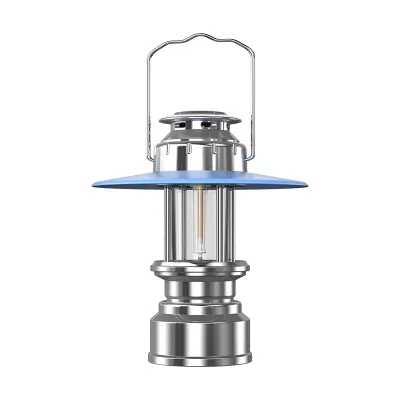
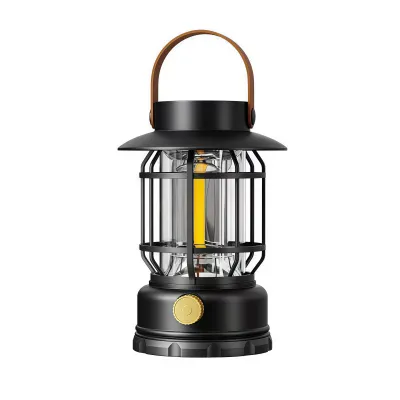
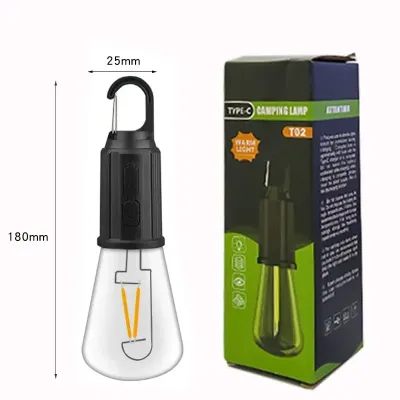
Products mentioned in this guide
![[SG SELLER] BATTERY OPERATED CAMPING LANTERN LED LIGHTS VERY BRIGHT AND USEFUL IN OUTDOORS](https://img.lazcdn.com/g/p/71a8db5abeb071cd49eddc98b0b4dd01.png_400x400q80.png_.webp)
Prices are valid at publication and may change. Please refer to the product page for the latest price.
When planning your emergency lighting setup, it is helpful to distinguish between whole-room illumination and localized task lighting. Whole-room illumination requires a lantern capable of casting a wide, 360-degree diffused glow to make communal spaces like the living room or dining area safe for movement. This setup prevents shadows and reduces the risk of tripping over furniture. Localized task lighting, on the other hand, focuses on specific activities such as preparing food in the kitchen, checking the electrical distribution board, or navigating the bathroom. A reliable lantern brand should offer adjustable beam angles or diffusers to serve both purposes effectively.
Household demographics also play a critical role in determining your lighting requirements. If your household includes elderly family members, high-contrast, glare-free illumination is vital to help them navigate floor level changes, such as the steps leading into bathrooms or balconies. Sudden darkness can cause disorientation and increase the risk of falls, making instant-on or highly visible emergency lanterns a priority. For homes with young children, safety is paramount; lanterns must be constructed from cool-to-the-touch materials, feature shatterproof lenses, and have secure battery compartments to prevent accidental exposure to internal components.
Finally, consider the typical duration and nature of power disruptions in Singapore. While widespread blackouts are rare due to the reliability of the local grid, localized trips caused by faulty household appliances or minor electrical faults do occur. These incidents are usually resolved within a few hours, meaning your emergency lantern does not need to run for days on end. Instead, prioritize a lantern that can deliver consistent, high-quality light for three to six hours, which is more than enough time to locate the source of the electrical trip or wait for professional assistance.
Core Features That Define a Reliable Lantern Light
The internal battery chemistry is the most critical factor governing the lifespan and safety of an emergency lantern. Most modern portable lanterns utilize Lithium-ion (Li-ion) or Lithium Iron Phosphate (LiFePO4) batteries due to their high energy density and low self-discharge rates. However, Singapore’s warm and humid climate can accelerate battery degradation if the device is stored in poorly ventilated areas like closed cabinets or utility closets. When evaluating brands, check the manufacturer specifications for battery cycle life and look for integrated protection circuits that prevent thermal runaway, overcharging, and deep discharging.

Charging versatility ensures that your emergency lantern remains functional even during prolonged outages or when primary power sources are unavailable. A reliable modern lantern should feature a standard USB-C charging port, allowing you to recharge the device using common household phone chargers, power banks, or even car chargers. Some specialty lanterns also incorporate secondary charging mechanisms, such as integrated solar panels or hand-crank dynamos. While solar charging is highly convenient, keep in mind that typical HDB window glass filters out significant ultraviolet light, which can drastically reduce solar charging efficiency unless the lantern is placed directly on an open balcony.
Brightness control and light customization are essential for balancing visibility with battery conservation. Lumens measure the total amount of visible light emitted by a source, and for a standard HDB living room, a lantern offering 300 to 500 lumens is generally sufficient for broad illumination. However, running a lantern at maximum brightness continuously will drain the battery rapidly. Look for brands that offer step-less dimming or multiple discrete light modes, such as a low-power mode of 50 lumens, which can extend the runtime of the lantern to twenty hours or more for overnight use.
The physical build quality and material durability of the lantern determine how well it survives accidental drops and daily wear. High-quality emergency lanterns are typically constructed from impact-resistant plastics like Acrylonitrile Butadiene Styrene (ABS) or polycarbonate, which resist cracking when dropped onto hard terrazzo or vinyl flooring. Additionally, check for a basic Ingress Protection (IP) rating, such as IPX4, which indicates resistance to water splashes. This level of protection is highly beneficial if you need to carry the lantern onto an open service yard or balcony during a heavy downpour, or if a pipe leaks in the kitchen.
Verifying Brand Trustworthiness and Local Safety Standards
In Singapore, electrical safety is strictly regulated to protect consumers from fire hazards and electrical shocks. When purchasing any emergency lantern that plugs directly into a wall outlet for charging, you must verify that the power adapter or integrated charging unit carries the mandatory Safety Mark. Issued by Enterprise Singapore, this mark indicates that the product has undergone rigorous testing to meet local safety standards. Using uncertified charging accessories poses a significant risk of short circuits, especially when devices are left plugged in for extended periods.
Beyond basic certifications, you must verify specific technical parameters to ensure complete compatibility with your home’s electrical system. Check that the charging adapter’s input voltage is rated for Singapore’s standard 230V grid at 50Hz. Verify the wattage limits and current ratings (such as 5V/2A) to ensure you do not overload the charging interface. If you plan to install a fixed standby emergency light that connects directly to your home’s electrical wiring rather than using a portable plug, safety boundaries are even stricter. For any fixed wiring installation, work at height, or mounting in damp areas like service yards, always isolate the main power at the DB box, follow the manufacturer’s detailed installation instructions, or consult a licensed electrical worker to ensure compliance with local wiring standards.
A brand’s commitment to customer support is reflected in its warranty terms and the accessibility of its local service channels. Trustworthy brands typically offer a minimum 12-month warranty that covers manufacturing defects and battery failures. Before making a purchase, verify whether the brand has an authorized distributor or a physical service center in Singapore. Relying on parallel imports or unbranded online products often means that if a defect arises, you will have to bear the cost of shipping the item overseas for repairs, rendering the warranty practically useless.
Long-term product support and environmental sustainability are also key indicators of a reliable brand. Because all rechargeable batteries degrade over time, a high-quality lantern should not become obsolete simply because its battery has reached the end of its lifespan. Check if the brand provides clear information regarding battery replacement policies or sells official replacement battery packs. Brands that design their products with user-replaceable batteries or offer dedicated recycling and repair programs demonstrate a level of transparency and responsibility that cheap, disposable alternatives cannot match.
Building Your Shortlist: Purchasing Channels and Pre-Buy Checks
To ensure you are purchasing a genuine, high-quality product, it is best to source your emergency lantern from reputable retail channels. Authorized brand stores, established local hardware chains, and major department stores are excellent options because they curate their inventory to comply with local safety regulations. If you prefer shopping on online marketplaces, always look for official brand malls or preferred local sellers who explicitly state that their products come with local warranty support and the necessary safety certifications.
When browsing online listings, take the time to scrutinize customer feedback and seller credentials to avoid counterfeit or substandard goods. Look for verified buyer reviews that specifically mention long-term performance, battery retention, and build quality rather than just initial delivery speed. Be cautious of listings that feature generic, unbranded products with exaggerated performance claims, such as thousands of lumens of brightness at incredibly low prices. These products often use low-grade battery cells that pose safety risks and fail prematurely.
Once your emergency lantern is delivered, performing a few simple physical checks will help confirm its quality and functionality before you store it away for an emergency. Begin by inspecting the packaging seals to ensure the product has not been previously opened or returned. Plug the lantern in using the provided cable and monitor the charging process; the device and the power adapter should remain cool or only slightly warm to the touch. Finally, test all the light modes, check the stability of the mounting hooks or carry handles, and verify that the user manual contains clear instructions in English.
Frequently Asked Questions (FAQ)
How often should I test my emergency lantern light?
To ensure your emergency lantern light is fully operational when you need it most, you should perform a routine functional test every three to six months. During this check, turn the lantern on and let it run for approximately ten to fifteen minutes to verify that the light output remains stable and does not flicker. This periodic discharge also helps maintain the health of rechargeable lithium-ion batteries, which can degrade if left completely full or entirely empty for extended periods.
In addition to testing the light output, conduct a thorough visual inspection of the entire unit. Check the outer casing for any signs of cracking, warping, or battery swelling, which are critical indicators that the internal battery needs immediate replacement. Inspect the charging ports for dust, lint, or corrosion, and plug the unit in to confirm that it still accepts a charge smoothly. Keeping a simple maintenance log or setting a recurring calendar reminder ensures this vital safety check is never overlooked.
Can I leave my lantern light plugged in continuously?
Whether you can leave your emergency lantern plugged in continuously depends entirely on the design of its internal charging circuitry. High-quality lanterns from reputable brands are equipped with advanced Battery Management Systems (BMS) that include overcharge protection. Once the battery reaches full capacity, the BMS automatically cuts off the incoming electrical current, preventing the battery from overheating and preserving its overall lifespan.
However, cheaper or older lantern models may lack these sophisticated protection circuits. Continuous charging on these devices can lead to trickle-charging stress, which accelerates battery degradation, causes swelling, and increases the risk of thermal failure. To maximize safety and battery longevity, it is generally best practice to unplug the lantern once it is fully charged. For standby emergency lights designed to turn on automatically during a power failure, ensure the product specifications explicitly state that the device is rated for continuous, safe connection to a mains outlet.

Community discussion
Share your experience or ask a question. Comments are reviewed before publication.