
When selecting an emergency torch light brand for a Housing & Development Board (HDB) flat in Singapore, the most suitable options are those that prioritize certified electrical safety, compact storage designs, and reliable battery chemistry. Rather than focusing on a single universal brand, homeowners should evaluate brands across three main categories: specialized illumination brands, reputable consumer electronics manufacturers, and certified home improvement brands. Because a sudden power trip or localized blackout requires immediate action, your chosen brand must offer dependable performance, clear warranty terms, and charging components that are fully compatible with local electrical standards.
An effective emergency light must be easily accessible, simple to operate in the dark, and safe to store long-term in Singapore’s warm, humid climate. By understanding the specific technical features, safety certifications, and spatial requirements of HDB living, you can select a torch light brand that ensures your household remains safe and well-lit during any unexpected power outage.
Key Features to Look for in HDB-Suitable Torch Lights
Size, Weight, and Storage Solutions
Modern HDB flats are designed with optimized layouts where space is at a premium. A bulky, heavy searchlight is rarely practical for daily storage or quick emergency deployment. When evaluating torch light brands, look for compact, lightweight designs that can be stored in easily accessible locations. Ideal models are small enough to fit into a standard entryway drawer, a shoe cabinet, or a kitchen organizer.
Products mentioned in this guide
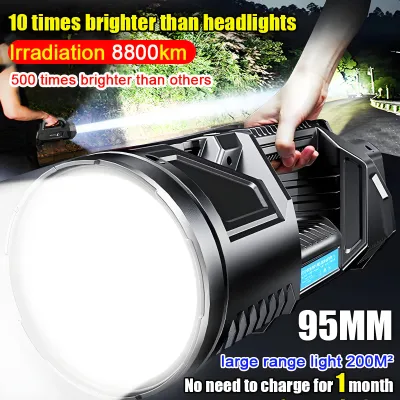
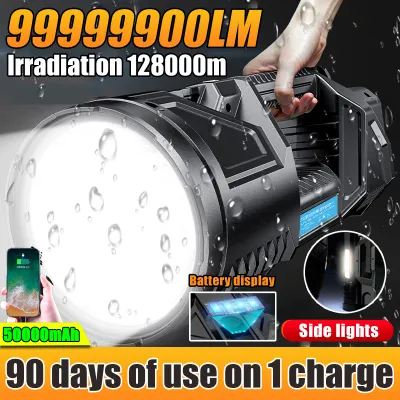
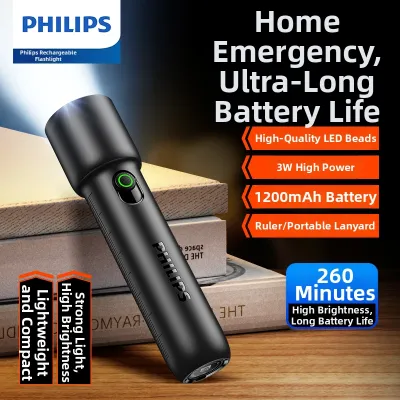
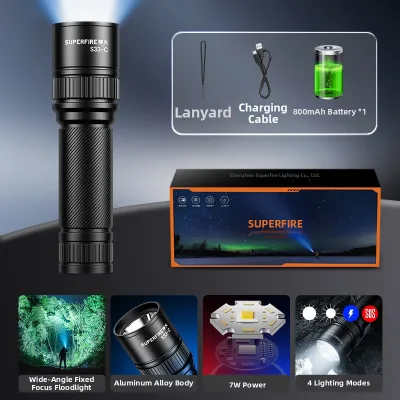
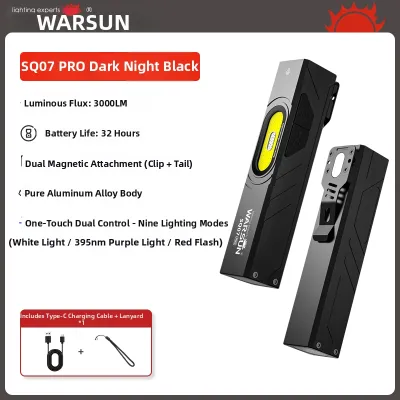
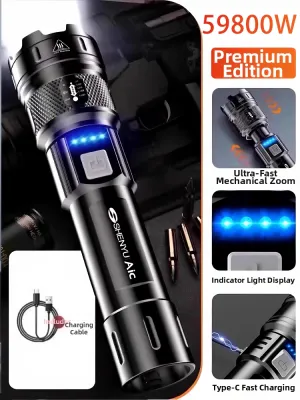
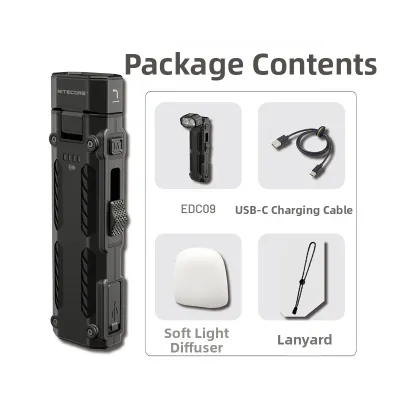
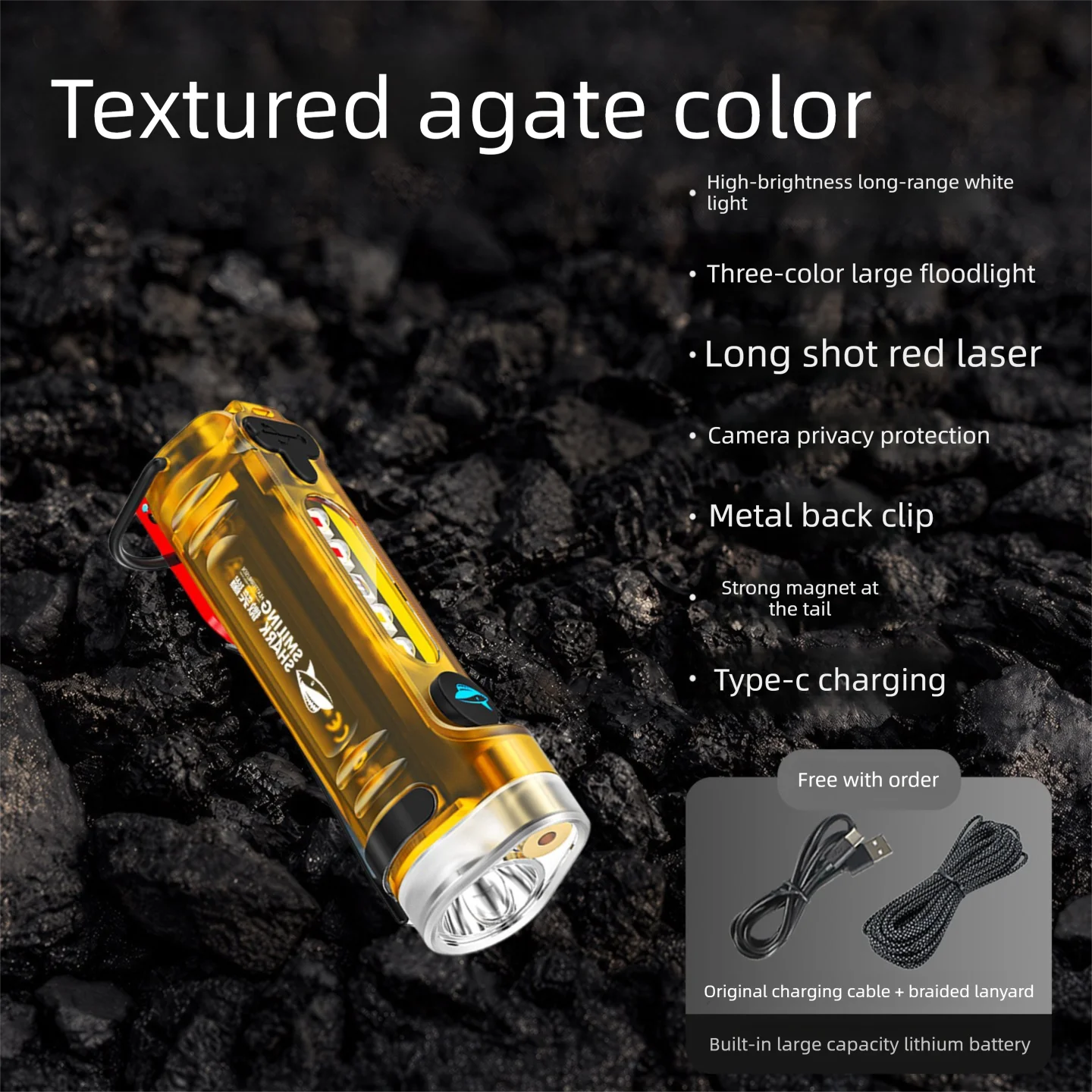
Prices are valid at publication and may change. Please refer to the product page for the latest price.
Many reliable brands design emergency lights with integrated storage solutions, such as wall-mounted charging cradles, magnetic backings, or lanyard loops. A magnetic torch light is particularly useful in an HDB flat, as it can be securely attached to the side of a refrigerator, a metal storage rack, or the steel door of your household shelter. This ensures the light is always in a fixed, predictable spot when the power suddenly cuts out.
Beam Distance, Lumens, and Illumination Modes
An emergency torch light needs to serve multiple visual purposes, which requires adjustable illumination modes. Lumens measure the total amount of visible light emitted by a source, while beam distance (or throw) determines how far that light travels. For indoor HDB use, a torch that only offers a high-intensity, tightly focused beam can cause blinding glare when reflected off light-colored concrete walls.
Look for brands that offer a combination of floodlight and spotlight modes. A wide, diffused floodlight mode is essential for illuminating an entire room or navigating narrow hallways safely without casting harsh shadows. Conversely, a focused spotlight mode is useful for inspecting tight spaces, such as the interior of a utility closet or behind heavy furniture. Adjustable brightness settings (such as low, medium, and high) also allow you to conserve battery life during extended outages.
Power Source and Battery Chemistry
The choice between rechargeable lithium-ion (Li-ion) batteries and standard alkaline batteries is a critical decision for emergency readiness. Lithium-ion batteries offer high energy density, consistent light output, and the convenience of USB charging. However, they experience gradual self-discharge over time and require regular maintenance to prevent capacity loss.
Alkaline batteries, on the other hand, have an exceptionally long shelf life—often up to ten years—making them highly reliable for standby emergency use. The primary drawback of alkaline cells is their tendency to leak corrosive potassium hydroxide over time, which can permanently ruin the torch light’s internal contacts. For HDB households, brands that offer hybrid power systems—allowing the use of a rechargeable lithium pack or standard AAA/AA batteries as a backup—provide the highest level of emergency versatility.
Matching Torch Light Types to HDB Spaces
Hands-Free Lighting for Kitchens and DB Boxes
When a circuit breaker trips in an HDB flat, the first point of inspection is the electrical distribution board, commonly known as the DB box. The DB box is typically located in the utility yard, kitchen, or near the main entrance. Navigating to this box and resetting a tripped switch requires both hands, making traditional handheld torches highly inconvenient.

For these areas, look for brands that offer hands-free lighting solutions, such as headlamps or adjustable magnetic work lights. A headlamp allows you to direct light precisely where you are looking while keeping your hands free to safely open the DB box and toggle the circuit breakers. Alternatively, a compact work light with a strong magnetic base can be stuck directly to the metal casing of the DB box or a nearby metal shelf, providing stable, hands-free illumination of the electrical panel.
Diffused Ambient Lighting for Living Rooms and Bedrooms
Sudden darkness in a living room or bedroom can cause confusion and anxiety, particularly for young children or elderly family members. In these communal spaces, a harsh, direct beam of light can be disorienting. Instead, these areas benefit from diffused, ambient light that mimics natural room lighting.
Many reputable torch brands offer multi-functional designs that can stand vertically on a flat surface to act as a lantern or candle. Some models feature built-in frosted diffusers or slide-out lantern collars that scatter the light in a 360-degree pattern. Placing a diffused torch light on a dining table or coffee table provides soft, even illumination that allows family members to move around the room safely without experiencing direct eye strain.
High-Intensity Focused Beams for Household Shelters
Most modern HDB flats feature a reinforced concrete household shelter, which frequently serves as a utility storeroom. Because these shelters are built with thick concrete walls and heavy, airtight steel doors, they are completely windowless. If a power outage occurs while you are inside or searching for items within the shelter, the space becomes pitch black.
Searching through deep shelves or storage boxes in a windowless room requires a torch light with a high-intensity, focused beam. A torch with a high candela rating (which measures beam intensity) can pierce through dark corners and help you quickly locate emergency supplies, first-aid kits, or stored tools. For these spaces, keep a dedicated, high-output handheld torch mounted just inside or next to the shelter door.
Safety and Charging Considerations for Indoor Use
Smart Charging and Overcharge Protection
Rechargeable emergency torch lights are often kept on charge indefinitely so they are ready at a moment’s notice. However, continuous charging can pose safety risks if the device lacks proper battery management. When selecting a rechargeable torch brand, it is vital to verify that the device features smart charging circuitry.
Smart charging systems include overcharge protection, over-discharge protection, and automatic shutoff mechanisms. These features detect when the battery reaches full capacity and stop the flow of electricity, preventing the battery cells from overheating, degrading, or swelling. Brands that do not explicitly state these protective features in their technical specifications should not be left plugged in unattended.
Verifying Local Safety Certifications
Because emergency torches connect to your home’s electrical grid for charging, the safety of the charging apparatus is just as important as the light itself. In Singapore, electrical accessories and power adapters must meet strict safety standards to prevent electrical fires, short circuits, and shocks.
Always check that the charging adapter, wall plug, or integrated charging base supplied by the brand carries the local Safety Mark issued by Enterprise Singapore. This certification indicates that the electrical component has undergone rigorous testing and is approved for safe use in Singaporean households. Avoid using unbranded, cheap charging adapters sourced from unverified online marketplaces, as they may lack adequate insulation and short-circuit protection.
Safe Charging Environments and Heat Dissipation
Lithium-ion batteries naturally generate heat during both the charging and discharging cycles. If this heat cannot dissipate, the battery’s internal temperature can rise to dangerous levels, potentially leading to thermal runaway. Therefore, the physical environment in which you charge your torch light is a critical safety factor.
Never charge a torch light in enclosed, unventilated spaces, such as inside a closed drawer, a wardrobe, or behind a sofa. Additionally, keep the charging device away from flammable materials like curtains, bedding, or paper documents. The safest practice is to charge your torch light on a flat, hard, non-flammable surface, such as a tiled kitchen countertop or a concrete floor, where air can circulate freely around the device.
How to Evaluate Brand Reliability and Warranties
Understanding Warranty Coverage
A reliable emergency torch light is a long-term safety investment for your home. When comparing brands, look closely at the specific terms of their warranty rather than just the headline duration. A comprehensive warranty should clearly distinguish between the coverage for the outer casing, the LED emitter, the internal circuitry, and the battery pack.
Because LEDs are highly durable, they rarely fail, but the internal driver circuitry and the rechargeable battery are more susceptible to defects over time. Reputable brands often provide a multi-year warranty on the torch body and circuitry, with a separate, shorter warranty period (typically one to two years) for the rechargeable battery pack. Be cautious of brands that offer no warranty or fail to provide clear terms regarding battery degradation.
Local Support and Replacement Parts
Opting for a brand with an established local distributor or dedicated customer service presence in Singapore offers significant practical advantages. If your torch light experiences a malfunction, a local service center can facilitate quick warranty claims, repairs, or replacements without the hassle of expensive international shipping.
Furthermore, reliable brands make it easy to purchase replacement parts and accessories. Over years of use, rubber O-rings can dry out and lose their water resistance, charging cables can get lost, and rechargeable batteries will eventually lose their capacity. A brand that sells individual replacement batteries, tail caps, and charging docks ensures that you do not have to discard the entire torch light when a single component wears out.
Documentation and User Manual Clarity
The quality of a manufacturer’s documentation is a strong indicator of brand professionalism and product safety. A reliable brand will provide a comprehensive, easy-to-understand user manual in English. This manual should contain detailed technical specifications, including exact lumen outputs, runtimes for each mode, charging times, and water-resistance ratings (such as IPX4 or IPX8).
Additionally, the manual must provide clear instructions on how to operate the light, interpret battery indicator lights, and perform routine maintenance. Clear guidelines on safe battery disposal and environmental operating limits are also signs of a responsible manufacturer. If a brand’s product documentation is poorly translated, vague, or entirely missing, it is best to look elsewhere.
Maintenance and Battery Care for Long-Term Readiness
Establishing a Monthly Testing Routine
An emergency torch light is only useful if it functions perfectly the moment a power failure occurs. To ensure your household is always prepared, establish a simple monthly maintenance routine. Set a recurring reminder to test every emergency light in your HDB flat.
During this monthly check, turn on each torch and cycle through all the available light modes to verify that the LED emitter and the physical switches are operating smoothly. Check the built-in battery indicator to ensure the charge level is sufficient. If the torch uses disposable alkaline batteries, inspect the battery compartment for any signs of white powdery residue or leakage, and replace the batteries immediately if any corrosion is detected.
Protecting Electronics from Tropical Humidity
Singapore’s tropical climate is characterized by high temperatures and relative humidity levels that frequently exceed 80%. This warm, moisture-rich environment can accelerate the oxidation of electrical contacts, degrade rubber seals, and cause internal circuit boards to corrode over time.
To protect your torch lights, store them in cool, dry, and well-ventilated locations. Avoid storing emergency lights in high-humidity zones like bathrooms, laundry yards, or directly adjacent to kitchen sinks. If you store a torch in a drawer, consider placing a small packet of silica gel desiccant alongside it to absorb excess moisture and protect the metal contacts from tarnishing.
Managing Lithium-Ion Battery Health
Lithium-ion batteries require specific care to maximize their lifespan and maintain their capacity. Storing a lithium-ion battery at a completely flat (0%) charge state for several months can cause the battery to enter a deep-discharge state, which permanently damages the cells and may prevent them from ever recharging. Conversely, keeping a battery constantly at 100% charge while exposed to ambient heat can also accelerate its capacity loss.
To maintain optimal battery health, follow the manufacturer’s specific storage guidelines. Most battery experts recommend storing lithium-ion devices at approximately 40% to 60% charge if they are not going to be used for an extended period. For emergency torches that are kept on standby, perform a full discharge and recharge cycle every three to six months to keep the battery chemistry active and calibrate the internal power meter.
Frequently Asked Questions (FAQ)
Can I leave my rechargeable torch light plugged in all the time?
Whether you can leave a rechargeable torch light plugged in indefinitely depends entirely on the design of its internal charging circuitry. High-quality brands equip their devices with smart battery management systems that feature an automatic cutoff. Once the battery reaches 100% capacity, these systems stop drawing power, preventing overcharging and overheating.
However, budget-friendly or unbranded torch lights often use basic trickle-charging circuits that continue to apply electrical current to the battery even after it is fully charged. This continuous current can cause the battery to overheat, swell, and degrade prematurely, presenting a potential fire hazard. Always consult your product’s user manual to confirm if continuous charging is supported, and when in doubt, unplug the device once it is fully charged.
Are solar-powered emergency torch lights practical for HDB flats?
Solar-powered emergency torch lights are generally impractical as a primary lighting solution for HDB flats. High-rise HDB apartments often have limited direct sunlight exposure indoors, and window glass can block or reflect a significant portion of the solar spectrum required for efficient charging. Relying on solar power means your torch may take days to reach a full charge, or may not charge fully at all, leaving you unprepared during an emergency.
While solar charging can serve as a useful secondary backup feature during prolonged outdoor situations, your primary emergency torch light should rely on mains electricity (via USB or wall adapters) or standard replaceable batteries. This ensures that the device can be rapidly and reliably charged to 100% capacity indoors, regardless of the weather or the orientation of your flat.

Community discussion
Share your experience or ask a question. Comments are reviewed before publication.