
Selecting the right indoor wall lights for your corridors involves balancing architectural aesthetics, visual comfort, and long-term electrical safety. In Singapore’s residential landscapes—ranging from compact HDB flats to spacious condominiums and landed properties—hallways are often narrow, windowless transitional zones that rely entirely on artificial illumination. To ensure your corridor lighting is both functional and durable, you must evaluate brands based on their optical engineering, driver reliability, smart ecosystem compatibility, and compliance with local safety regulations.
This guide outlines the critical technical criteria for assessing wall light brands, details the unique lighting requirements of residential corridors, and provides a practical roadmap for sourcing, verifying, and installing reliable fixtures in Singapore.
Evaluating Wall Light Brands for Corridor Use
When assessing wall light brands for hallway applications, look beyond the external fixture design. The internal components and optical engineering of a fixture dictate how effectively it illuminates a narrow space without causing visual discomfort or requiring frequent maintenance.
Products mentioned in this guide
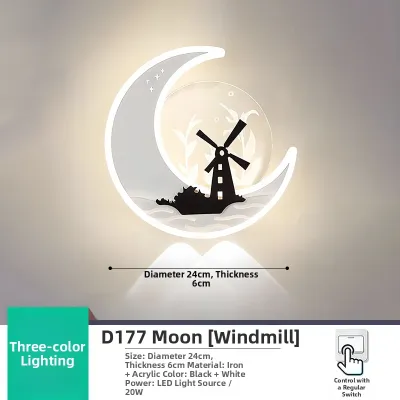
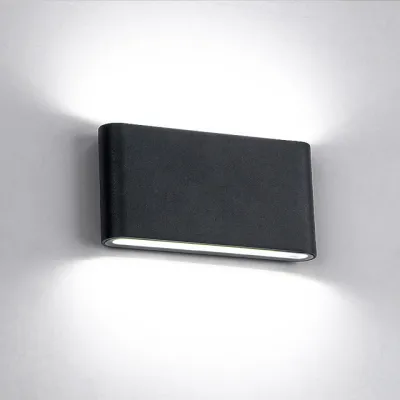
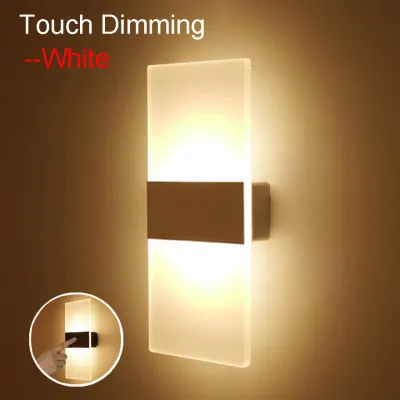
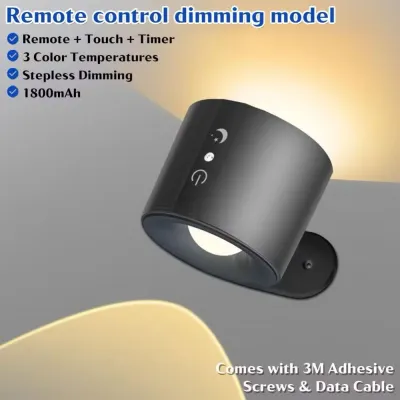
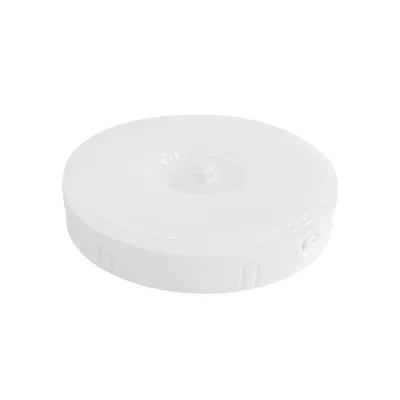
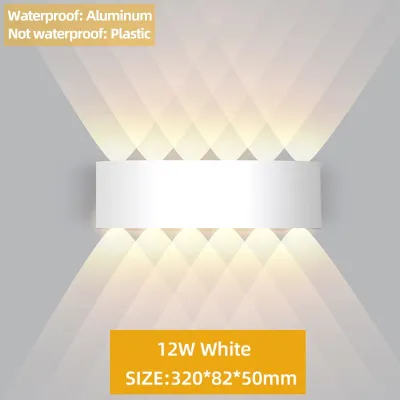
Prices are valid at publication and may change. Please refer to the product page for the latest price.
Optical Design and Glare Control
Corridors are narrow, high-traffic pathways where occupants constantly pass close to light sources. High-quality wall light brands prioritize optical design to prevent direct glare, which occurs when an exposed light source sits directly within your line of sight. Look for brands that design fixtures with recessed light sources, integrated baffles, or frosted diffusers that soften the light output.
Bi-directional wall lights (up-and-down lights) are highly effective for corridors. By directing light upward toward the ceiling and downward toward the floor, these fixtures wash the wall surfaces with indirect light. This optical distribution visually expands the width of a narrow hallway, eliminates harsh shadows, and reduces the Unified Glare Rating (UGR) of the space. Brands that publish photometrics and polar curves for their fixtures allow you to verify how light is distributed before making a purchase.
Build Durability and Driver Quality
The durability of an LED wall light is heavily dependent on its electronic driver, which regulates the power flowing to the LED chips. In corridors, lights are often left on for extended periods or subjected to rapid, frequent switching via motion sensors. This operational pattern puts significant thermal and electrical stress on the driver.
Reliable brands invest in high-grade electrolytic capacitors and robust thermal management systems. Cheap, unbranded fixtures often utilize low-quality drivers that degrade quickly under continuous use, leading to visible flickering, color shifting, or premature component failure. When evaluating brands, check the rated lifespan of the fixture—typically expressed as an L70/B50 rating (e.g., 50,000 hours)—and look for manufacturers that utilize drivers from reputable global electronics firms.
Smart Home Ecosystem Compatibility
Modern corridor lighting often integrates into broader smart home automation systems to enable hands-free operation, automated night-light scheduling, and energy savings. If you plan to automate your hallway lighting, you must verify the wireless protocol compatibility of the brands you are considering.
Some brands offer integrated smart wall lights that communicate directly via Zigbee, Thread, or Wi-Fi. These fixtures connect seamlessly to platforms like Apple Home, Google Home, or local smart hubs without requiring external smart switches. Alternatively, if you prefer traditional wall lights, ensure the fixtures are compatible with smart LED bulbs (such as GU10 or E27 smart lamps) or can be wired directly to smart wall switches. Brands that adhere to open standards like Matter offer the greatest flexibility for future smart home expansions.
Understanding Corridor Lighting Needs Before You Buy
Before selecting a specific brand or fixture model, you must analyze the spatial characteristics and functional requirements of your corridor. Hallways serve multiple purposes, from safe night-time navigation to displaying artwork, and each scenario demands a specific lighting approach.

Ambient vs. Task Lighting in Hallways
Achieving a well-lit corridor requires a strategic layering of ambient and task lighting to balance safety and visual interest.
- Ambient Lighting: This is the foundational layer of light that ensures safe movement through the hallway. It should provide uniform, low-glare illumination across the entire floor surface. Wall-mounted sconces that throw light horizontally or vertically can serve as the primary source of ambient light in corridors with low ceilings, where recessed downlights might create harsh, vertical shadows.
- Task Lighting: This focused layer is used to highlight specific functional areas or decorative features within the corridor. For example, if you have a console table near the entryway, a directional wall light can illuminate the key drop zone. If your corridor serves as a gallery for family photos or artwork, adjustable wall-mounted picture lights can provide targeted illumination with minimal spill.
By combining these layers, you avoid the flat, clinical feel of a single overhead light source while ensuring that steps, doorways, and obstacles remain clearly visible.
Color Temperature and Visual Comfort
The color temperature of your corridor lighting, measured in Kelvin (K), directly influences spatial perception and transition comfort between rooms.
- Warm White (2700K to 3000K): This range produces a cozy, inviting glow that mimics traditional incandescent lighting. It is highly recommended for residential corridors, particularly those leading to bedrooms, as it promotes relaxation and minimizes disruption to circadian rhythms during late-night navigation.
- Neutral White (4000K): This temperature offers a clean, crisp light that closely resembles natural daylight. It is ideal for modern, minimalist interiors and windowless corridors, as it makes small spaces feel larger, brighter, and more open. It also provides excellent color accuracy for viewing artwork.
- Cool White (6000K and above): This range should generally be avoided in residential corridors. The high blue-light content can feel clinical, harsh, and overly bright, creating uncomfortable visual transitions when moving from a softly lit living room or bedroom.
To maintain visual comfort, aim for consistency. Ensure the color temperature of your corridor wall lights matches or complements the adjacent rooms to avoid jarring shifts in light quality as you walk through your home.
Where to Find Reliable Wall Light Brands in Singapore
Navigating the lighting retail landscape in Singapore requires understanding the distinct advantages of different sourcing channels. You can choose between established global manufacturers and specialized local showrooms, depending on your project budget, customization needs, and design preferences.
Established Global Lighting Manufacturers
For homeowners seeking standardized quality, reliable warranties, and readily available technical specifications, global lighting manufacturers are the benchmark. Brands such as Signify (formerly Philips Lighting), Megaman, Ledvance (Osram), and Panasonic have a long-standing presence in the Singapore market.
These manufacturers design products that comply with international performance standards and local electrical requirements. Their fixtures feature highly efficient LED modules, reliable thermal management, and comprehensive documentation. Furthermore, global brands offer structured, multi-year warranties that are backed by local customer service centers, making it straightforward to secure replacements or technical support.
Products from these manufacturers are widely accessible across Singapore. You can find them at major home improvement retailers, authorized electrical supply merchants, and official online flagship stores. This widespread availability makes them an excellent choice for straightforward residential installations where consistency and reliability are paramount.
Specialized Local Lighting Showrooms
If your corridor requires a more tailored architectural solution, specialized local lighting showrooms offer curated selections of design-forward and niche international brands. Areas such as Balestier Road, Jalan Besar, and dedicated design districts house numerous showrooms that cater to homeowners, interior designers, and architects.
Visiting a specialized showroom provides several unique benefits:
- Professional Lighting Consultation: Showroom consultants can analyze your floor plans, evaluate your interior design style, and recommend specific fixture packages that optimize light distribution and aesthetic harmony.
- Access to Premium and Niche Brands: These retailers often hold exclusive distribution rights for European, Japanese, or boutique designer brands that are not available in mass-market hardware stores.
- Customization Options: Many local showrooms can customize fixtures to suit your specific installation environment, such as modifying driver configurations to match your home's dimming system or altering backplate finishes to match your hardware.
While boutique brands sourced through local showrooms typically carry a premium price point, they offer unparalleled design flexibility and a high level of personalized service for custom home renovations.
Verifying Safety Standards and Brand Reliability
In Singapore’s high-density residential environments, electrical safety is a critical consideration. Before purchasing any wall light fixture, you must verify that the product and its brand meet local safety regulations and are built to withstand the local climate.
The Singapore Safety Mark
The most critical safety verification for any electrical product in Singapore is the Safety Mark, which is administered by Enterprise Singapore under the Consumer Protection (Safety Requirements) Scheme. For LED wall lights, the LED driver (the power adapter that converts mains voltage to low-voltage DC) is classified as a controlled item.
Before finalizing your purchase, verify that the LED driver supplied with the wall light carries the Safety Mark logo along with a unique 8-digit certification number. This mark indicates that the component has been independently tested and certified to meet Singapore’s stringent electrical safety standards, protecting your home from electrical fires, short circuits, and electrocution hazards. Be cautious when purchasing fixtures directly from overseas online marketplaces, as these products often bypass local safety testing and may not feature compatible or certified drivers.
Ingress Protection (IP) Ratings
While corridors are indoor spaces, Singapore’s tropical climate introduces high levels of relative humidity, which can affect electrical components. Furthermore, corridors adjacent to bathrooms, kitchens, or semi-outdoor balconies are exposed to moisture, steam, and occasional wind-blown rain.
You must check the Ingress Protection (IP) rating of the wall light to ensure it is suitable for its specific placement environment:
- IP20: This is the standard rating for dry, indoor areas. It protects against solid objects larger than 12.5mm (such as fingers) but offers no protection against water ingress. This rating is perfectly adequate for fully enclosed, dry corridors.
- IP44: This rating protects against solid objects larger than 1mm and splashes of water from any direction. If your corridor is situated near a bathroom door where steam accumulates, or runs along an open-air common walkway or balcony, select fixtures with at least an IP44 rating to prevent moisture from corroding the internal circuitry.
Warranty and After-Sales Support
A brand’s reliability is reflected in its warranty terms and the availability of replacement parts. When purchasing wall lights, review the manufacturer’s warranty policy carefully:
- Warranty Duration: Look for brands that offer a minimum of a 1-year warranty, with premium architectural brands often providing 3 to 5 years of coverage.
- Local Support: Confirm whether the warranty is serviced by a local distributor in Singapore. A local service center ensures that if a component fails, you can obtain a replacement quickly without waiting weeks for international shipping.
- Component Replaceability: Determine if the LED light source and driver are integrated or replaceable. In many modern slim wall lights, the LED module is integrated into the chassis. If the light fails, the entire fixture must be replaced. Brands that design fixtures with replaceable, standardized LED drivers or standard bulb sockets (such as GU10 or G9) offer much better long-term maintainability, as you only need to replace the failed component rather than the entire decorative housing.
Installation Boundaries and Routine Maintenance
To ensure your corridor wall lights perform optimally and operate safely over their lifespan, you must adhere to correct installation practices and perform regular maintenance.
Pre-Purchase Compatibility Checks
Before purchasing any wall light, conduct a thorough check of your physical installation site to avoid compatibility issues:
- Voltage Compatibility: Ensure the fixture is rated for Singapore’s standard mains voltage of 230V AC at 50Hz.
- Wall Box Dimensions: Singapore homes typically utilize British Standard (BS 4662) flush-mounted square wall boxes (approximately 3 inches by 3 inches). Verify that the mounting bracket and backplate of the wall light are wide enough to completely cover the wall box opening and that the mounting screw holes align.
- Protrusion and Clearance: Measure the width of your corridor. In narrow hallways, select slim-profile or flush-mount wall lights that protrude no more than 100mm from the wall. This prevents occupants from accidentally bumping into the fixtures while carrying items through the corridor.
Licensed Electrical Worker (LEW) Requirements
In Singapore, electrical safety is strictly regulated. Under the Electricity Act, all fixed electrical wiring work must be performed by a Licensed Electrical Worker (LEW) registered with the Energy Market Authority (EMA).
- Hardwired Installations: If your wall lights require direct connection to the building’s fixed wiring (hardwired), you must engage a licensed electrician to perform the installation. This includes running new electrical conduits, installing wall boxes, connecting the fixture to the mains power, and modifying existing light switches.
- Safety Boundaries: Attempting to perform DIY electrical wiring on fixed installations is illegal in Singapore and poses severe risks of electrical shock, short circuits, and voiding your home insurance policies. The only exception is the simple replacement of a plug-on-plug appliance or changing a user-replaceable light bulb in an existing socket, provided the power is isolated first.
- Power Isolation: Before any maintenance or inspection of an existing fixture, always isolate the power at the main Consumer Unit (DB box) by switching off the corresponding circuit breaker, rather than relying solely on the wall switch.
Routine Cleaning and Maintenance
Dust and airborne particles naturally accumulate on wall light fixtures over time, which can reduce light output, alter heat dissipation, and degrade the aesthetic finish. Follow these guidelines to maintain your fixtures:
- Isolate Power: Always turn off the wall switch and, if possible, isolate the circuit at the DB box before cleaning.
- Dusting: Use a clean, dry, anti-static microfiber cloth to gently wipe the exterior of the fixture. Dusting should be done every two to four weeks to prevent buildup.
- Material-Specific Care:
- Powder-Coated Aluminum/Metal: Wipe with a slightly damp microfiber cloth. Avoid abrasive sponges or harsh chemical cleaners, which can strip the protective coating.
- Brass/Copper: Use a dry cloth. If the metal is unlacquered and begins to tarnish, use a specialized metal polish recommended by the manufacturer, applying it sparingly to avoid contacting electrical terminals.
- Glass/Acrylic Diffusers: Remove the diffuser if the design allows, wash it in warm soapy water, dry it completely, and reinstall it. Ensure no moisture remains on the component before restoring power.
Frequently Asked Questions (FAQ)
Do corridor wall lights need to be dimmable?
While not strictly mandatory, dimmable wall lights offer significant benefits for corridors. Dimming allows you to adjust the light levels based on the time of day, reducing eye strain during late-night use and creating a softer transition between rooms. To implement dimming successfully, you must verify that both the light fixture (specifically the LED driver) and the bulb are explicitly labeled as dimmable. Furthermore, you must ensure that your wall dimmer switch is compatible with the specific dimming technology used by the fixture, such as trailing-edge, leading-edge, or 0-10V dimming.
Can I install indoor wall lights myself in Singapore?
No, you cannot perform the electrical wiring for fixed, hardwired wall lights yourself. In Singapore, any work involving fixed electrical wiring, including installing new wall lights, modifying circuits, or replacing hardwired fixtures, must legally be carried out by a Licensed Electrical Worker (LEW) registered with the Energy Market Authority (EMA). DIY installation is only permissible for simple plug-in fixtures that connect directly to an existing wall socket. For all hardwired installations, always engage a qualified professional to ensure compliance with local safety codes and to protect your home’s electrical integrity.

Community discussion
Share your experience or ask a question. Comments are reviewed before publication.