
When a sudden power trip or localized blackout occurs in a Singapore HDB flat, having a dependable emergency light or portable flash light makes the difference between a minor inconvenience and a serious safety hazard. Finding a trustworthy brand requires looking past marketing claims and focusing on verifiable technical specifications, battery chemistry, and local safety compliance. Because residential layouts and household needs vary, the ideal emergency lighting setup combines fixed plug-in units with highly portable, focused-beam flash lights.
Evaluating the reliability of these safety devices involves understanding how they are built, how their batteries degrade over time, and how they perform under continuous electrical connection. By focusing on observable quality indicators and safety certifications, you can select robust lighting solutions that remain fully functional when you need them most.
Key Criteria for Evaluating Brand Reliability
Battery technology is the most critical factor determining the long-term reliability of any emergency light. Modern manufacturers generally utilize either lithium-ion (Li-ion) or sealed lead-acid (SLA) batteries. Lithium-ion batteries are highly suitable for modern HDB flats because they offer superior energy density, a lower self-discharge rate, and a longer overall service life. However, they require a sophisticated battery management system to monitor voltage and temperature. Sealed lead-acid batteries are heavier, bulkier, and degrade rapidly if left in a discharged state for extended periods, making them less practical for compact residential use.
Products mentioned in this guide
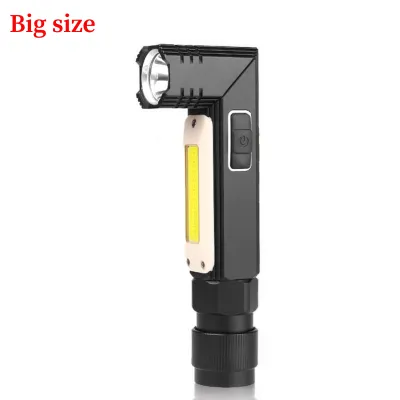
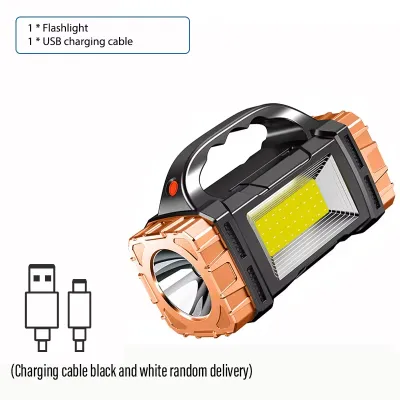
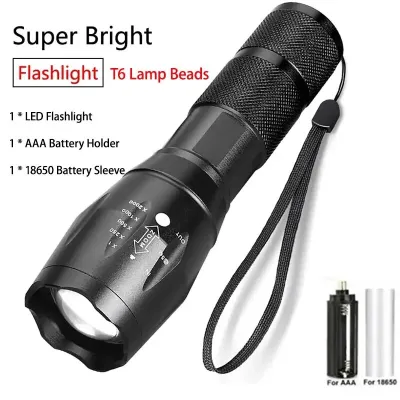
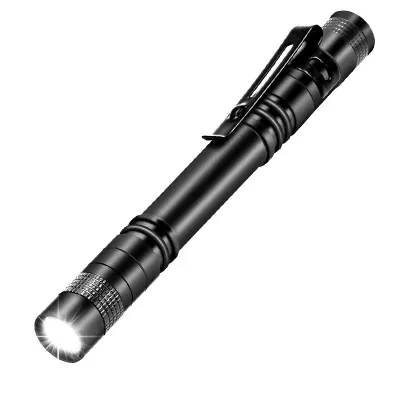
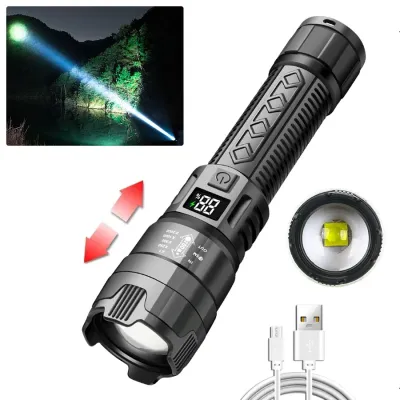
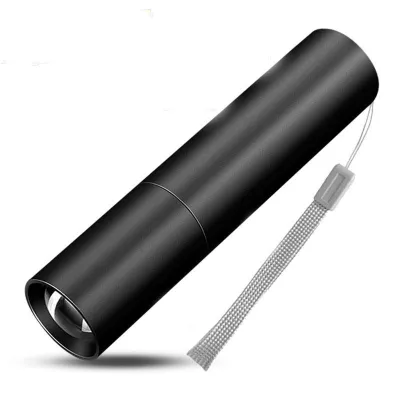
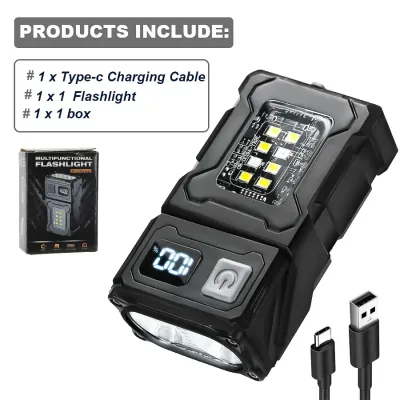
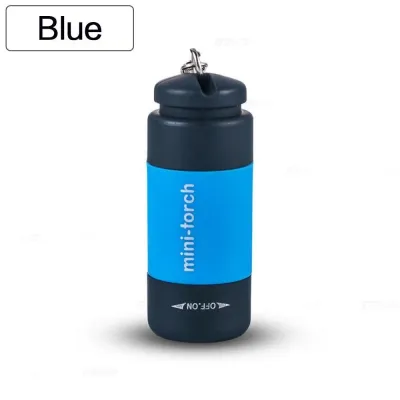
Prices are valid at publication and may change. Please refer to the product page for the latest price.
Build quality and material selection directly impact how well an emergency light survives accidental drops or prolonged storage. Reliable brands construct their casings from impact-resistant plastics such as ABS or polycarbonate, which resist cracking and warping. In Singapore’s warm and humid climate, heat dissipation is another crucial design factor. Poorly engineered casings trap heat during the charging cycle, which accelerates battery degradation and shortens the operational lifespan of the internal components.
Warranty terms and local after-sales support serve as strong indicators of a manufacturer’s confidence in their product. Look for brands that offer a clear warranty period, typically ranging from one to two years, backed by an established distributor or service center in Singapore. This local presence ensures you can easily obtain replacement parts, seek technical assistance, or safely return a malfunctioning unit, rather than having to discard the entire device if a minor fault occurs.
Lumen output consistency and battery degradation patterns must also be carefully evaluated. Trustworthy brands provide transparent specifications detailing both the initial brightness and the sustained runtime on a single charge. Be cautious of products that advertise exceptionally high lumen ratings without specifying how quickly that brightness steps down to prevent overheating or battery drain. Over a multi-year lifespan, all rechargeable batteries experience capacity loss; reliable brands design their circuitry to maintain a stable, usable light output even as the battery capacity naturally declines.
Matching Lighting Needs to HDB Layouts
Kitchens and utility yards are high-risk zones during a power outage due to the presence of sharp utensils, hot surfaces, and major appliances. For these areas, high-lumen, hands-free, or wall-mounted emergency lights are highly recommended. A plug-in unit that automatically activates the moment mains power is cut allows you to safely navigate the space, turn off active cooking appliances, and locate the main distribution board to check for tripped circuit breakers.

Bedrooms and living rooms require a different approach to emergency illumination. In these compact, shared spaces, harsh and direct glare can be disorienting, especially if you are suddenly awakened in total darkness. Opt for emergency lamps that feature diffused covers or adjustable brightness settings. Warm white or neutral white color temperatures are much gentler on the eyes during extended outages than cold, blue-toned light, helping to maintain a calm environment for children and elderly family members.
Corridors and stairwells demand focused, directional lighting to facilitate safe movement. Portable LED flash lights with a concentrated spotlight beam are essential for navigating dark common corridors or concrete escape stairwells during building-wide power failures. These portable units should be stored in highly visible, easily accessible locations near the main entrance or bedside tables so they can be retrieved instantly without fumbling in the dark.
Space-saving designs and versatile mounting options are vital for typical HDB flats where storage and wall space are at a premium. Compact, low-profile plug-in emergency lights that sit flush against the wall prevent accidental bumps in narrow hallways. For portable flash lights, models equipped with magnetic bases, integrated hanging hooks, or lanyard loops offer convenient, space-saving storage options that keep the light within arm’s reach.
Safety Certifications and Electrical Specs to Verify
Before purchasing any plug-in or rechargeable emergency light for use in Singapore, you must verify its electrical compatibility and safety certifications. Any device connected directly to the mains power must be rated for Singapore’s standard 230V/50Hz electrical grid. Look for the Safety Mark issued by the local safety authority, which indicates that the product has undergone rigorous testing and complies with established safety standards for domestic electrical appliances.
Inspect the physical plug and power cable thoroughly before plugging the device into a wall socket. Ensure the unit is fitted with a compliant 3-pin Type G plug that fits securely into local outlets. The power cable should have adequate insulation thickness and robust strain relief at both the plug end and the device entry point to prevent internal wires from fraying, short-circuiting, or exposing live electrical currents over time.
Ingress Protection (IP) ratings are essential if you plan to position emergency lights in areas prone to moisture, humidity, or occasional water splashes, such as service yards, near bathrooms, or close to kitchen sinks. An IP22 rating provides basic protection against vertically falling water drops when the device is tilted, while higher ratings like IP44 or IP65 offer superior resistance to dust and moisture, ensuring the internal electronics remain dry and safe from corrosion.
Advanced internal protection mechanisms are critical for devices that remain connected to the electrical grid indefinitely. Ensure the product specifications explicitly list overcharge protection, over-discharge protection, and thermal cutoff mechanisms. These integrated battery management systems prevent the battery from overheating, swelling, or experiencing thermal runaway during continuous charging, which is a vital safety consideration for any household.
For fixed-wire emergency exit signs or bulkhead lights installed in larger flats or home offices, always isolate the power at the main distribution board before attempting any installation or maintenance. Fixed electrical wiring must comply with local regulations and should be carried out by a licensed electrical worker to prevent electrical shocks, short circuits, or fire hazards.
Pre-Purchase Checklist and Maintenance Routine
To ensure your emergency lighting system remains fully operational when a crisis occurs, use a structured pre-purchase checklist to compare candidate models. Create a simple comparison matrix focusing on battery capacity (measured in milliampere-hours or Watt-hours), the manufacturer’s stated charging time, and the estimated runtime on both high and low settings. This systematic approach helps you identify which unit offers the best balance of performance and efficiency for your specific household layout.
Proper battery conditioning is essential to prolonging the lifespan of your emergency lights. When purchasing a new unit, always follow the manufacturer’s instructions regarding the initial charge cycle, which often requires leaving the device plugged in uninterrupted for 12 to 24 hours. To maintain battery health over time, establish a routine of performing a manual discharge test every three to six months by unplugging the unit and letting it run on battery power for a short period before recharging it fully.
Regular physical inspections are necessary to detect early signs of wear or component failure. Examine the outer casing for any hairline cracks, warping, or discoloration caused by heat. Test the responsiveness of the power switch and check the battery compartment contacts for any signs of corrosion, rust, or white powdery residue, which can disrupt the electrical connection and render the device useless during an emergency.
Knowing when to retire an emergency light is crucial for household safety. If you observe the casing swelling, the unit becoming excessively hot to the touch during charging, or the battery failing to hold a charge for more than a few minutes, stop using the device immediately. Unplug the unit safely and dispose of it at an authorized e-waste recycling point in Singapore to prevent environmental contamination and potential fire hazards.
Frequently Asked Questions (FAQ)
Can I leave my plug-in LED emergency light connected to the socket 24/7?
Yes, high-quality plug-in LED emergency lights are designed to remain connected to the wall socket continuously. These units feature built-in smart charging circuits that automatically stop drawing power once the battery is fully charged, switching instead to a minimal standby mode. However, you must ensure the device is certified with a local Safety Mark and check it periodically for signs of battery swelling or excessive heat, which indicate a malfunctioning charging circuit.
How often should I test my portable LED flash light and emergency lamps?
You should perform a basic functional test on your portable LED flash lights and emergency lamps at least once every three months. Turn the devices on to verify that the LEDs illuminate at full brightness and that the switches operate smoothly. Every six months, conduct a deeper discharge test by running the lights on battery power for about 30 minutes to ensure the battery retains its capacity, then recharge them fully according to the manufacturer’s instructions.

Community discussion
Share your experience or ask a question. Comments are reviewed before publication.