
Selecting the right LED lantern light for a Housing & Development Board (HDB) flat in Singapore requires balancing compact design, reliable emergency performance, and local safety compliance. Because HDB flats feature unique layouts—ranging from cozy two-room Flexi units to spacious executive apartments—your lighting needs will vary depending on whether you are preparing for a rare power outage, lighting up a dark service yard, or hosting a gathering on a balcony. Selecting a reliable brand involves looking beyond basic brightness claims to evaluate battery safety, local warranty support, and physical storage footprints.
In Singapore’s high-density residential environment, a portable light source must be highly efficient and easy to store. Unlike landed properties with large garages or dedicated storage sheds, HDB flats demand smart space utilization. A dependable LED lantern serves as a multi-functional tool, acting as an emergency beacon during electrical maintenance, a portable work light for DIY home repairs, or an ambient light source for outdoor corridors and service yards. By focusing on verified specifications and local compliance, you can find a brand that delivers long-term reliability without cluttering your living space.
Core Selection Criteria for HDB Layouts
When choosing an LED lantern light for an HDB flat, the first step is to assess the appropriate brightness, measured in lumens, relative to your room dimensions. For a typical HDB living room, which generally spans 20 to 30 square meters, an emergency light source does not need to mimic full daylight. Instead, an ambient output of 200 to 300 lumens is usually sufficient to illuminate the entire space safely, allowing family members to navigate without tripping. For focused task lighting, such as cooking in the kitchen, working in the household shelter, or reading in a bedroom, a concentrated beam of 100 to 150 lumens is highly effective.
Products mentioned in this guide
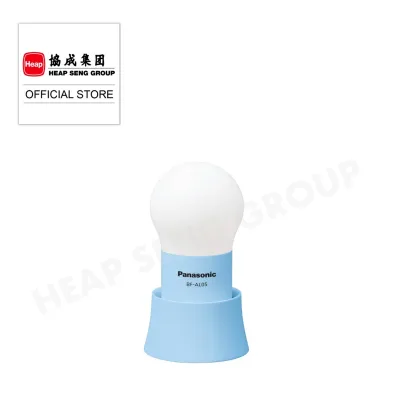
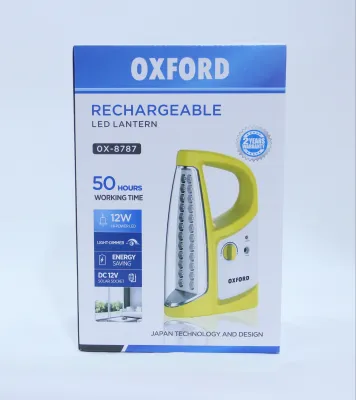
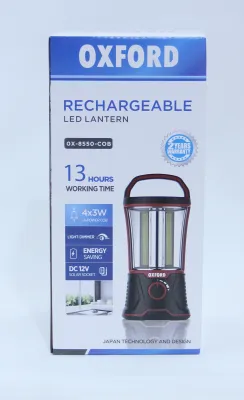
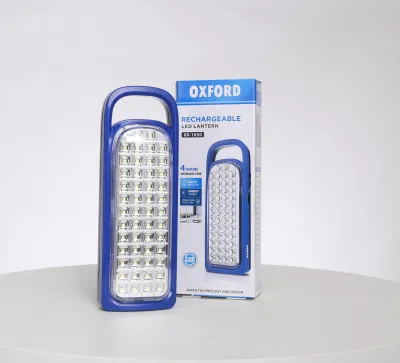
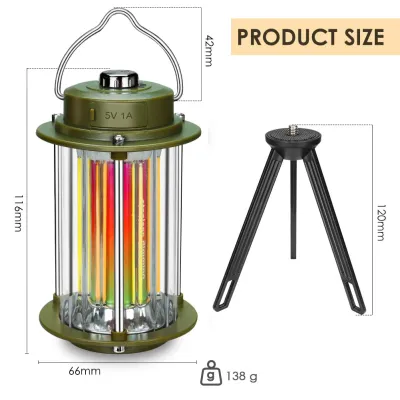
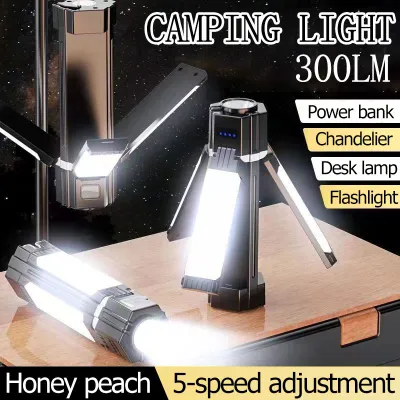
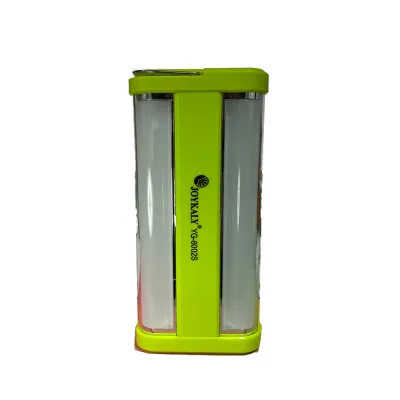
Prices are valid at publication and may change. Please refer to the product page for the latest price.
Physical footprint and storage efficiency are equally critical in compact HDB layouts. Storage space is often at a premium, with many households relying on a single utility closet or the designated household shelter to store emergency supplies. Look for LED lanterns that feature collapsible, folding, or modular designs. Bellows-style lanterns can compress to a fraction of their fully extended height, while flat-folding models slide easily into shallow drawers or hang neatly on utility pegboards. Lightweight designs are also easier to handle, especially if you need to carry them for extended periods or hang them from temporary fixtures.
The quality of light is another vital consideration, particularly in smaller, multi-purpose living spaces where harsh glare can quickly cause eye strain. While cool white light (6000K and above) is often associated with high visibility, it can feel clinical and overly intense in tight quarters. Many homeowners prefer warm white (2700K to 3000K) or neutral white (4000K) color temperatures, which create a more comfortable and calming atmosphere during a power outage. To minimize direct glare, prioritize lanterns equipped with frosted, milky, or textured diffusers. These diffusers scatter the light evenly across the room rather than projecting a harsh, direct beam that can blind anyone looking toward the lantern.
It is important to treat decorative style, perceived color temperature, and spatial effects as conditional preferences rather than universal performance facts. While some prefer the cozy ambiance of warm light, others may find cool white more practical for task-oriented visibility. The right choice depends entirely on your household’s specific activities and layout.
Mandatory Safety and Compliance Checks
Safety must be your top priority when introducing any battery-operated or mains-powered electrical appliance into your home. In Singapore, the Consumer Product Safety Office, managed by Enterprise Singapore, regulates key household electrical appliances. While portable, low-voltage battery-operated lanterns themselves may not always require a SAFETY Mark, any accompanying mains-powered charging adapters, wall plugs, or smart charging docks absolutely must carry a valid SAFETY Mark. This certification ensures the adapter has undergone rigorous testing to withstand local voltage fluctuations (typically 230V at 50Hz) and will not pose a fire or shock hazard.

The internal battery chemistry of the lantern requires careful scrutiny, especially given Singapore’s warm and humid tropical climate. Most modern LED lanterns utilize rechargeable lithium-ion (Li-ion) or lithium polymer (Li-Po) batteries due to their high energy density and lightweight profile. However, these batteries require robust internal protection mechanisms. Ensure the brand specifies the inclusion of a Battery Management System (BMS) or protective circuitry that guards against overcharging, over-discharging, short circuits, and thermal runaway. For maximum safety, some users prefer brands that utilize Lithium Iron Phosphate (LiFePO4) batteries, which offer superior thermal stability and a significantly longer cycle life, though they may carry a slightly higher initial cost.
If you plan to use your LED lantern in semi-outdoor areas of your HDB flat, such as service yards, open balconies, or common corridors, you must verify the product’s Ingress Protection (IP) rating. These areas are frequently exposed to wind-blown rain, high humidity, and airborne dust. A standard indoor lantern with an IP20 rating offers no protection against moisture and can easily short-circuit if exposed to damp air. For semi-outdoor environments, look for a minimum rating of IPX4, which protects against splashing water from any direction. If the lantern is likely to face direct rain or heavy dust, upgrading to an IP65-rated model ensures complete dust tightness and protection against low-pressure water jets.
Additionally, while portable lanterns are highly versatile, any installation of fixed charging docks or mounting brackets in damp areas like service yards must respect strict safety boundaries. Always isolate the power supply before mounting, strictly follow the manufacturer’s installation instructions, and consult a qualified professional if any fixed electrical wiring or structural drilling at height is required.
Evaluating Brand Reliability and Local Support
Investing in a reputable brand with an established local presence in Singapore offers significant advantages over purchasing unbranded, generic imports. Reliable brands typically maintain official flagship stores, authorized local distributors, or dedicated service centers within the country. This local infrastructure ensures that if you encounter a technical issue, you can easily access professional support without having to ship the product overseas. It also guarantees that replacement parts, such as proprietary charging cables or replacement battery packs, are readily available when needed.
Warranty terms serve as a strong indicator of a manufacturer’s confidence in their product’s durability. When comparing brands, look for explicit warranty policies that cover key components, including battery degradation, LED lifespan, and general manufacturing defects. A standard one-year local warranty is common, but premium brands may offer extended coverage of up to three or five years. Be sure to read the fine print: some warranties exclude the battery pack or limit coverage if the product is stored unused for long periods. A brand that clearly outlines its warranty claim process and provides a local contact number or email address is far more dependable than one offering vague “seller warranties” on third-party platforms.
Before making a final decision, take the time to review verified feedback from local Singaporean buyers. Online reviews on local e-commerce platforms and community forums can provide invaluable insights into how a lantern performs under real-world conditions. Look for comments addressing how well the battery holds its charge when stored in a humid household shelter, whether the plastic casing becomes sticky or brittle over time in Singapore’s climate, and how responsive the local distributor is when handling warranty claims. Consistent complaints about premature battery failure or poor customer service are clear warning signs to avoid a particular brand.
Practical Features for Emergencies and Daily Use
The utility of an LED lantern during an emergency or daily household chore depends heavily on its practical design features. Charging versatility is paramount; in an HDB setting, a lantern that supports multiple charging methods offers the greatest peace of mind. USB-C has rapidly become the industry standard, allowing you to charge your lantern using the same cable and wall adapter as your modern smartphone or tablet. Some advanced lanterns also feature a USB-A output port, transforming the lantern into a temporary power bank to top up your mobile phone during a prolonged blackout. While mains charging is faster, having the option to charge via a portable power bank or a laptop USB port adds a crucial layer of flexibility.
Adaptable lighting modes allow you to customize the lantern’s output to suit different scenarios while managing battery consumption. A high-quality lantern should offer adjustable brightness levels, either through discrete steps (low, medium, high) or a stepless dimming dial. A low-power “eco” or “night light” mode (typically 5 to 15 lumens) is incredibly useful for maintaining continuous illumination overnight without draining the battery. Additionally, look for models with a memory function that remembers your last-used brightness setting, preventing the lantern from blinding you with maximum brightness when turned on in the middle of the night.
Ergonomic mounting and placement options greatly enhance hands-free usability. HDB flats are filled with metal surfaces, from steel main gates and window grilles to metal door frames and utility shelving. An LED lantern equipped with a strong magnetic base can be easily snapped onto these surfaces, instantly converting a portable light into an overhead fixture. Other useful mounting features include integrated carabiners or folding hooks for hanging from clothes drying racks in the service yard, and stable, non-slip rubber bases that prevent the lantern from tipping over when placed on a dining table or kitchen countertop.
Purchasing Channels and Pre-Purchase Verification
Sourcing your LED lantern from the right channel is essential to ensure you receive an authentic product backed by a valid local warranty. Established local hardware stores and home improvement centers across Singapore offer the advantage of physical inspection, allowing you to feel the build quality, test the weight, and verify the brightness before spending any money. Alternatively, purchasing from official brand stores or authorized distributors on major e-commerce platforms provides convenience while ensuring product authenticity.
When shopping on third-party online marketplaces, exercise caution to avoid counterfeit or substandard goods. Always verify the seller’s credentials by checking for official store badges, which indicate a track record of reliable service and authentic products. Read the seller’s return policy carefully and look at the overall rating and volume of successful transactions. If a deal seems too good to be true—such as a premium brand lantern sold at a fraction of its retail price—it is highly likely to be a counterfeit or a parallel import lacking local warranty coverage.
Once your lantern is delivered or purchased, perform an immediate physical inspection to ensure everything is in perfect working order. Unbox the unit and check for any signs of physical damage, such as cracks in the casing or loose internal components. Connect the included charging cable to verify that the charging port aligns correctly and that the charging indicator light functions as described in the manual. Test all lighting modes, dimming functions, and mounting accessories. Finally, review the instruction manual to understand the recommended initial charging time and any specific battery maintenance guidelines to maximize the lifespan of your new light.
Frequently Asked Questions (FAQ)
Can I leave my LED lantern plugged in continuously as a backup light? (FAQ)
Leaving an LED lantern permanently plugged into a mains charger is generally not recommended unless the manufacturer explicitly states that the device features an advanced smart charging circuit with an automatic cut-off. Continuous charging on basic models can lead to trickle-charging stress, which accelerates battery degradation and, in severe cases, can cause lithium-ion batteries to swell or overheat. To maintain optimal battery health, it is best to charge the lantern fully, unplug it, and store it in a cool, dry place. For emergency preparedness, set a reminder to discharge the battery partially and recharge it to full capacity once every three to six months.
Are solar-powered LED lanterns practical for HDB corridors or balconies? (FAQ)
Solar-powered LED lanterns have limited practicality in typical HDB flats due to the architectural design of high-rise residential buildings. Most HDB corridors, service yards, and balconies are deeply shaded by overhead concrete slabs and neighboring blocks, receiving very little direct sunlight. Solar panels require direct, unshaded sunlight to charge efficiently; ambient daylight or shadow-cast areas will result in extremely slow charging times that may take several days to achieve a full charge. While a solar panel can serve as a secondary backup option, relying on USB or mains charging remains the only practical and reliable method for daily or emergency use in Singapore.
How do I safely dispose of a lantern with a built-in lithium battery? (FAQ)
You must never dispose of an LED lantern containing a built-in lithium battery in your standard HDB rubbish chute or general household waste bins. Damaged, crushed, or punctured lithium batteries pose a severe fire hazard and can release toxic chemicals into the environment. In Singapore, the National Environment Agency (NEA) manages a nationwide e-waste recycling scheme. You can safely dispose of your old lantern by dropping it into designated e-waste collection bins, which are widely available at community clubs, supermarkets, and electronics retail stores across the island. Alternatively, check if the brand or retailer offers a take-back or recycling program for their end-of-life products.

Community discussion
Share your experience or ask a question. Comments are reviewed before publication.