
Selecting a dependable portable solar light for your Housing & Development Board (HDB) flat requires looking beyond generic marketing claims and focusing on verifiable safety standards, battery specifications, and practical charging configurations. While power outages in Singapore are relatively rare, localized grid disruptions, substation maintenance, or internal distribution board trips can leave your household in the dark. Relying solely on solar energy in a high-rise residential environment presents unique challenges, making it essential to understand how to evaluate brands and product designs before making a purchase.
Rather than searching for a single universal brand, the most effective approach is to build a customized shortlist based on your flat’s layout, available sunlight, and specific safety requirements. By focusing on technical features such as hybrid charging interfaces, battery chemistry, and certified protection circuits, you can ensure your household remains safe and well-lit during an emergency. This guide provides a structured framework to help you evaluate portable solar light brands and integrate them seamlessly into your home emergency plan.
Assessing Your HDB Emergency Lighting Needs
To determine the right emergency lighting setup, you must first evaluate the physical layout and spatial constraints of your HDB flat. A standard three-room, four-room, or five-room flat features distinct zones that require different lighting strategies during a blackout. For instance, high-traffic areas like the living room and corridors require broad, ambient illumination to prevent tripping hazards, while utility spaces, kitchens, and bathrooms require targeted task lighting to facilitate safe movement and basic household chores.
Products mentioned in this guide
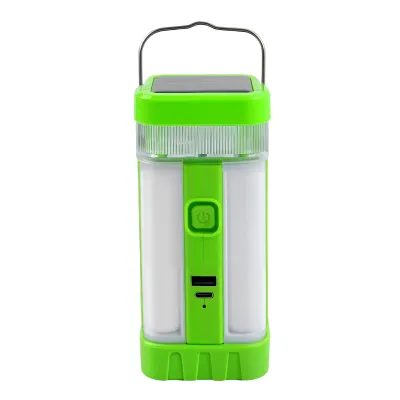
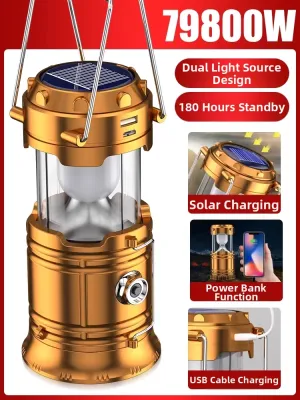
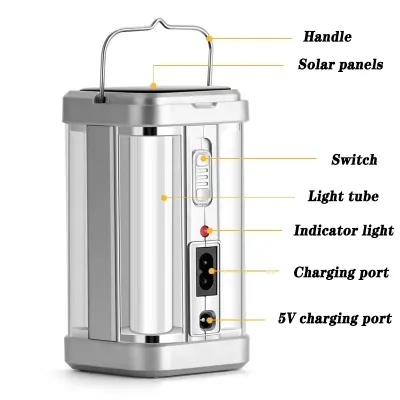
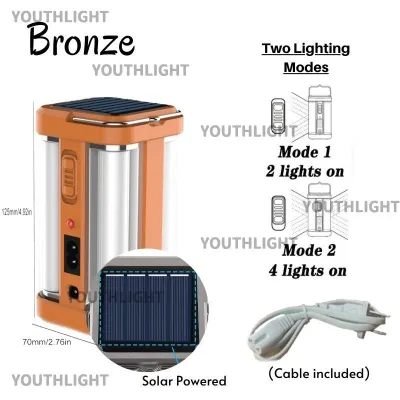
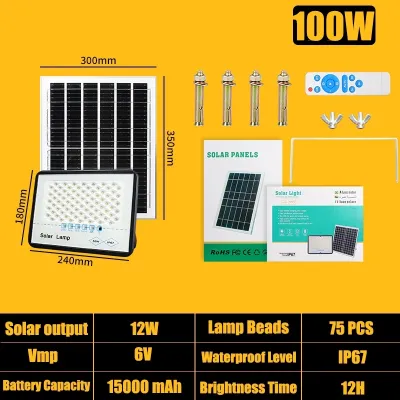
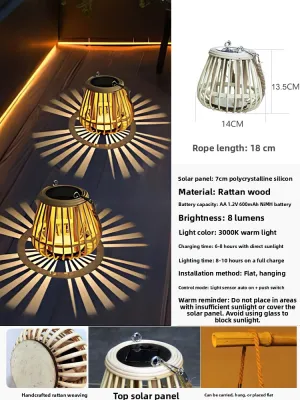
Prices are valid at publication and may change. Please refer to the product page for the latest price.
Special attention should be paid to the household shelter, commonly used as a storeroom in modern HDB layouts. Because these shelters are constructed with thick, reinforced concrete walls and lack windows, they become entirely pitch-black during a power failure. Placing a dedicated, easily accessible portable light near the shelter door ensures you can navigate this space safely without relying on ambient light from other rooms.
Estimating the required battery runtime depends on the typical duration of local power disruptions. While most localized outages in Singapore are resolved within a few hours, preparing for a sustained disruption of four to eight hours is a prudent baseline. Your backup lights should be capable of operating continuously at a usable brightness level for at least this duration without requiring a recharge.
Sunlight exposure varies significantly across different HDB flat designs and orientations. Units with open, West-facing balconies receive substantial direct sunlight, making solar charging highly feasible. Conversely, lower-floor units, corridor-facing flats, or homes shaded by neighboring blocks or nearby trees may receive only indirect or highly filtered light. Understanding your flat’s specific solar access is crucial, as it dictates whether you can rely solely on solar charging or if you must prioritize hybrid models that support alternative charging methods.
Essential Features for Dependable Portable Solar Lights
When comparing portable solar lights, the battery capacity and chemistry are the most critical specifications to verify. Look for manufacturers that specify the battery capacity in milliampere-hours (mAh) or watt-hours (Wh) alongside realistic runtime estimates. High-quality portable lanterns typically feature lithium-ion or lithium iron phosphate (LiFePO4) batteries, which offer stable energy discharge rates and longer lifespans compared to older nickel-metal hydride (NiMH) alternatives.

Because direct sunlight can be inconsistent in high-rise urban environments, hybrid charging capability is an indispensable feature. Ensure the solar light includes a secondary input interface, such as a USB-C or micro-USB port, allowing you to charge the device directly from your home wall outlet under normal conditions. This ensures the light is fully charged and ready for use, leaving the solar panel as a secondary backup option when grid power is unavailable.
Verify the input voltage requirements of the charging interface, which is typically 5V DC for standard USB devices, to ensure compatibility with your existing home wall adapters. It is also wise to check the physical dimensions and weight of the unit; a backup light should be compact enough to store in an easily accessible drawer but stable enough to stand upright on a flat surface without tipping over.
Lumen output determines the brightness of the light, and having adjustable lighting modes is highly beneficial. A high-brightness mode of 200 to 300 lumens is ideal for illuminating an entire room, while a low-power eco-mode of 20 to 50 lumens is sufficient for overnight standby use and significantly extends battery life. Some models also offer a directional beam mode, allowing the unit to function as a standard flashlight for targeted navigation.
If you plan to store or charge your solar light in semi-outdoor areas like a service yard or an open balcony, verify the unit’s Ingress Protection (IP) rating. An IP44 rating indicates resistance to water splashes from any direction, which is essential for protecting the internal electronics from sudden rain or high humidity. For harsher outdoor exposure, look for an IP65 rating, which provides complete protection against dust and low-pressure water jets.
How to Evaluate Solar Light Brands for Safety and Reliability
Evaluating the safety and reliability of portable solar light brands requires a close inspection of product certifications and manufacturing standards. Because these devices contain lithium batteries and are often left to charge in direct sunlight, they must feature robust built-in protection circuits. These circuits prevent dangerous conditions such as overcharging, over-discharging, short circuits, and thermal runaway.
Inspect product packaging, user manuals, and official brand listings for recognized international safety certifications. Look for markings such as CE, RoHS, and UN38.3, the latter of which specifically certifies that the lithium battery has undergone rigorous safety testing for transport and operation. If the brand packages the solar light with a dedicated AC wall charger, verify that the charger carries the Safety Mark issued by the Consumer Product Safety Office in Singapore, ensuring it meets local electrical safety requirements.
Review the manufacturer’s warranty terms to gauge the brand’s confidence in their product’s durability. A reputable brand should offer at least a 12-month warranty that explicitly covers battery degradation, solar panel defects, and structural failures under normal use. Be cautious of generic, unbranded products sold on online marketplaces that offer only a standard seven-day return policy, as these often lack long-term product support and replacement parts.
Analyzing verified customer feedback on independent retail platforms can reveal recurring hardware issues that specifications sheets omit. Look for patterns in user reviews, paying close attention to reports of premature battery capacity loss, solar panels yellowing or cracking under UV exposure, or charging ports becoming loose. Brands with a consistent history of positive, detailed reviews regarding build quality and customer service are generally safer choices for emergency preparedness.
Positioning and Maintaining Solar Lights in HDB Flats
To maximize the charging efficiency of your portable solar light, you must identify the optimal positioning within your HDB flat. Placing a solar panel behind standard window glass can reduce its charging efficiency by 30% to 50%, while tinted or double-glazed glass can block even more solar radiation. For the best results, place the solar panel in an open service yard, on a balcony, or securely mounted near an open window where it can receive direct, unobstructed sunlight.
If you choose to mount a solar panel or bracket on a high balcony wall or an external ledge, prioritize safety above all else. Avoid working at height near open windows or balcony edges without proper safety precautions, and ensure all mounting fixtures are securely anchored to prevent falling object hazards during strong winds. For fixed installations, always follow the manufacturer’s instructions regarding power isolation and structural integrity.
Proper battery maintenance is essential to ensure your emergency lights function correctly when needed. Lithium-ion batteries degrade faster if they are kept constantly at 100% charge while exposed to high heat, or if they are allowed to discharge completely to 0% and sit idle for months. To prolong battery lifespan, store the lights in a cool, dry place away from direct heat sources when they are not charging.
Establish a routine maintenance and testing schedule, such as once every three months. During this check, turn on the lights to verify their brightness and discharge the battery partially, then recharge the unit using the USB interface or direct sunlight. Additionally, use a soft, dry microfiber cloth to gently wipe down the solar panel surface, removing accumulated dust, grease, or grime that can block light absorption and reduce charging efficiency.
Building Your Conditional Emergency Lighting Shortlist
When building your emergency lighting shortlist, start by matching specific light form factors to their designated roles in your home. For general room illumination, a hanging lantern with a 360-degree light dispersion is highly effective for the living room or kitchen. For navigating dark corridors or inspecting your home’s electrical distribution board, a directional flashlight or a compact handheld torch is much more practical.
Set a realistic budget based on the number of units required for your household. High-quality, certified portable solar lights generally range from S$25 to S$80 per unit, depending on battery capacity, solar panel size, and additional features like power bank functionality. Avoid extremely cheap, unbranded options priced under S$10, as they rarely feature reliable battery management systems or genuine safety certifications.
Verify the availability of your selected models from reputable local hardware stores or established online marketplaces that offer local shipping and warranty support. Purchasing from local distributors ensures faster delivery times and a straightforward process should you need to claim a warranty replacement. Avoid purchasing from unverified overseas sellers where return shipping costs can exceed the value of the product.
Finally, cross-reference your shortlisted models against a strict safety and utility checklist. Ensure every selected model supports USB charging as a primary or secondary input, carries at least one recognized battery safety certification, and fits comfortably within your designated storage spaces. By systematically verifying these criteria, you can assemble a highly reliable emergency lighting kit tailored specifically to your HDB household.
Frequently Asked Questions (FAQ)
Can I charge a portable solar light indoors using artificial light?
While solar panels can generate a very small electrical current when exposed to strong indoor artificial light, such as fluorescent or LED ceiling lights, this method is highly inefficient. Artificial indoor lighting lacks the intensity and specific light spectrum of direct natural sunlight, meaning it would take several days or even weeks of continuous exposure to achieve a full charge. For practical emergency preparation, you should always rely on direct outdoor sunlight or use the built-in USB charging port connected to a standard wall outlet.
How long do the batteries in portable solar lights typically last before needing replacement?
The rechargeable lithium-ion or LiFePO4 batteries used in high-quality portable solar lights typically last between 300 and 500 complete charge-discharge cycles before their capacity degrades significantly. For a backup light that is used occasionally, this translates to a functional lifespan of approximately three to five years, provided the battery is maintained correctly. To determine if a specific model is a viable long-term investment, check the manufacturer’s specifications to see if the internal battery is user-replaceable or if the entire unit must be replaced once the battery degrades.
Are portable solar lights safe to leave charging unattended?
Portable solar lights from reputable brands that feature certified overcharge and thermal protection circuits are generally safe to leave charging unattended in designated sunny areas. However, you should avoid leaving cheap, uncertified solar lights charging in enclosed, unventilated spaces exposed to extreme heat, such as behind tightly closed window glass in direct afternoon sun, as excessive heat can accelerate battery degradation and increase the risk of swelling. Always follow the manufacturer’s guidelines regarding maximum charging times and immediately discontinue use if you notice the casing warping, emitting unusual heat, or swelling.

Community discussion
Share your experience or ask a question. Comments are reviewed before publication.