
To find a reliable rechargeable emergency light for your HDB flat, you must look beyond brand names and focus on verified safety certifications, battery chemistry, and how well the device fits your specific home layout. In Singapore, where power outages are rare but highly disruptive when they occur, having a dependable backup light ensures your household can navigate corridors, household shelters, and utility areas safely. The most reliable brands are those that carry local safety marks, offer clear battery specifications, and provide robust overcharge protection.
Assessing Your HDB Environment for Emergency Lighting
HDB flats have unique architectural features that directly influence where you should place emergency lighting. Modern Build-To-Order (BTO) layouts often feature a reinforced household shelter with thick concrete walls. These structures are designed for safety, but their dense concrete construction can completely block light from adjacent rooms during a blackout. If your emergency light is fixed in the living room, the interior of your household shelter will remain in complete darkness, making a portable rechargeable light a highly practical choice for these specific spaces.
Corridors and transition zones in HDB flats are often compact. Bulky, protruding light fixtures can become physical hazards when you are navigating in the dark. When selecting an emergency light for hallways, consider low-profile, wall-mounted designs that sit flush against the wall or compact portable lanterns that can be easily grabbed from a shelf. Keeping these pathways clear of obstruction is essential for safe movement during an unexpected power failure.
Products mentioned in this guide
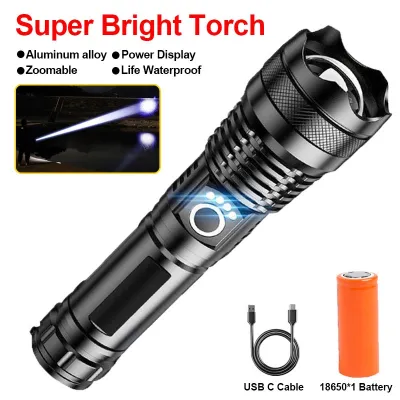
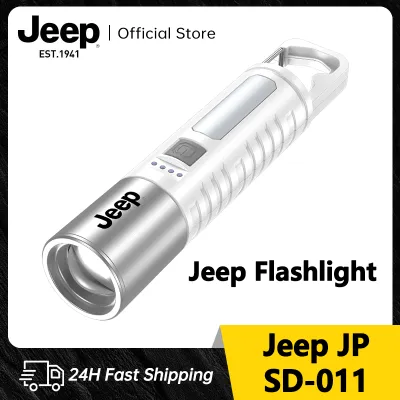
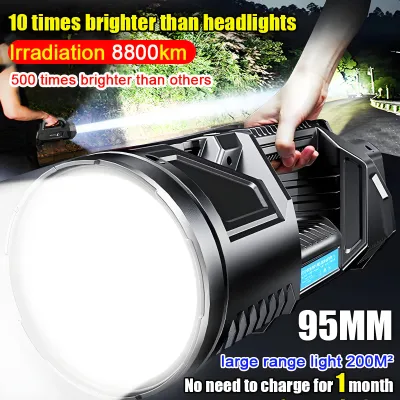
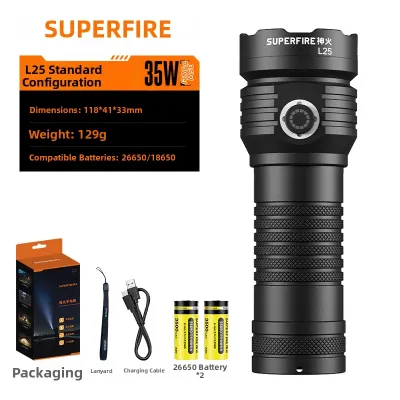
Prices are valid at publication and may change. Please refer to the product page for the latest price.
Power outlet placement is another critical factor for emergency lights that require continuous connection to the mains. Emergency lights with automatic power-failure activation must remain plugged into a live wall socket to function correctly when the grid goes down. Walk through your flat and identify available sockets near key transition zones, such as the main entryway, the hallway outside bedrooms, and the kitchen entrance. If an outlet is located behind heavy furniture or in a hard-to-reach corner, performing routine maintenance or manually switching the light on during an emergency becomes unnecessarily difficult.
Singapore’s tropical climate introduces high ambient humidity and elevated indoor temperatures, particularly in areas like service yards, kitchens, and bathrooms. High humidity can accelerate the corrosion of internal electrical contacts and charging ports, while direct sunlight from large windows can cause localized heat buildup. If you plan to place an emergency light near a window or in a damp service yard, verify that the product specifications indicate a suitable operating temperature range and some degree of moisture resistance, such as an IP (Ingress Protection) rating.
Evaluating Brand Reliability and Safety Compliance
In Singapore, electrical safety is paramount. When evaluating any brand of rechargeable emergency light, your first step should be verifying the presence of the Safety Mark issued by Enterprise Singapore. This mark indicates that the product has been tested and certified to meet local safety standards, reducing the risk of electrical fires, short circuits, or battery malfunctions. Avoid purchasing unbranded or uncertified lights from unregulated online marketplaces, as these devices often bypass essential safety testing.

A reliable brand stands behind its products with clear warranty terms and accessible local support. Look for manufacturers that offer at least a 12-month warranty and maintain an authorized service center or dedicated customer support channel within Singapore. If a component fails or the battery degrades prematurely, having a local point of contact makes the replacement process straightforward, saving you the hassle of shipping defective items overseas.
The underlying battery chemistry is a major indicator of long-term reliability. Most modern rechargeable emergency lights utilize either Lithium-ion (Li-ion), Lithium Iron Phosphate (LiFePO4), or sealed Lead-Acid (SLA) batteries. Lithium-based batteries generally offer higher energy density, lighter weight, and a longer overall lifespan compared to older lead-acid alternatives. Always check the manufacturer’s technical specifications to identify the exact battery type and its rated charge cycles, which help you estimate how many years the light will remain functional before the battery needs replacement.
Matching Technical Specs to Your Blackout Needs
To choose the right light, you must match its technical specifications to the physical dimensions of your rooms. Lumens measure the total amount of visible light emitted by a source. For a small HDB bedroom or bathroom, a light output of 100 to 200 lumens is typically sufficient to provide safe visibility. For larger living rooms or open-concept dining areas, look for models capable of delivering 300 to 500 lumens. Additionally, consider the beam angle: a wide floodlight beam (120 degrees or more) is ideal for illuminating entire rooms, while a narrow spotlight beam is better suited for directional tasks or navigating tight corridors.
Battery capacity, usually measured in milliampere-hours (mAh) or Watt-hours (Wh), directly dictates how long the light can operate on a single charge. A reliable emergency light should provide at least three to four hours of continuous illumination at its maximum brightness setting—ample time for local utility providers to resolve most typical HDB power disruptions. Be sure to verify these runtime claims against the official product documentation rather than relying on vague marketing slogans.
Modern emergency lights offer various charging interfaces, with USB-C and Micro-USB being the most common for portable models, while larger units may use standard three-pin power cords. USB-C interfaces are highly convenient as they allow you to recharge the light using standard phone chargers or portable power banks during extended outages. Crucially, check the product manual to confirm the presence of built-in overcharge and over-discharge protection circuits. These safety features prevent the battery from receiving excessive voltage once fully charged and stop it from draining to a point of permanent damage.
Safe Placement and Routine Maintenance
Proper placement and regular maintenance are essential to ensure your emergency light functions when you need it most. When positioning a light that remains plugged in, avoid placing it near active heat sources such as kitchen stoves, ovens, or direct sunlight. Adequate ventilation around the device is crucial during active charging cycles, as heat buildup can degrade battery health and increase the risk of thermal runaway.
Batteries naturally lose charge over time, even when not in use. To maintain optimal battery health, establish a regular maintenance schedule based on the manufacturer’s specific care instructions. For many rechargeable models, this involves unplugging the unit and allowing it to discharge completely once every three to six months, followed by a full recharge. This process helps calibrate the battery management system and prevents capacity loss over time.
Regularly inspect your emergency lights for physical signs of degradation or electrical faults. If you notice the casing warping, the battery area swelling, unusual heat during charging, or a significant drop in runtime, stop using the device immediately. Do not attempt to open or repair a swollen battery yourself; instead, consult a qualified professional or contact the manufacturer’s local service center for safe disposal and replacement options.
For any fixed wiring installations—such as mounting a permanent emergency light connected directly to your flat’s electrical distribution board or ceiling rose—always isolate the mains power before beginning work. Ensure you follow the manufacturer’s installation instructions precisely. In Singapore, any modifications to fixed electrical wiring must be performed by a licensed electrical worker (LEW) to ensure compliance with local safety regulations and prevent hazardous wiring errors.
Frequently Asked Questions (FAQ)
Can I leave my rechargeable emergency light plugged in all the time?
Whether you can leave your light plugged in indefinitely depends entirely on its internal charging circuitry. High-quality emergency lights designed for permanent installation feature smart charging circuits that automatically stop drawing power once the battery is fully charged, transitioning to a safe trickle charge or shutting off completely. However, basic or budget models may lack these advanced protections, meaning continuous charging can lead to overcharging, excessive heat, and accelerated battery degradation. Always consult the manufacturer’s instructions to verify if the device is rated for continuous plug-in use, and immediately unplug any unit that feels excessively hot to the touch or shows signs of battery swelling.
Are solar-powered emergency lights effective inside an HDB flat?
Solar-powered emergency lights have notable practical limitations when used inside typical HDB flats. Because high-rise apartments often have deep layouts, service yards, or window orientations that receive limited direct sunlight, relying solely on solar charging can result in extremely slow or incomplete charges. Standard electrical charging via a wall outlet remains the most reliable primary method for indoor emergency preparedness. If you prefer a solar option for eco-friendly backup, choose a dual-charging model that features both a solar panel and a standard USB input, allowing you to keep the light fully charged via mains power while retaining solar capability as an emergency fallback.

Community discussion
Share your experience or ask a question. Comments are reviewed before publication.