
Finding reliable rechargeable light bulbs for Housing & Development Board (HDB) flats in Singapore requires understanding how these dual-purpose emergency bulbs operate within typical local residential electrical setups. During a localized power trip or a broader utility outage, these bulbs automatically switch to their internal battery power, providing essential illumination. To choose a reliable model, homeowners must evaluate specific technical parameters, local safety certifications, and physical compatibility with existing fixtures rather than relying on brand names alone.
By focusing on verifiable specifications and proper maintenance habits, you can ensure your household remains illuminated when the grid fails. This guide outlines the essential steps to assess your home’s needs, decode product packaging, verify safety standards, and maintain your bulbs for long-term reliability.
Assessing Your HDB Emergency Lighting Needs
HDB layouts vary from compact 2-room Flexi flats to spacious 5-room and Executive apartments, and the lighting requirements differ significantly between these spaces. To plan your emergency lighting setup, you must first determine the required brightness and backup duration based on your specific room layouts and typical usage during outages.
Products mentioned in this guide
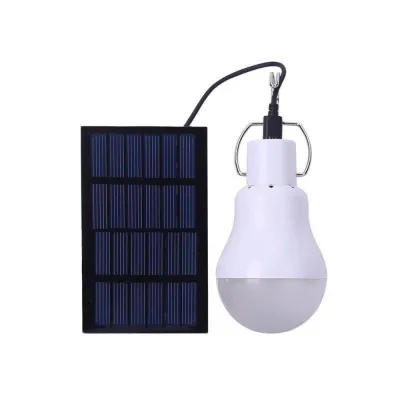
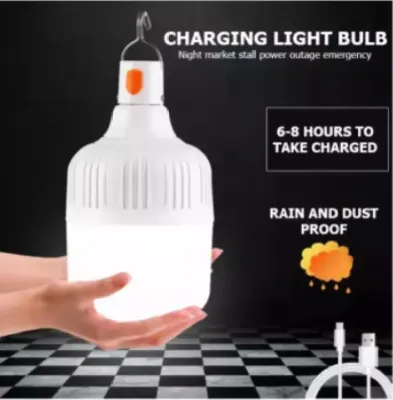
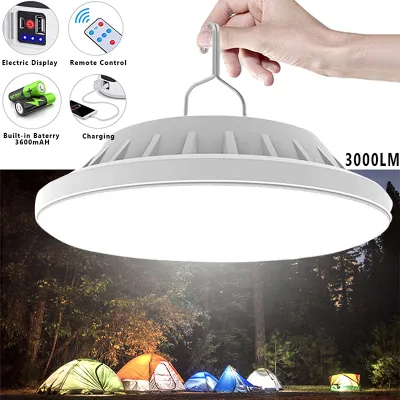
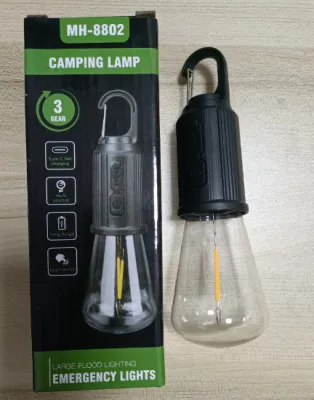
Prices are valid at publication and may change. Please refer to the product page for the latest price.
Living rooms, which serve as primary evacuation routes and gathering spaces, generally require higher ambient light. To maintain safety during an outage, aim for a minimum of 800 to 1,000 lumens under normal operation, which typically translates to a lower, but sufficient, 150 to 300 lumens in emergency battery mode. This level of brightness is adequate for safe movement and basic tasks without straining your eyes.
Study areas or home offices where precise tasks are performed may require localized task lighting. A bulb capable of delivering at least 400 to 500 lumens in normal mode can keep a desk usable. For utility areas, bomb shelters (household shelters), and bathrooms, lower light levels of 100 to 200 lumens are usually adequate for safe navigation.
Backup duration needs depend on the nature of local power disruptions. Most localized HDB power trips caused by faulty appliances or overloaded circuits are resolved within 1 to 2 hours once the distribution board (DB) box circuit breaker is reset. However, for rarer, wider grid maintenance or unexpected blackouts, a backup duration of 3 to 4 hours provides a comfortable safety margin.
Physical compatibility is another critical factor. Singapore homes predominantly use E27 Edison screw bases or B22 bayonet bases. Homeowners must physically inspect their existing ceiling lamps, downlights, or track lights before purchasing. Rechargeable bulbs are often bulkier and heavier than standard LED bulbs due to the integrated lithium-ion battery and charging circuitry. Measure the internal clearance of the fixture housing to ensure the bulb does not press against the cover or glass shade, which can restrict airflow and cause physical damage.
Critical Specifications to Verify on the Packaging
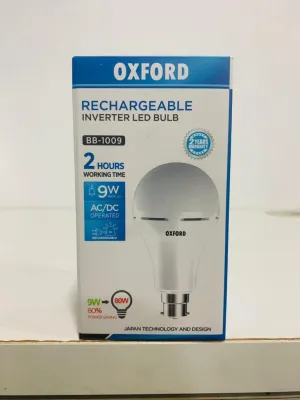
When shopping, do not assume the brightness remains constant when the power goes out. Manufacturers design these bulbs to conserve battery life by dropping the lumen output during emergency mode. For instance, a bulb rated at 9W and 900 lumens under mains power might only emit 300 lumens when running on its internal battery. This reduction is a deliberate engineering choice to extend runtime, but it must be clearly stated on the packaging so you can plan your lighting layout accurately.

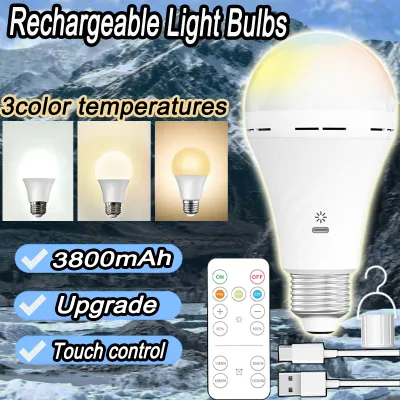
Look for the battery capacity specified in milliampere-hours (mAh) or watt-hours (Wh). A typical reliable bulb features a lithium-ion battery ranging from 1,200 mAh to 2,600 mAh. Higher capacity generally supports longer runtimes or higher emergency lumen levels, but it also increases the charging time. Check the packaging for the estimated charge time, which often ranges from 4 to 8 hours of continuous mains power usage to reach full capacity.
These bulbs charge automatically while they are switched on and running on mains electricity. When the wall switch is turned off manually, the bulb’s internal sensor detects the open circuit and remains off. However, when a power outage occurs, the circuit remains closed but loses voltage, triggering the bulb to switch to battery power. This requires a small amount of standby power monitoring, which should be minimal. Verify the standby power consumption on the technical datasheet to ensure it does not contribute to unnecessary phantom energy draw.
Additionally, verify the voltage compatibility. In Singapore, the standard domestic voltage is 230V at a frequency of 50Hz. Ensure the packaging explicitly states compatibility with this range (typically labeled as 220V–240V, 50/60Hz) to prevent premature component failure or safety hazards.
Evaluating Brand Reliability and Local Safety Standards
In Singapore, household electrical appliances, including light bulbs with integrated ballasts or drivers, are controlled goods under the Consumer Protection (Safety Requirements) Registration Scheme. It is critical to look for the SAFETY Mark on the packaging or the product body. This mark, issued by the Enterprise Singapore safety authority, ensures the product has been tested to meet local electrical safety standards, reducing the risk of short circuits, overheating, or electrical fires.
Because rechargeable bulbs contain lithium-ion batteries that degrade over time, a robust warranty is a key indicator of reliability. Look for brands that offer at least a 1-year local warranty. Verify whether the brand has an established local distributor or customer service center in Singapore where you can easily exchange a defective unit. Shipping a faulty bulb back overseas is often economically impractical and time-consuming.
When browsing online marketplaces or local hardware store forums, look past the initial five-star ratings. Filter for reviews that mention long-term performance, specifically focusing on battery degradation after 6 to 12 months of use. Common complaints to watch out for include rapid loss of backup duration, flickering when switching between mains and battery power, or the bulb failing to charge altogether.
Be cautious of unbranded or extremely cheap options sold on global ecommerce platforms. These products often lack the necessary safety certifications and may use lower-grade lithium-ion cells that pose a higher risk of swelling, leaking, or thermal runaway under Singapore’s warm tropical conditions.
Installation Rules and Battery Maintenance for Longevity
Rechargeable bulbs rely on a complex internal sensing circuit to differentiate between a user turning off the wall switch and a genuine power outage. For this sensor to work correctly, the bulb must be installed on a single-switch circuit. If the bulb is placed on a multi-bulb fixture shared with other types of bulbs (such as standard LEDs or compact fluorescents), or on a three-way switch system, the sensor may get confused, causing the bulb to turn on unexpectedly or fail to charge.
Lithium-ion cells degrade faster if they are kept at 100% charge indefinitely without ever being discharged. To maintain battery health, perform a manual cycle every 3 to 6 months. You can do this by turning off the main circuit breaker for that specific lighting loop or by unscrewing the bulb and using the included power cap (if provided) to run the battery down to about 20% before recharging it fully.
Singapore’s high humidity and warm climate can accelerate battery degradation and electrical wear. Never install these bulbs in damp areas like unventilated bathrooms or outdoor balconies unless the bulb is explicitly rated for damp locations (IP-rated). Furthermore, avoid installing them in fully enclosed fixtures. The heat generated by the LED chips and the charging circuit can become trapped, raising the internal temperature of the lithium-ion battery to unsafe levels, which significantly shortens its lifespan and can pose a thermal hazard.
For any fixed wiring modifications, installations at height, or when replacing older fixtures, always isolate the main power supply at the DB box. Follow the manufacturer’s instructions carefully, and engage a licensed electrical worker (LEW) if you are unsure about the wiring configuration to ensure compliance with local safety standards.
Purchasing Channels and Delivery Inspection Checklist
To ensure you receive genuine products with valid local warranties, purchase from authorized brand stores, reputable local DIY and hardware retailers, or official flagship stores on major ecommerce platforms. Avoid third-party parallel importers who cannot guarantee local safety certifications or warranty fulfillment.
Upon receiving your bulbs, perform a thorough physical inspection. Check the weight; rechargeable bulbs should feel noticeably heavier than standard LED bulbs of the same size due to the internal battery. Inspect the metal contacts of the E27 screw or B22 bayonet base for any signs of corrosion, scratches, or manufacturing defects. Shake the bulb gently to ensure there are no loose internal components.
Ensure the package contains all advertised accessories. Many reliable models include a specialized hanger cap with a hook and a power button. This cap allows you to unscrew the bulb and use it as a portable lantern or flashlight during an emergency, which is highly practical for navigating dark areas of your HDB flat. Test this accessory immediately upon delivery to verify that the bulb illuminates when the cap is securely attached.
Finally, test the bulb in a standard lamp or fixture before installing it permanently. Let it charge for the recommended duration (usually 4 to 6 hours) and then simulate a power outage by turning off the wall switch and unplugging the lamp, or by unscrewing the bulb and using the hanger cap. This immediate test ensures you can identify any defective units within the retailer’s return window.
Frequently Asked Questions (FAQ)
Do rechargeable light bulbs work with dimmer switches?
No, standard rechargeable light bulbs are generally incompatible with dimmer switches. Dimming circuits alter the voltage or current waveform, which can disrupt the bulb’s internal charging circuit and sensor. This disruption often leads to rapid flickering, buzzing, failure to charge, or permanent damage to both the battery and the LED driver. Always check the manufacturer’s specifications; unless a bulb is explicitly labeled as dimmable, it must only be used on standard on/off switches.
How long does the internal battery typically last before needing replacement?
The internal lithium-ion battery in a rechargeable light bulb typically lasts between 2 to 5 years, or roughly 300 to 500 charge-discharge cycles, depending on usage and environmental temperatures. Over time, the battery’s capacity will naturally degrade, resulting in shorter backup runtimes during outages. In most consumer models, the battery is permanently sealed inside the housing for safety and moisture protection, meaning the entire bulb must be replaced once the battery fails to hold a charge.
Can I use these bulbs in enclosed or semi-enclosed HDB light fixtures?
It is highly discouraged to use rechargeable light bulbs in fully enclosed fixtures unless the manufacturer explicitly states they are rated for enclosed use. Enclosed fixtures trap the heat generated by both the LED light source and the battery charging process. Excessive heat is the primary cause of premature lithium-ion battery failure and can lead to thermal runaway in extreme cases. For semi-enclosed fixtures, ensure there is adequate ventilation space around the bulb to allow heat to dissipate naturally.

Community discussion
Share your experience or ask a question. Comments are reviewed before publication.